

Scale:
Markings:
AddHighlights:
- highly detailed metal construction;
- "World of Operation" mfx+ digital decoder and extensive operation and sound functions included;
- cab lighting and engine room lighting can be controlled digitally;
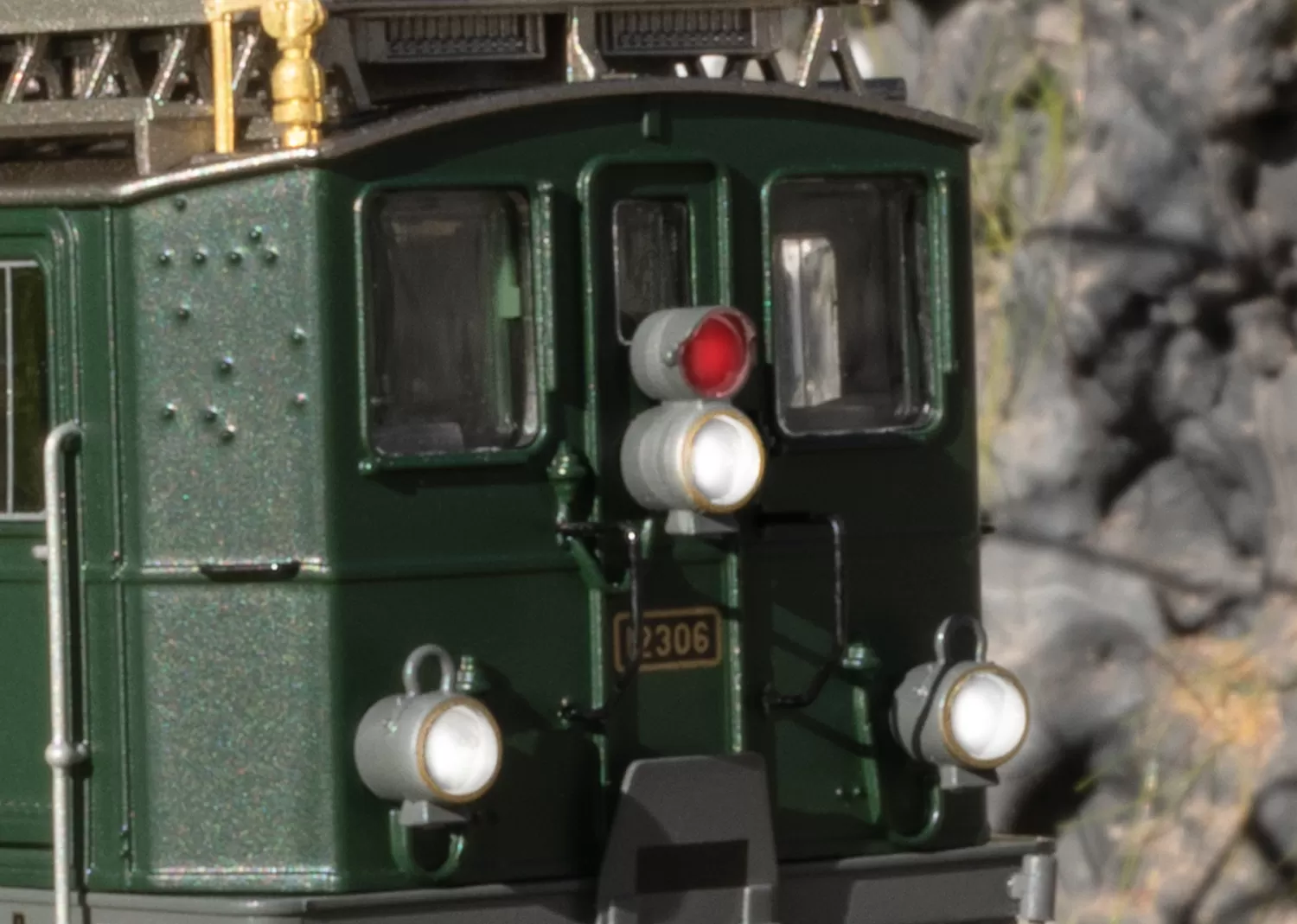
- additional red running authorisation lights can be controlled in digital operation.
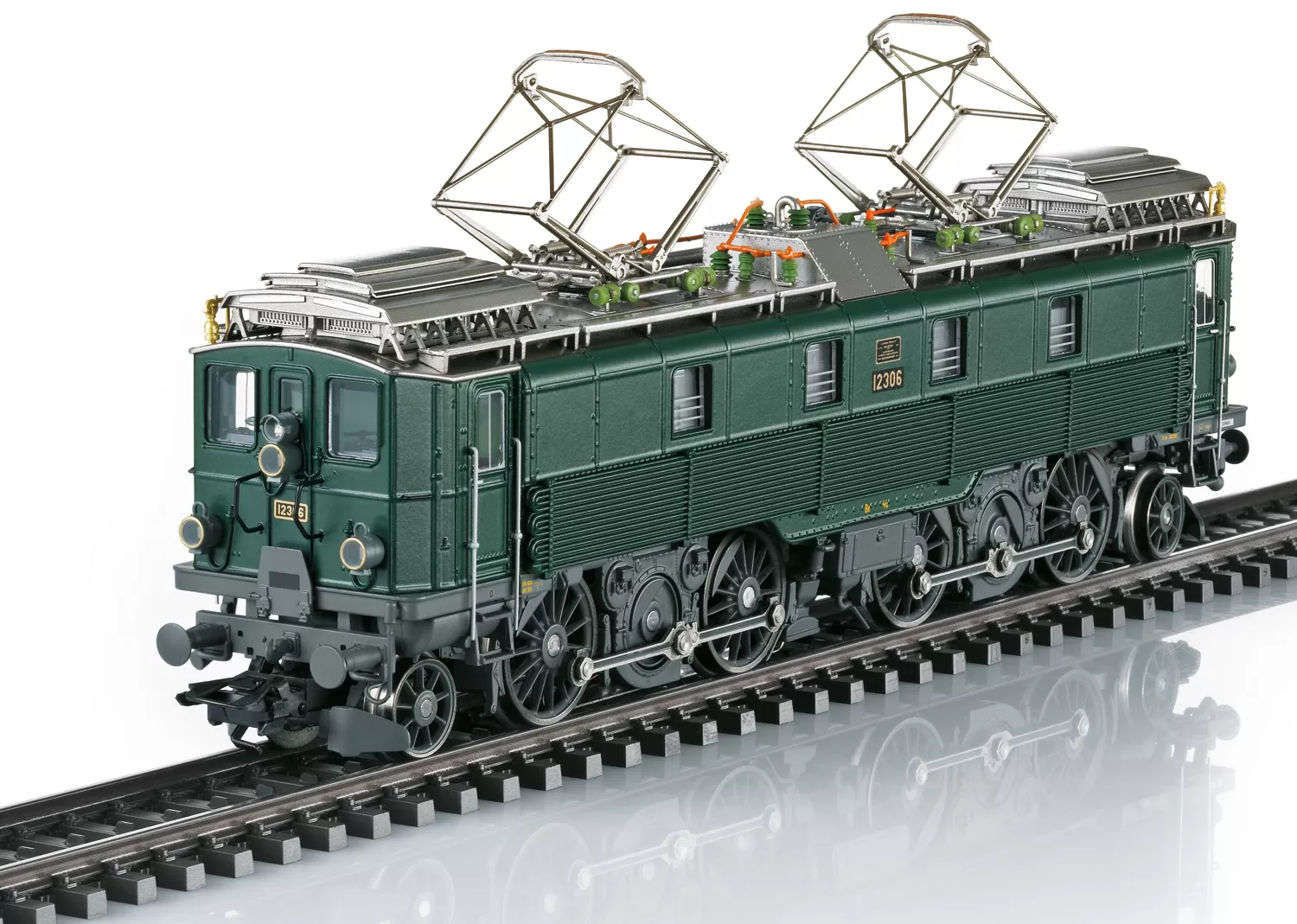
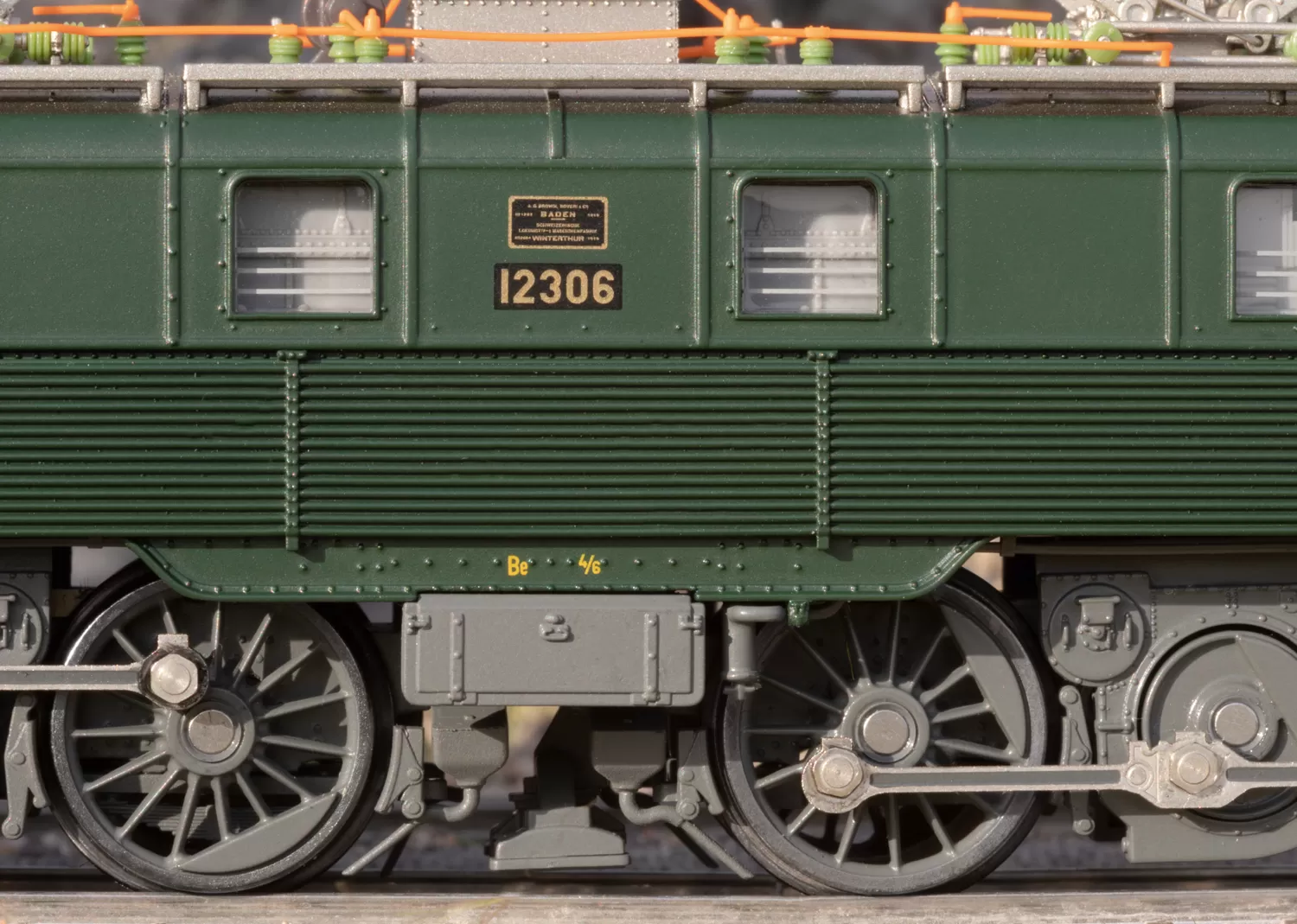
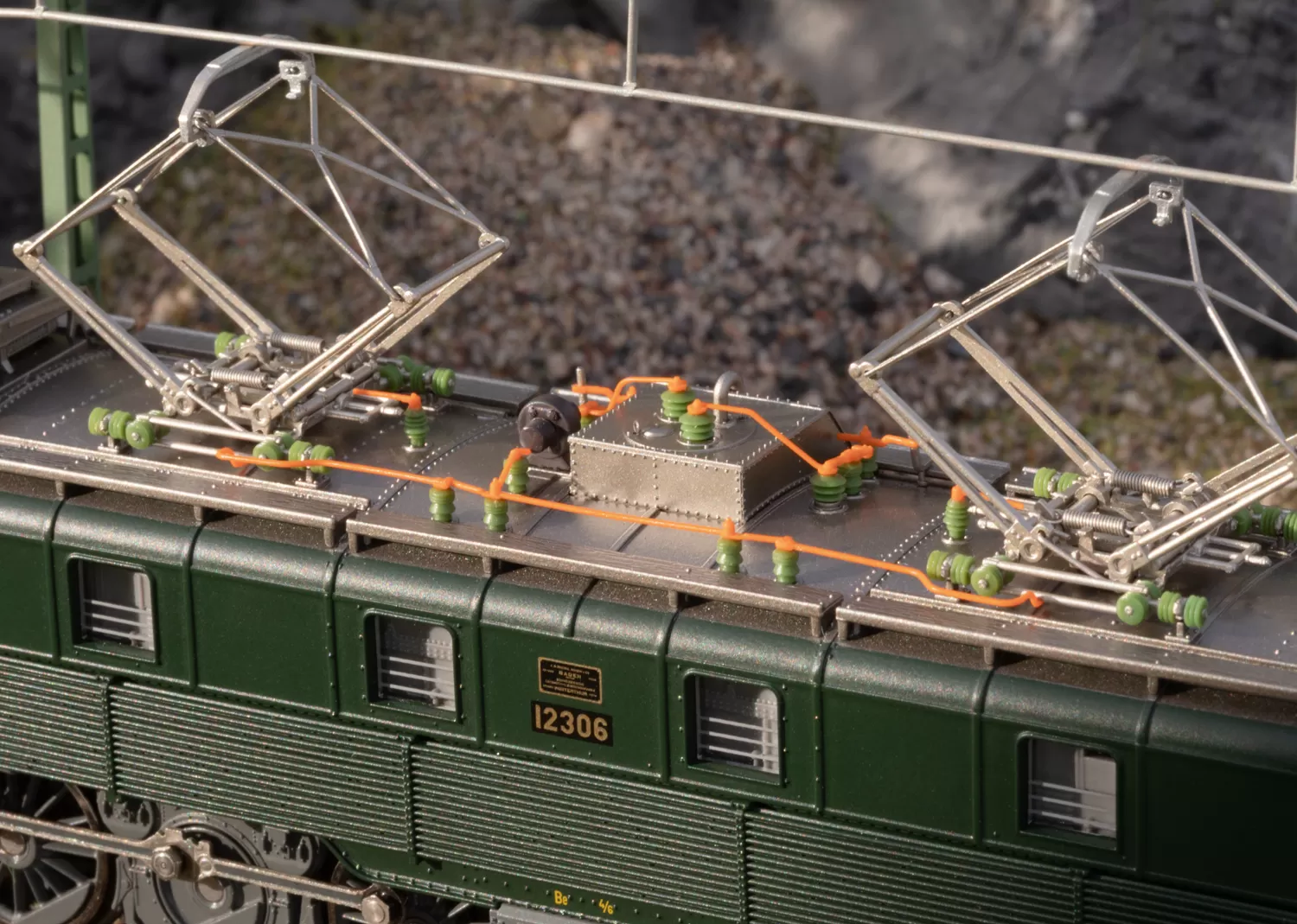
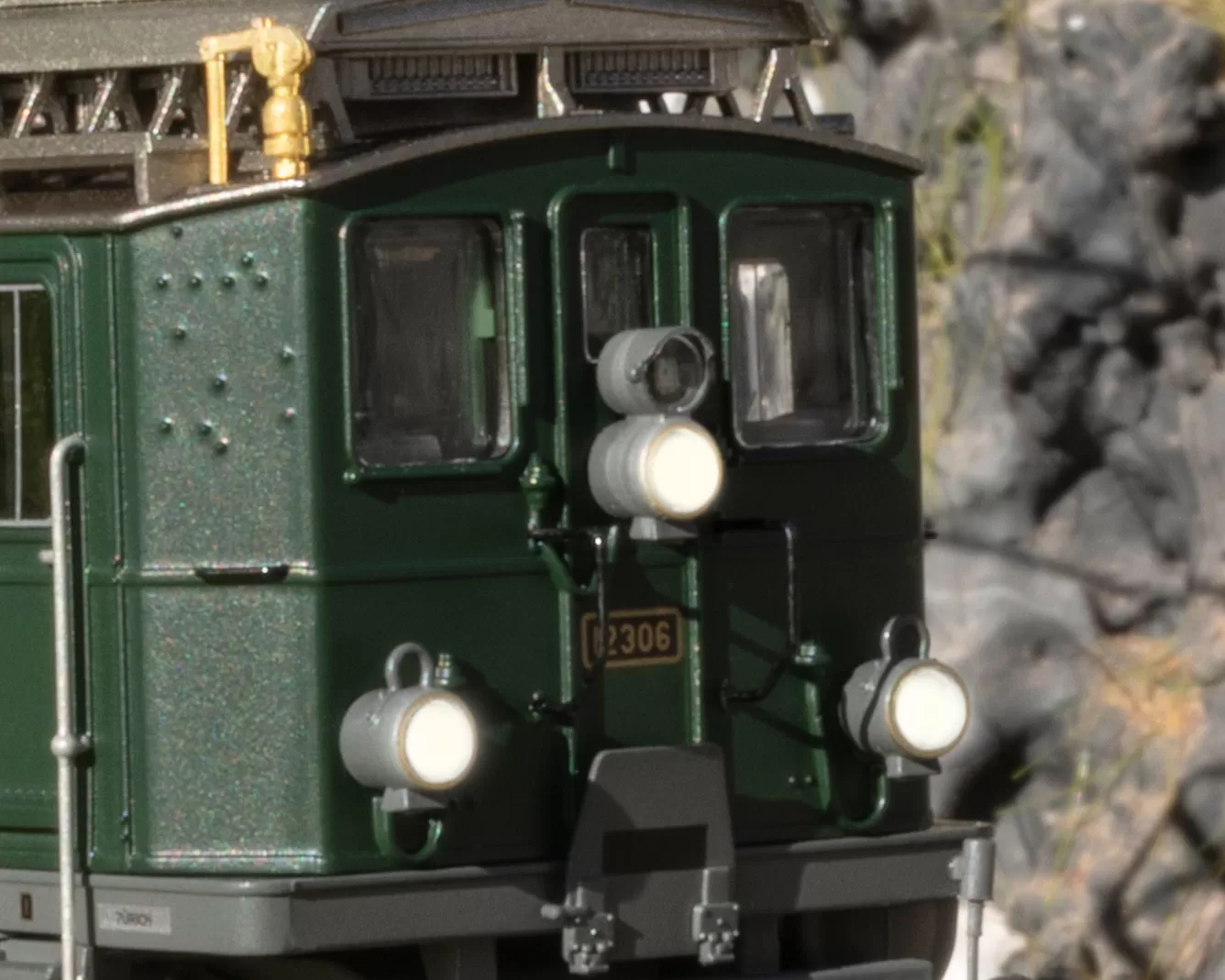
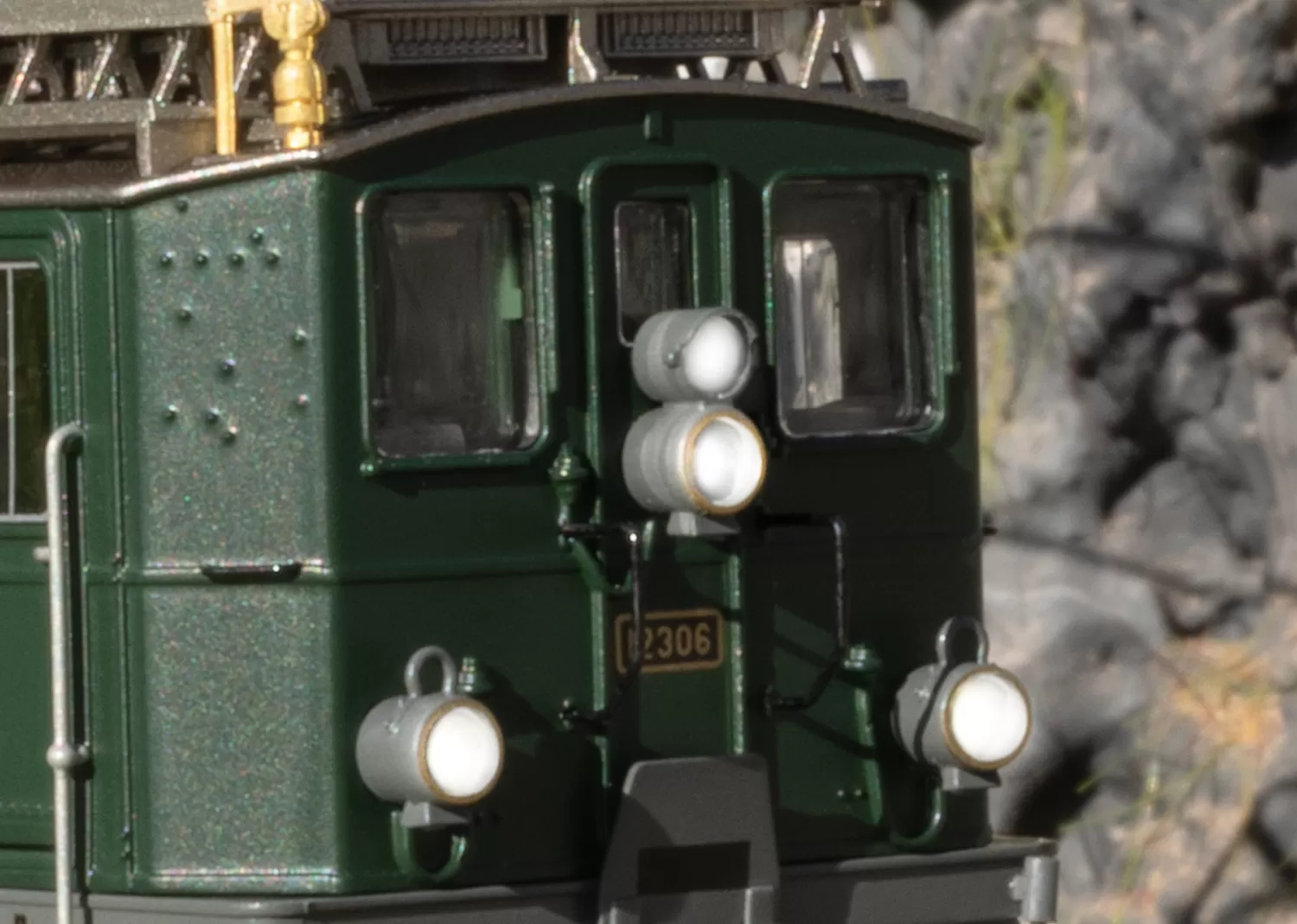
Model: The locomotive has an mfx+ digital decoder and extensive sound and light functions. It also has controlled high-efficiency propulsion with a flywheel, centrally mounted. Both driving wheels and jackshafts in each group of driving wheels powered using cardan shafts. Traction tires. The locomotive frame is articulated to enable the locomotive to negotiate sharp curves. Triple headlights and 1 white marker light (Swiss headlight / marker light code) change over with the direction of travel, will work in conventional operation, and can be controlled digitally. When the locomotive is running "light" the lighting can be changed to 1 red marker light. The running authorization lights can be controlled separately in digital operation. The headlights at Locomotive Ends 2 and 1 can be turned off separately in digital operation. The locomotive has the double "A" light function. The cab lighting and engine room lighting can be turned off separately in digital operation. Maintenance-free warm white and red LEDs are used for the lighting. This locomotive has highly detailed metal construction with many separately applied details, such as cooling pipes for the transformer oil. The cabs and engine room are modelled. Sanding equipment is included on the groups of driving wheels. The roof equipment is detailed with heating resistors, roof conductors, insulators, lightning arrester coils, and roof walk boards as well as double-arm pantographs with a simple contact strip. The minimum radius for operation is 360 mm / 14-3/16". Brake hoses, imitations of prototype couplers, and access ladders are included. Length over the buffers 18.9 cm / 7-7/16".
This model can be found in a DC version in the Trix H0 assortment under item number 25511.
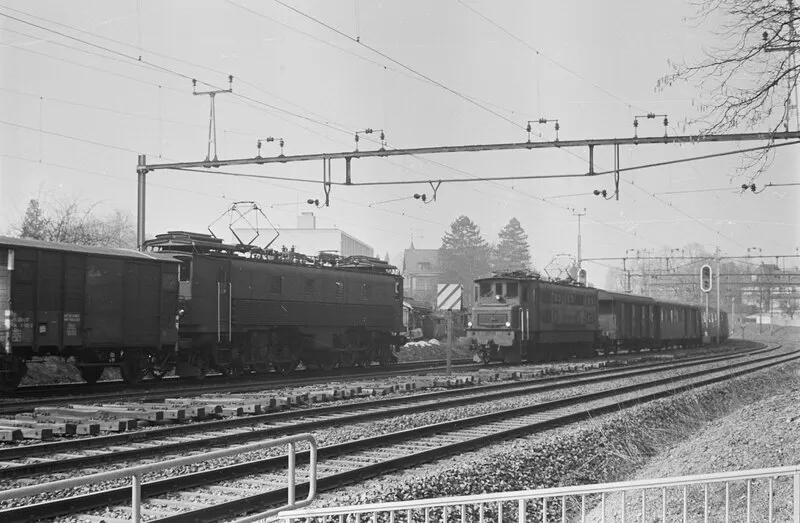
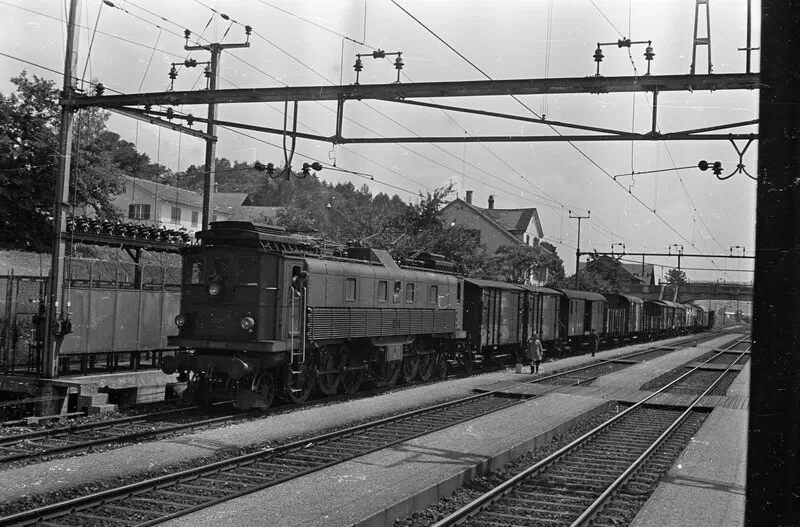
Prototype information: In June of 1917, the SBB ordered two test locomotives (road numbers Be 4/6 12301 and 12302) from the Swiss industry for use in heavy express train and passenger train service in electric operation on the Gotthard. While the test locomotives were still being built, the SBB decided in May of 1918 on a first modified regular production order to SLM and BBC, which included road numbers Be 4/6 12303-12312. They clearly formed a further development of the aforementioned road number 12302. As early as July of 1918 there was a first subsequent order for road numbers Be 4/6 12313-12318, followed by two other orders in 1920/21 as road numbers Be 4/6 12319-12328 and road numbers 12329-12342. These first electric Gotthard express locomotives then took up their duties between February of 1920 and April of 1923. Their external appearance was defined by a box-cab superstructure on a sturdy frame reinforced at critical points. The frame was mounted, using a pivot bearing on both driving wheel frames, each with a Bissel pilot truck wheelset. Two traction motors were geared in each power truck respectively to a deep-mounted jackshaft, which was linked to the driving wheelsets by a simple coupling rod. By 1929, the class Be 4/6 units were pulling all important express trains on the electrified lines and of course chiefly across the Gotthard. The new class Ae 4/7 units did not begin until then to make the field more competitive and by 1938, the use of the class Be 4/6 units in express train service across the Gotthard was largely over. They now carved out an existence pulling regional and freight trains, which finally ended in 1962 with increasing use of the class Ae 6/6. The class Be 4/6 units moved to somewhat "flatter" fields and were assigned again to the depots Biel, Lucerne, and Winterthur. Yet now they made their age noticeable, because their susceptibility to repair and their maintenance intensity clearly increased. In April of 1965, road number Be 4/6 12312 was the first to be taken, but in the following years increasingly more retirements opened up gaps in the time-honored Gotthard express locomotives. Road number Be 4/6 12339 was retired as the last of the Mohicans on February 29, 1976. Three units are still preserved: Road number Be 4/6 12320 underwent a major overhaul in 1975 after being retired with restoration largely to its original condition. For many years, it then functioned as an operational SBB museum locomotive and now belongs to SBB Historic. After intermediate stations as a memorial locomotive in Baden and as an exhibit at the Lucerne Transportation Museum, road number Be 4/6 12 332 went to the depot in Erstfeld under the care of the SBB Historic Team in Erstfeld. Road number Be 4/6 12339 was acquired at the end of 2009 by the "Association Swisstrain" after a stay of many years in Italy and it is now again in Swiss custody at the depot in Le Locle.

Available article numbers:



Advertising:

The identity card, photos and videos for thousands of railway vehicles all around Europe!
