

Scale:
Markings:
AddHighlights:
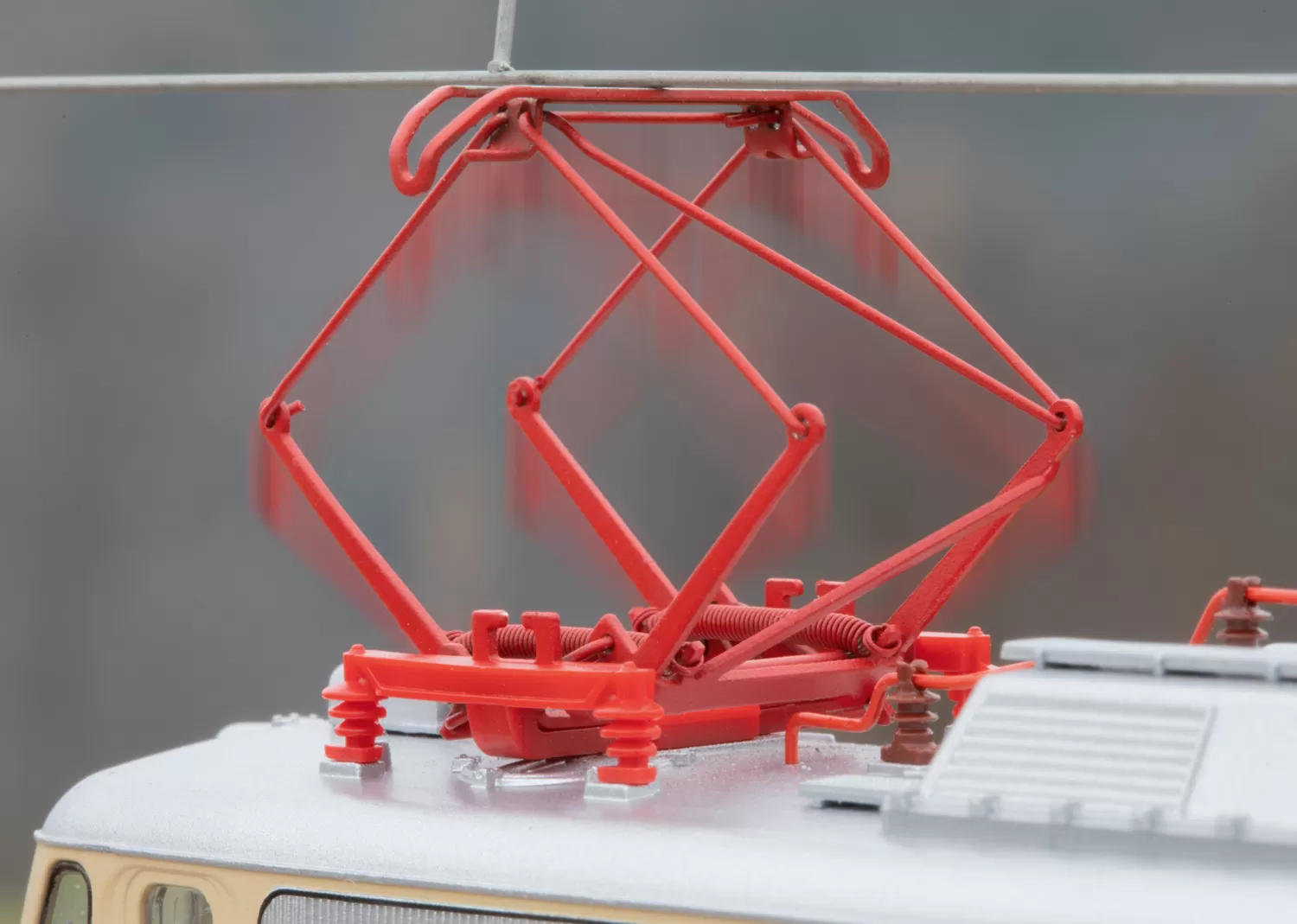
- "Bügelfalte" / "Pants Crease" for the first time with pantographs that can be raised and lowered digitally;
- cab lighting;
- cab lighting can be controlled digitally;
- mfx+ digital decoder with extensive light and sound functions.
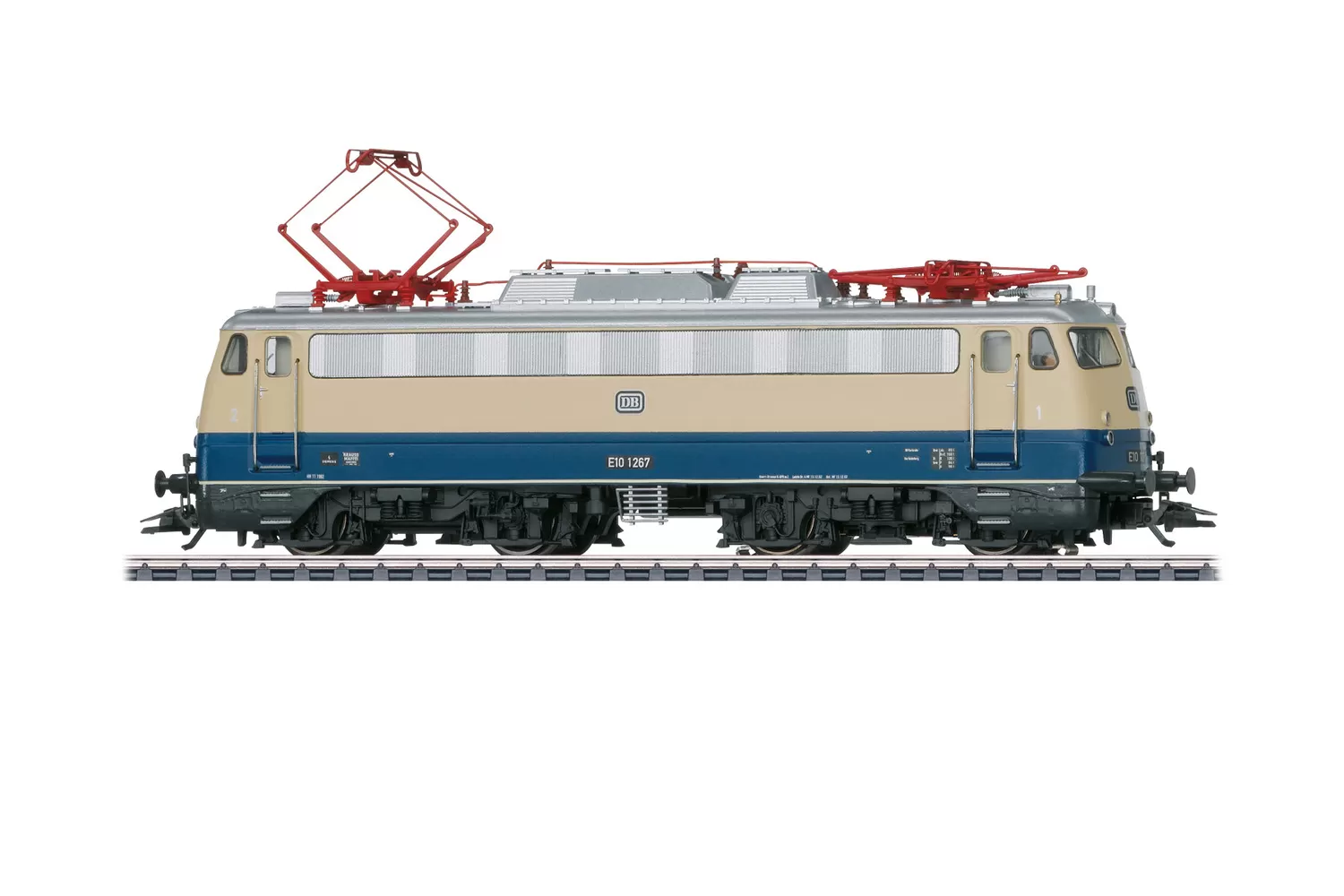
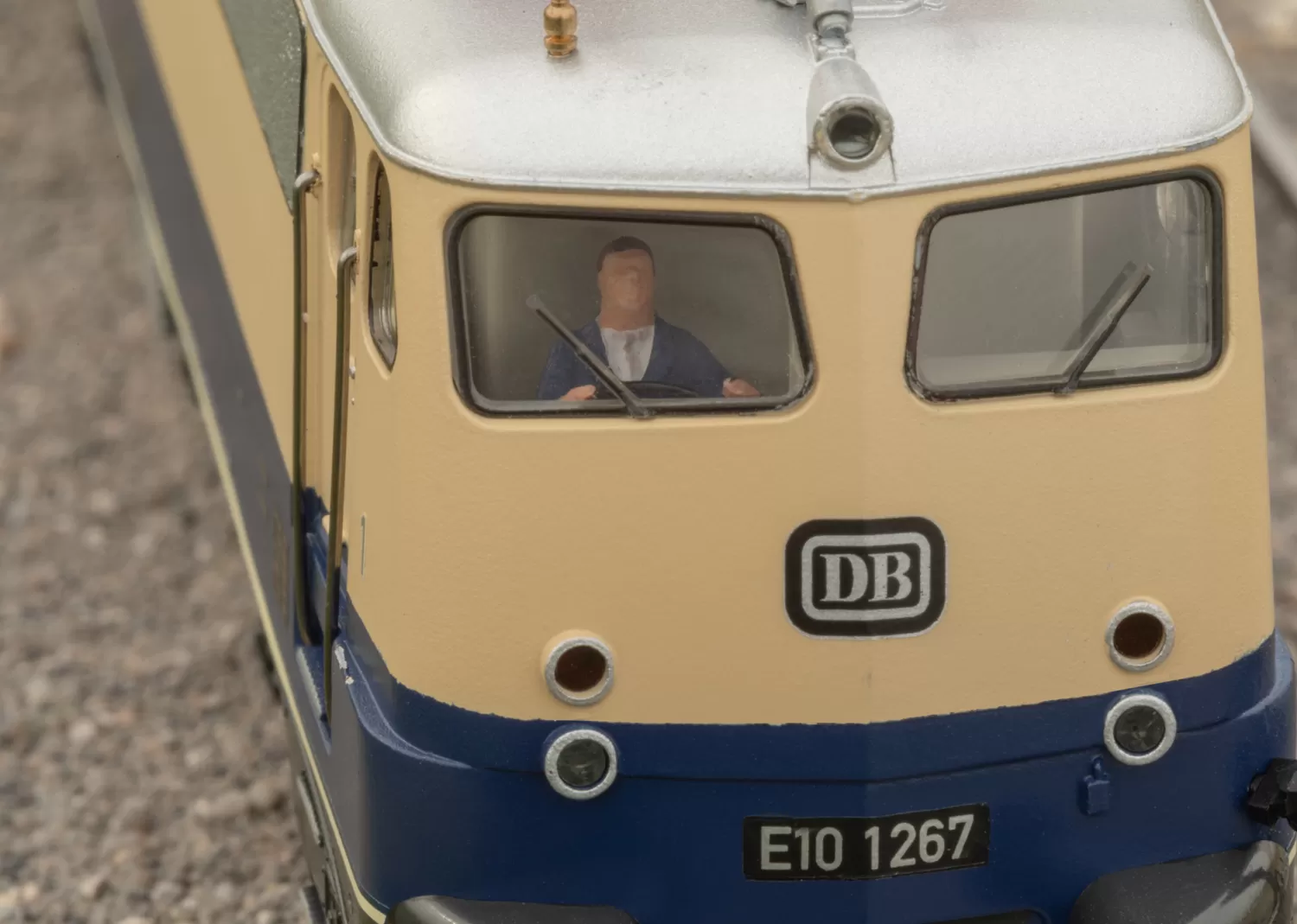
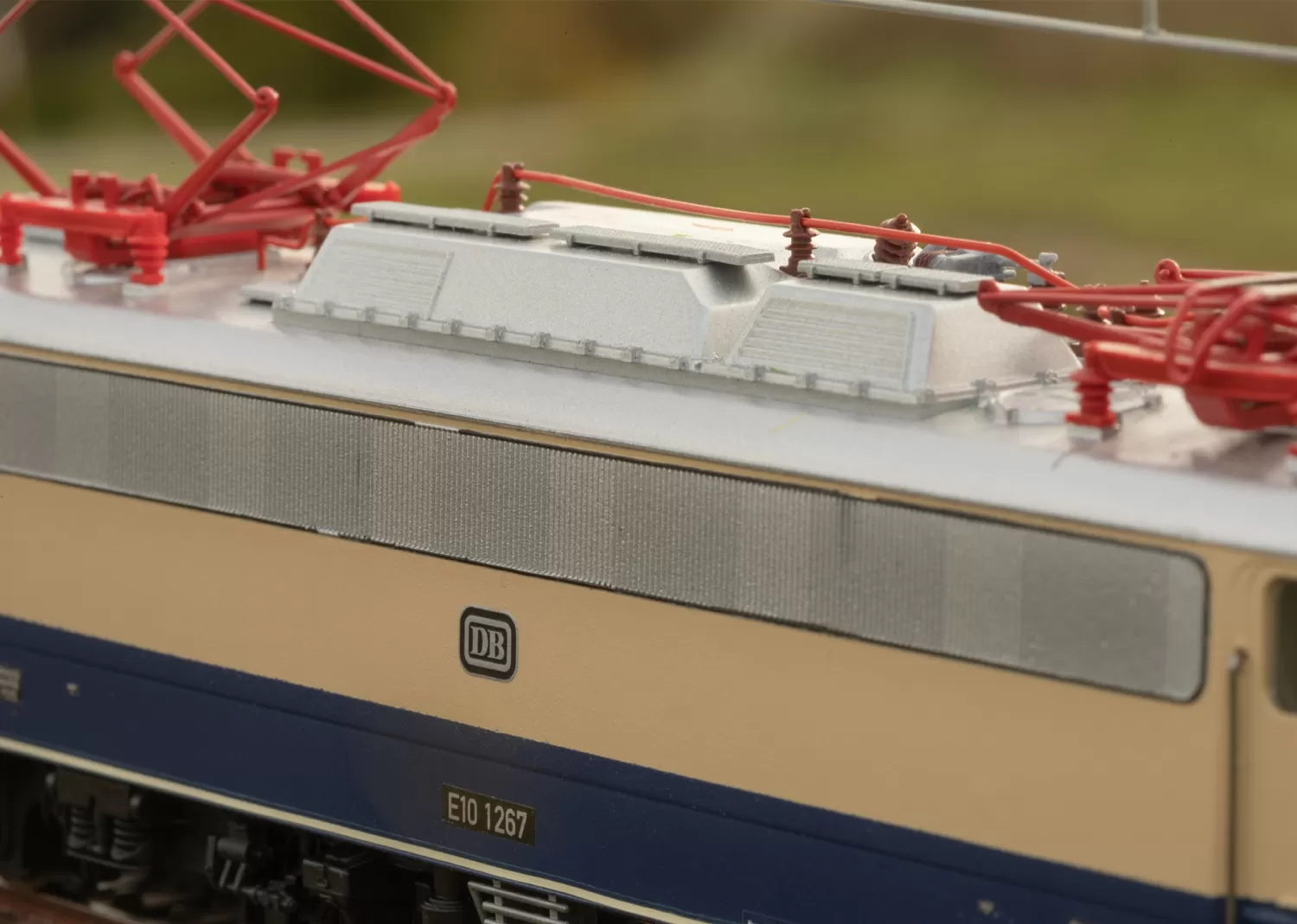
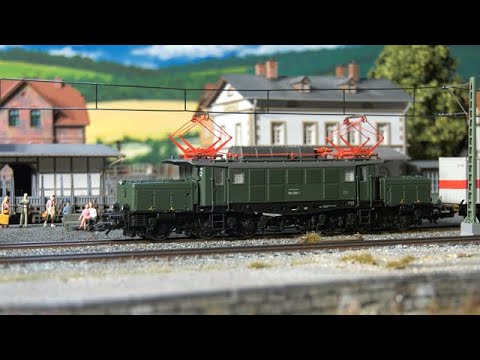
Model: The locomotive has an mfx+ digital decoder and extensive sound functions. It also has controlled high-efficiency propulsion, centrally mounted. 4 axles powered. Traction tires. The triple headlights and dual red marker lights change over with the direction of travel, will work in conventional operation, and can be controlled digitally. The headlights at Locomotive Ends 2 and 1 can be turned off separately in digital operation. When the headlights are off at both ends, the double "A" light function is on at both ends. The cab lighting can be controlled digitally. Maintenance-free warm white and red LEDs are used for the lighting. The pantographs can be raised and lowered as a digital function. The locomotive has separately applied metal grab irons. Brake hoses, a prototype coupler, and closed end skirting are included. There is a figure of a locomotive engineer in Cab 1. Length over the buffers approximately 18.9 cm / 7-7/16".
Two "Rheinpfeil" car sets to go with this locomotive can be found under item numbers 43881 and 43882.
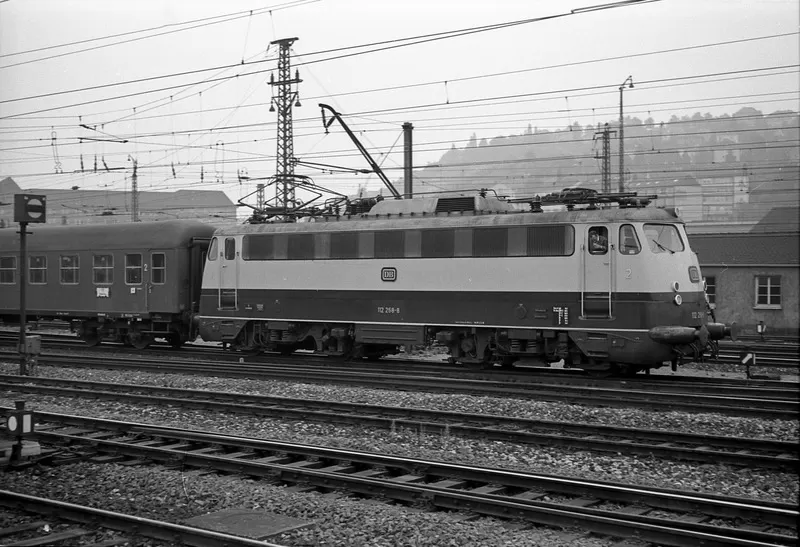
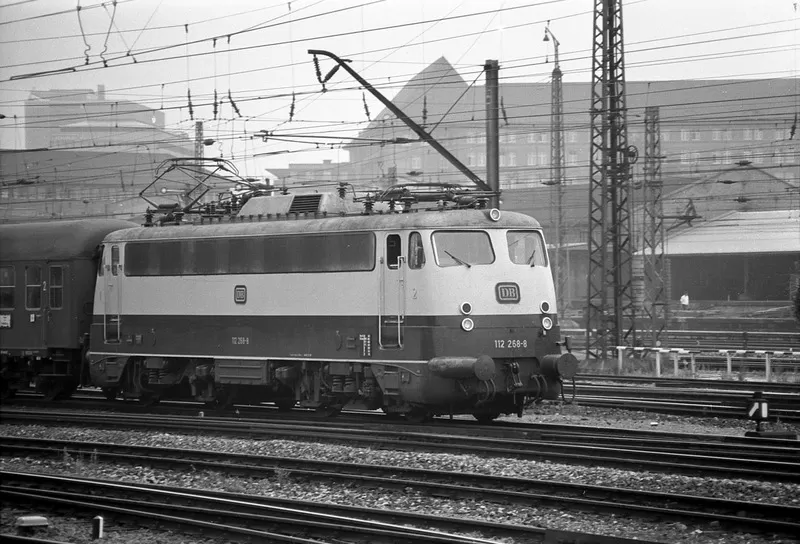
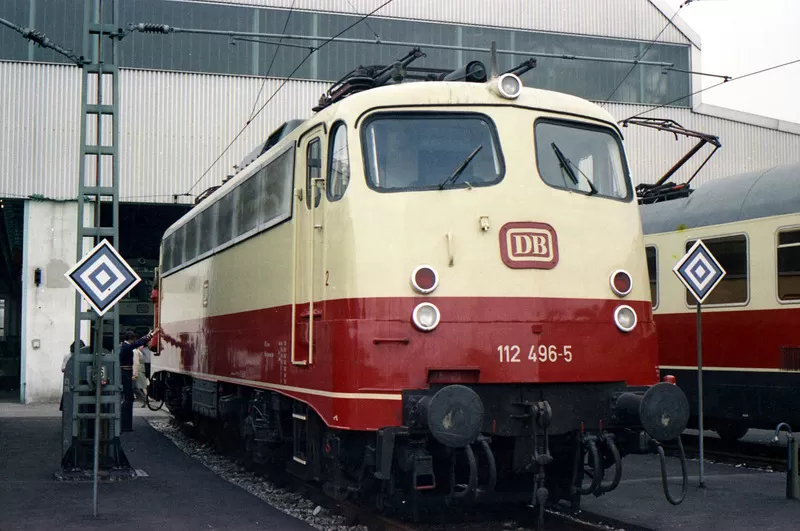
39126 – "Rheinpfeil" with a Class E 10.12 Electric Locomotive The DB introduced a high-quality second daily train as early as 1952 through the picturesque Rhine Valley to satisfy immense demand by passengers for the "Rheingold Express" (Hook of Holland – Basle) brought back to life again in May of 1951 by the German Federal Railroad: the F 21/22 "Rhein-Pfeil" (Rhine Arrow) between Munich and Dortmund. Yet the name "Rhein-Pfeil" only had one year in the schedules. The name did not reappear until the summer schedule of 1958. It was now F 21/22 "Rheinpfeil" on the same route as previously. A familiar author expressed it this way, "Rheingold and Rheinpfeil are to be spoken of in terms of relationships, brothers, the Lorelei is the niece of both." In order to link up with the earlier luxury, the DB decided in 1960 to build an exclusive and quite special, comfortable pool of cars for the "Rheingold" and the "Rheinpfeil" related to it. It announced its future top offering enthusiastically in 1962, "A great name in European railroading is being given new glamor." The DB purchased four new types of cars for its two prestigious trains. In addition to the familiar compartment cars with a side corridor from normal express trains (type Av4üm-62/63) for the first time there was now open seating cars (type Ap4üm-62/63) in long-distance service. A special feature were the dome observation cars (dome cars – type AD4üm-62/63), in which passengers enjoyed an open view of marvelous scenery in raised, fully glassed observation domes. Here und in the open seating cars, the seats could be turned so that passengers could always ride with a view in the direction of travel. The bar in the dome observation car invited you to while away time with beverages and small snacks. Business passengers could have their work done in the secretary's compartment. The new dining car (type WR4üm-62/63) had a bi-level galley, which soon gave it the nickname "humpbacked dining car". Bi-level to enable more seating in the dining area. The gold-coated windows and of course air conditioning provided pleasant temperatures in the cars. The locomotives and cars were easy to recognize externally from the elegant two-color paint scheme with cobalt blue below the waistline and beige-colored window band. In addition, the lettering "DEUTSCHE BUNDESBAHN" in gold letters beneath the observation dome was resplendent on both of the dome observation cars purchased for the "Rheinpfeil". Both the "Rheingold" and the "Rheinpfeil" could be pulled by electric locomotives in German territory due to progressive electrification. The DB decided on a modified version of the proven class E 10 as motive power, which in the future was to have a more streamlined body ("Bügelfalten" E 10 or "Pants Crease" E 10). Since the first of these units was not available until the fall of 1962 at the earliest, the railroad made do initially with units of the boxy standard design with modified gearing for 160 km/h / 100 mph. In 1963/64, the planned "Bügelfalten" / "Pants Crease E 10 units for 160 km/h / 100 mph were completely available.

Available article numbers:


DB - E 10.12 electric locomotive - Related videos:

Märklin - "Rheinpfeil 1963" express train:

DB - AD4üm-62, Av4üm-62 & Ap4üm-62 "Rheinpfeil 1963" express train passenger car set #1
Recommended retail price: 269,00 €

DB - WR4üm-62 & Av4üm-62 "Rheinpfeil 1963" express train passenger car set #2
Recommended retail price: 269,00 €
Advertising:

The identity card, photos and videos for thousands of railway vehicles all around Europe!
