
Source: maerklin.de
Source: maerklin.de
Source: maerklin.de
Source: maerklin.de
Source: maerklin.de
Source: maerklin.de
Source: maerklin.de
Source: maerklin.de
Source: maerklin.de
Source: maerklin.de
Source: maerklin.de

Scale:
Markings:
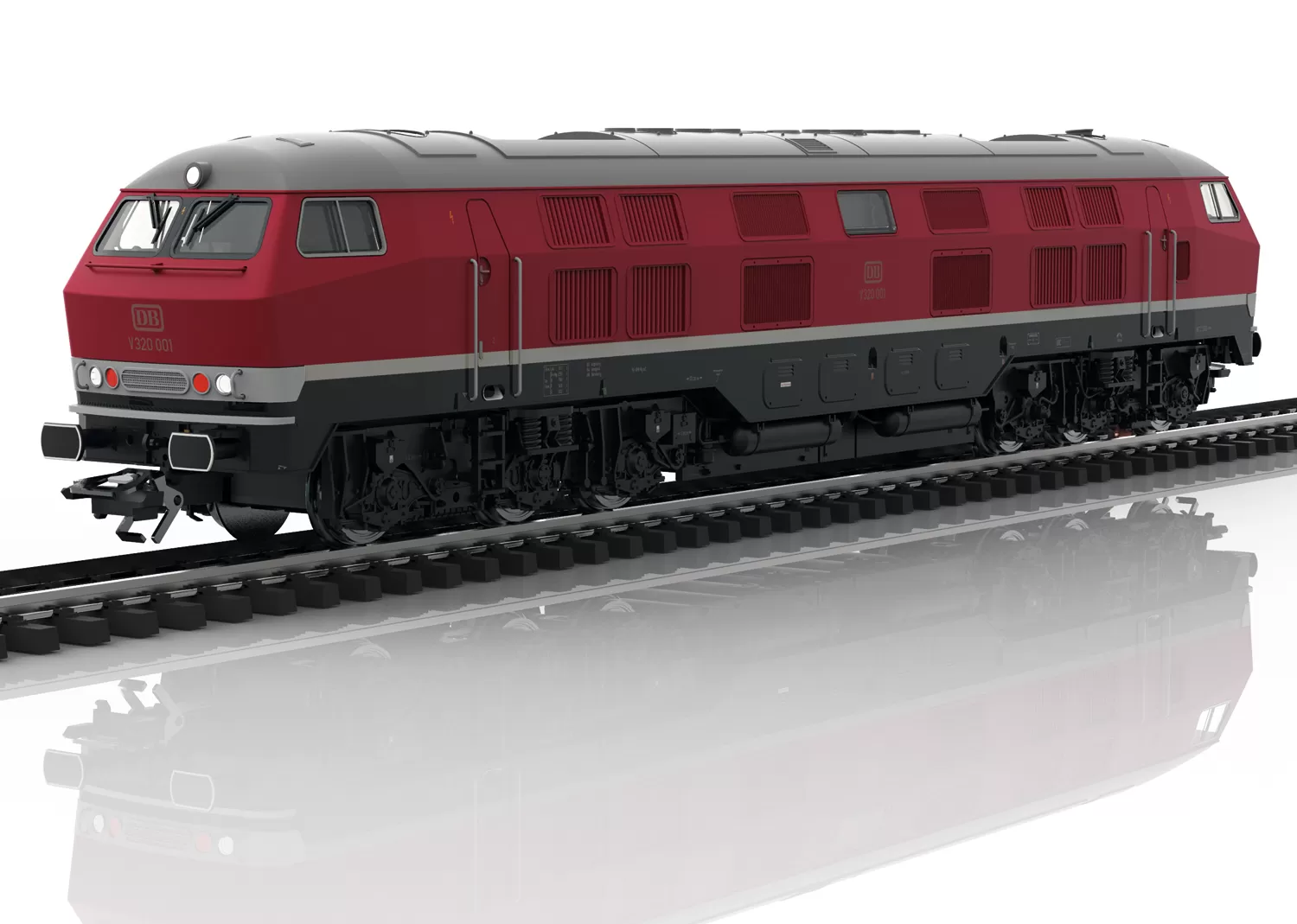
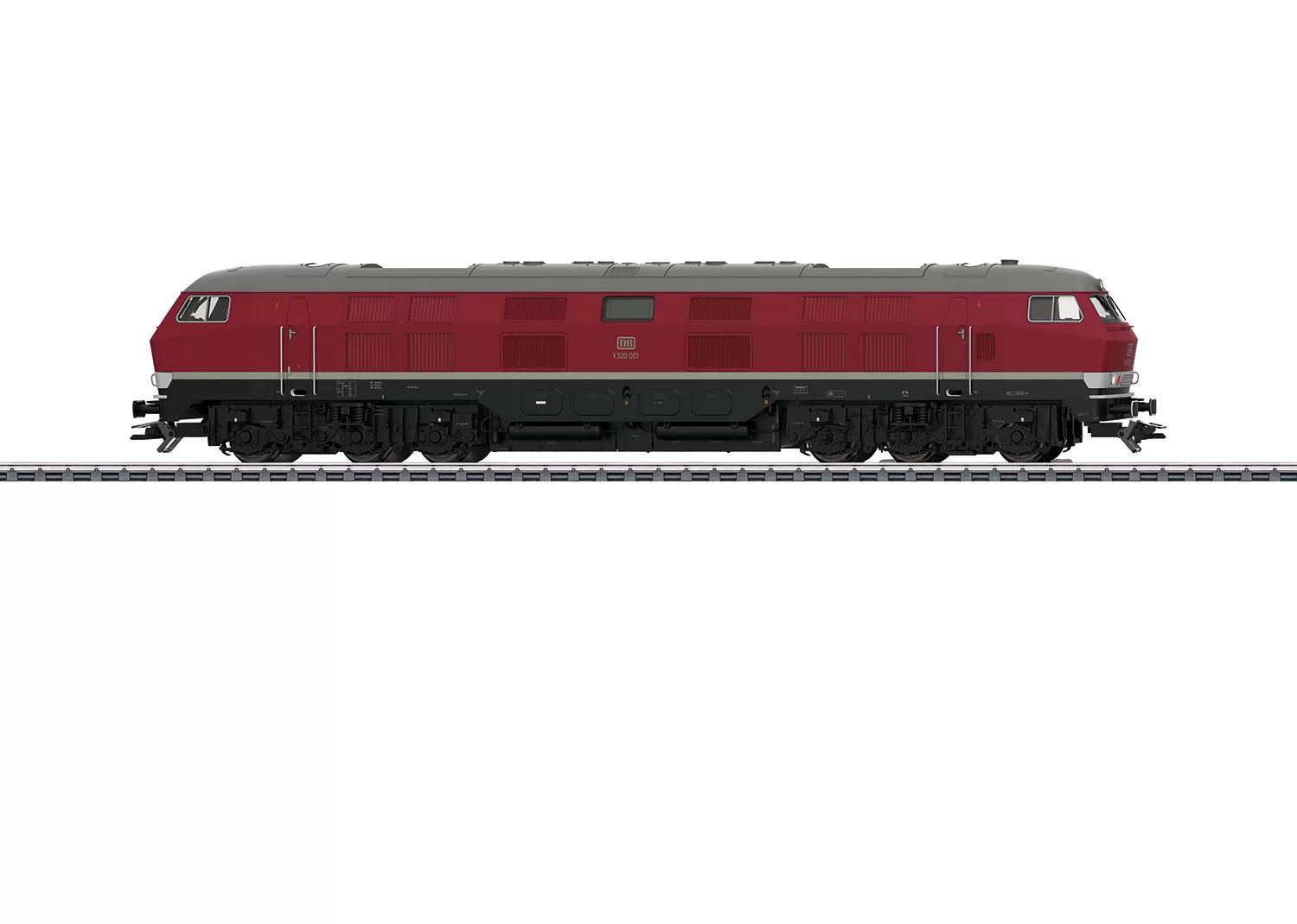
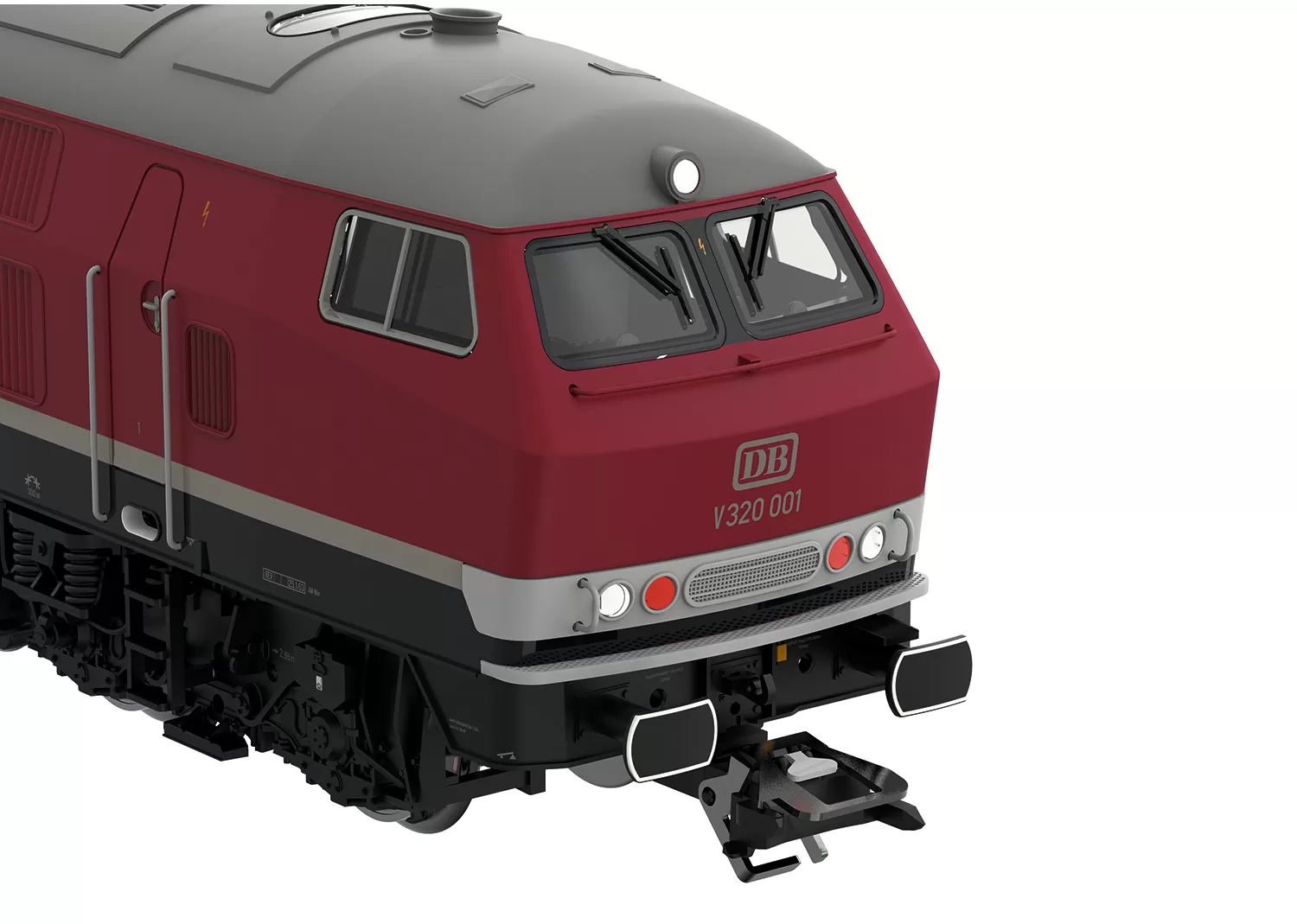
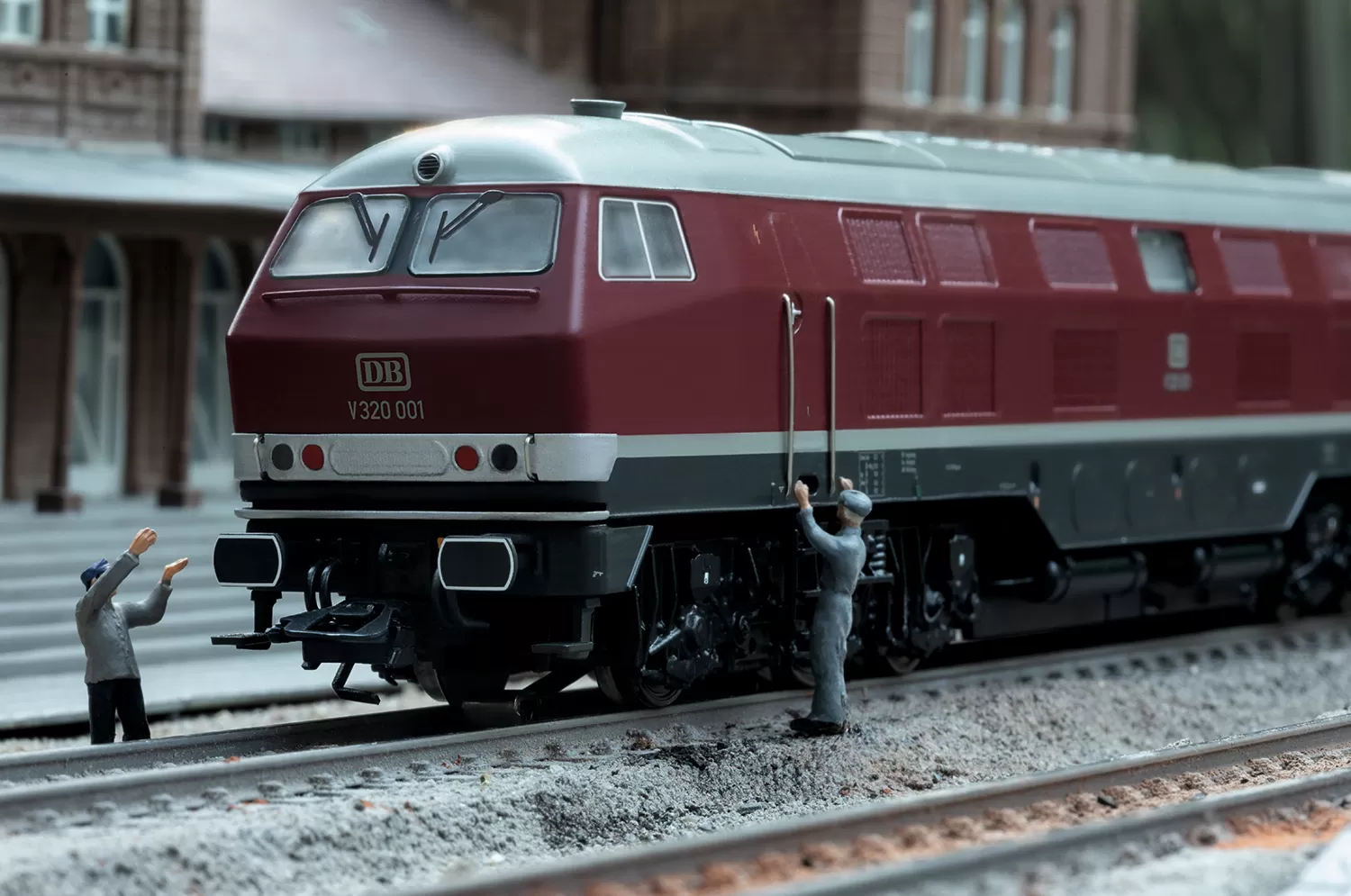
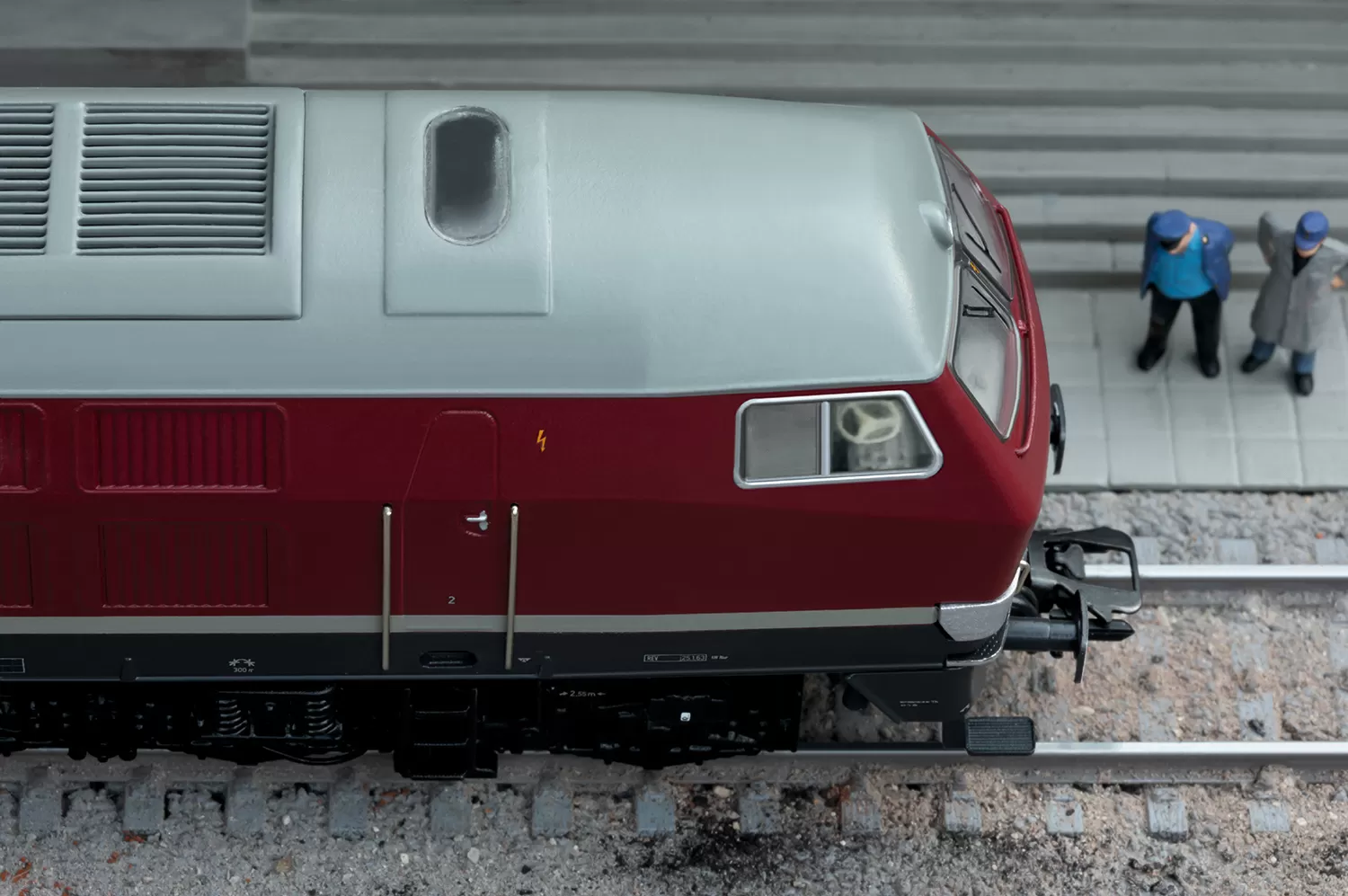
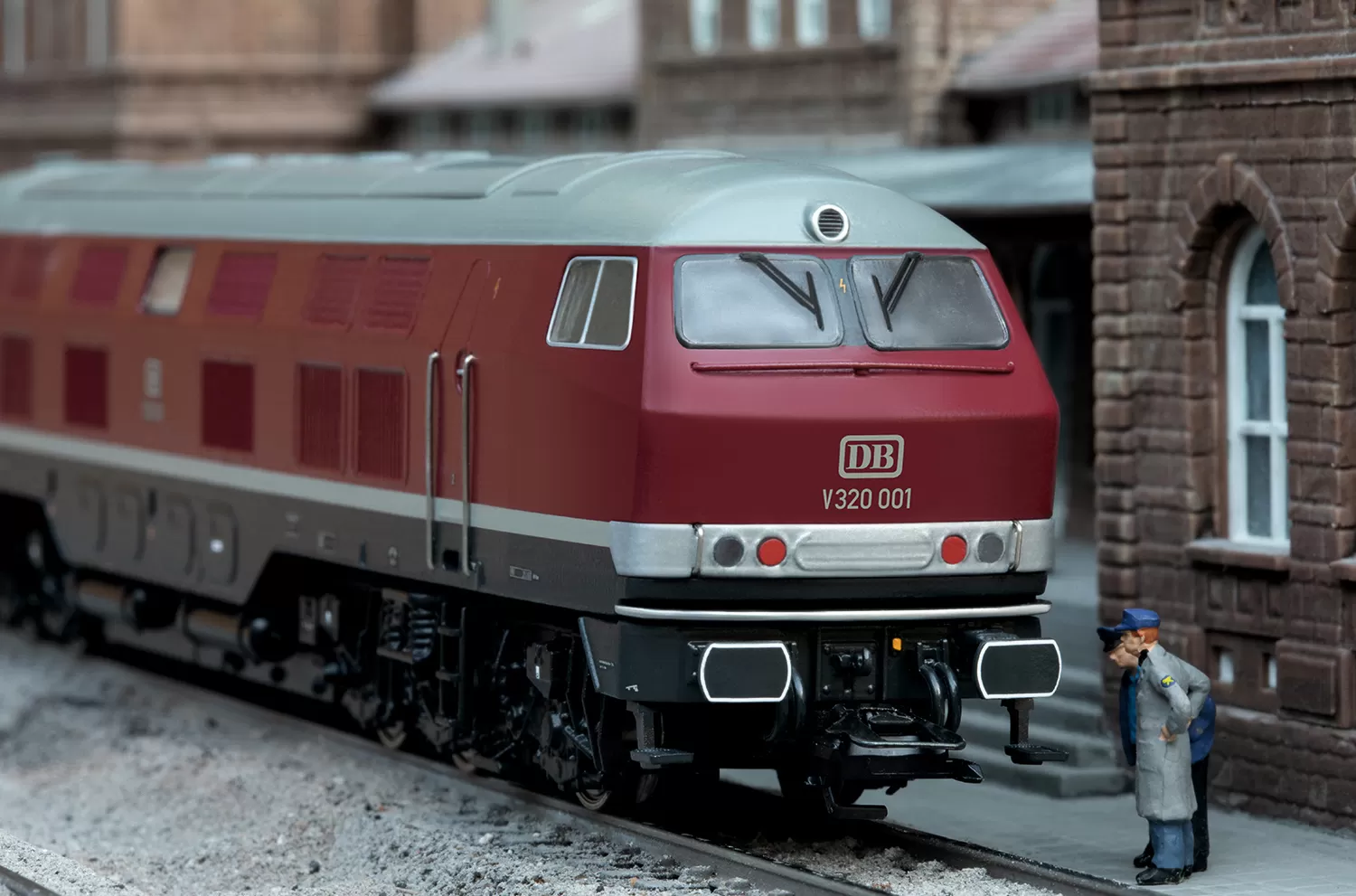
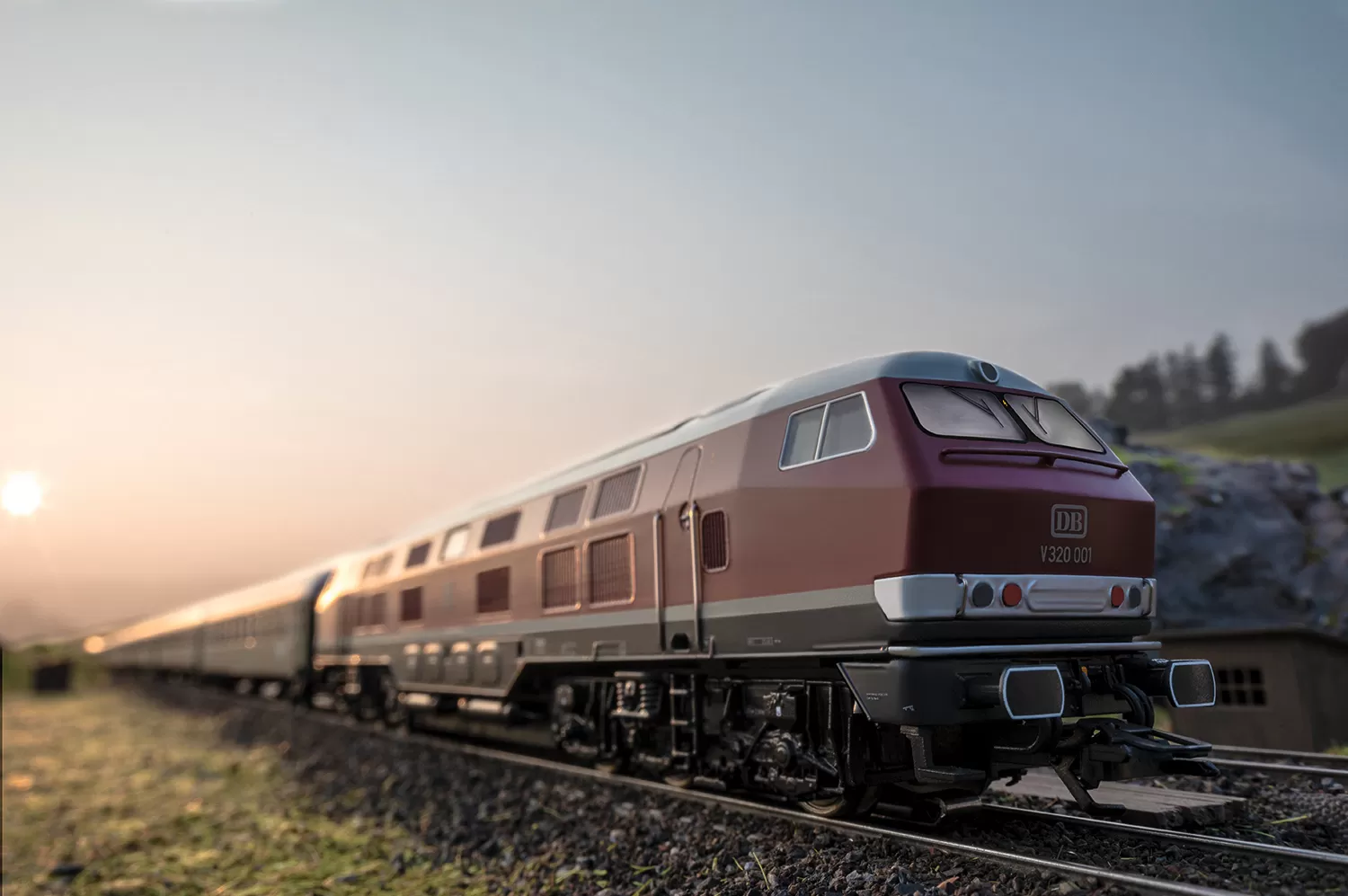
AddPrototype: German Federal Railroad (DB) class V 320 heavy diesel locomotive, for use in high-value passenger service on the Allgäu Line. Based in Kempten. Original version in crimson basic paint scheme. Road number V 320 001. The locomotive looks as it did around 1965.
Highlights:
- Completely new tooling.
- German Federal Railroad's largest and most powerful diesel locomotive.
- Locomotive frame and body constructed mostly of metal.
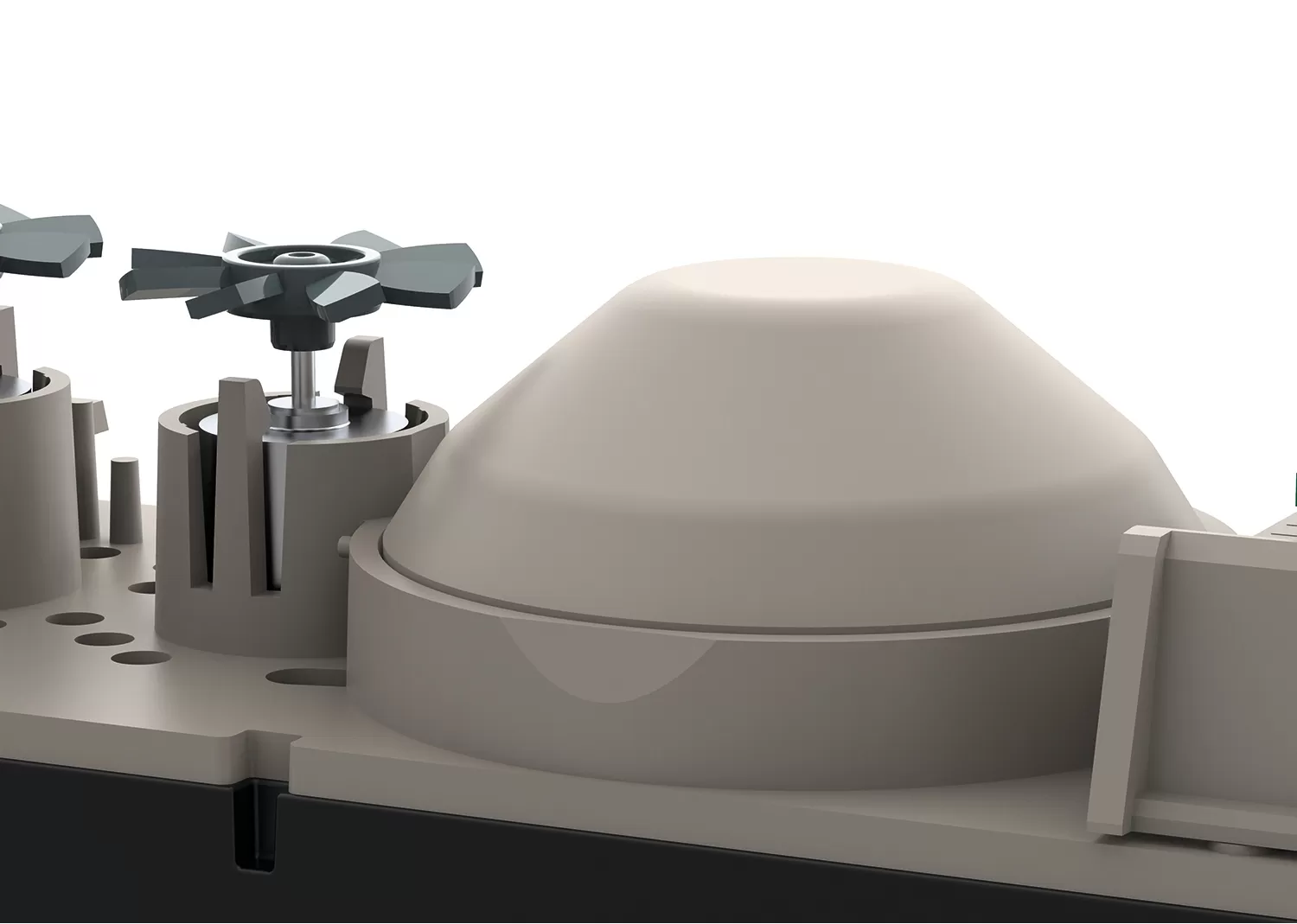
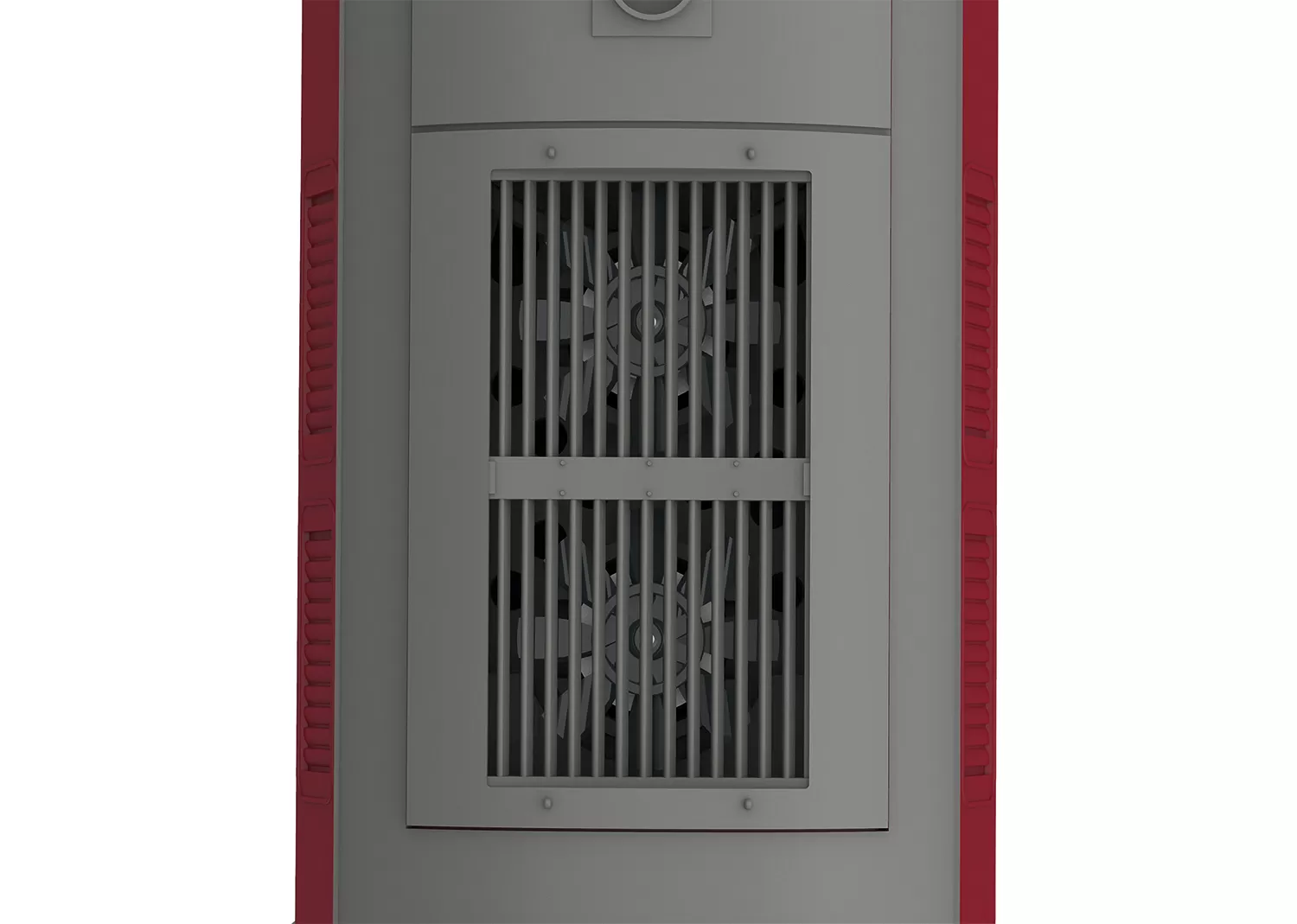
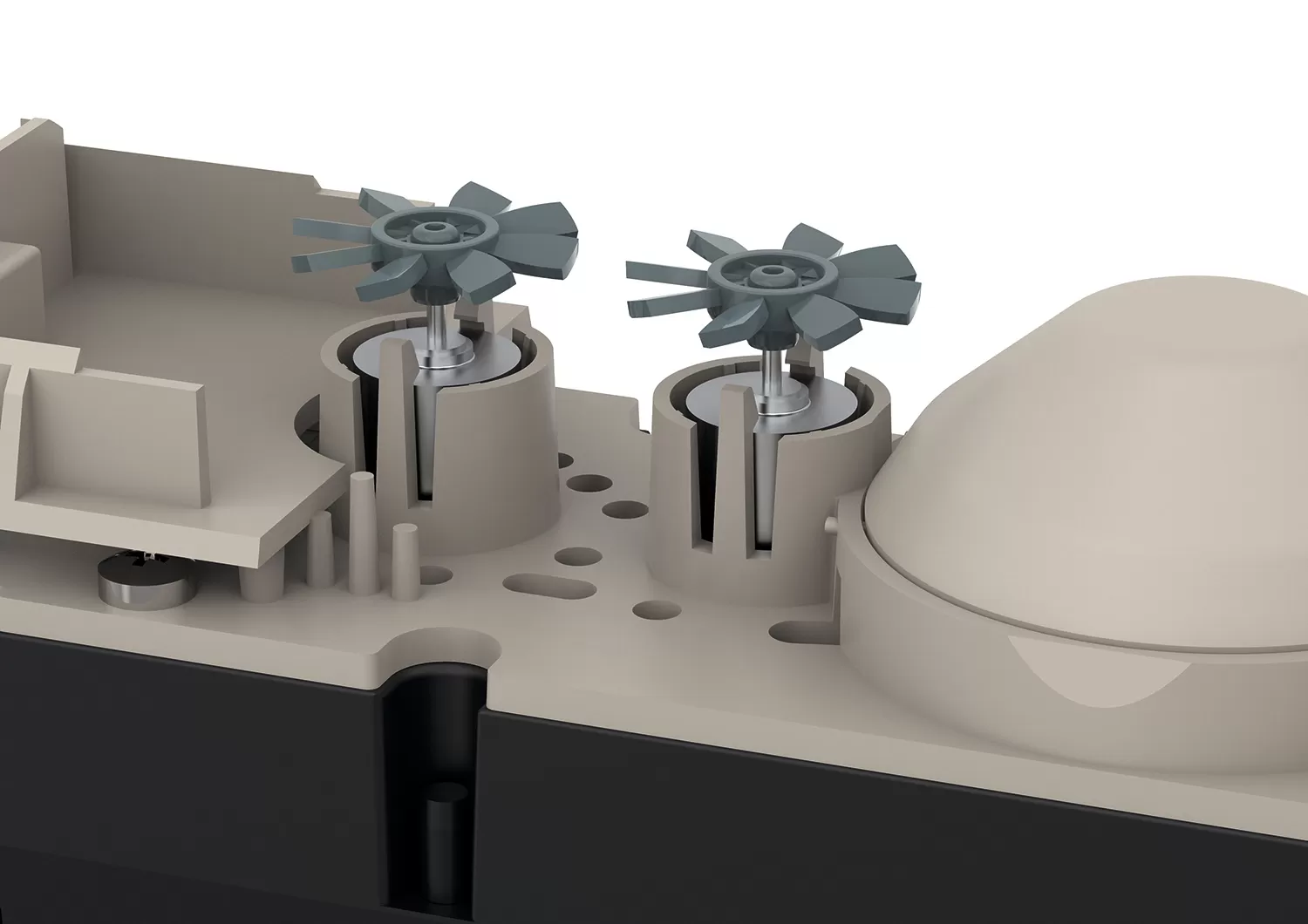
- Spinning ventilation fans controlled digitally in pairs.
- Cab and engine room lighting controlled digitally.
- "World of Operation" mfx+ decoder and extensive light and sound functions included.
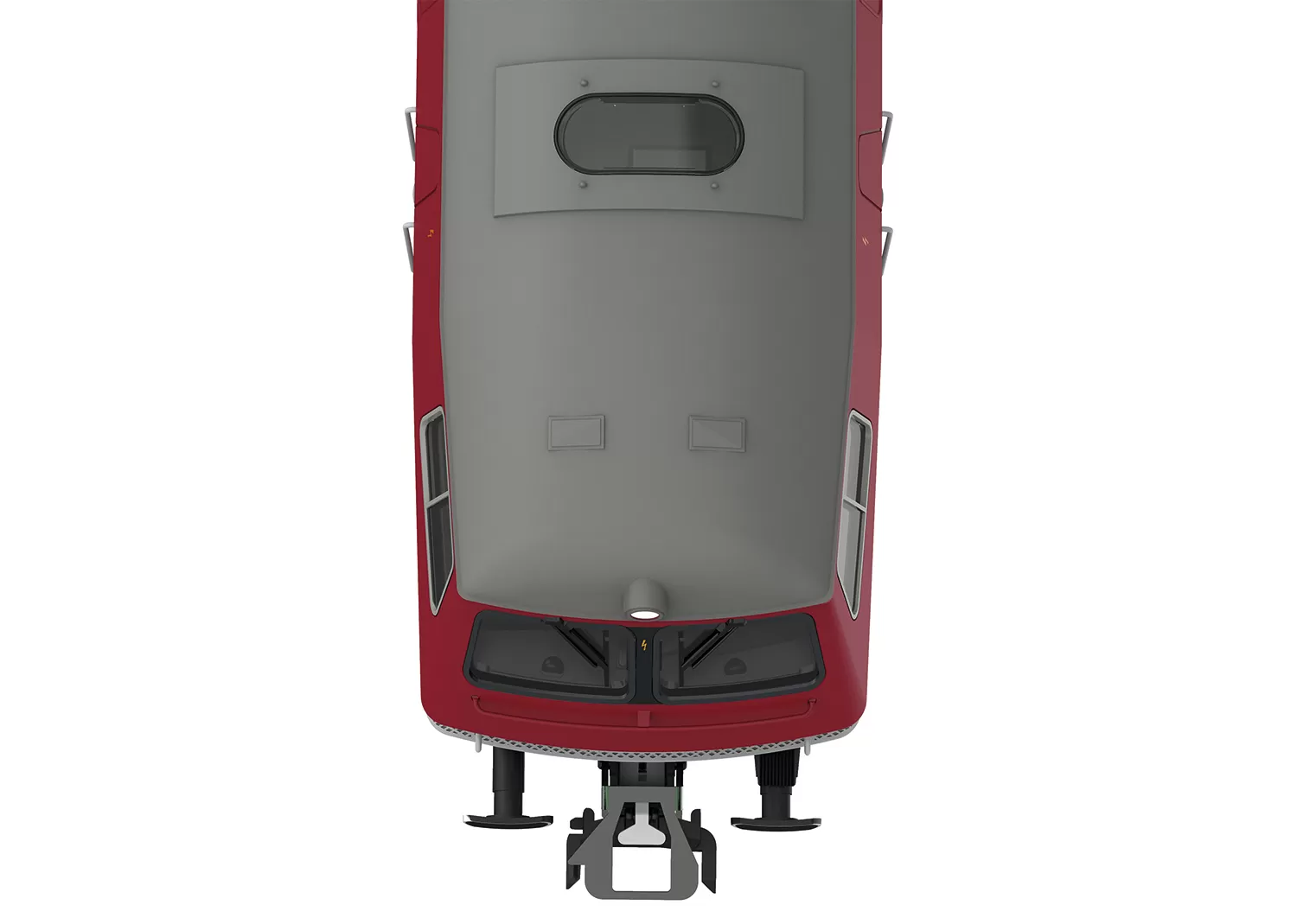
Model: The locomotive has an mfx+ digital decoder and extensive sound and light functions. It also has 2 speakers for optimal locomotive sound reproduction. The locomotive has controlled, high-efficiency propulsion with a flywheel, centrally mounted. Two axles in each truck powered by means of cardan shafts. Traction tires. The triple headlights and dual red marker lights change over with the direction of travel, will work in conventional operation, and can be controlled digitally. The headlights at Locomotive End 2 and 1 can be turned off separately in digital operation. The locomotive has the double "A" light function. The cab and engine room lighting can each be controlled digitally. Maintenance-free warm white and red LEDs are used for the lighting. The locomotive has 4 ventilation fans, each powered by a motor, and controlled digitally in pairs. Different speeds can be set for the ventilation fans. The locomotive has separately applied metal grab irons on the sides and ends. The buffer beams are detailed. Main air lines, heating lines, and brake hoses are included as separately installed parts. Length over the buffers 26.4 cm / 10-3/8"
The class V 320 diesel locomotive is being produced in 2019 in a one-time series only for Insider members.
Prototype information: V 320 001 with D 96 "Isar-Rhône" As early as 1956, the firm Henschel began at its own cost design and construction in cooperation with the DB's central office in Munich of what is still the largest and most powerful diesel hydraulic locomotive in Europe. Henschel was able to reach back to valuable experience with export locomotives in the development of this giant. Apart from that, with road number V 320 001 use was made of the proven technique to install two 1,900 horsepower motors in this big unit from the newly built V 160. However, the three-axle trucks were completely new. In view of the maximum speed of 160 km/h / 100 mph, the wheelsets were given the unusually large diameter of 1,100 mm / 43-5/16". A switching device activated, when the locomotive was stopped, allowed the assignment of the combination of high speed (160 km/h / 100 mph) with lower pulling power (express trains) or low speed (100 km/h / 63 mph) with higher pulling power (freight trains). The modern, angular design of its ends pointed the way for all future DB diesel locomotives. The proud 23 meter / 75 foot 5-1/2 inch length, the fat fuel tanks on the underside of the frame, and an impressive number of adjustable ventilation grills gave it a reptilian elegance behind which the two motor layouts hummed. With its 122 metric tons of iron and steel distributed over six wheelsets, it could definitely be described as a monster – but a really beautiful monster! Due to high capacity utilization at Henschel, road number V 320 001 could not be delivered until 1962. Initially, extended measurement and test runs were done with the unit. Starting in 1963, it went into the DB roster as a lease locomotive and it was initially based at Hamm. In 1965, the class V 320 moved to Kempten and chiefly hauled heavy express trains between Munich and Lindau. There it quickly demonstrated how extremely suitable it was for heavy international express trains and the shop crews were full of praise for its performance reserves. The D 96 "Rhône-Isar" (Munich – Lindau – Zürich – Geneva) with a consist of usually eight cars formed one of its star trains. The DB as well as the SBB ran their latest rolling stock in it. The DB provided three types of the 26.4 meter / 86 foot 7-5/16" cars first bought in 1961/63, namely a type AB4üm-63 (compartment car, 1st/2nd class), two or three type B4üm-63 (compartment car, 2nd class), and a type BRbu4üm-61 half dining car (2nd class). The SBB reciprocated with its Mark I standard design cars (Mk 1) in lightweight steel construction with two type B cars (2nd class), a type A car (1st class), and a type D baggage car. In 1974, the DB ended the lease agreement with the class V 320 (starting in 1968: class 232) and gave it back to the builder. Henschel ran the unit through a major overhaul and sold it in April of 1976 to the Hersfeld County Railroad, where it was used until 1988. After that, the locomotive came to the Teutoburg Forest Railroad (TWE). After its deadline for maintenance came in 1992, it disappeared to Italy to earn its living in construction train service. This appeared to seal the fate of this highly interesting unit, but in 1999 came its spectacular importation back to Germany by the track construction firm WIEBE. After an extensive overhaul and the installation of new motors, it had been running since March of 2000 on German rails again, now designated as road number 320 001-1 (WIEBE 7), until wheelset bearing damage in 2015 ended its use forever. Since 2017, it has enriched the builder's plant in Kassel (now Bombardier) as a showpiece.
Available article numbers:



Class V 320 Diesel Locomotive - Related videos:
Advertising:

The identity card, photos and videos for thousands of railway vehicles all around Europe!
