
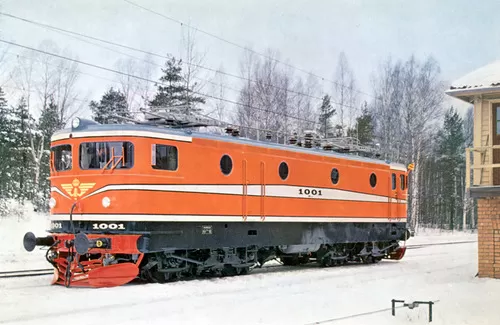
Source: vaunut.org
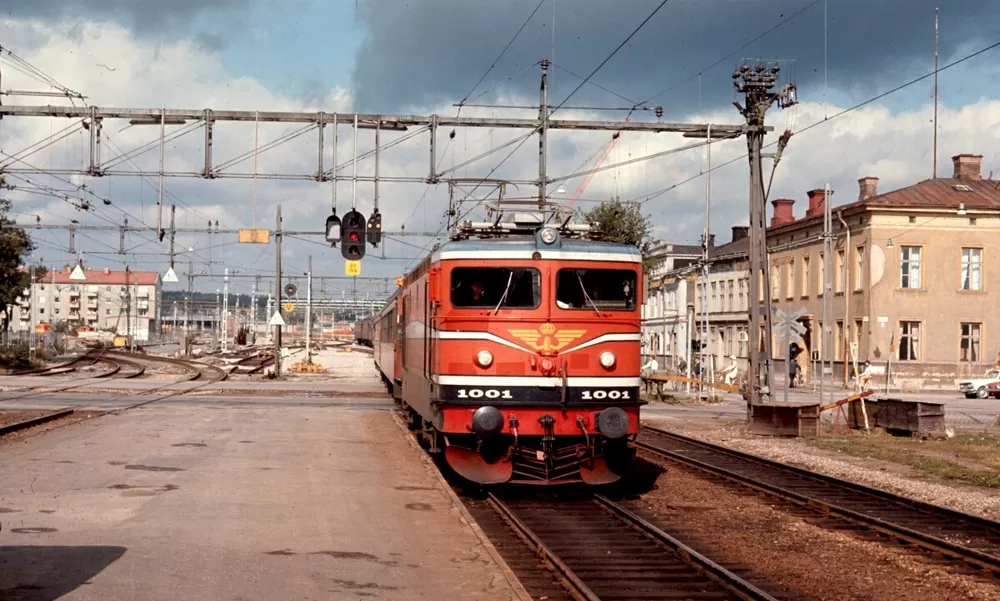
Source: postvagnen.com
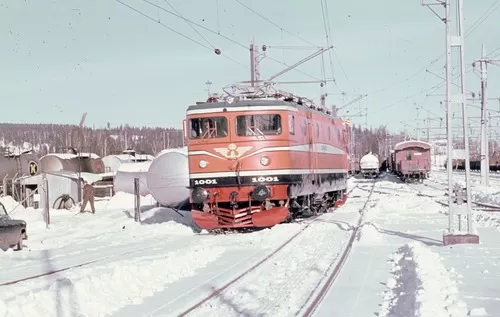
Source: digitaltmuseum.se
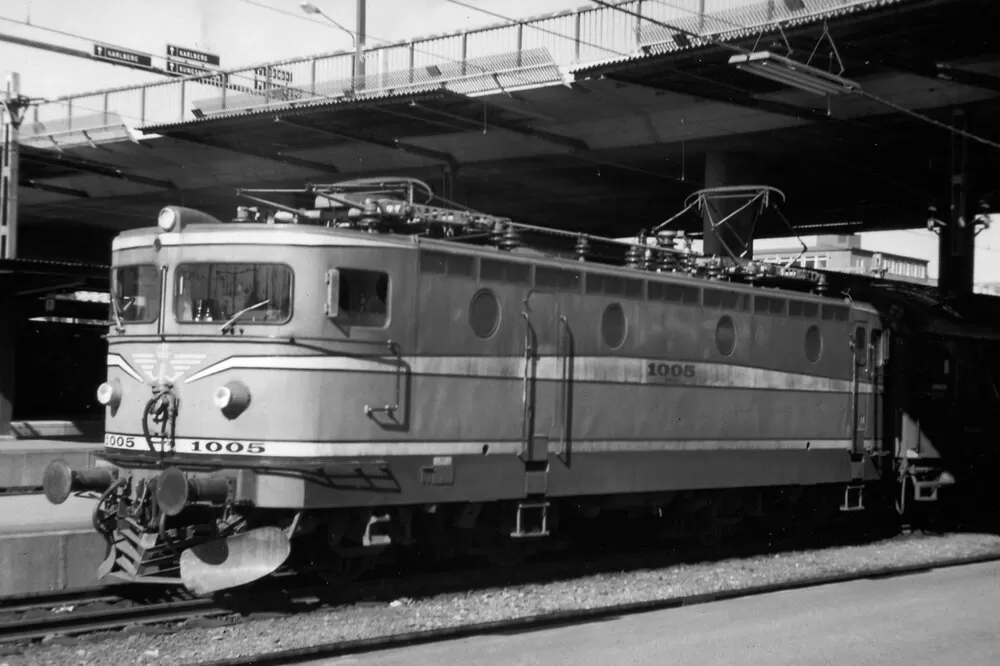
Source: digitaltmuseum.se
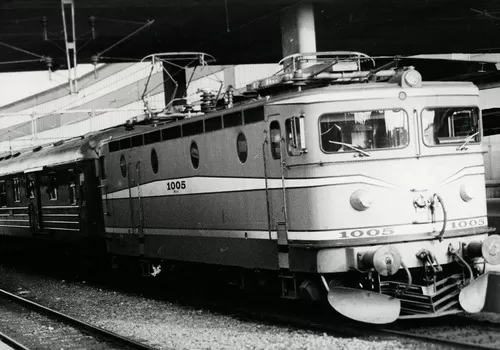
Source: digitaltmuseum.se
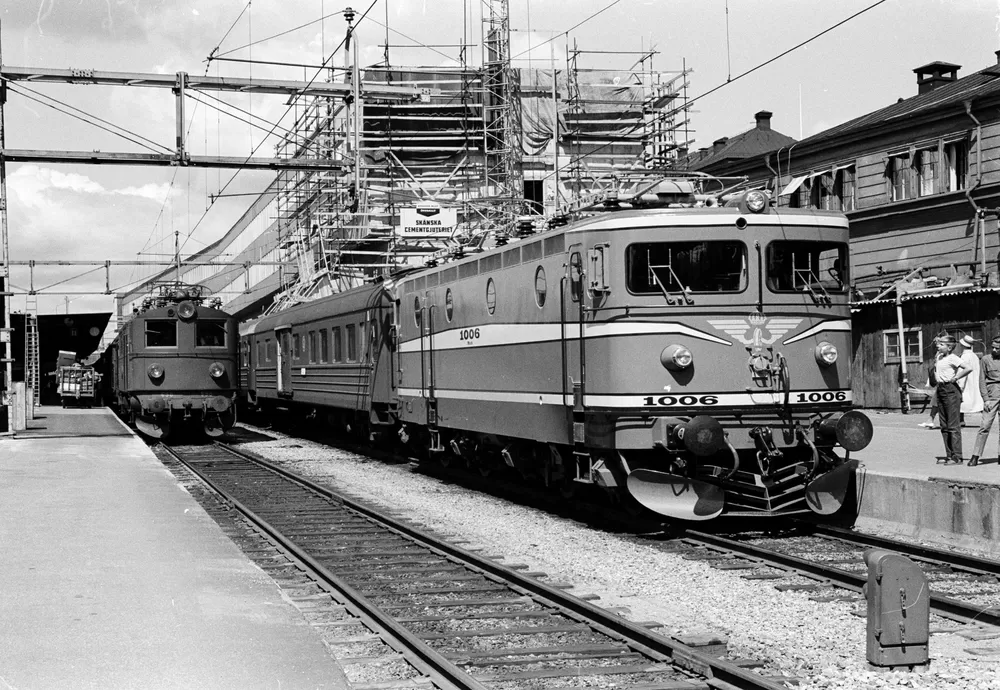
Source: digitaltmuseum.se
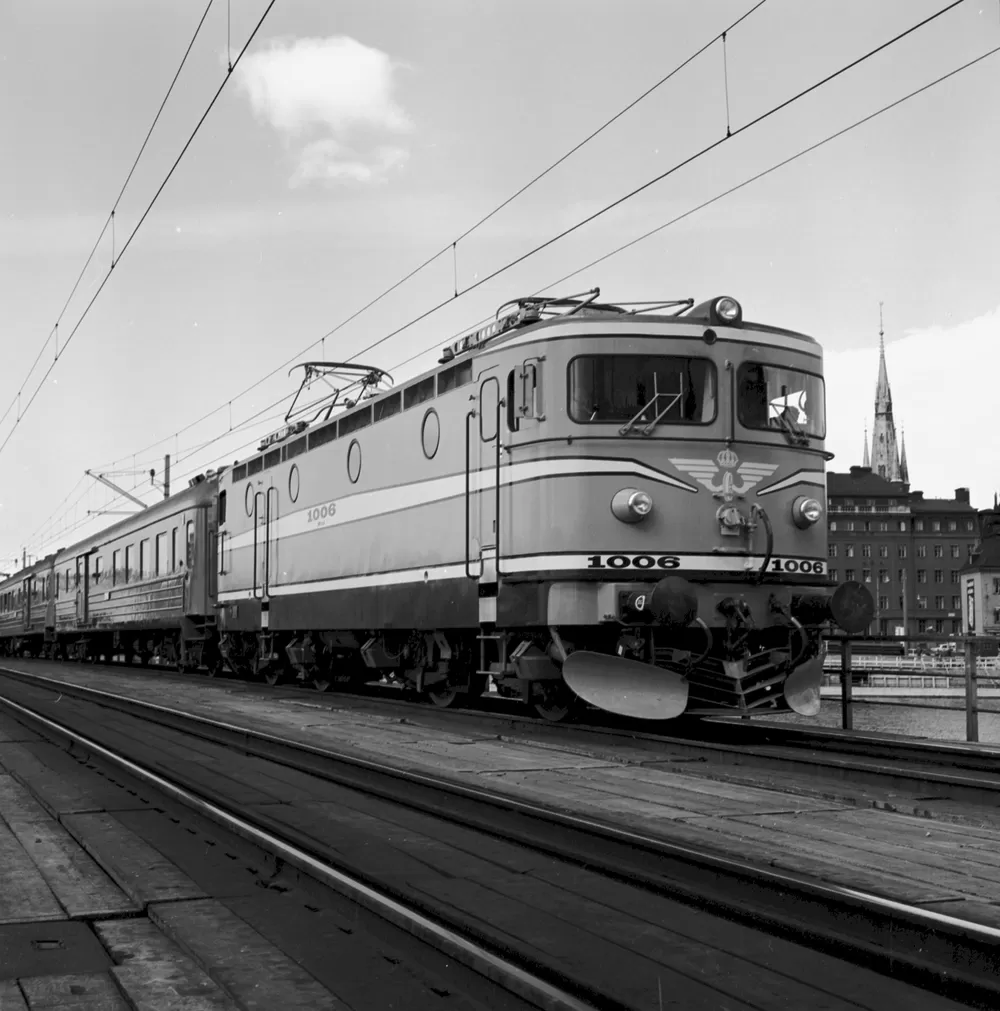
Source: digitaltmuseum.se
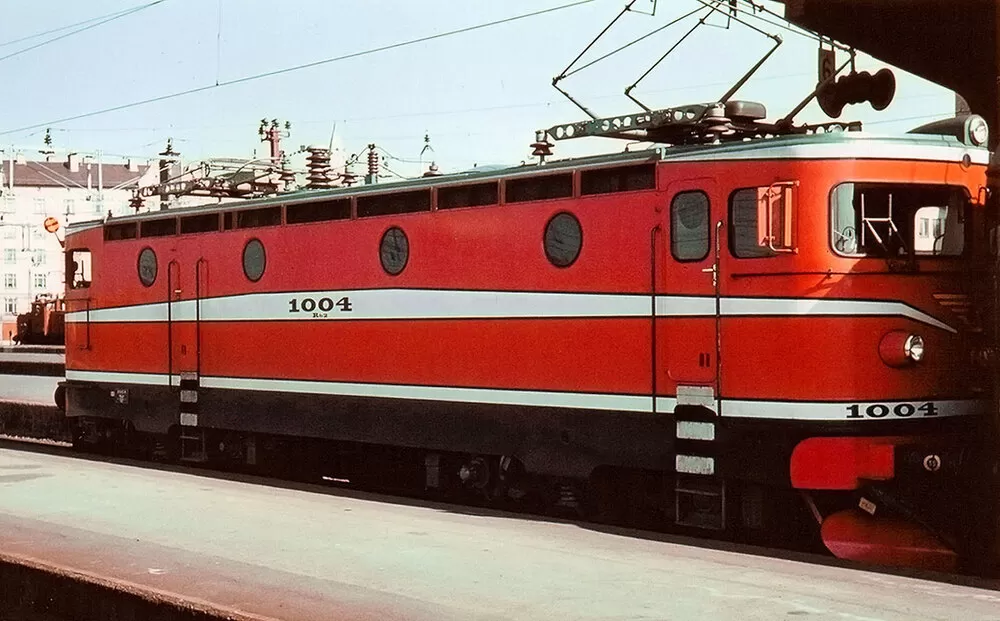
Source: Ingemar Gustafsson - jarnvag.net
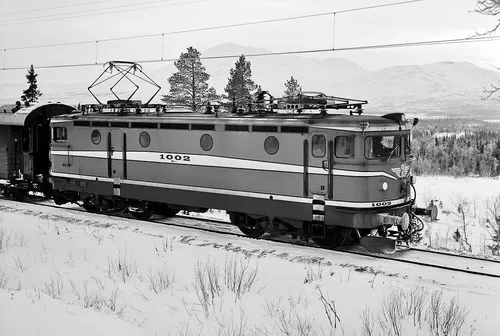
Source: jarnvag.net
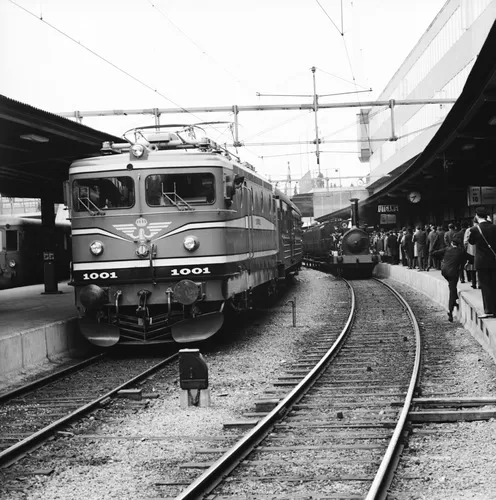
Source: digitaltmuseum.se
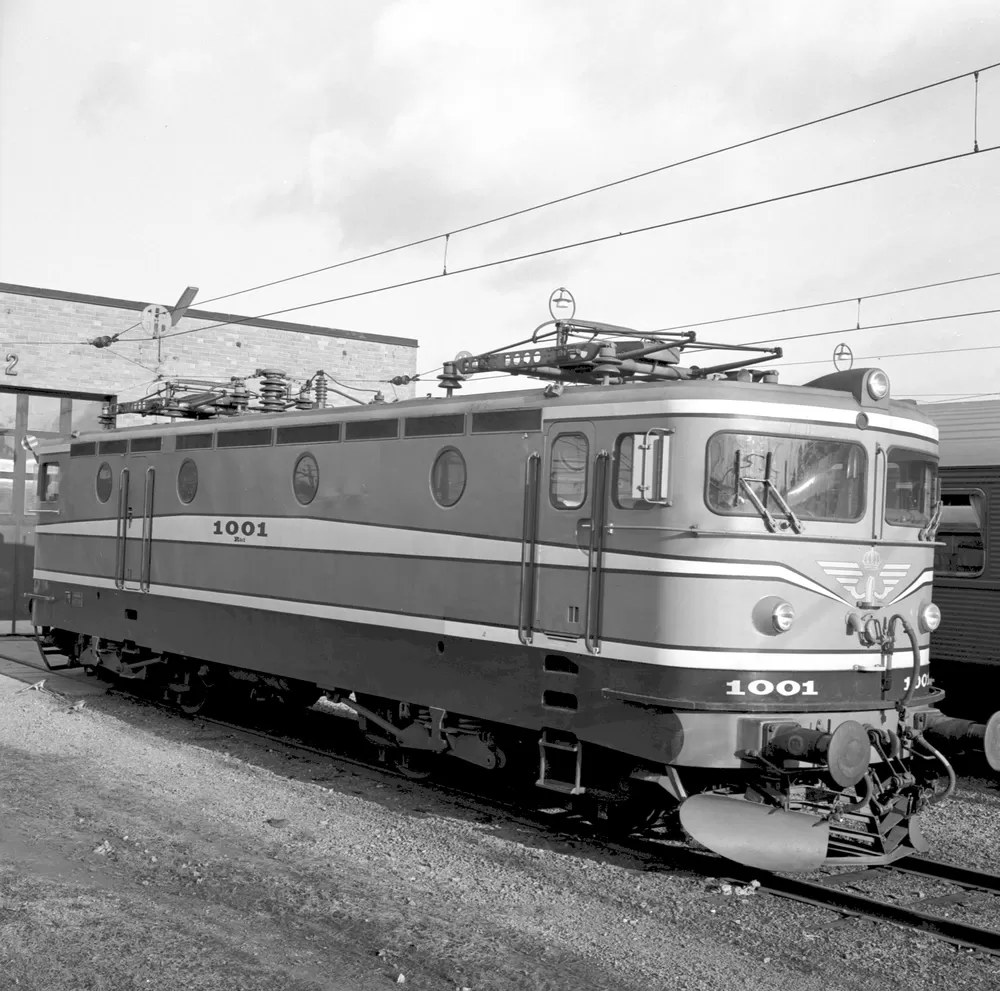
Source: digitaltmuseum.se
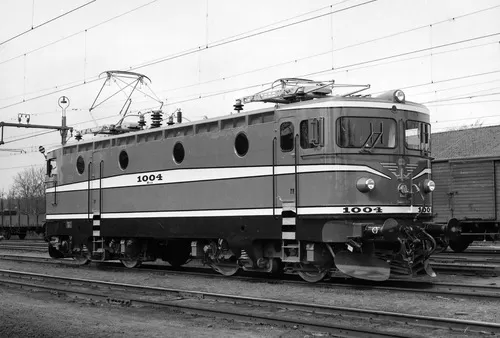
Source: digitaltmuseum.se
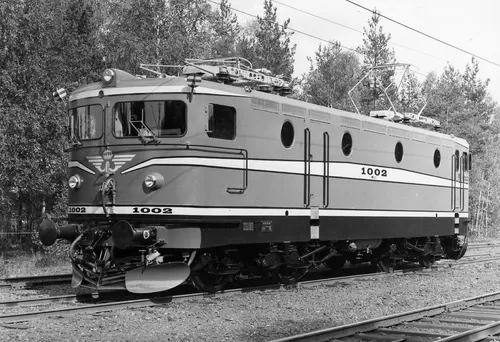
Source: digitaltmuseum.se
Also known as: Rb1 / Rb2 / Rb3 / Rb1T
Vehicle type: Electric locomotive
Registration country: Sweden
Railway companies: SJ - Statens Järnvägar
1950s
Development of the Rb
1962
Testing and international development
Rb1 1001 & 1002;
Rb2 1003 & 1004;
Rb3 1005 & 1006.
All were four-axle Bo′Bo′ locomotives with a maximum speed of 120 km/h, but their construction differed deliberately to allow SJ and ASEA to compare alternative solutions in service.
The most significant version was the Rb1, mechanically built by ASJ and equipped by ASEA. It used silicon rectifiers to convert the transformer’s AC output into direct current for DC series traction motors. The Rb2, mechanically built by NOHAB, and Rb3, built by Motala Verkstad, retained more conventional AC traction equipment and were primarily used to evaluate alternative mechanical arrangements.
The Rb locomotives entered regular SJ service while simultaneously serving as experimental machines. They worked both passenger and freight trains, providing ASEA with practical experience that could be applied to a new generation of electric locomotives.
These units are planned for export right from the start, the locomotive body received the narrower international profile of 3'100 mm.
The Rb1 was particularly important for ASEA’s export ambitions. Its transformer-rectifier-DC motor concept could be adapted relatively easily from Sweden’s 15 kV 16⅔ Hz electrification to the 25 kV 50 Hz system increasingly adopted by railways elsewhere in Europe.
This capability became important when ASEA participated in locomotive trials in Romania in 1963, associated with CFR’s electrification of the difficult Brașov - Predeal route. The Swedish technology contributed to the development of the six-axle CFR 060-EA, initially built in Sweden and subsequently produced under licence by Electroputere in Craiova.
The same broader ASEA export-locomotive technology would also influence the development of Class 441 locomotives for Yugoslavia.
Sources: https://de.wikipedia.org/wiki/SJ_Rb
1965
Rb1T and the birth of the Rc
The trials demonstrated the advantages of thyristor control and provided the technological basis for a new standardized SJ locomotive. This resulted in the Rc1, which entered service in 1967 and subsequently developed into the large Rc family.
1974
Final years
Their small number and non-standard construction eventually made continued operation increasingly impractical compared with the standardized Rc fleet. The Rb locomotives were therefore withdrawn between 1974 and 1976, ending a relatively short operational career.
Do you have additional informations regarding this vehicle?
Help us writing the history of Rb! Your knowledge is precious for us and the entire community, do not hesitate to share your facts, photos or videos:
Latest update on the 19th of September 2026 at 13:46
Contributor(s): Tudor C.
Advertising:

The identity card, photos and videos for thousands of railway vehicles all around Europe!
