
Vehicle type: Electric locomotive
Registration country: Italy
Railway companies: FS - Ferrovie dello Stato Italiane
*E.444.001 - 004
83 t*
*E.444.005 - E.444.117
*E.444.001 - 004
4'272 kW*
*E.444.005 - E.444.117
*E.444.001 - 004
201 kN*
*E.444.005 - E.444.117
*E.444.001 - 004
200 km/h*
*E.444.005 - E.444.117
1960s
In the early 1960s, Ferrovie dello Stato (FS) sought to modernize its fleet to compete with the rising popularity of air travel and the emergence of high-speed rail in Japan and France. The E.444 was designed to be a powerful, fast Bo-Bo locomotive.
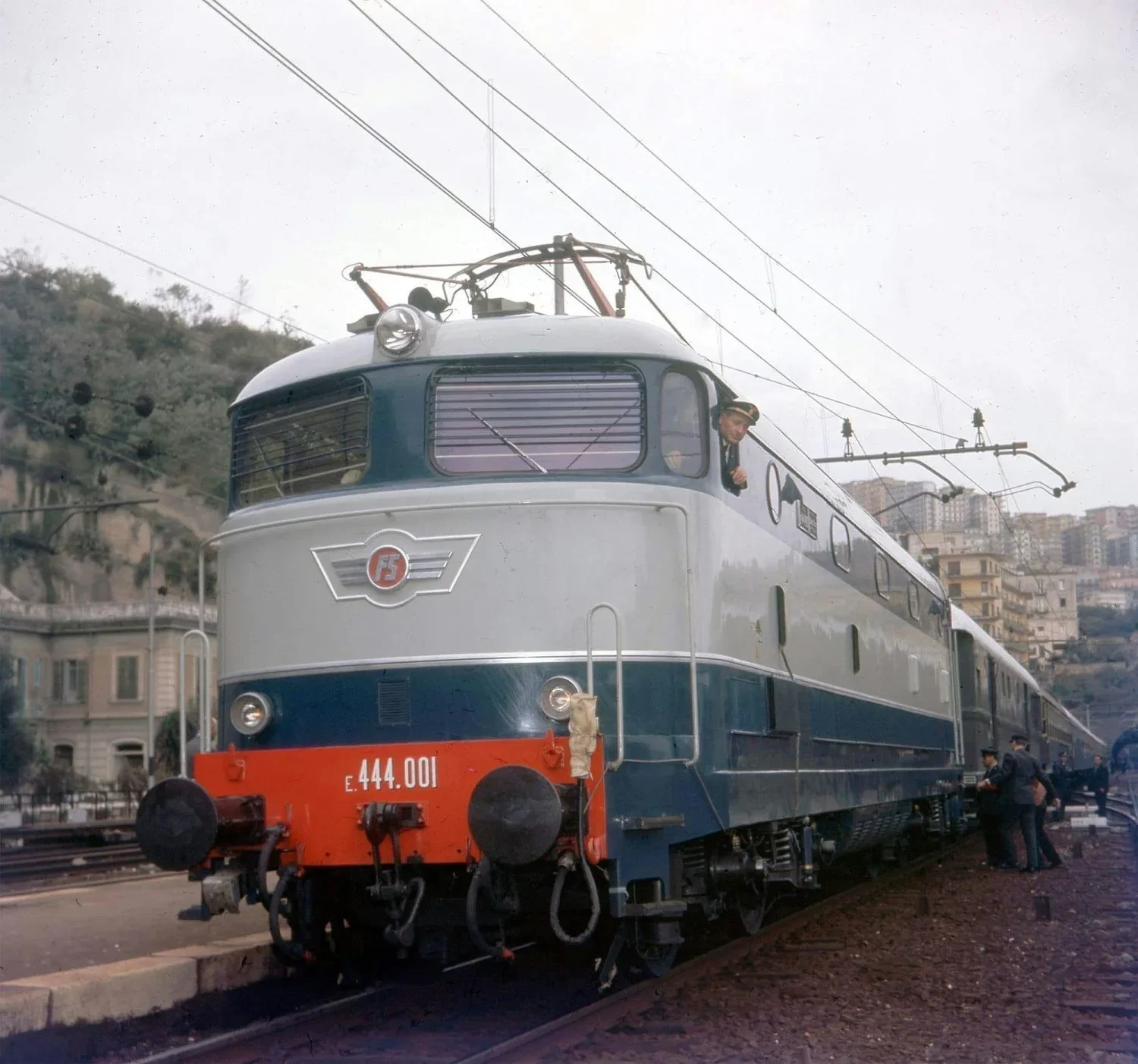
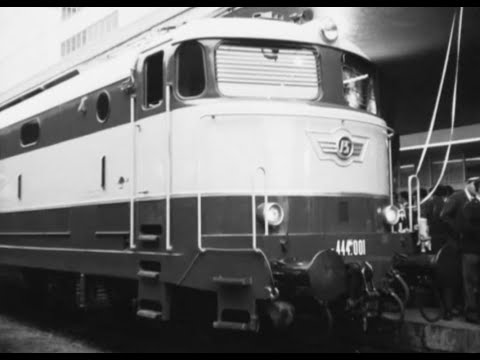
Four prototypes - E.444.001 - 004 - were built by Savigliano and delivered between 1967 and 1968.
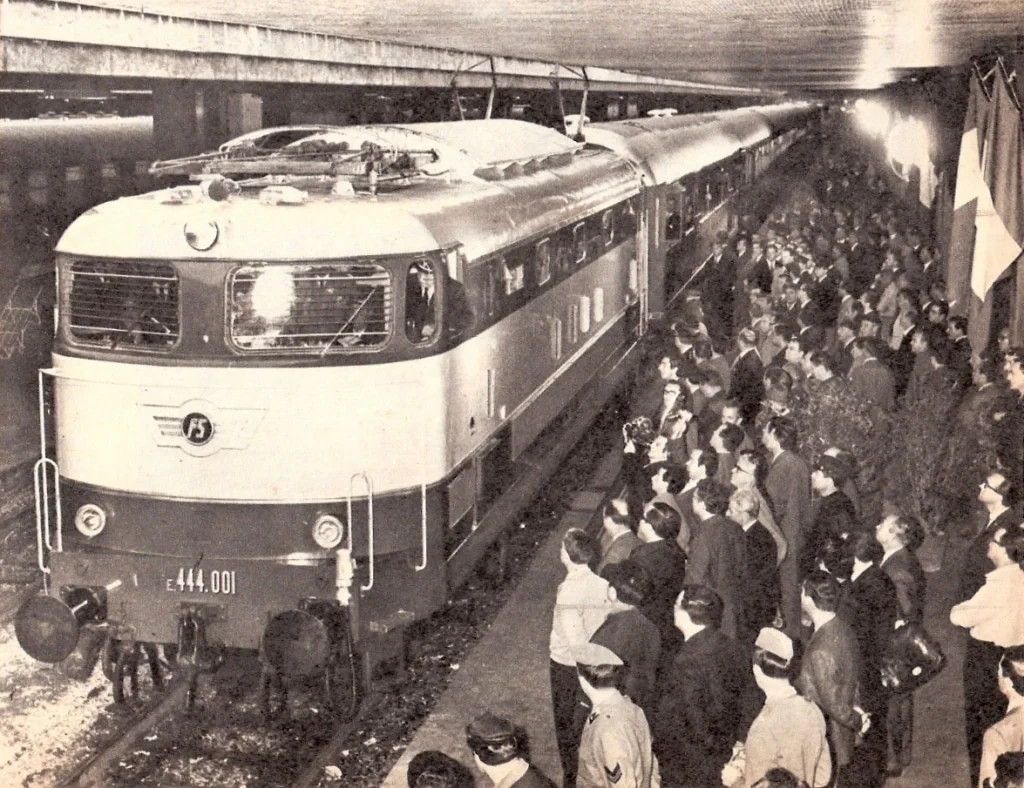
On November 8th, 1967, the E.444.001 made its inaugural trip between Rome and Naples, reaching speeds of over 200 km/h with high-ranking officials on board.
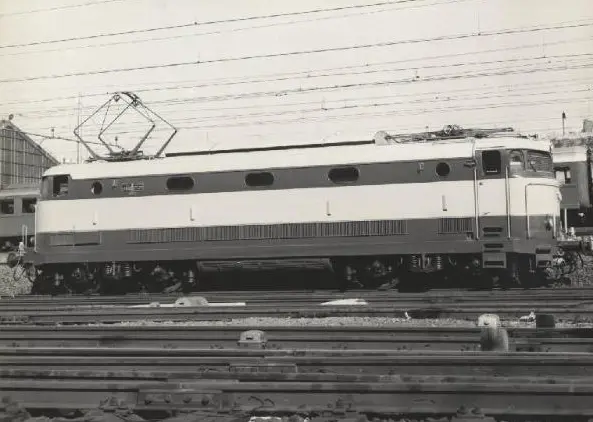
These prototypes had a rounded, slightly bulbous front and were initially limited to 180 km/h due to bogie constraints. However, they proved that the Italian industry could produce a locomotive capable of sustained high-speed service.
1970
Power Upgrade: The introduction of the T750 motors increased power to 4,200 kW (5,600 hp).
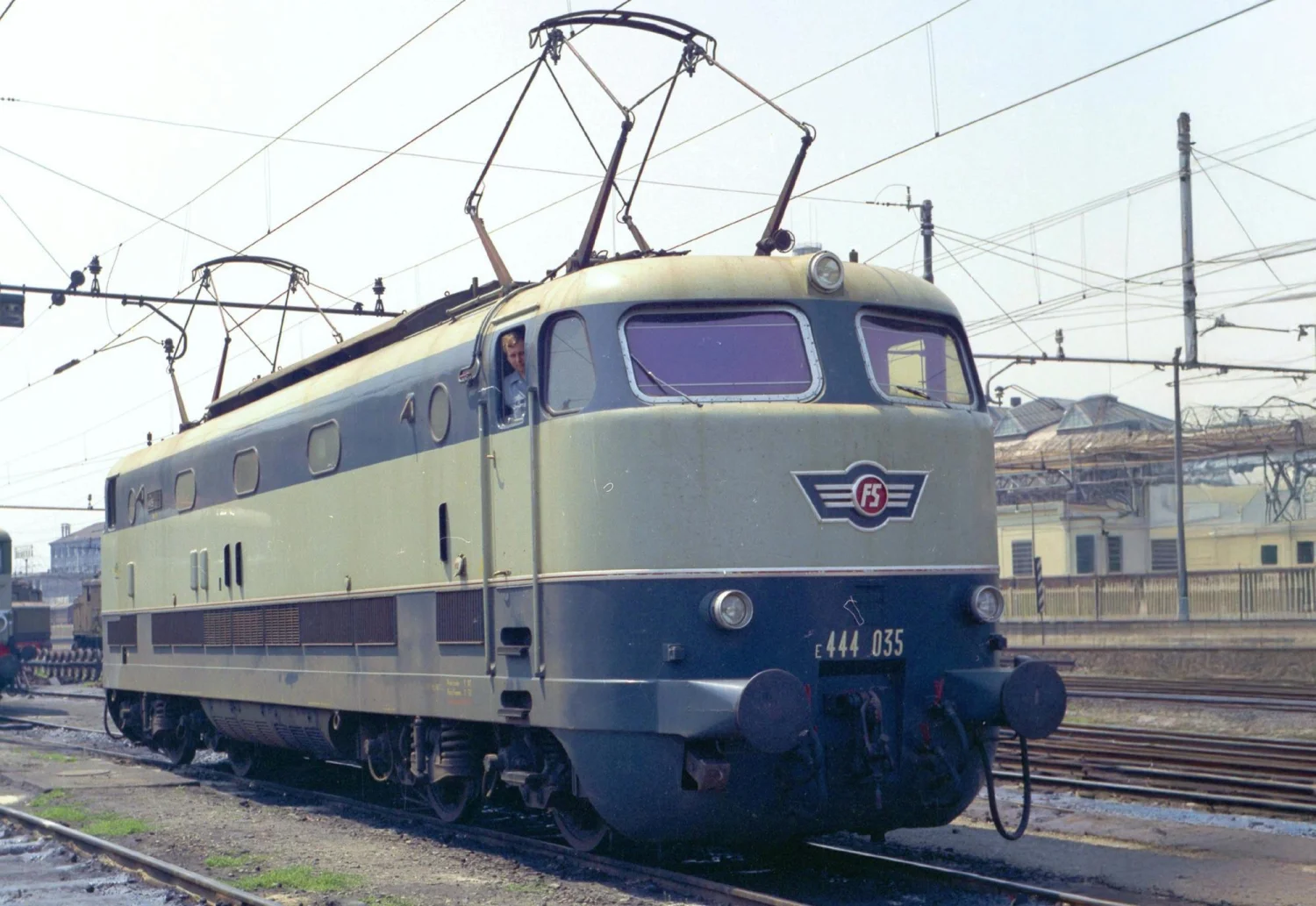
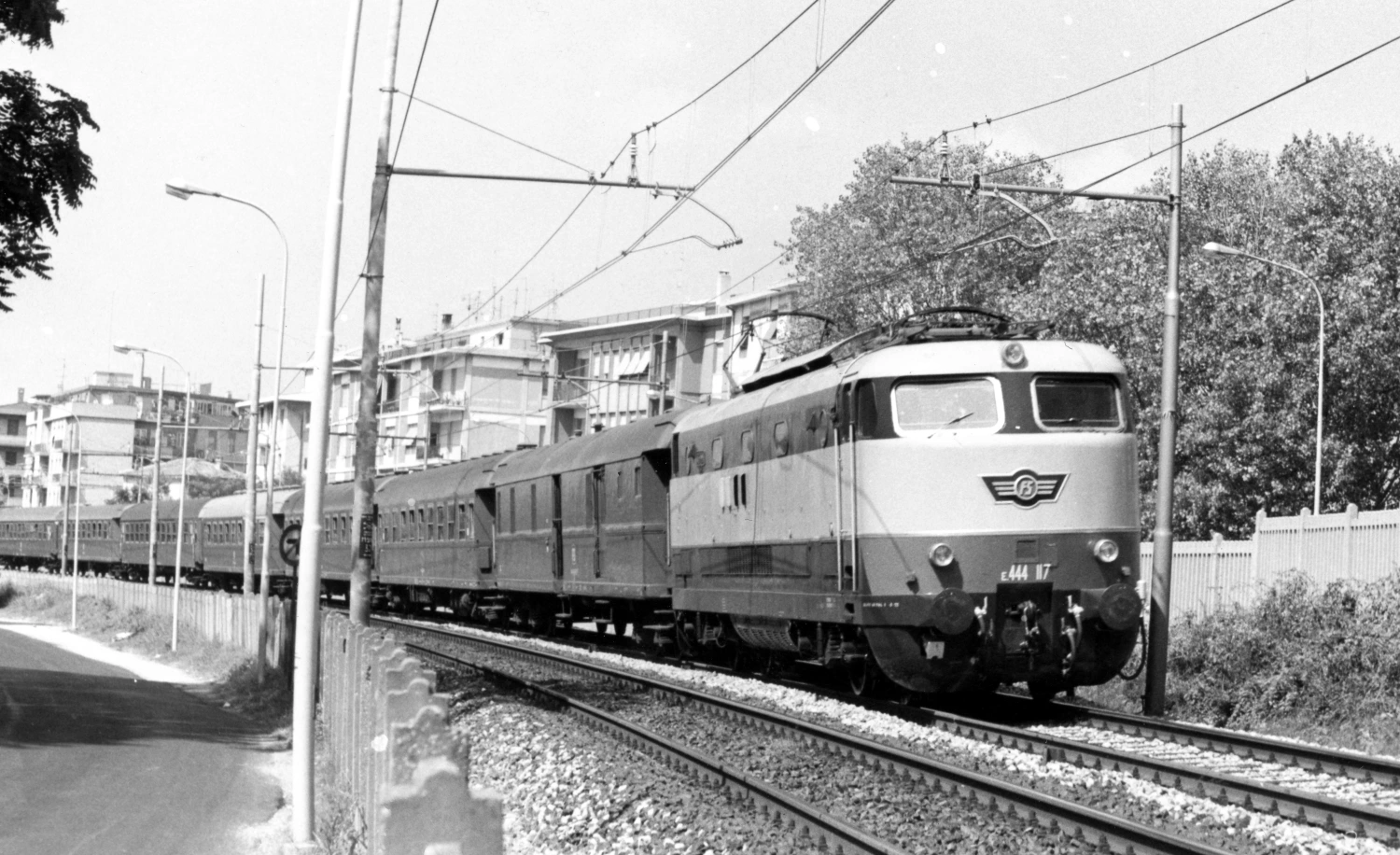
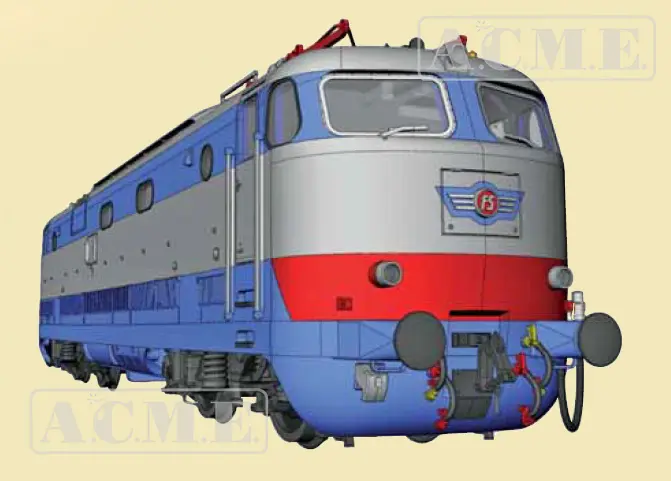
Aerodynamics: The cab front was redesigned to be more aerodynamic and elegant, a look that inspired the German DB Class 103.
The locomotive was famously nicknamed "Tartaruga" (Tortoise). This was the result of a naming competition, and a cartoon of a speeding tortoise was applied to the sides of the cabs, symbolizing the irony of a "slow" animal traveling at record speeds.
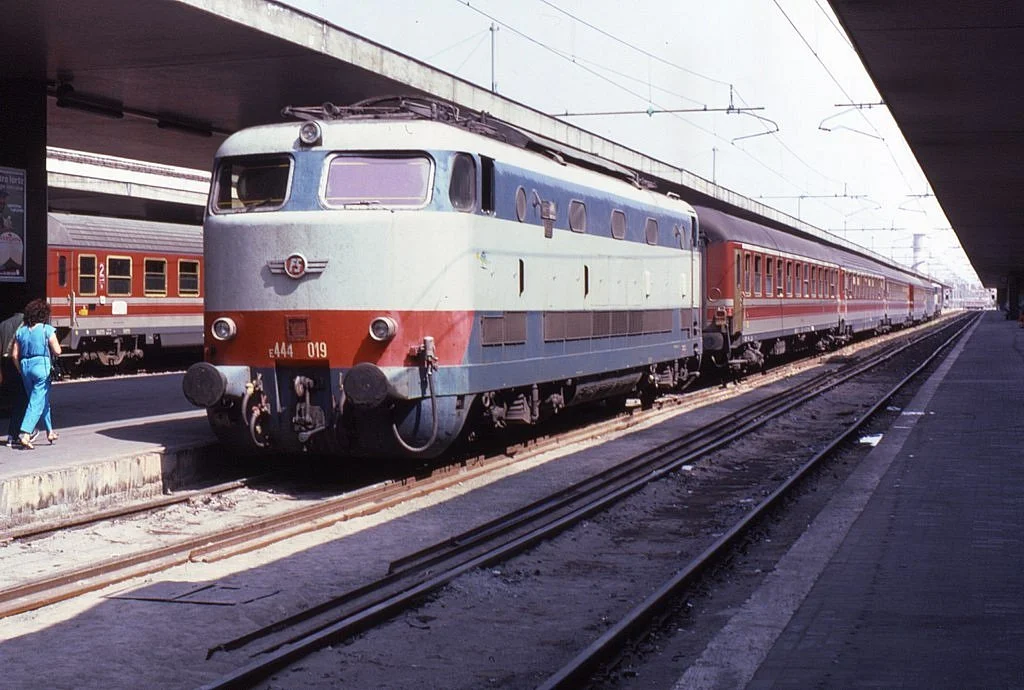
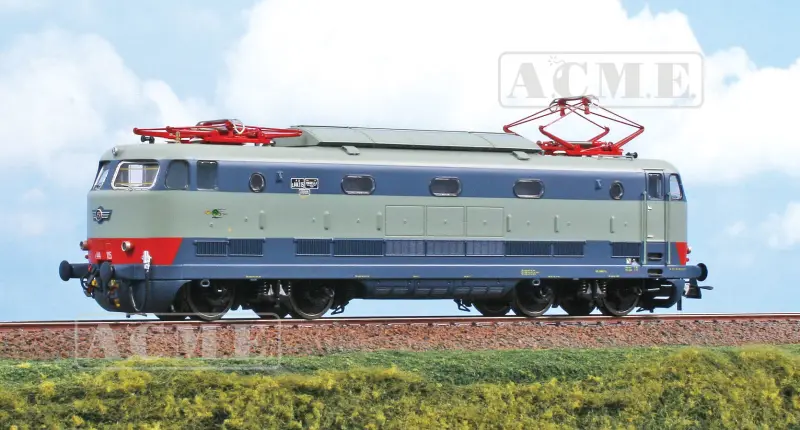
They originally wore a distinctive livery of pearl grey with two blue horizontal stripes.
The E.444 served as a "laboratory" for many Italian rail technologies:
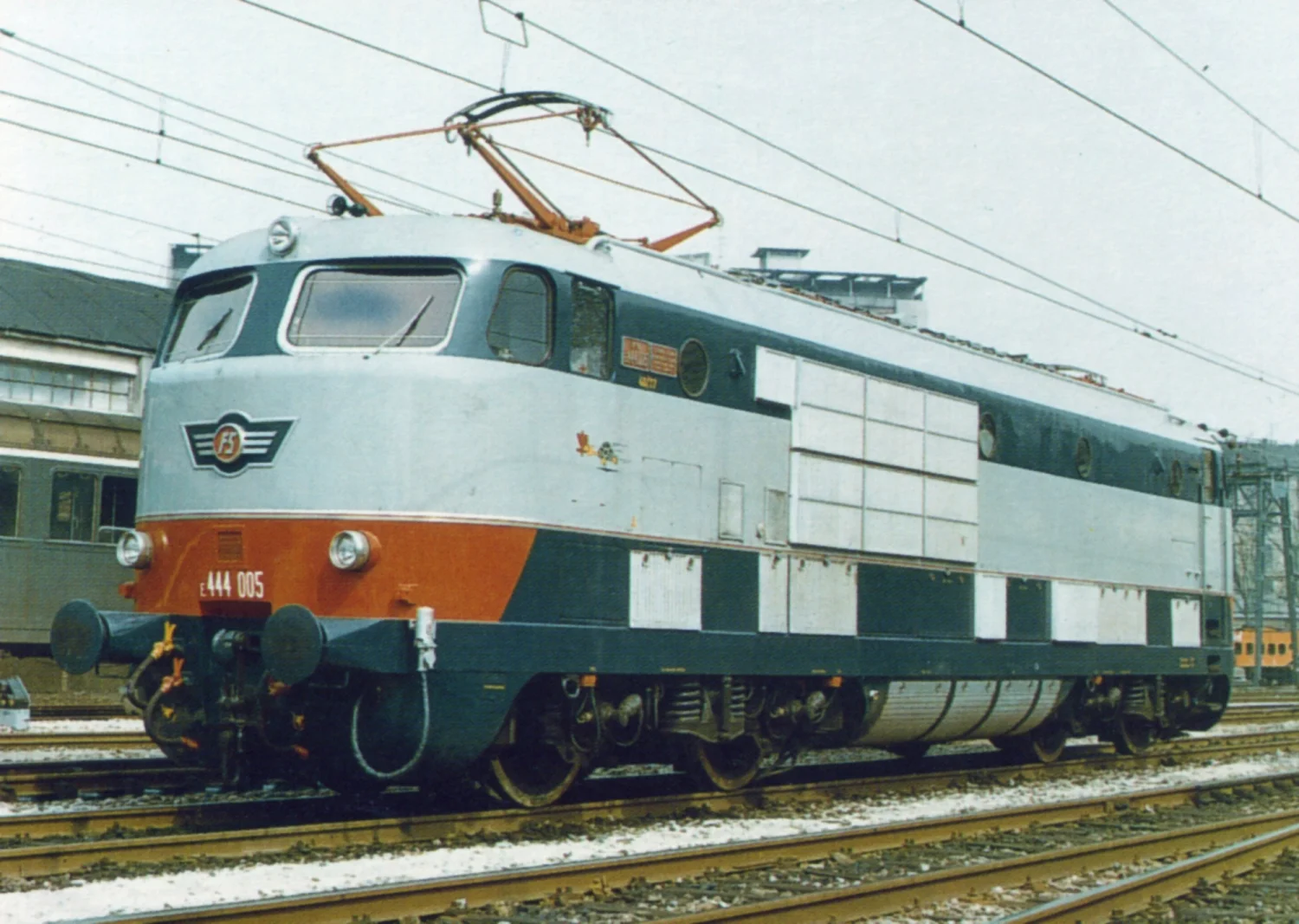
Electronic Choppers: Unit E.444.005 became the first Italian "electronic" locomotive in 1975, testing a "full chopper" system that increased peak power to 5,000 kW. Units 056 and 057 tested "shunt choppers."
The E.447: To better handle sustained 200 km/h speeds on the new Direttissima (high-speed line) between Rome and Florence, 18 units were modified with a different gear ratio and reclassified as E.447. While they performed well at high speeds, their tractive effort at lower speeds was reduced, and they were eventually reverted during the modernization program.
1989
All 113 series units underwent a major overhaul (revamping) at the Foligno workshops. They were re-names E.444R (R for "Riqualificazione").
The most striking change was the replacement of the elegant, rounded "Tartaruga" nose with a more angular, squared-off fiberglass front. This improved ergonomics and noise insulation but was often derisively called "Ribollita" (Reheated Soup) by rail workers who missed the original design.
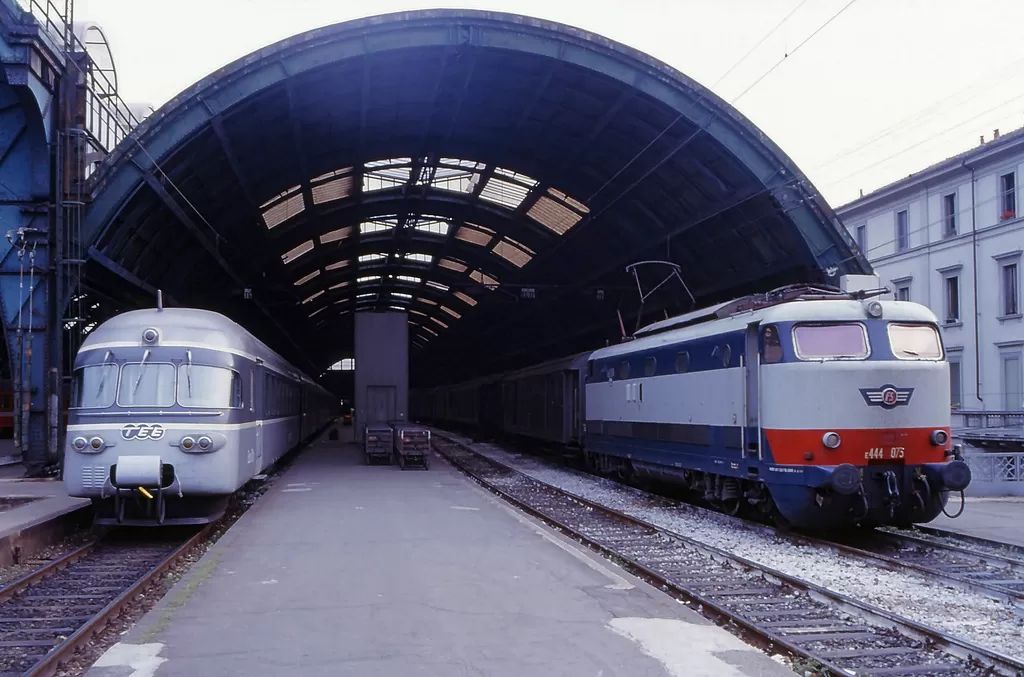
The E.444R transitioned from the original grey/red livery to the green/white XMPR livery in the late 90s, and later some units wore the ESCI (Eurostar City Italia) colors.
Do you have additional informations regarding this vehicle?
Help us writing the history of E.444 "Tartaruga"! Your knowledge is precious for us and the entire community, do not hesitate to share your facts, photos or videos:
Latest update on the 14th of January 2026 at 12:25
Contributor(s): Tudor C.
Advertising:
E.444 (Tartaruga) - Related videos:
E.444 "Tartaruga" - Associated miniature models:

FS - E.444.032 electric locomotive
Recommended retail price: from 194,90 €
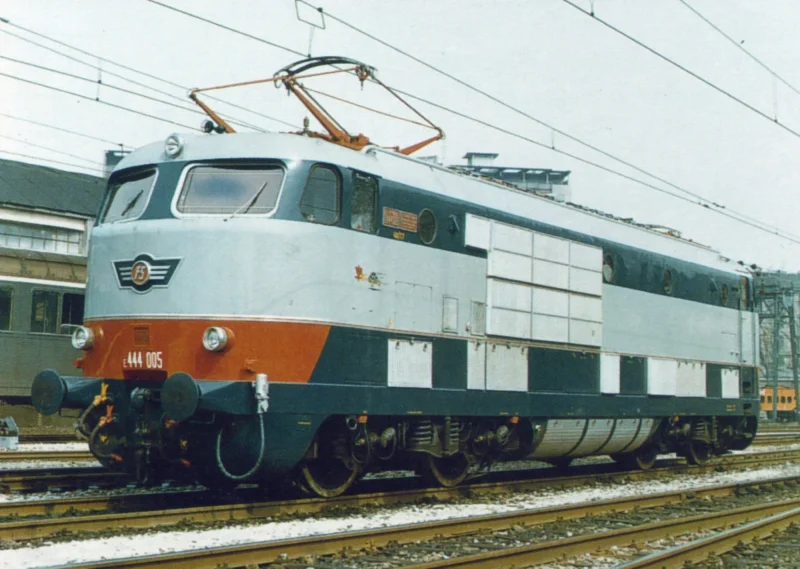
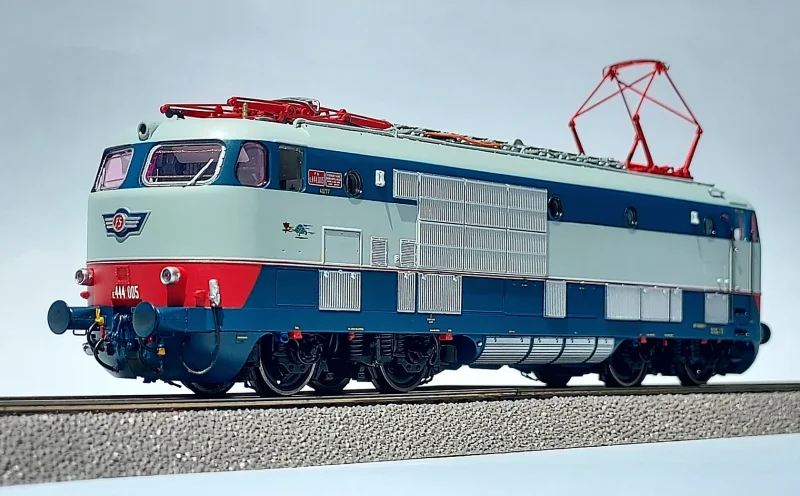
FS - E.444.005 electric locomotive - experimental prototype with electronic equipment and additional grilles
Recommended retail price: from 359,00 €
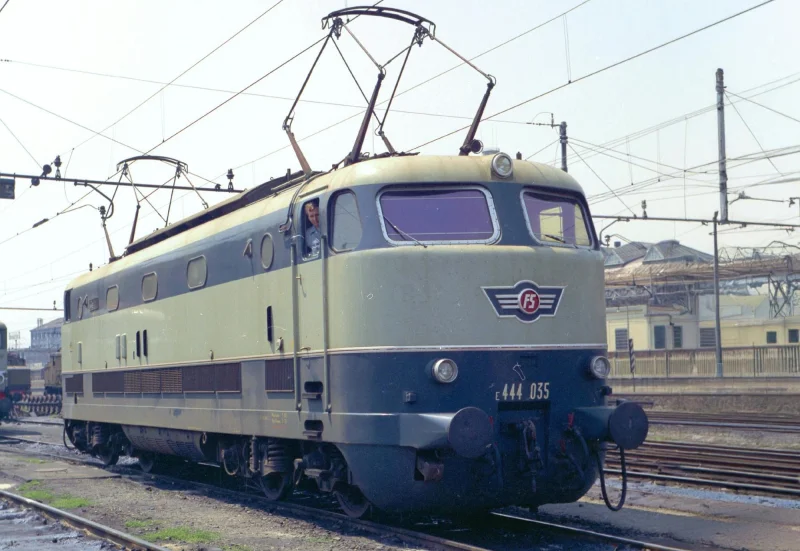
FS - E.444.035 electric locomotive
Recommended retail price: from 359,00 €
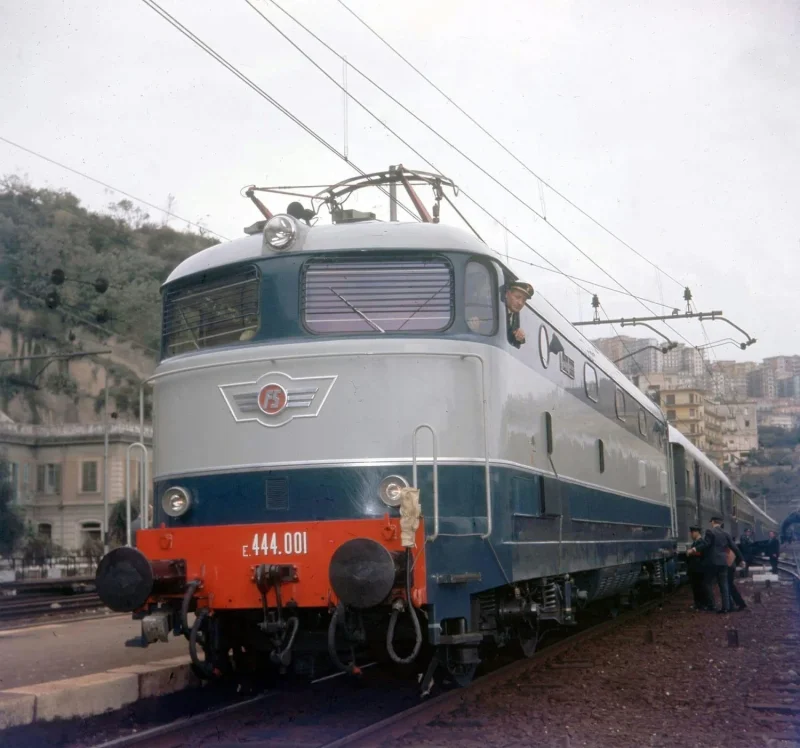
FS - E.444.001 electric locomotive
Recommended retail price: from 379,90 €
Advertising:

The identity card, photos and videos for thousands of railway vehicles all around Europe!
