
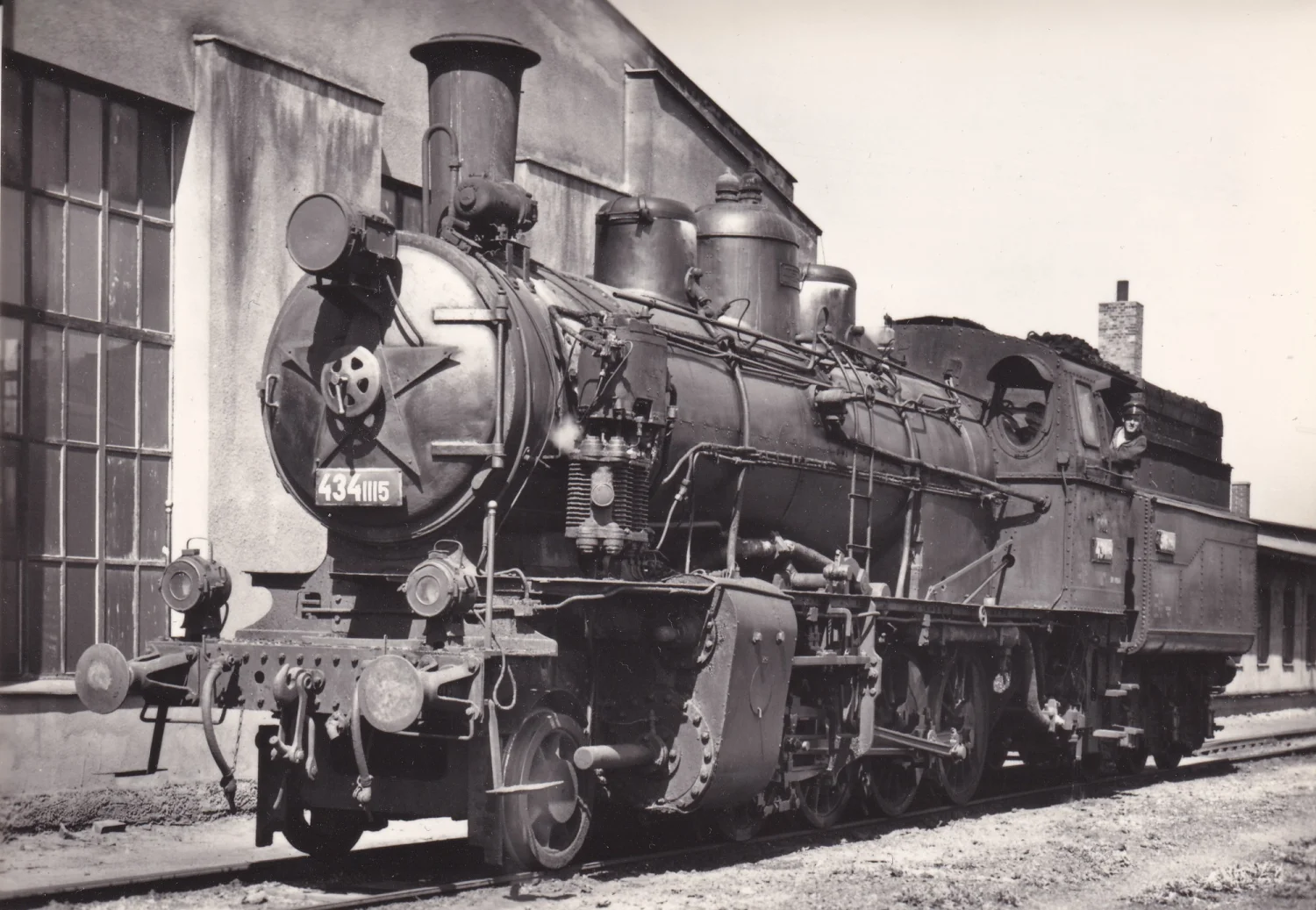
Also known as: Class 270
Vehicle type: Steam locomotive
Registration country: Czechoslovakia
Railway companies: CSD / ČSD - Československé státní dráhy
1918
From 1919 onwards, additional locomotives were acquired from Austrian manufacturers, including the Wiener Neustädter Lokomotivfabrik and Lokomotivfabrik Floridsdorf. Production was subsequently extended to Czechoslovak manufacturers, including the former Böhmisch-Mährische Maschinenfabrik in Prague, Breitfeld-Daněk and the Škoda Works in Plzeň.
The Class 270 played a particularly important role in the development of Czechoslovakia’s locomotive manufacturing industry. In 1920, the Škoda Works completed its first steam locomotive, numbered 270.300, with works number 1/1920. The Škoda-built locomotives incorporated modifications to the boiler arrangement to meet ČSD requirements.
By 1922, the Czechoslovak fleet comprised 119 locomotives of the Class 270 design.
1924
Production continued during the following years, with further locomotives entering service until 1930. The final newly delivered locomotive was numbered 434.1165, bringing the pre-war Czechoslovak fleet to 165 examples.
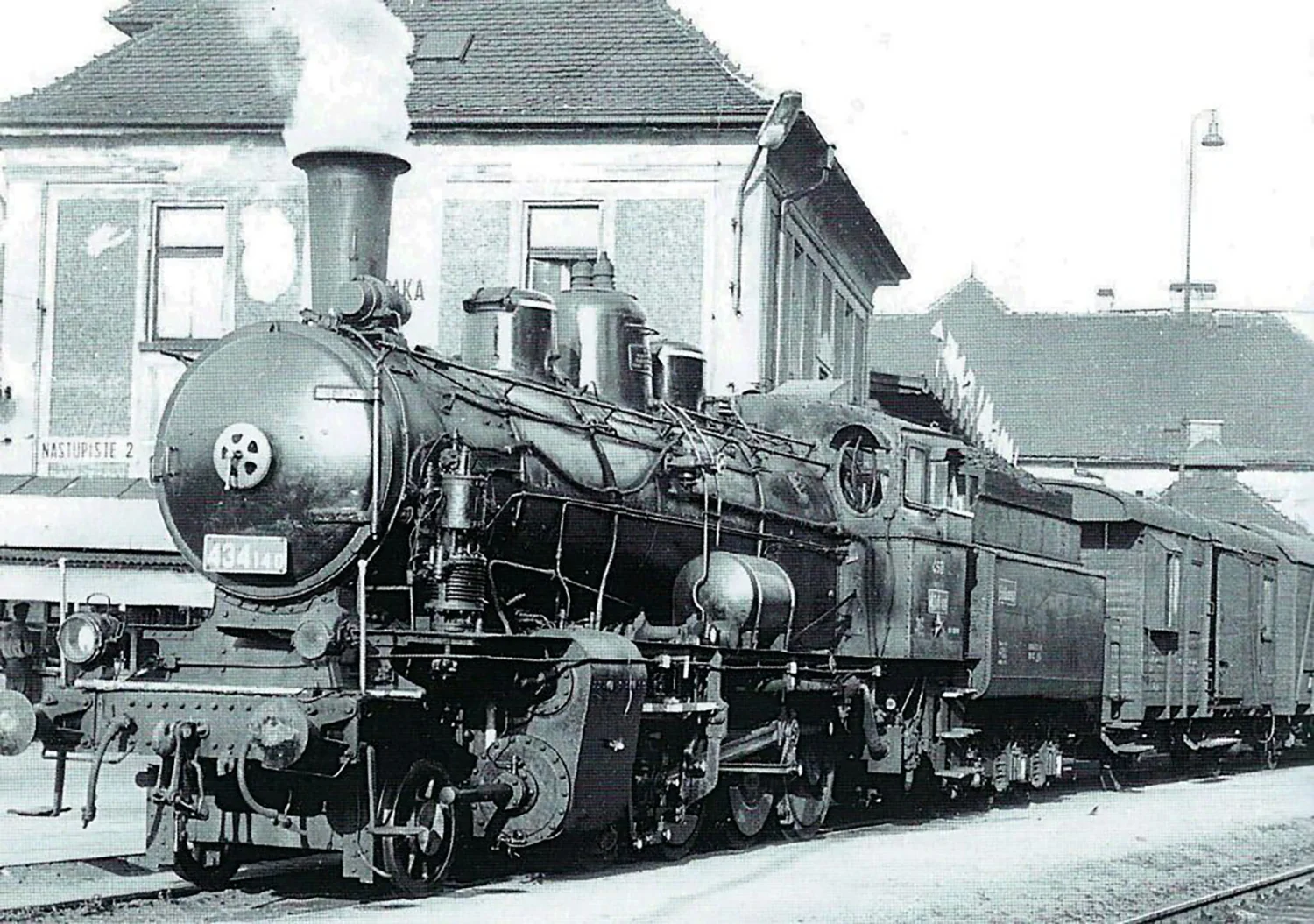
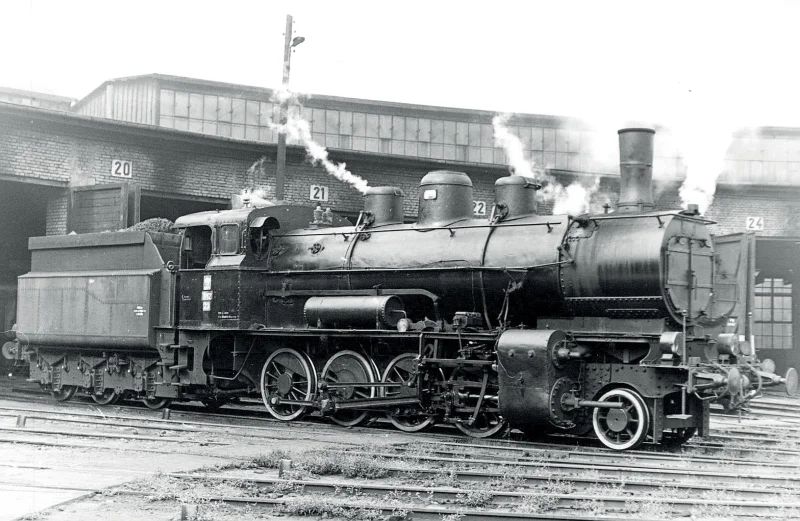
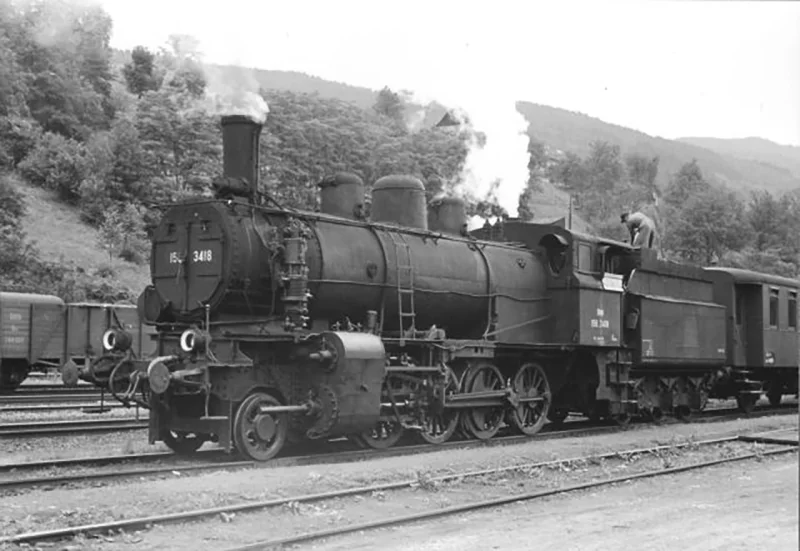
The Class 434.1 locomotives were employed primarily on freight services, where their substantial tractive effort and ability to negotiate relatively tight curves made them particularly suitable for the varied railway network of Czechoslovakia. They were also used for shunting duties and other secondary services.
During their operational careers, the locomotives underwent various technical modifications. Changes to the boiler equipment and chimney arrangement were introduced on individual locomotives, while different types of tenders were used according to operational requirements.
1938
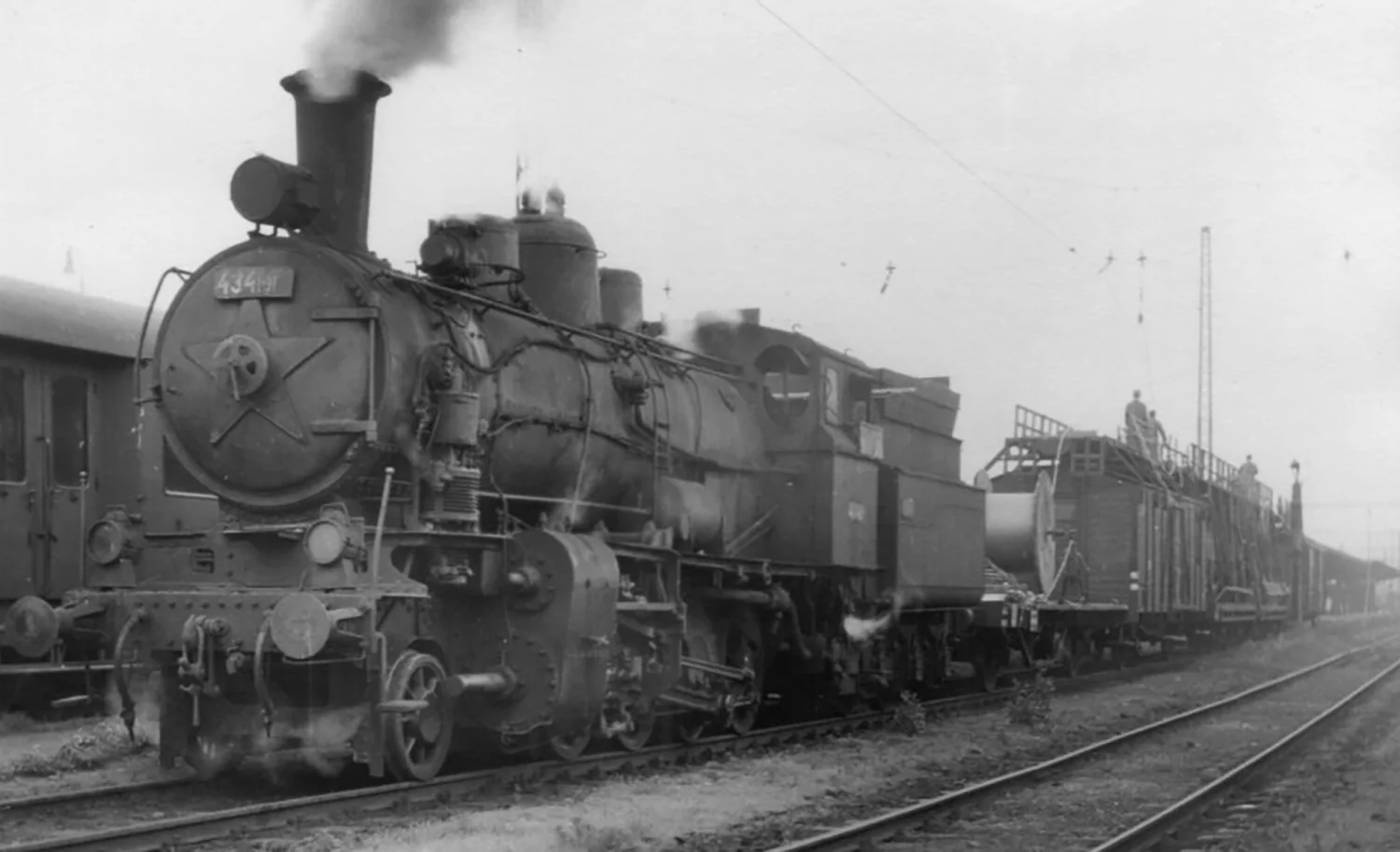
The ČSD locomotive fleet was consequently divided between different railway administrations. Some locomotives came under German control, while others operated in Slovakia.
1945
Consequently, the post-war ČSD Class 434.1 fleet reached 199 locomotives.
1972
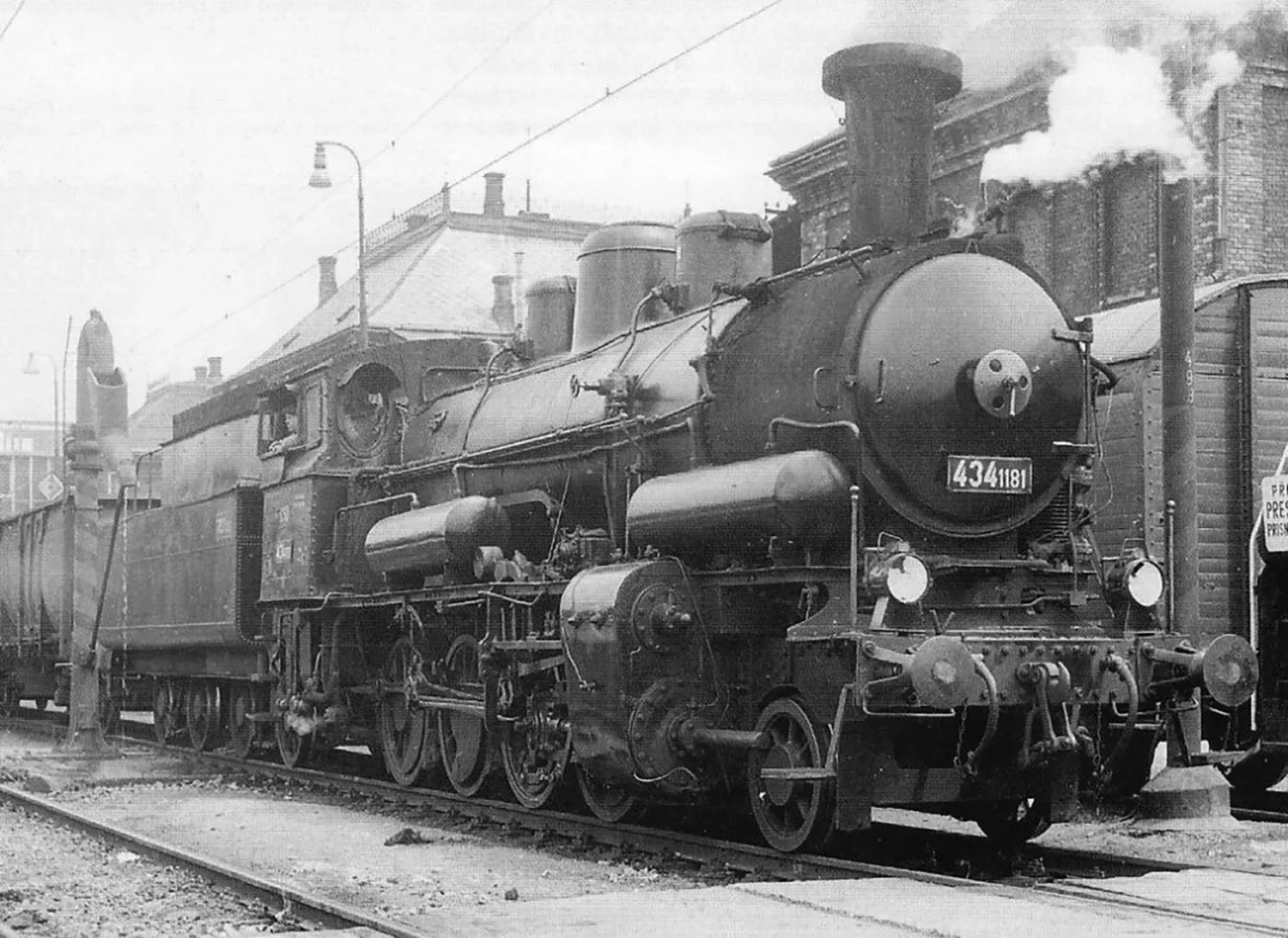
The last operational locomotive, 434.1181, was withdrawn on 16 March 1976, bringing nearly six decades of service by the Class 270 design in Czechoslovakia to an end.
Two locomotives have been preserved:
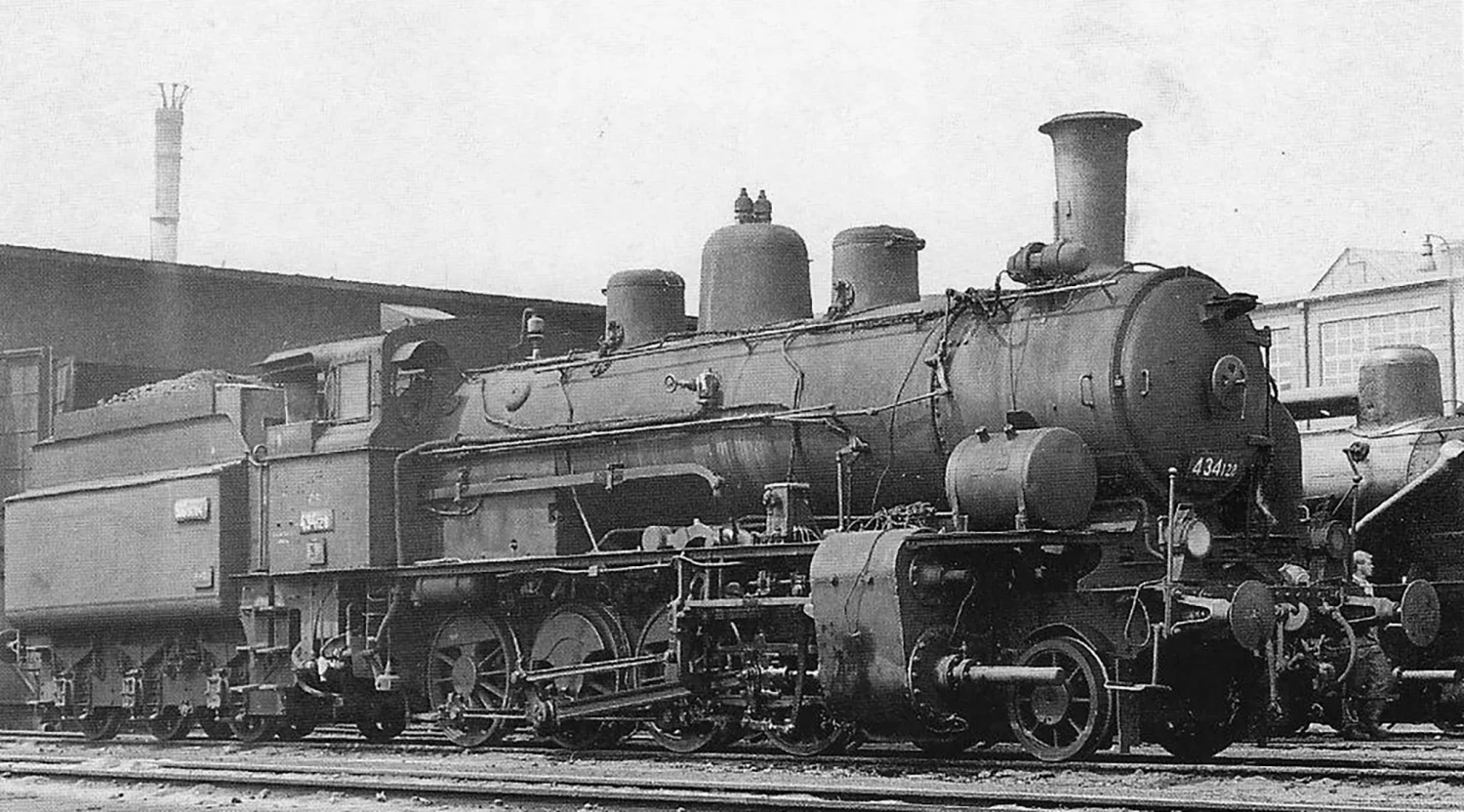
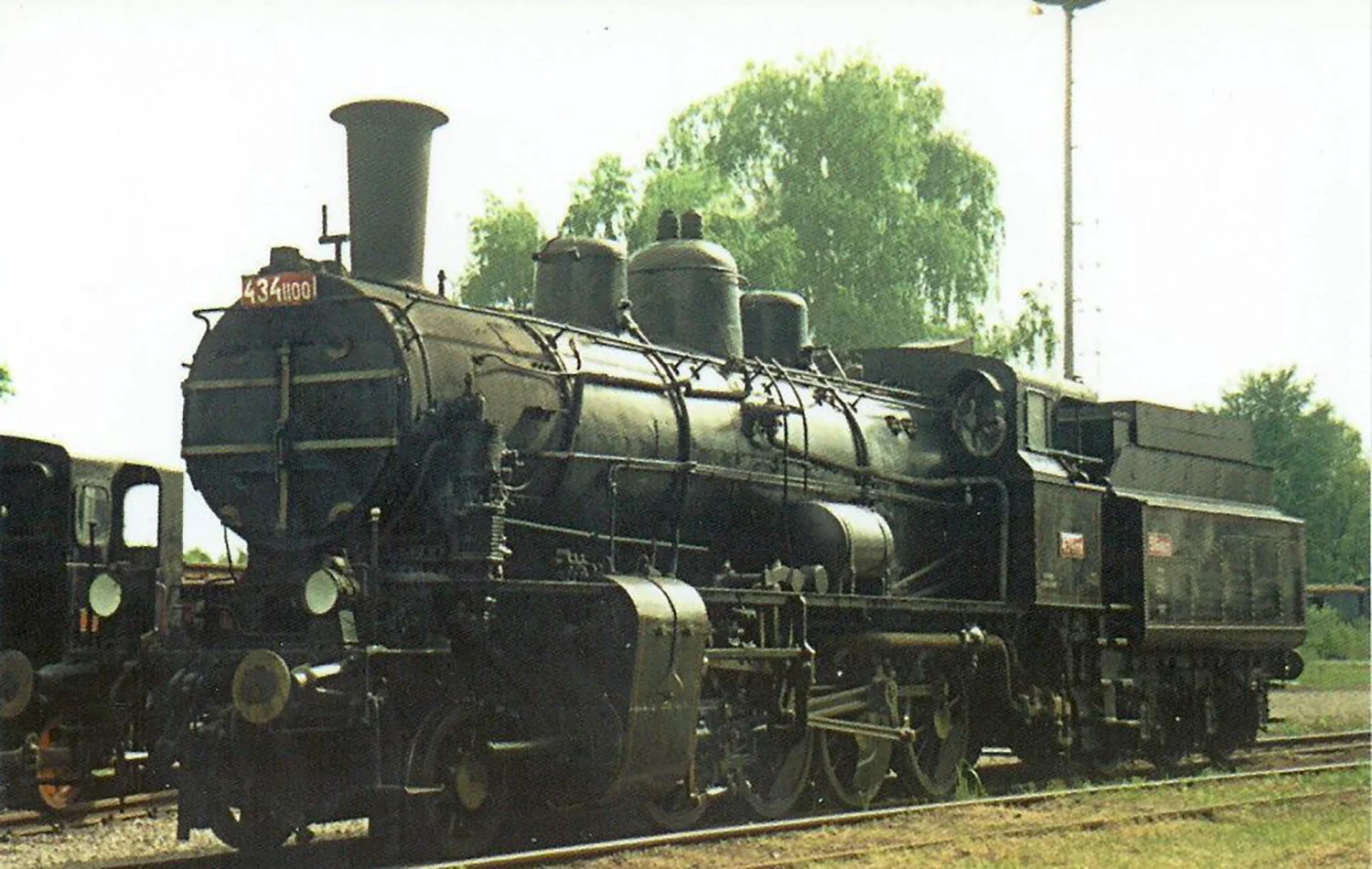
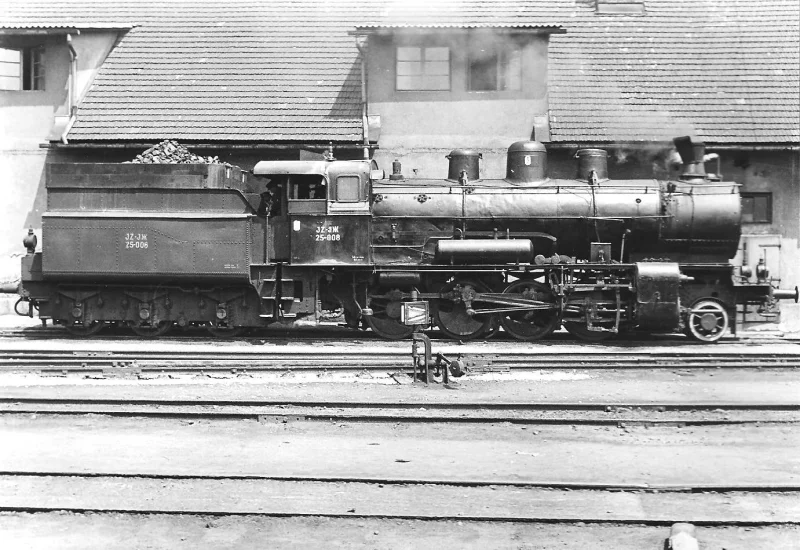
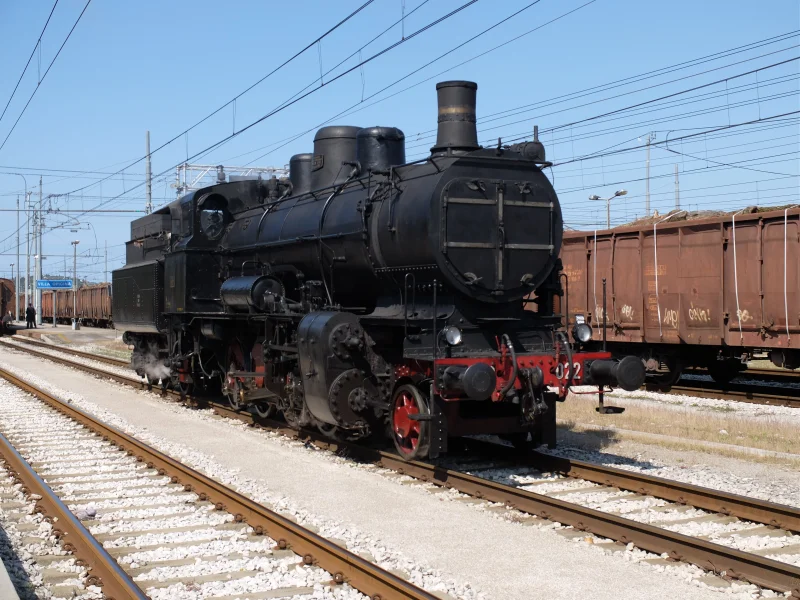
- 434.1100: the first locomotive manufactured by Škoda in Plzeň, survives as a historic operational locomotive at the railway museum in Lužná u Rakovníka, Czech Republic.
- 434.1128: has been preserved in Slovakia, historically associated with the Žilina depot.
Do you have additional informations regarding this vehicle?
Help us writing the history of Class 434.1! Your knowledge is precious for us and the entire community, do not hesitate to share your facts, photos or videos:
Latest update on the 10th of October 2026 at 15:16
Contributor(s): Tudor C.
Advertising:
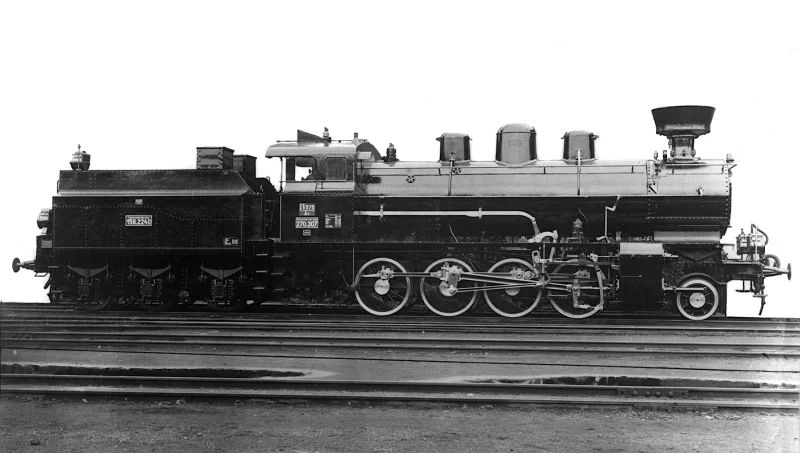
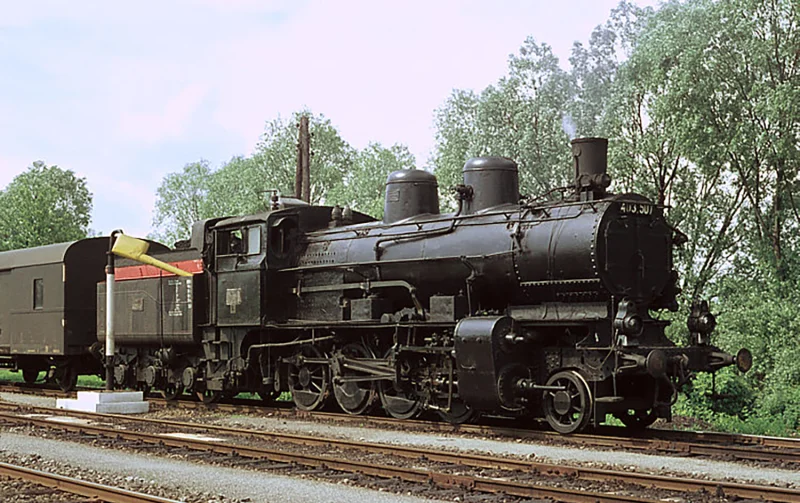
Class 434.1 - Related rolling stock from category "kkStB - Class 270 locomotive family":


Advertising:

The identity card, photos and videos for thousands of railway vehicles all around Europe!
