
Also known as: EURO DuFour
UIC / EVN numbering: 91 85 4494
Vehicle type: Electric locomotive
Registration country: Switzerland
Railway companies: SBBC - SBB Cargo AG
15 kV AC / 16,7 Hz
25 kV AC / 50 Hz
*starting
2024
September
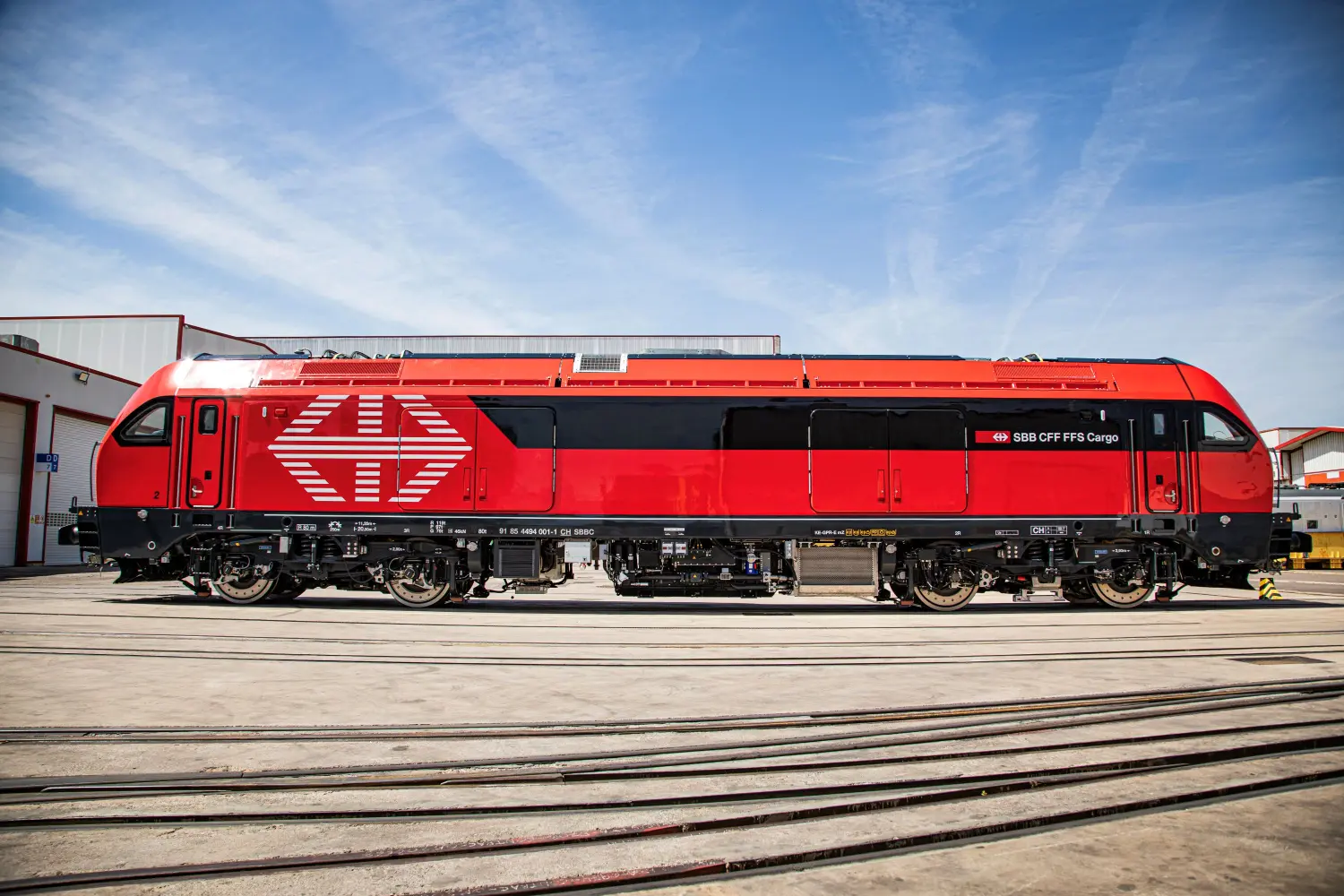
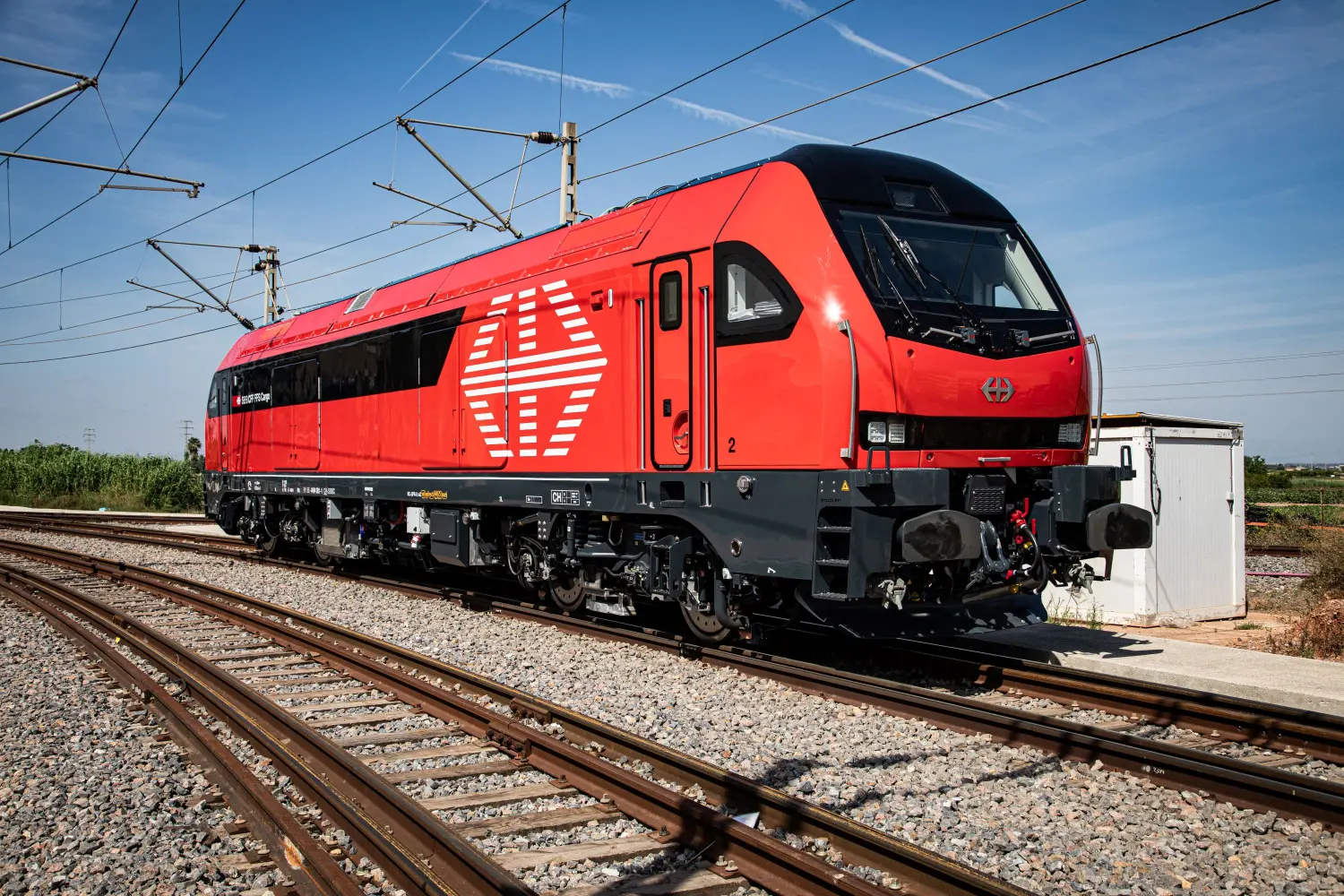
The initial delivery of these locomotives is scheduled for 2027, with the entire batch expected to be completed by 2035. This initiative is part of SBB Cargo's broader strategy to renew and standardize its rolling stock by 2050, replacing older locomotives which will be retired. The modern Stadler locomotives will arrive gradually, with 22 out of the first 36 units equipped with a last-mile module to facilitate operations on tracks without overhead lines, thereby eliminating the need for additional shunting locomotives. Stadler is producing one of the market's lightest high-performance locomotives, capable of pulling approximately one-third more loads than the current Re 420, while also being more energy-efficient.
This procurement is a strategic move aimed at reducing operating costs by approximately 60%, as SBB Cargo plans to standardize its fleet from the current 200 mainline locomotives of five different types to a single type of mainline locomotive, along with three standard wagon types and one shunting locomotive. Alexander Muhm, Head of Freight Transport at SBB, emphasizes that the new locomotives will significantly automate and enhance the efficiency of operations, establishing a more economically sustainable rail freight transport system that serves as the backbone of Switzerland's supply chain and economy.
2026
June 12
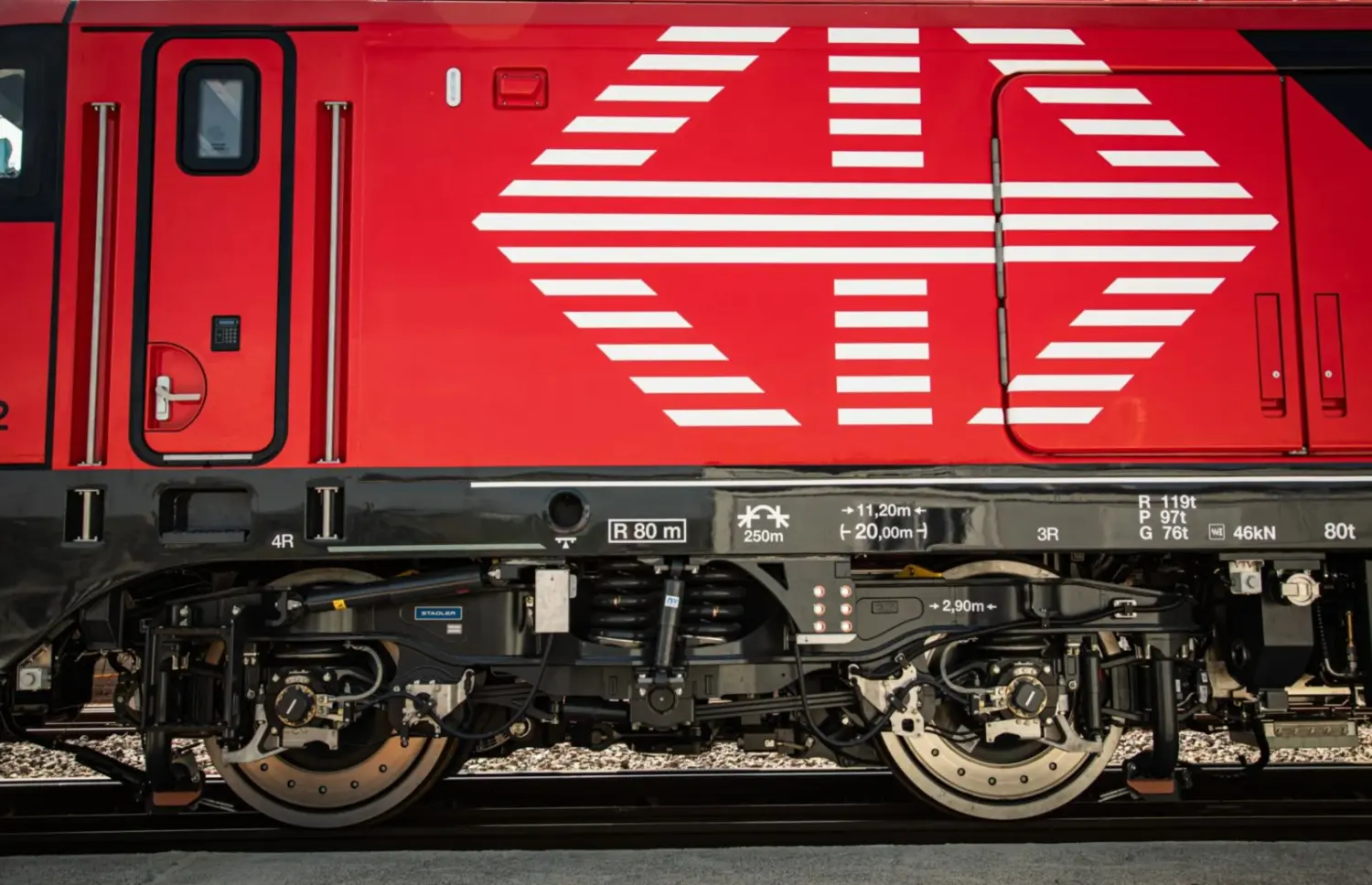
One of the locomotive’s most significant innovations is its newly developed bogie design, specifically optimized for Switzerland’s demanding network, characterized by numerous curves and challenging alignments. According to SBB, the advanced guidance system reduces track forces considerably, cutting infrastructure wear by around 20% compared with other freight locomotives currently available on the market. The result is lower maintenance costs for both SBB Cargo and SBB Infrastructure.
Energy efficiency has also been a major focus. Thanks to modern traction equipment and an innovative operational concept, the EURO DuFour is expected to consume 15% less energy than the locomotives currently used by SBB Cargo.
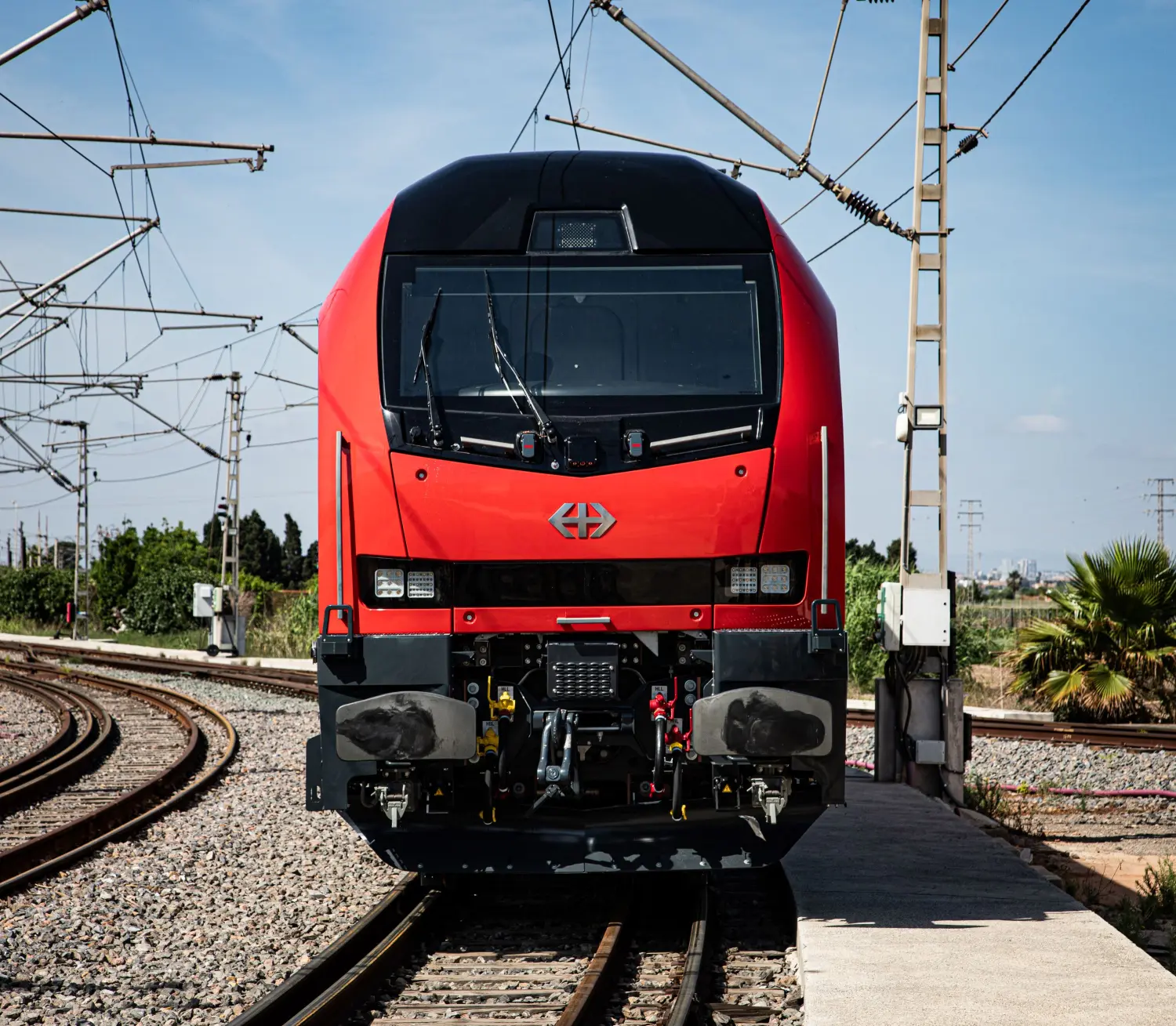
In Switzerland, the new fleet will be designated Re 494, while battery-equipped versions will carry the classification Rea 494.
The new locomotives are being manufactured at Stadler’s production facility in Valencia, Spain. During the second half of 2026, the first locomotive will undergo extensive testing at the Velim test centre in the Czech Republic.
The locomotive is expected to arrive in Switzerland in 2027 for homologation and additional testing. Operational trials with SBB Cargo Switzerland are scheduled to begin towards the end of that year. Deliveries of the initial fleet of 36 locomotives, including the 22 battery-equipped units, will continue progressively until March 2029.
Do you have additional informations regarding this vehicle?
Help us writing the history of Re / Rea 494! Your knowledge is precious for us and the entire community, do not hesitate to share your facts, photos or videos:
Latest update on the 19th of June 2026 at 11:53
Contributor(s): Tudor C.
Advertising:

The identity card, photos and videos for thousands of railway vehicles all around Europe!
