
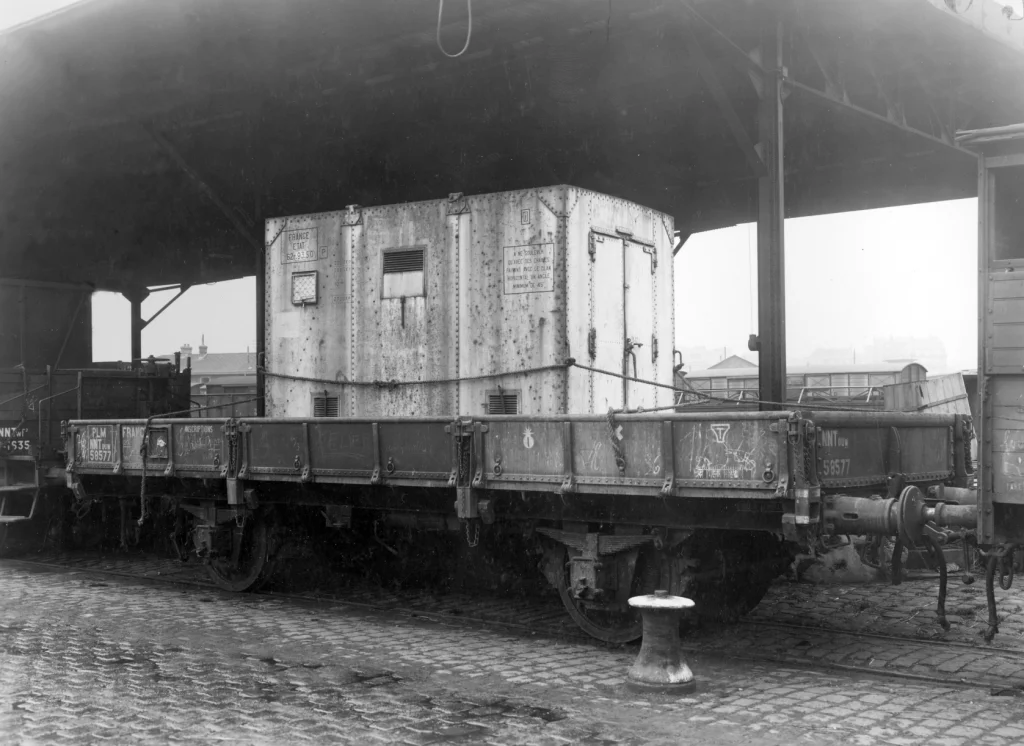
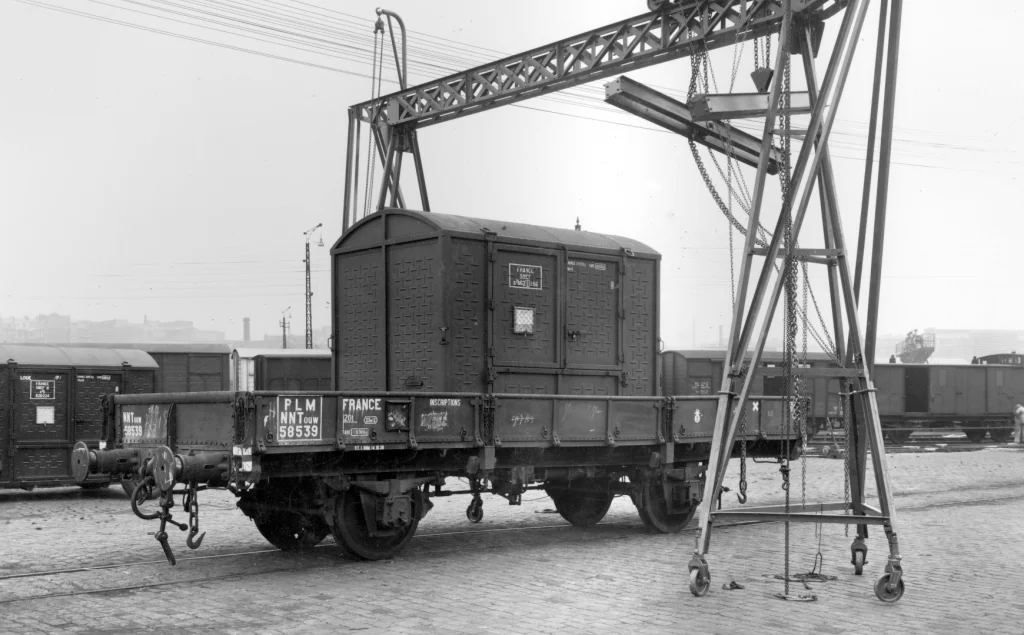
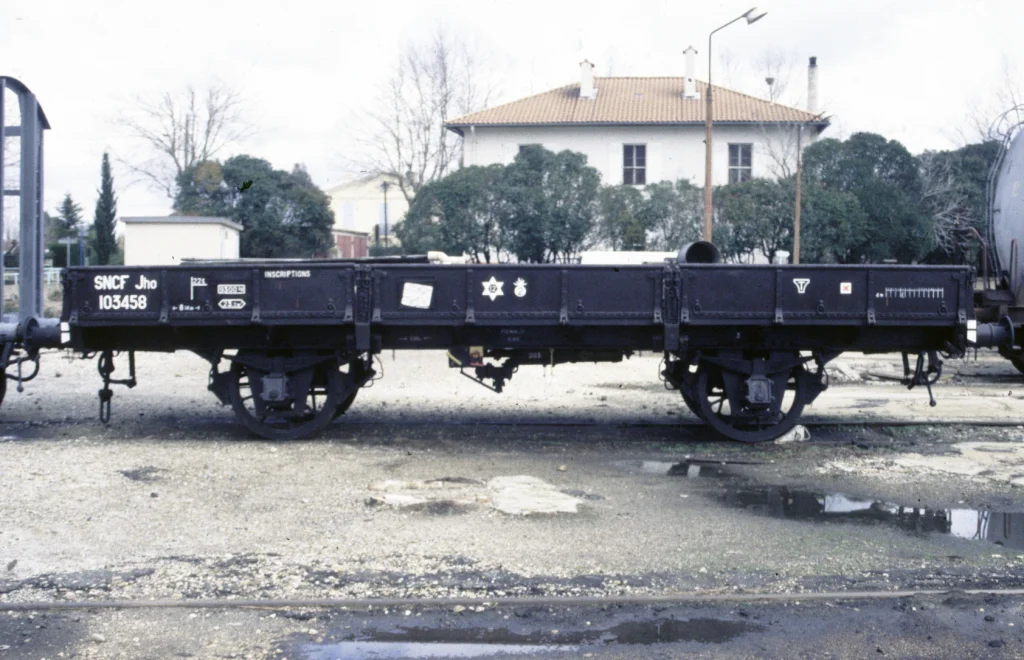
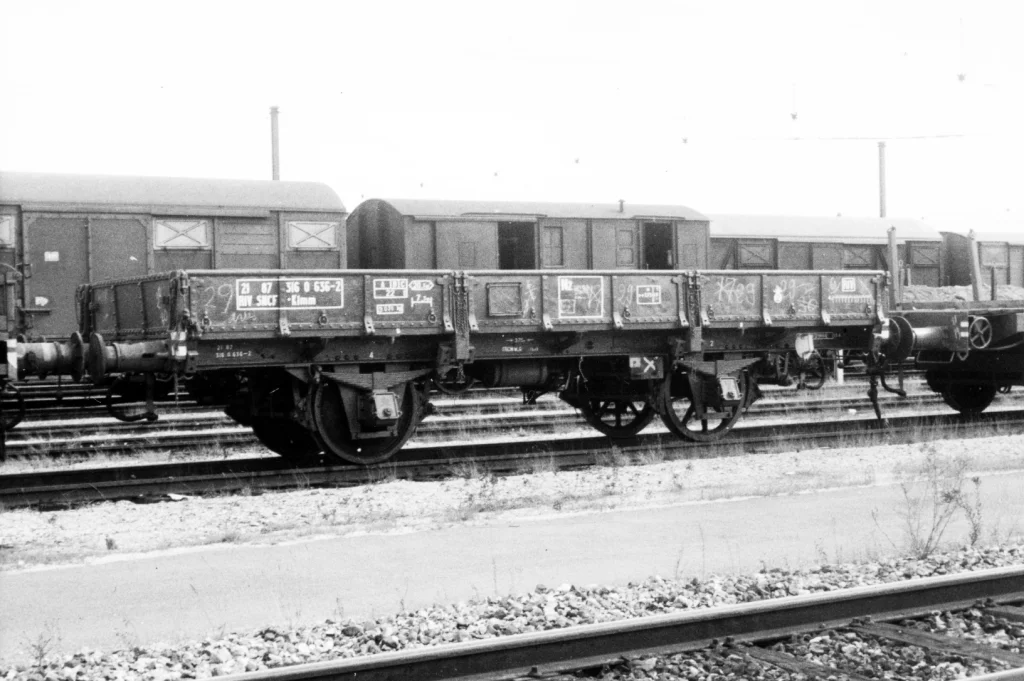
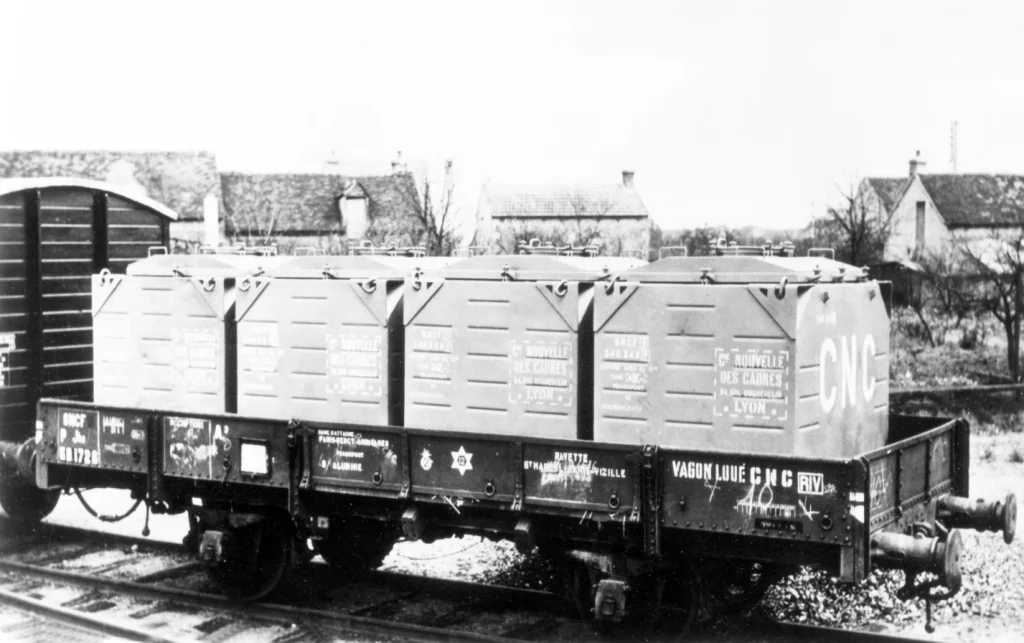
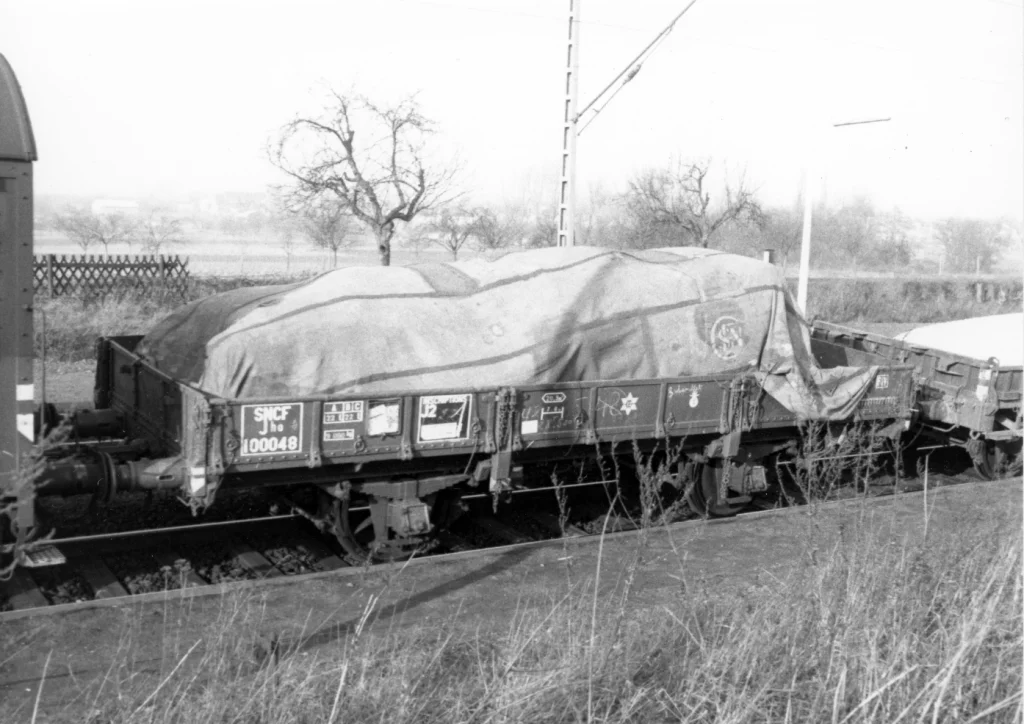
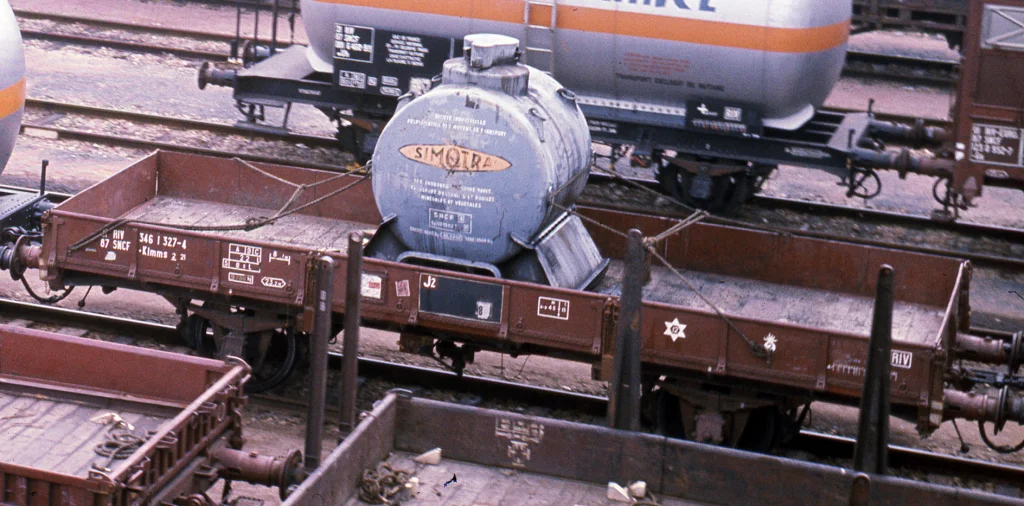
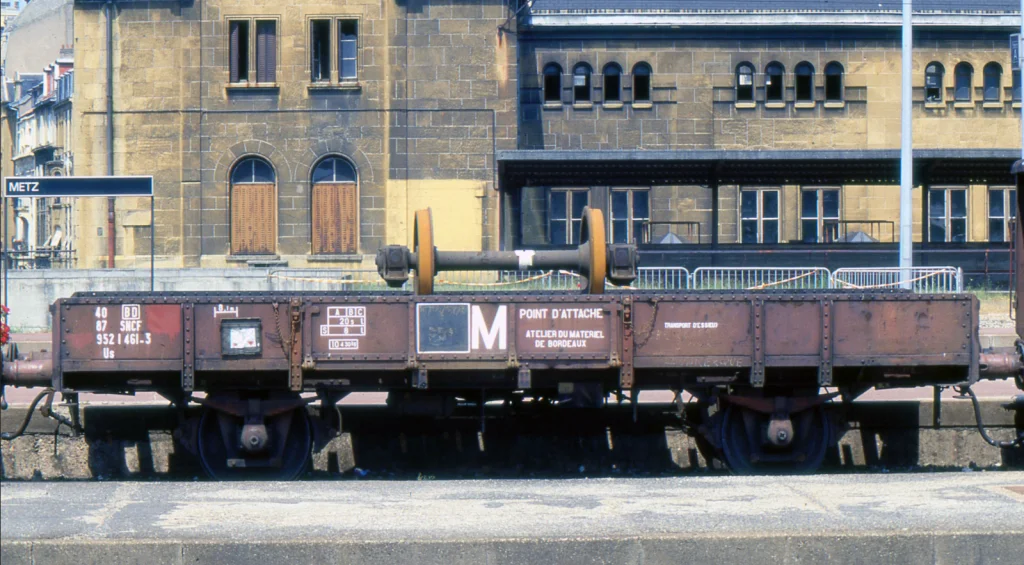
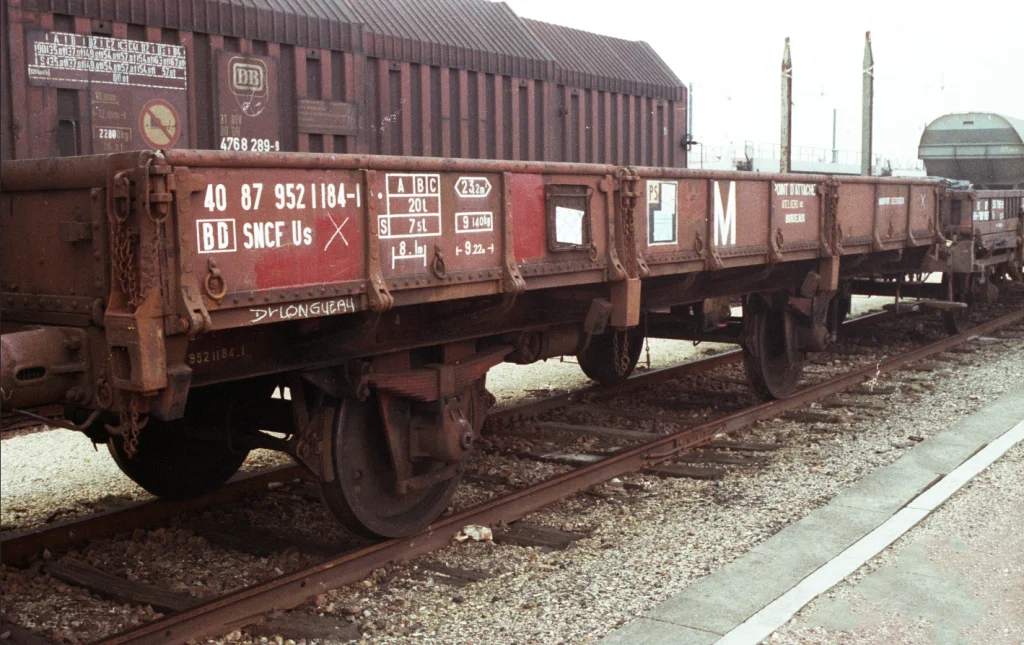
Also known as: NNTouw / Jho / Us / OCEM 19 & 29
UIC / EVN numbering: 21 87 316 0 / 21 87 346 1 / 40 87 952 1
Vehicle type: flat wagon
Registration country: France
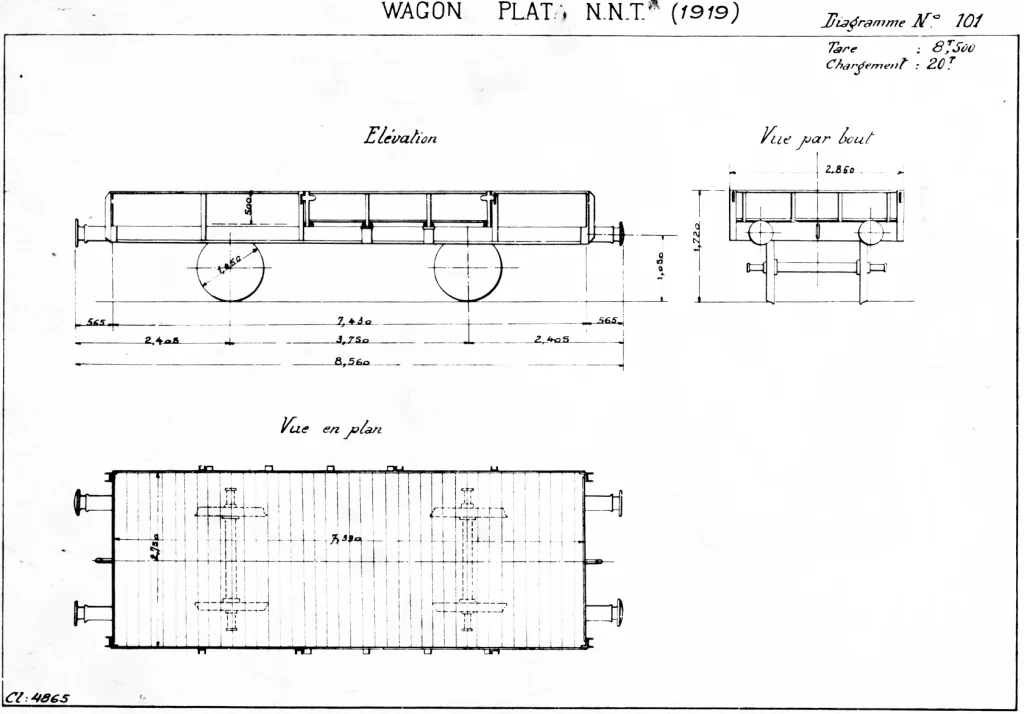
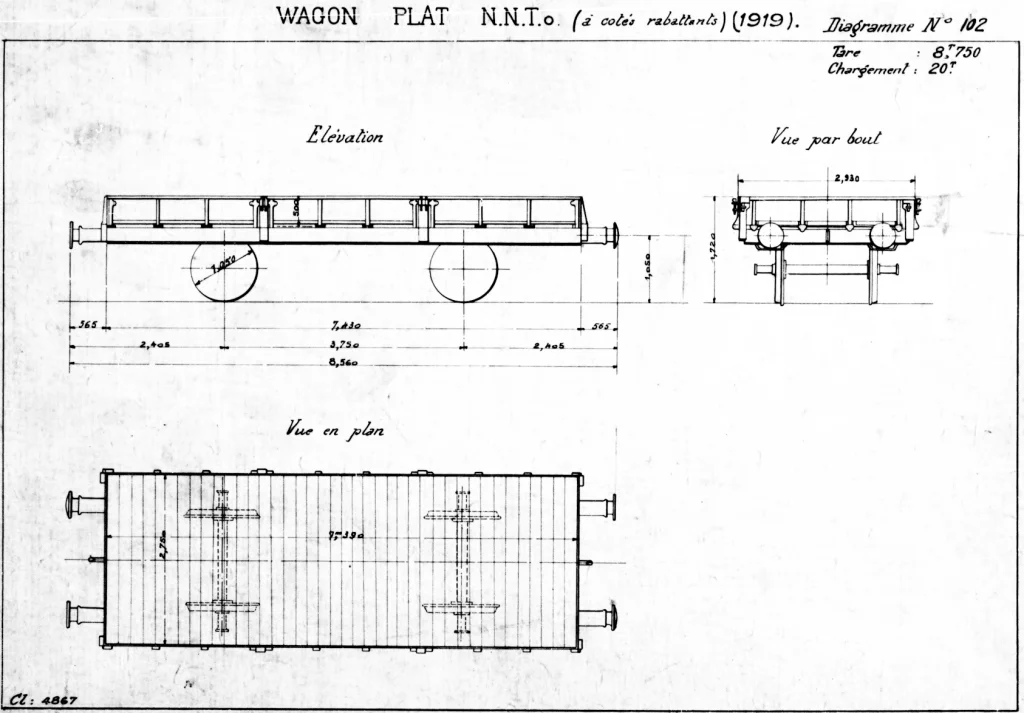
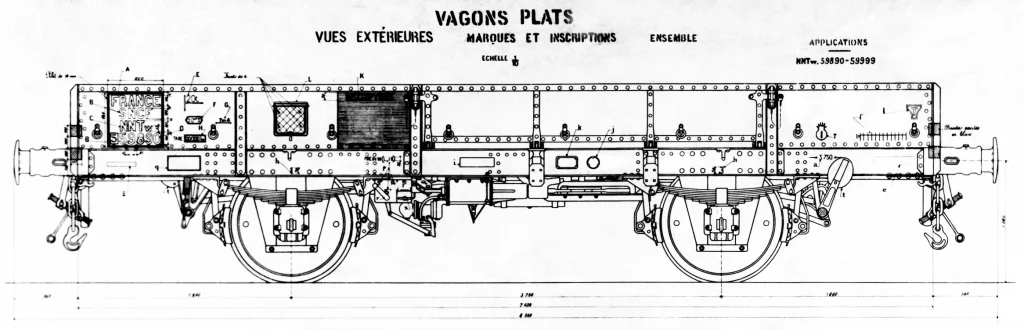
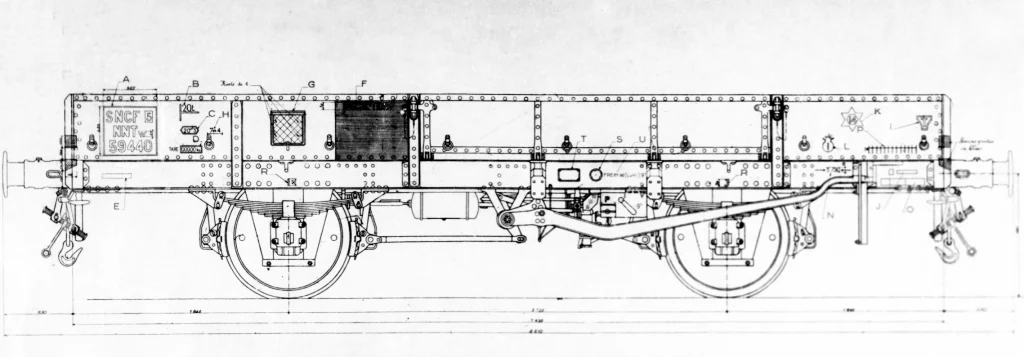
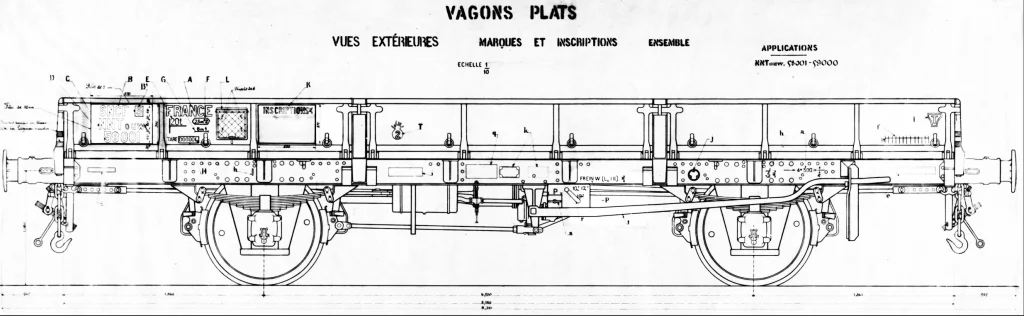
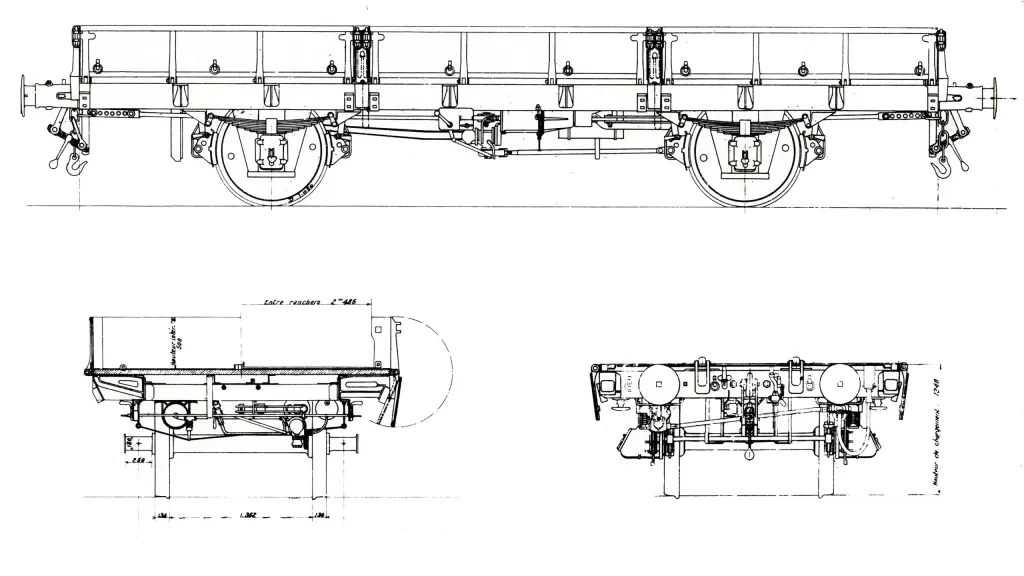
1919
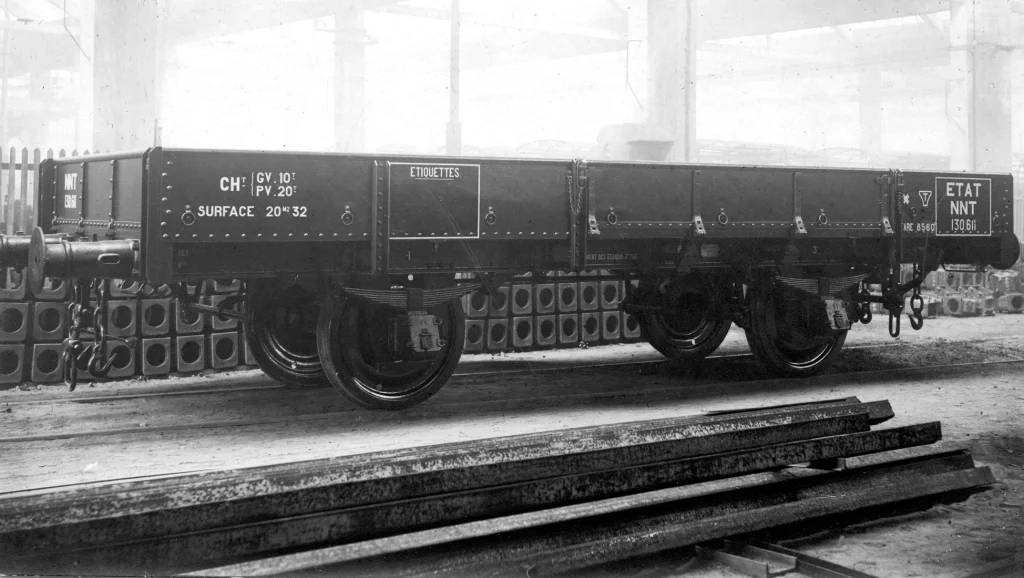
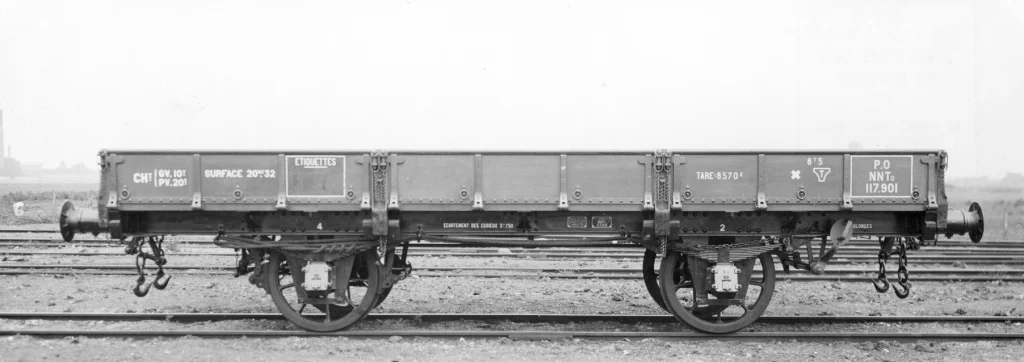
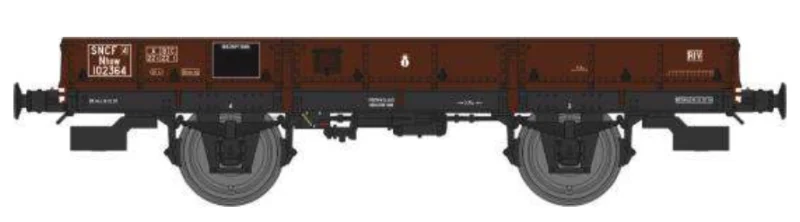
Type A: with three opening side panels on each side;
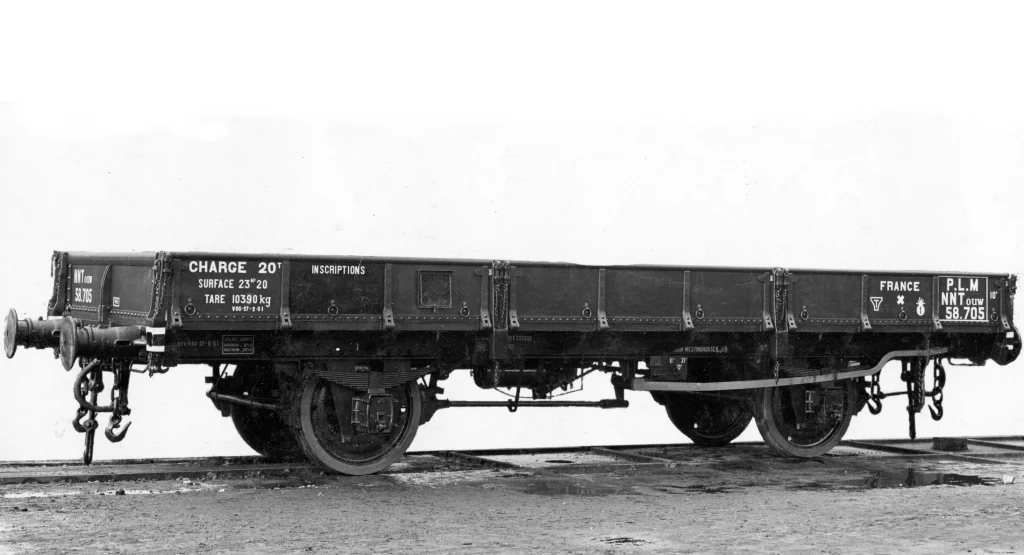
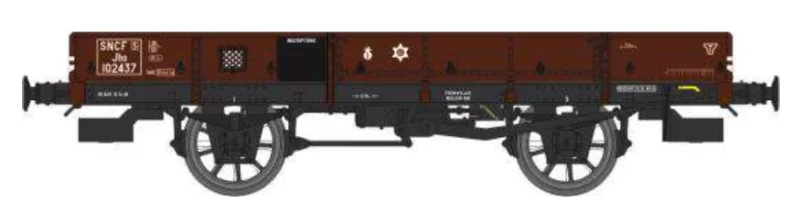
Type B: with two fixed panels and a single movable panel.
A total of 2'870 OCEM 19 flat wagons were built for the État, Paris-Orléans (PO) and PLM networks.
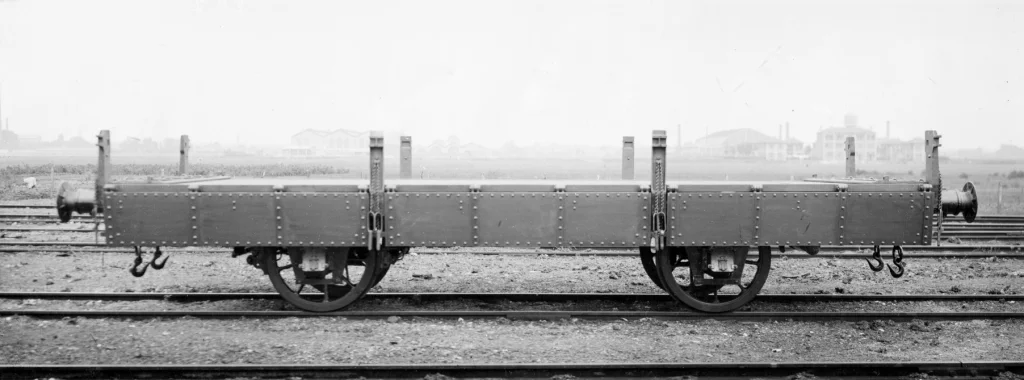
The wagons featured a robust riveted steel chassis, nine-leaf suspension springs and a loading floor made from 45 mm thick oak planks. Their approximately 500 mm high folding sides made them particularly versatile, allowing the transport of vehicles, construction materials, barrels, containers and many other types of goods. The side panels folded outward, while the end panels folded inward onto the loading platform. Loads could also be protected by tarpaulins secured to rings fitted around the wagon.
Braking equipment differed between early OCEM 19 wagons. Some were constructed without continuous brakes and relied on hand-operated braking systems, while others received continuous braking from the outset. Following the widespread adoption of air brakes on French freight stock after 1926, many existing wagons were subsequently equipped with Westinghouse air brakes.
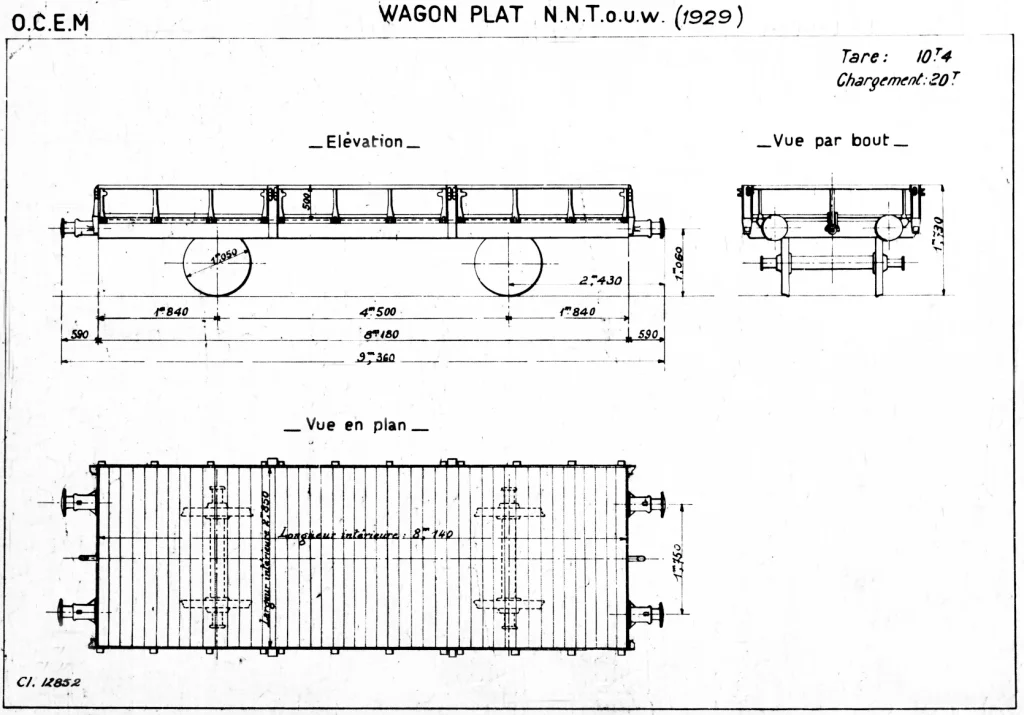
1929
A total of 2'250 OCEM 29 flat wagons were produced, including 750 for the Midi and 1'500 for the PLM.
After the creation of the SNCF in 1938, both types were incorporated into its freight fleet and subsequently received new classifications and numbers. Many remained in service long enough to receive UIC numbering during the 1960s.
Withdrawals began in the early 1960s and accelerated from around 1965, although numerous wagons subsequently found a second life in departmental and infrastructure service. The last OCEM 19 and OCEM 29 wagons disappeared from regular commercial SNCF service between 1971 and 1974, ending more than half a century of service for these characteristic examples of French standardised freight rolling stock.
Do you have additional informations regarding this vehicle?
Help us writing the history of Klmm 121 / Klmms 221! Your knowledge is precious for us and the entire community, do not hesitate to share your facts, photos or videos:
Latest update on the 16th of August 2026 at 15:59
Contributor(s): Tudor C.
Advertising:
Klmm 121 / Klmms 221 - Associated miniature models:
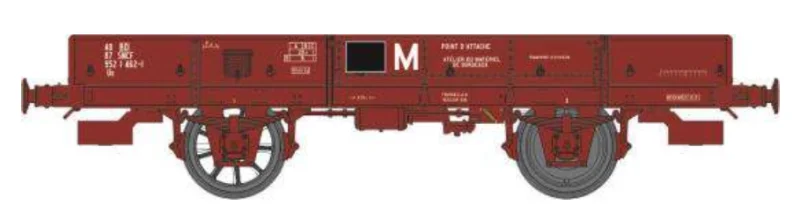
SNCF - Wagon plat OCEM 19
Recommended retail price: N/A
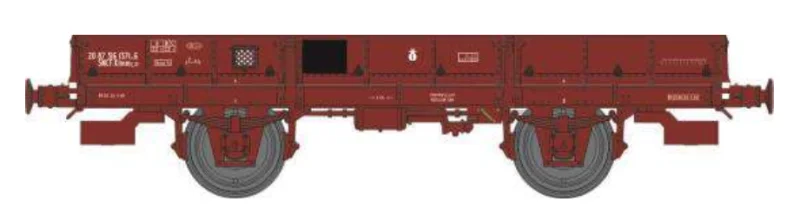
SNCF - Wagon plat OCEM 19
Recommended retail price: N/A
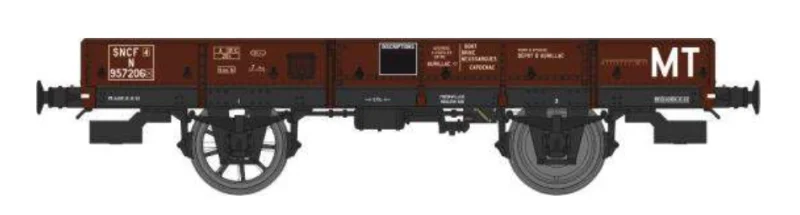
SNCF - Wagon plat OCEM 19
Recommended retail price: N/A
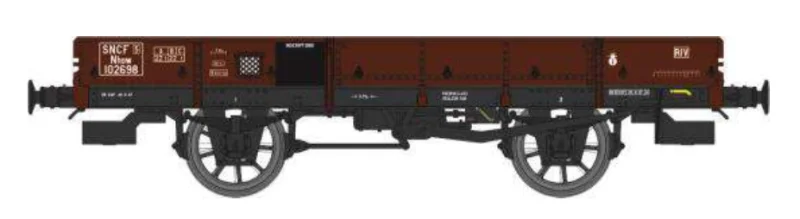
SNCF - Wagon plat OCEM 19
Recommended retail price: N/A


Advertising:

The identity card, photos and videos for thousands of railway vehicles all around Europe!
