
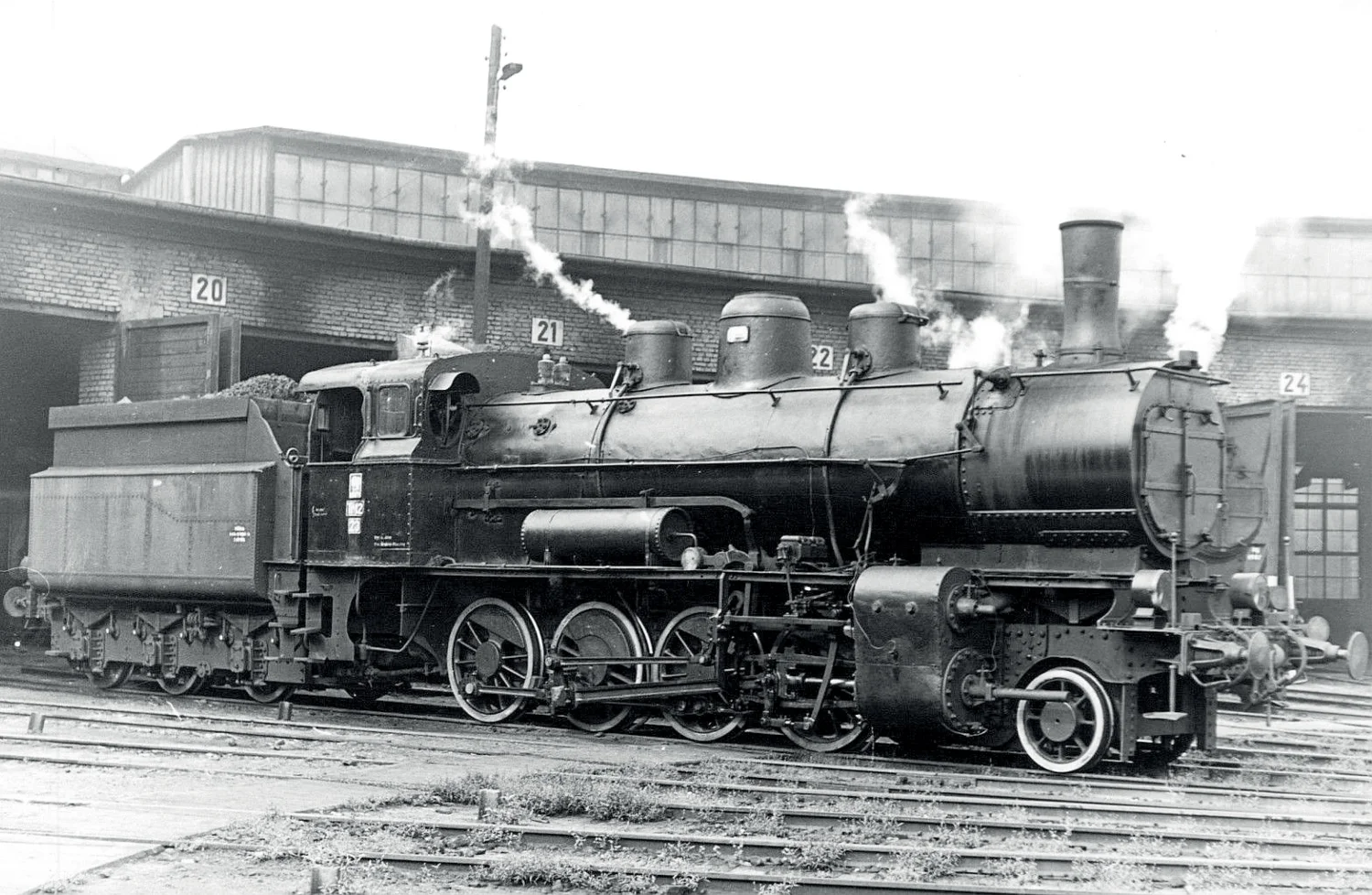
Vehicle type: Steam locomotive
Registration country: Poland
Railway companies: PKP - Polskie Koleje Państwowe
1918
Unlike Czechoslovakia, however, Poland did not acquire its Class 270-type fleet simply by inheriting a substantial group of former kkStB locomotives. The Polish locomotives were essentially a new-build continuation of the Austrian design.
Production for Poland began in Austria. Between 1920 and 1923, the Polish railway administration received locomotives built principally by the Lokomotivfabrik Floridsdorf in Vienna. Production was subsequently transferred progressively to Poland, where the Warszawska Spółka Akcyjna Budowy Parowozów (WSABP) in Warsaw initially assembled locomotives using components supplied from Austria before taking over their manufacture locally.
The first Warsaw-assembled locomotive was completed in December 1923, while the progressive localisation of production eventually resulted in locomotives being manufactured without imported Austrian components. Construction continued until 1927.
In total, 142 locomotives of the Class 270-design were built for the Polish railways. They subsequently formed PKP Class Tr12, following the formal establishment of Polskie Koleje Państwowe (PKP) as a state enterprise in 1926.
The Tr12 locomotives were used primarily in southern and southeastern Poland, where their moderate axle load was particularly advantageous. By 1931, all 142 locomotives were concentrated in the Kraków, Lwów and Stanisławów railway districts.
1939
The Deutsche Reichsbahn incorporated part of the captured fleet into its Class 56.34-35, extending a numbering group that already contained former Austrian Class 270 locomotives. Former Polish Tr12 locomotives were consequently allocated numbers beginning with 56.3501. Further Tr12 locomotives came under German control following the invasion of the Soviet Union in 1941, while others continued operating under different wartime administrations.
1945
The first post-war group consisted of 22 recovered locomotives, only part of which had belonged to the pre-war Polish Tr12 fleet. Additional locomotives subsequently arrived from Austria, Czechoslovakia, Yugoslavia and Hungary. A further group of 20 locomotives was returned by the East German Deutsche Reichsbahn in 1955, although most were in poor condition and only two were restored to service.
Ultimately, 39 locomotives were incorporated into the post-war PKP Class Tr12 fleet and received new Tr12 numbers. The post-war class was therefore not simply the surviving portion of the original 142-locomotive Polish fleet: it also included locomotives of the same Class 270 family that had reached Poland through the complex redistribution of railway rolling stock following the Second World War.
The remaining Tr12 locomotives were initially used on light freight services around Warsaw, Gdańsk and Kraków. As newer steam locomotives and subsequently diesel traction became available, they were progressively relegated to secondary duties and shunting.
1969
One member of the class has been preserved: Tr12-25. Built by Floridsdorf, the locomotive had carried the number Tr12-58 before the Second World War and subsequently became Deutsche Reichsbahn 56.3522 under German administration. After the war it returned to Polish service and was renumbered Tr12-25. It was later preserved and restored to operational condition, providing the sole surviving representative of the Polish branch of the kkStB Class 270 locomotive family.
Do you have additional informations regarding this vehicle?
Help us writing the history of Class Tr12! Your knowledge is precious for us and the entire community, do not hesitate to share your facts, photos or videos:
Latest update on the 10th of October 2026 at 18:11
Contributor(s): Tudor C.
Advertising:
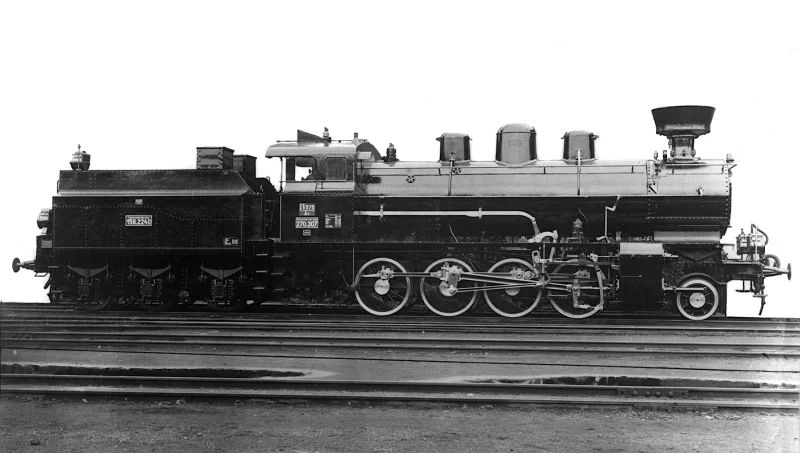
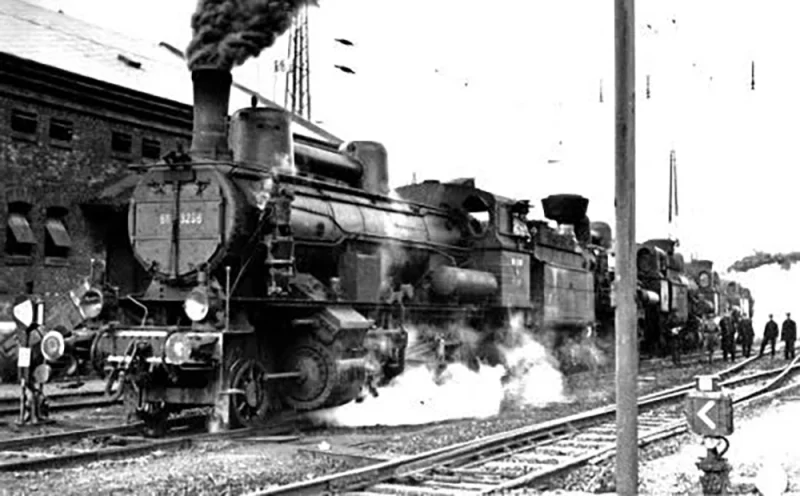
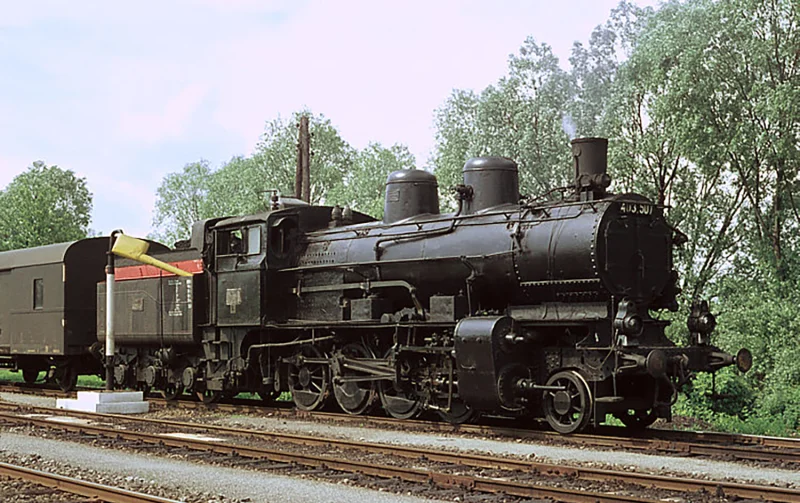
Class Tr12 - Related rolling stock from category "kkStB - Class 270 locomotive family":


Advertising:

The identity card, photos and videos for thousands of railway vehicles all around Europe!
