
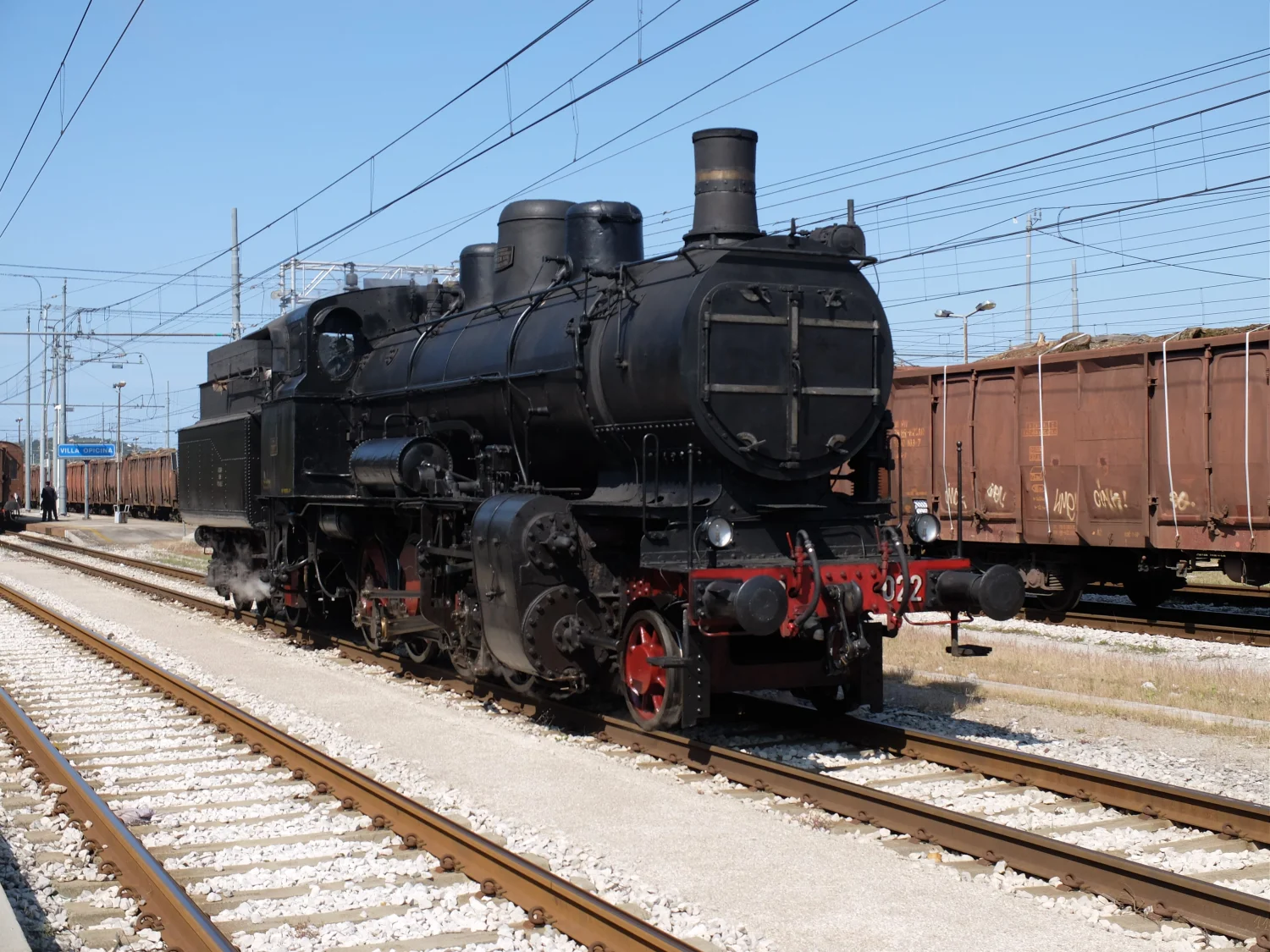
Vehicle type: Steam locomotive
Registration country: Italy
Railway companies: FS - Ferrovie dello Stato Italiane
1920s
The locomotives had originally been ordered for the Austrian railway administration but were not taken into service following the dissolution of Austria-Hungary at the end of the First World War. All 35 examples were manufactured by the Lokomotivfabrik Floridsdorf in Vienna between 1920 and 1921 and were subsequently acquired by the Società Italiana per il Mar Nero (Italian Black Sea Company), which had purchased them for other intended operations.
The locomotives eventually became available to the Italian State Railways, which acquired the entire group in 1925-1926. Unlike the Polish Class Tr12 locomotives, which represented a continuation of the Austrian design through new construction specifically for Poland, the Italian Class 728 consisted exclusively of Austrian-built locomotives originally intended for a different operator.
Before entering regular Italian service, the locomotives underwent modifications to comply with FS operating requirements. These adaptations were carried out principally at the Verona railway workshops and included the installation of compressed-air braking equipment to replace the Austrian vacuum-braking system. Other modifications included changes to the chimney, safety valves, lighting equipment and various fittings.
During the following years, some locomotives also received replacement boilers manufactured by Breda, incorporating features commonly found on Italian steam locomotives. These modifications gradually distinguished the appearance of the Italian Class 728 from that of its Austrian counterparts.
The locomotives were initially allocated to depots in central and northeastern Italy, particularly Firenze Campo di Marte, Trieste Campo Marzio, Udine and Fiume. They were employed primarily on freight services, where their moderate axle load and relatively compact dimensions made them suitable for secondary routes and lines with restricted infrastructure.
1940
1945
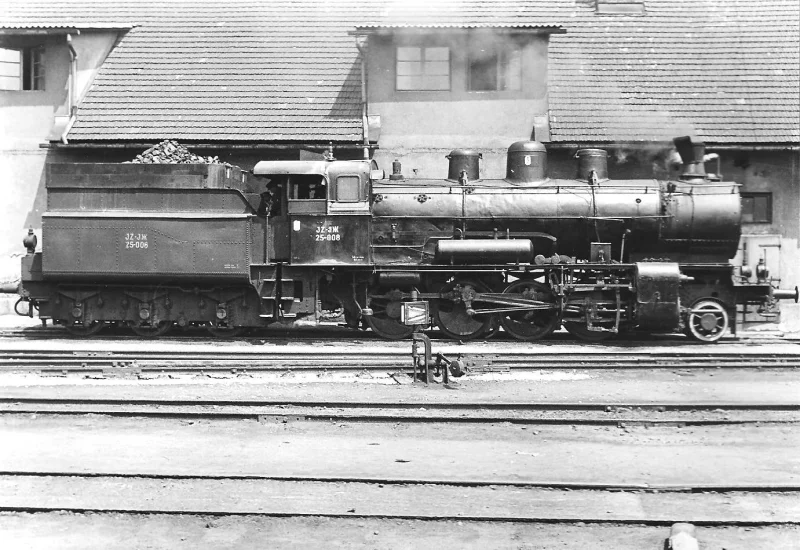
Of these, 19 locomotives were incorporated into the Yugoslav Railways (JDŽ) Class 25, where they continued operating alongside other locomotives belonging to the former kkStB Class 270 family.
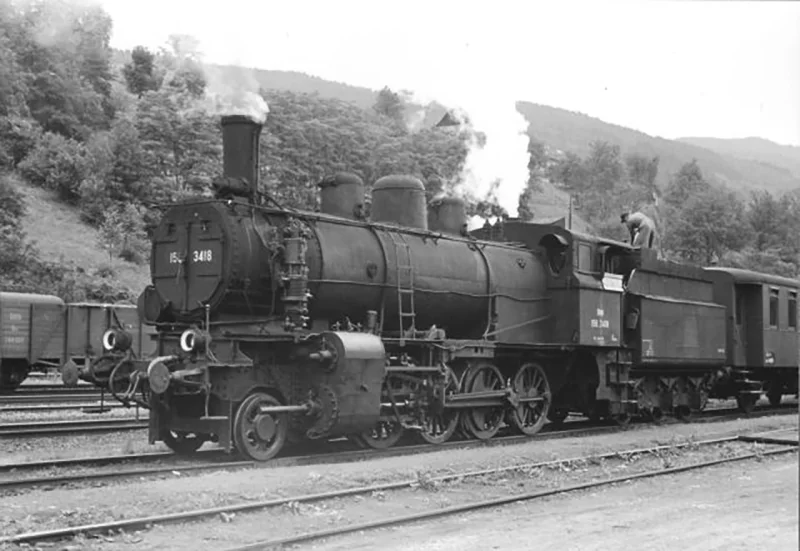
One additional locomotive, FS 728.002, was transferred to Austria, where it subsequently entered the ÖBB Class 156 fleet. These transfers reduced the number of Class 728 locomotives remaining under Italian administration.
1950s
One locomotive subsequently returned to Italy under exceptional circumstances. FS 728.022, which had been transferred to Yugoslavia after the war, was returned to Italy in 1980 for preservation at the railway museum in Trieste Campo Marzio. After several years in preservation, the locomotive underwent restoration and was returned to operational condition in 2006. Its first official test run took place on 6 June 2006 between Gorizia and Trieste. The preserved 728.022 represents the only surviving example of the Italian Class 728.
Do you have additional informations regarding this vehicle?
Help us writing the history of Class 728! Your knowledge is precious for us and the entire community, do not hesitate to share your facts, photos or videos:
Latest update on the 10th of October 2026 at 18:25
Contributor(s): Tudor C.
Advertising:
Class 728 - Related rolling stock from category "kkStB - Class 270 locomotive family":
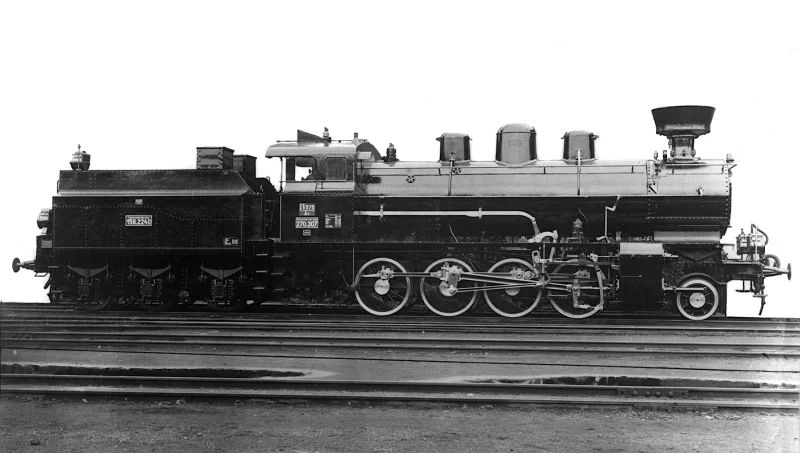
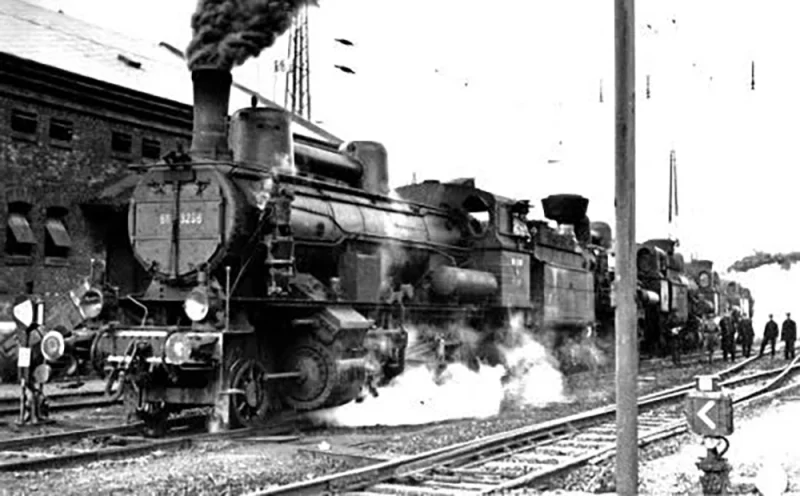
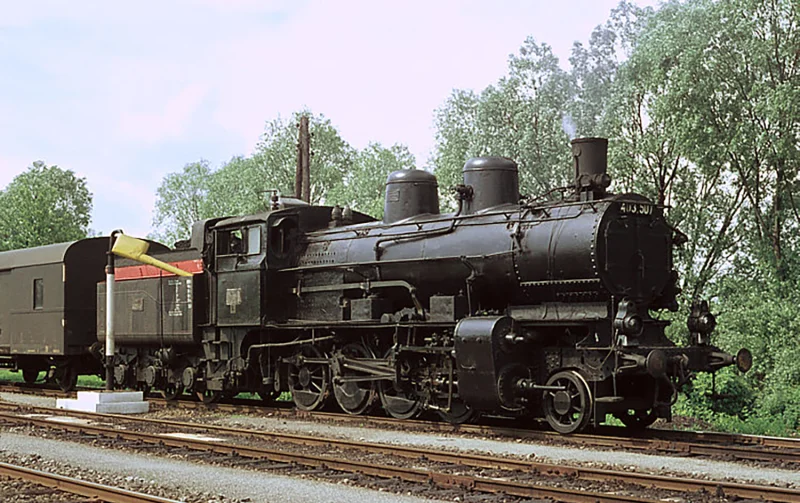


Advertising:

The identity card, photos and videos for thousands of railway vehicles all around Europe!
