
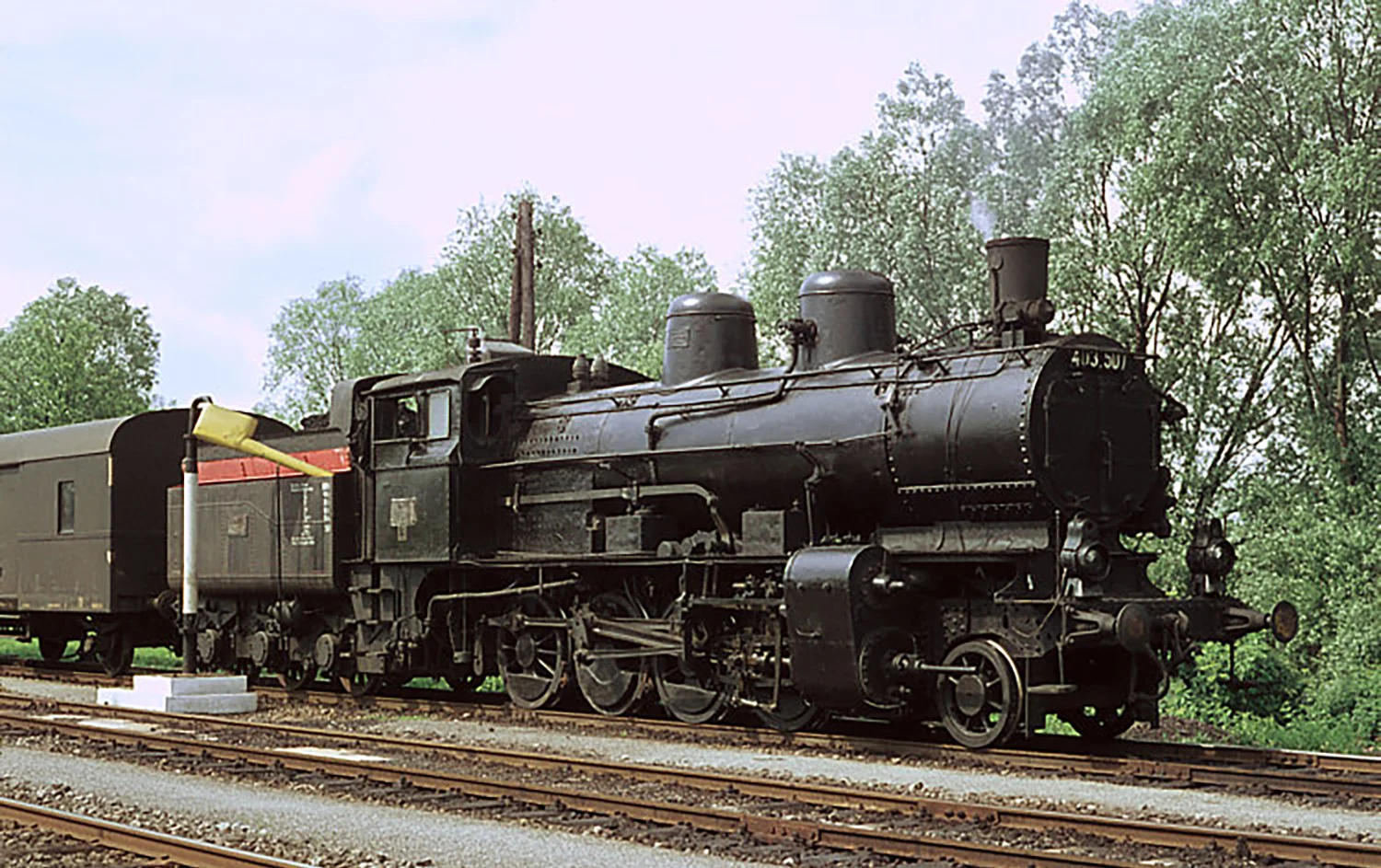
Vehicle type: Steam locomotive
Registration country: Hungary
Railway companies: MAV / MÁV - Magyar ÁllamvasutakGySEV - Raaberbahn
1928
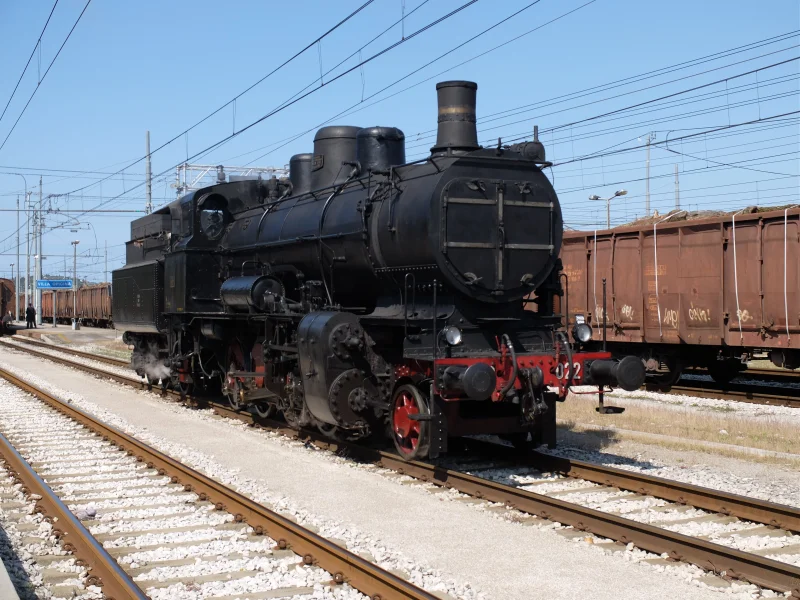
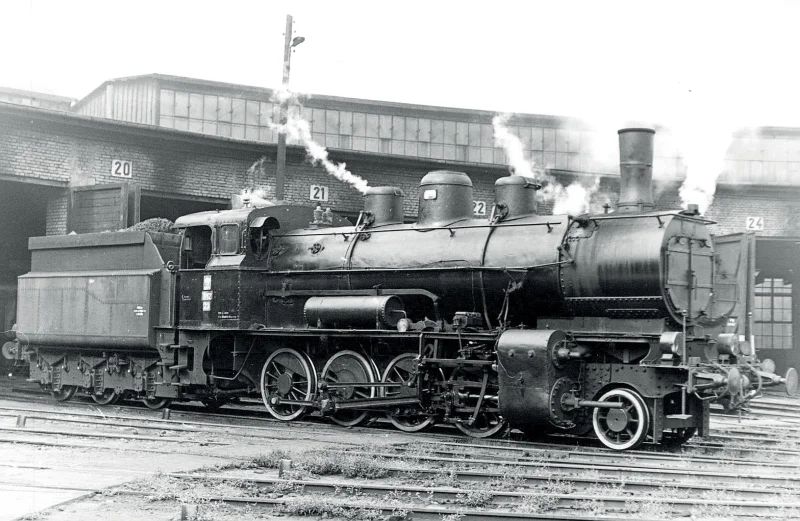
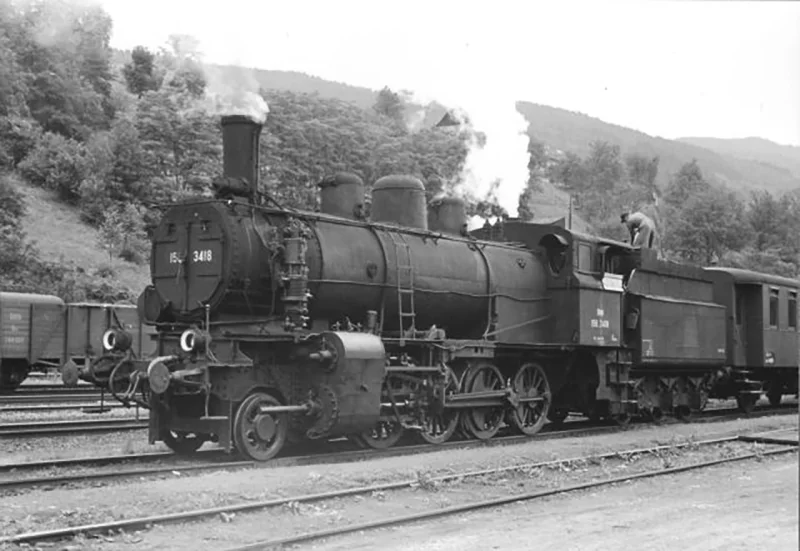
The locomotives were constructed between 1928 and 1930 by MÁVAG (Magyar Királyi Államvasutak Gépgyára) in Budapest for the Duna–Száva–Adria Vasút (DSA), or Danube–Save–Adria Railway, the successor to the Hungarian network of the former Southern Railway.
Eight locomotives were produced and originally numbered DSA 140.01 - 140.08. Although based on the Austrian kkStB Class 270 design, the Hungarian locomotives incorporated several modifications, including a feedwater dome with scale separator, relocated sandboxes, electric lighting and mechanical lubrication equipment.
1932
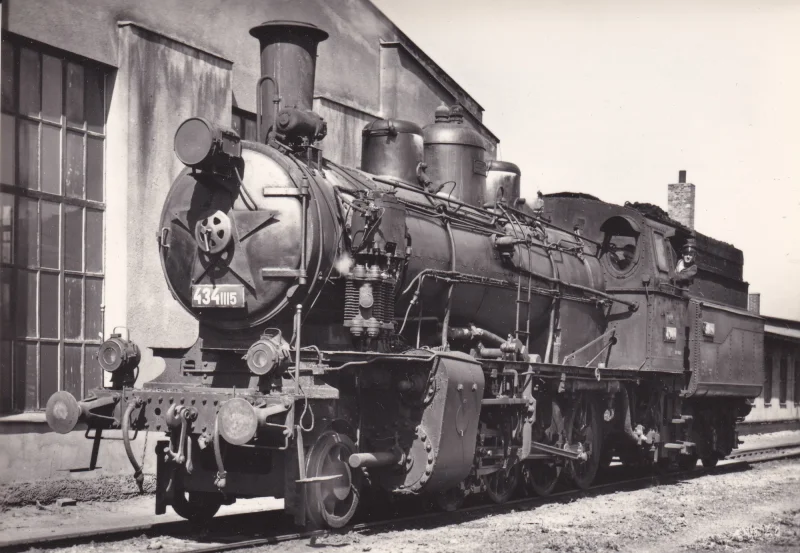
The locomotives subsequently remained part of the Hungarian fleet through the interwar period. Their history became considerably more complicated during the final stages of the Second World War, when locomotives and railway equipment were evacuated westwards or dispersed across territories occupied by different armies. As a result, several members of Class 403.5 were found outside Hungary after 1945. Some were eventually returned to MÁV, while others were incorporated into foreign railway fleets. MÁV 403.502 and 403.504, for example, entered Czechoslovak State Railways service after the war. They became ČSD 434.102 II and 434.107 II respectively, with the latter subsequently renumbered 434.1191 in 1948.
Other locomotives eventually returned to Hungary after several years abroad. MÁV 403.501 was returned from West Germany on 28 July 1952, while 403.503 returned from Poland on 18 November 1952.
1957
The progressive introduction of diesel traction reduced the need for the ageing steam locomotives, and the remaining members of Class 403.5 were gradually withdrawn. Although 403.507 survived considerably longer and was at one stage retained for possible museum preservation, it was ultimately scrapped at Szolnok in November 1995.
Do you have additional informations regarding this vehicle?
Help us writing the history of Class 403.5! Your knowledge is precious for us and the entire community, do not hesitate to share your facts, photos or videos:
Latest update on the 10th of October 2026 at 20:57
Contributor(s): Tudor C.
Advertising:
Class 403.5 - Related rolling stock from category "kkStB - Class 270 locomotive family":


Advertising:

The identity card, photos and videos for thousands of railway vehicles all around Europe!
