
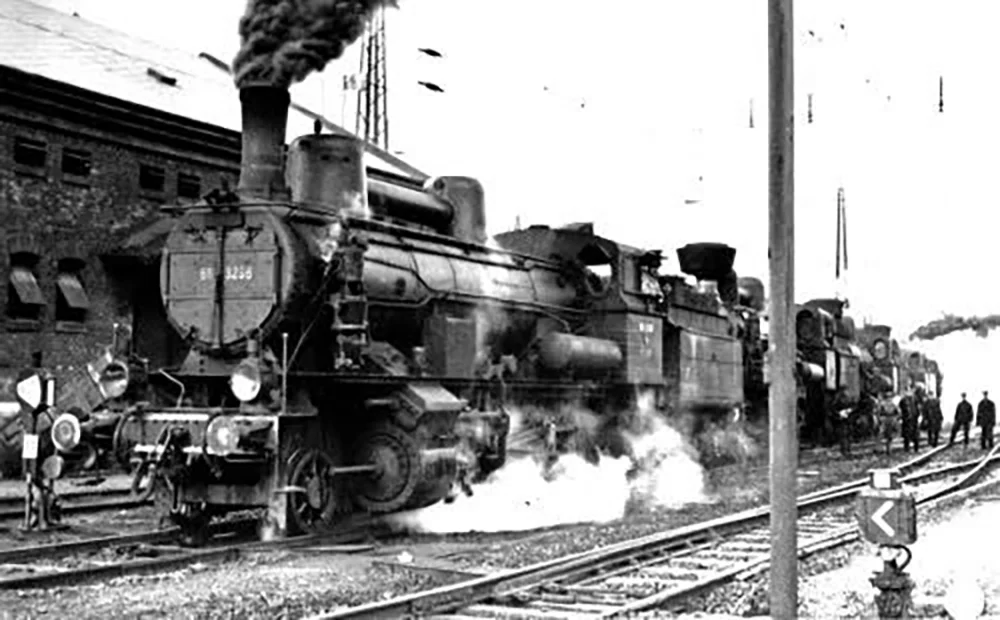
Vehicle type: Steam locomotive
Registration country: Hungary
Railway companies: MAV / MÁV - Magyar ÁllamvasutakGySEV - Raaberbahn
1939
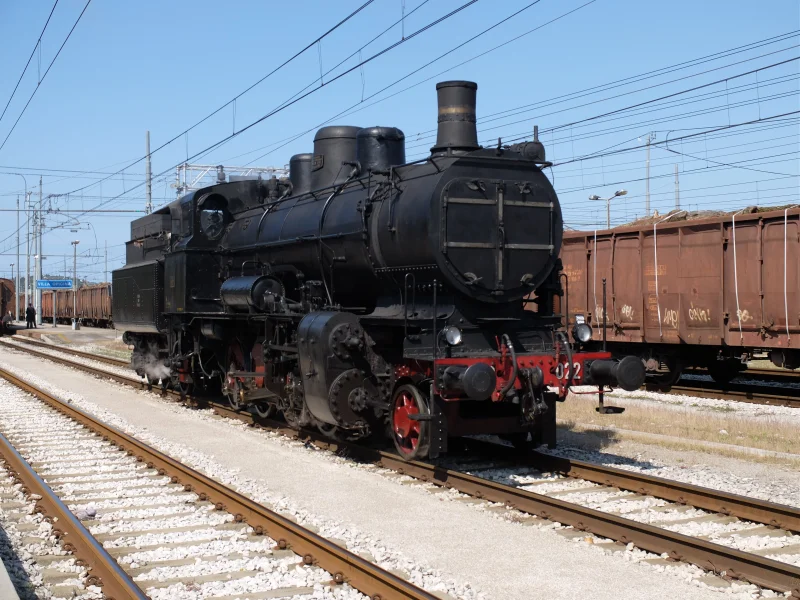
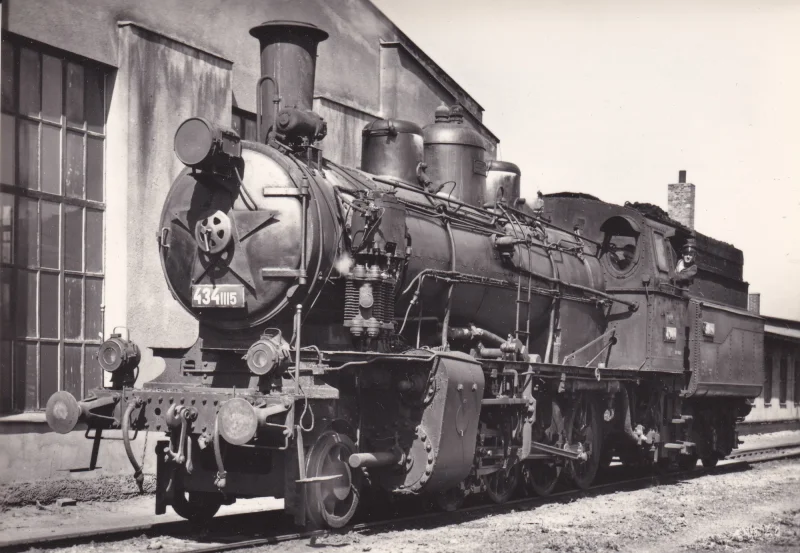
The group originated principally from the Czechoslovak State Railways (ČSD) Class 434.1. Following the territorial changes of 1938-1939, Hungary assumed control of railway lines previously administered by Czechoslovakia in southern Slovakia and Carpathian Ruthenia.
In 1939, 19 former ČSD Class 434.1 locomotives were incorporated into the Hungarian State Railways fleet. MÁV classified them as Class 403.6 and assigned the numbers 403.601 - 403.619.
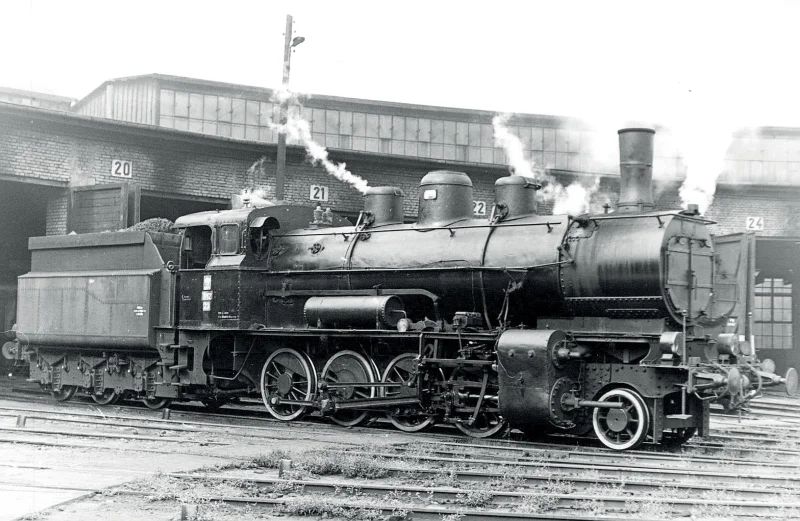
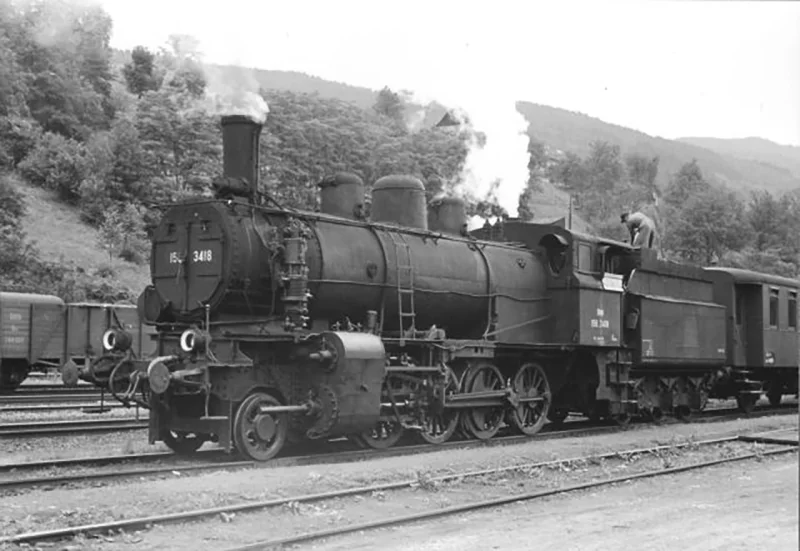
The locomotives were not completely homogeneous in origin. Some had originally been built as kkStB Class 270 locomotives during the final years of Austria-Hungary, while others had been manufactured after the First World War for the Czechoslovak railway administration using the same basic design.
A twentieth locomotive joined the group during the Second World War. Former Polish State Railways locomotive PKP Tr12-91, another member of the Class 270 family, entered Hungarian service on 1 May 1941 and became MÁV 403.620.
Class 403.6 therefore reached a maximum of 20 locomotives, numbered 403.601 - 403.620.
1945
After 1945, many of the former ČSD locomotives were returned to Czechoslovakia and resumed service as members of Class 434.1. Other locomotives were eventually returned to Hungary through post-war railway equipment exchanges.
The former Polish locomotive 403.620 was likewise returned to Poland, where it re-entered PKP service.
Consequently, the post-war MÁV Class 403.6 fleet was considerably smaller than the 20-locomotive wartime group.
Some of the locomotives that remained in Hungary subsequently passed to the Győr–Sopron–Ebenfurth Railway (GySEV), where members of the Class 270 family continued operating after their withdrawal from regular MÁV service.
Do you have additional informations regarding this vehicle?
Help us writing the history of Class 403.6! Your knowledge is precious for us and the entire community, do not hesitate to share your facts, photos or videos:
Latest update on the 10th of October 2026 at 21:11
Contributor(s): Tudor C.
Advertising:
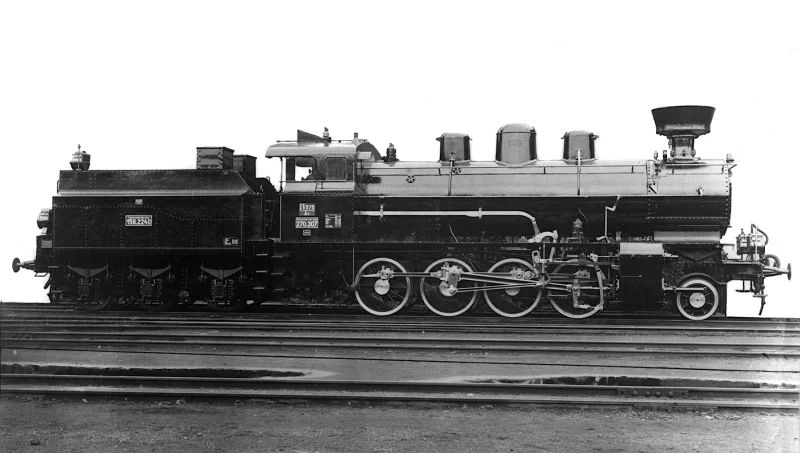
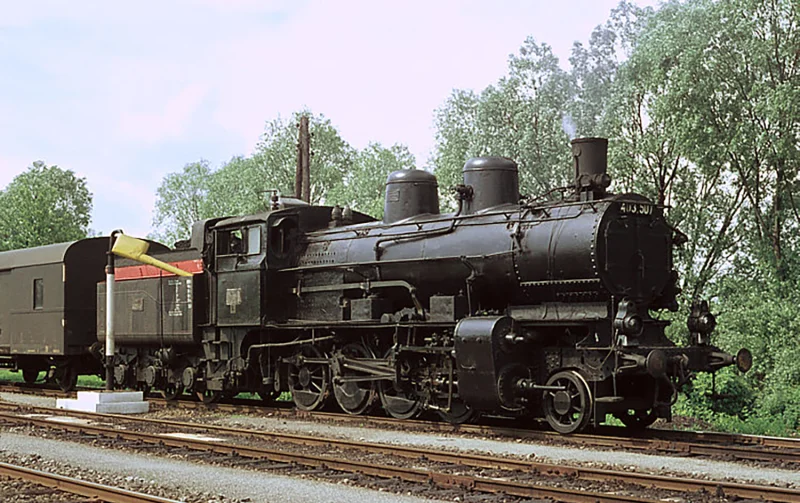
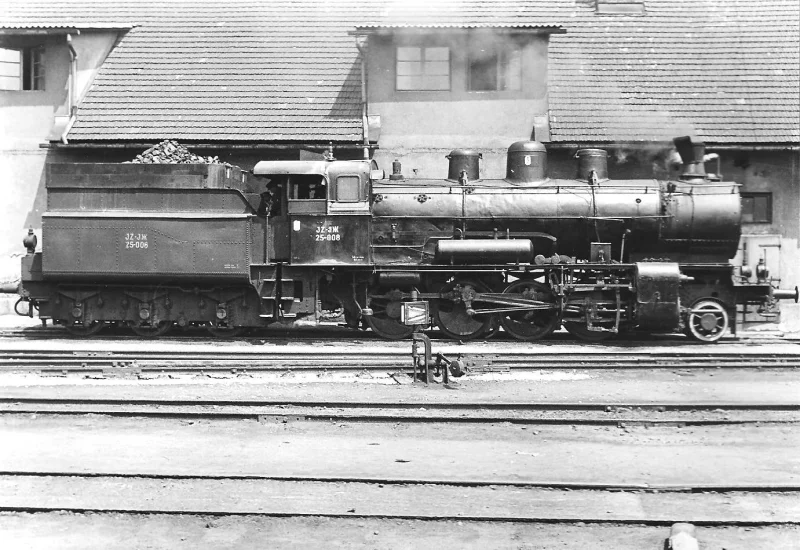
Class 403.6 - Related rolling stock from category "kkStB - Class 270 locomotive family":


Advertising:

The identity card, photos and videos for thousands of railway vehicles all around Europe!
