
Vehicle type: Steam locomotive
Registration country: Albania
Railway companies: HSH - Hekurudha Shqiptare
1945
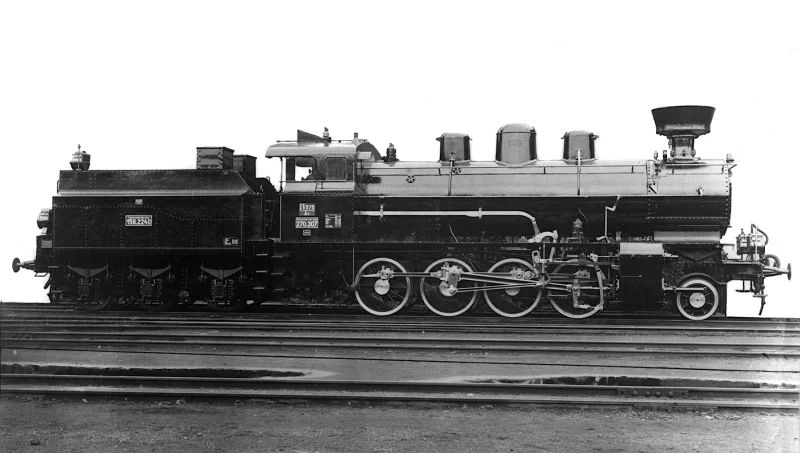
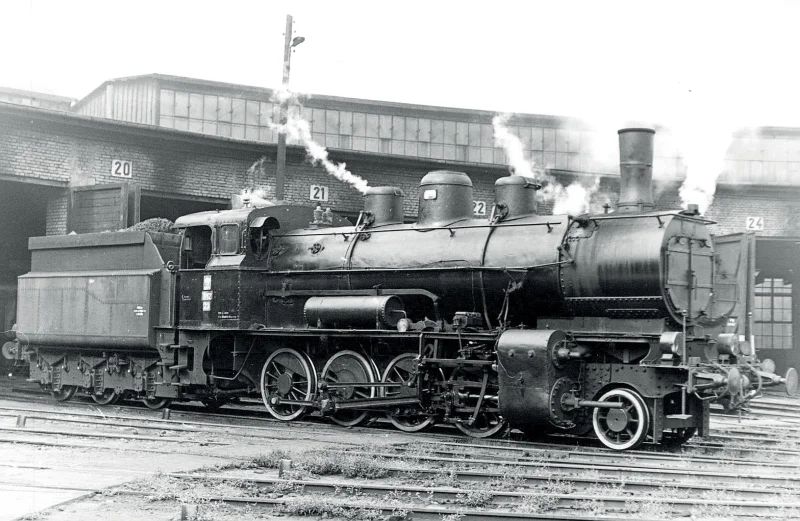
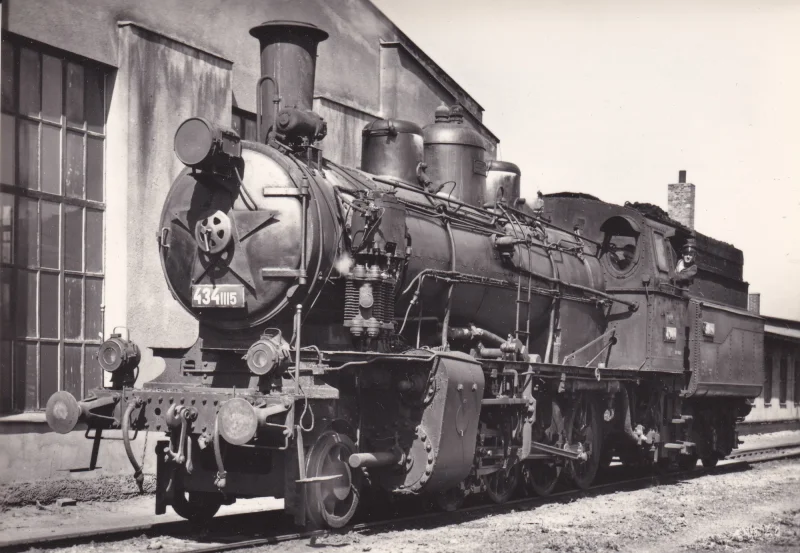
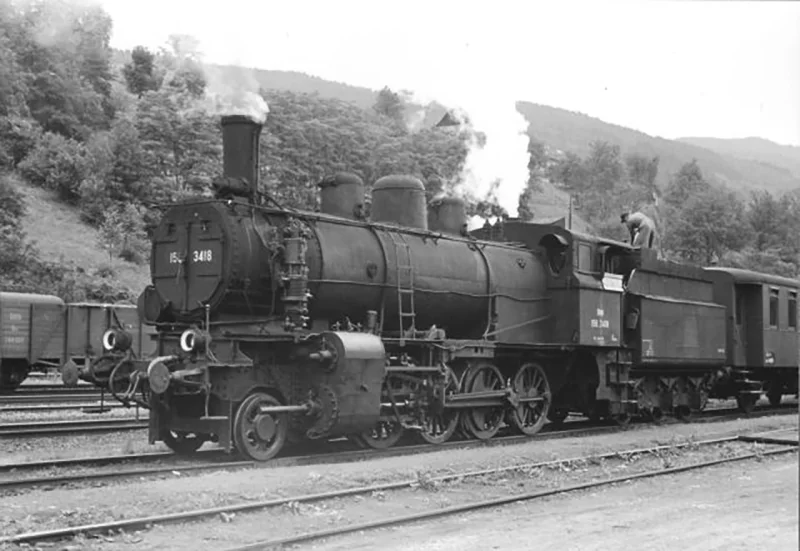
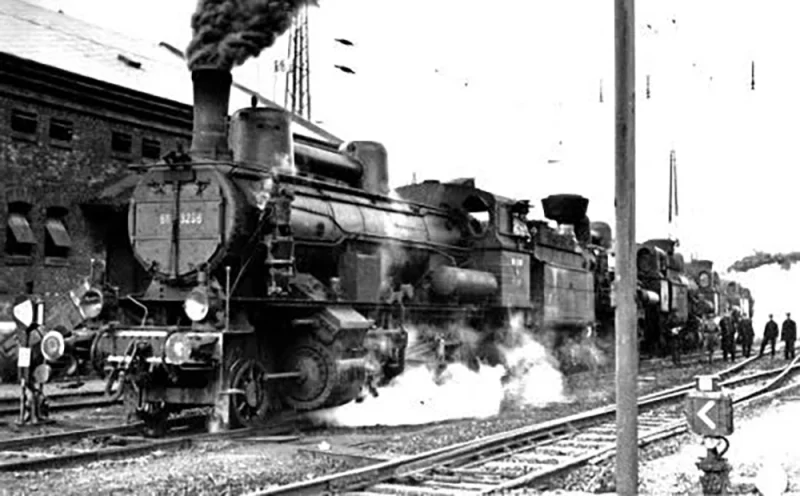
The four locomotives were BBÖ 270.110, 270.117, 270.227 and 270.308, which had received the German numbers 56.3408, 56.3415, 56.3457 and 56.3496 respectively. All four had been manufactured by the Lokomotivfabrik Floridsdorf in Vienna.
During the Second World War, the locomotives became part of the German railway fleet operating across Central and Eastern Europe. Following Germany’s defeat in 1945, they came under Soviet control as captured railway equipment. The Soviet Union subsequently supplied the four locomotives to Albania as part of its assistance with the development of the country’s railway infrastructure. The locomotives were available for the opening of Albania’s first permanent standard-gauge railway, connecting the Adriatic port of Durrës with Peqin. The 43-kilometre line was officially inaugurated on 7 November 1947, marking the beginning of regular standard-gauge railway operations in Albania. One of the former Austrian Class 270 locomotives is believed to have hauled the inaugural train.
The locomotives subsequently became part of the early fleet of Hekurudha Shqiptare (HSH), the Albanian State Railways, operating passenger and freight services on the developing railway network.
Their relatively moderate axle load and powerful four-coupled-wheel arrangement made them suitable for the country’s newly constructed railway infrastructure. The railway network expanded rapidly during the following years. The Durrës–Peqin line was extended to Elbasan in 1950, while a new railway connecting Durrës with the capital, Tirana, opened on 23 February 1949. The former Class 270 locomotives participated in the early development of these services, alongside other second-hand steam locomotives supplied from Yugoslavia and the Soviet Union.
1950
Do you have additional informations regarding this vehicle?
Help us writing the history of Class 56.34! Your knowledge is precious for us and the entire community, do not hesitate to share your facts, photos or videos:
Latest update on the 10th of October 2026 at 21:25
Contributor(s): Tudor C.
Advertising:
Class 56.34 - Related rolling stock from category "kkStB - Class 270 locomotive family":


Advertising:

The identity card, photos and videos for thousands of railway vehicles all around Europe!
