
Quelle: N Stjerna - flickr.com
Quelle: facebook.com
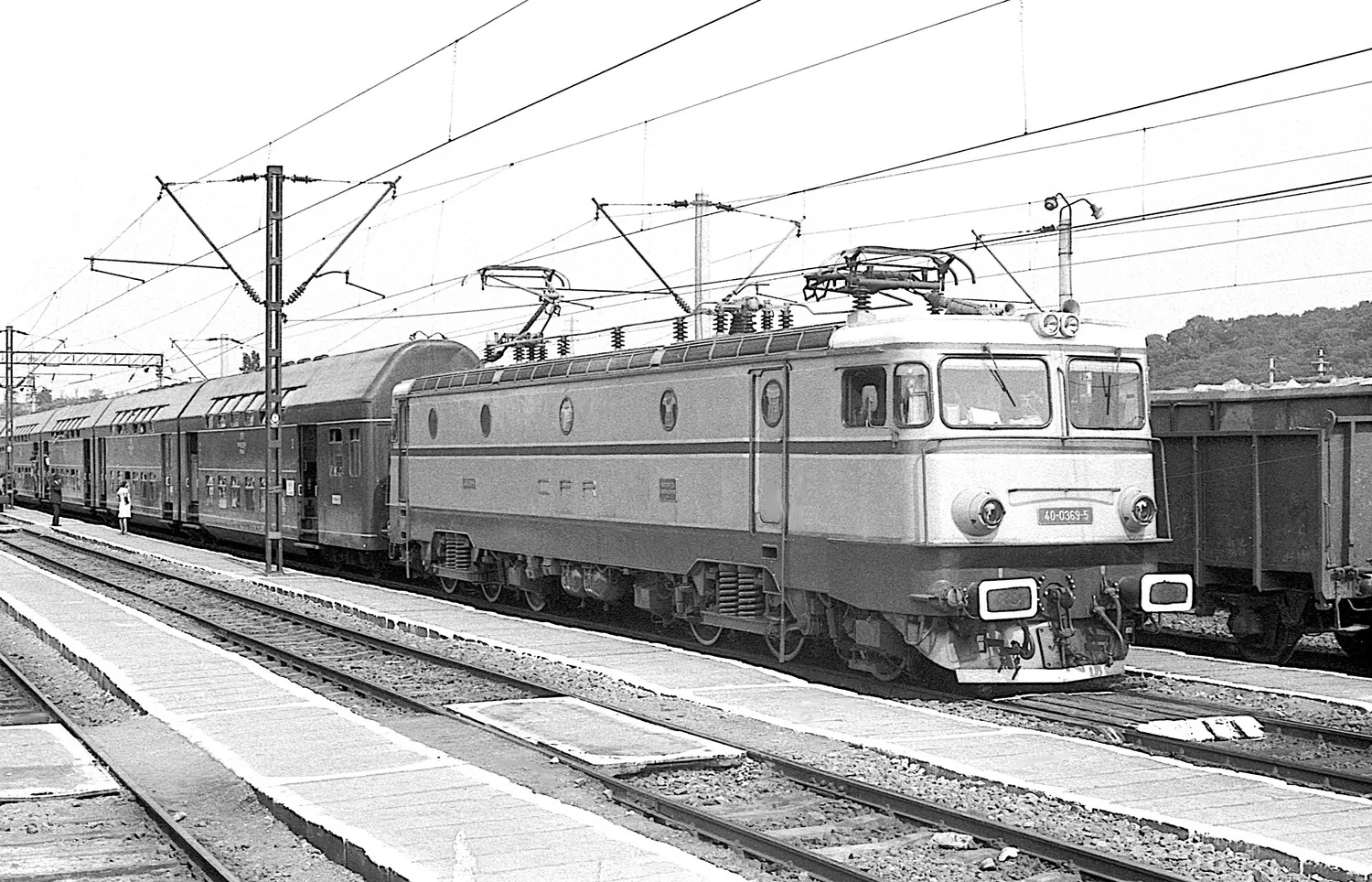
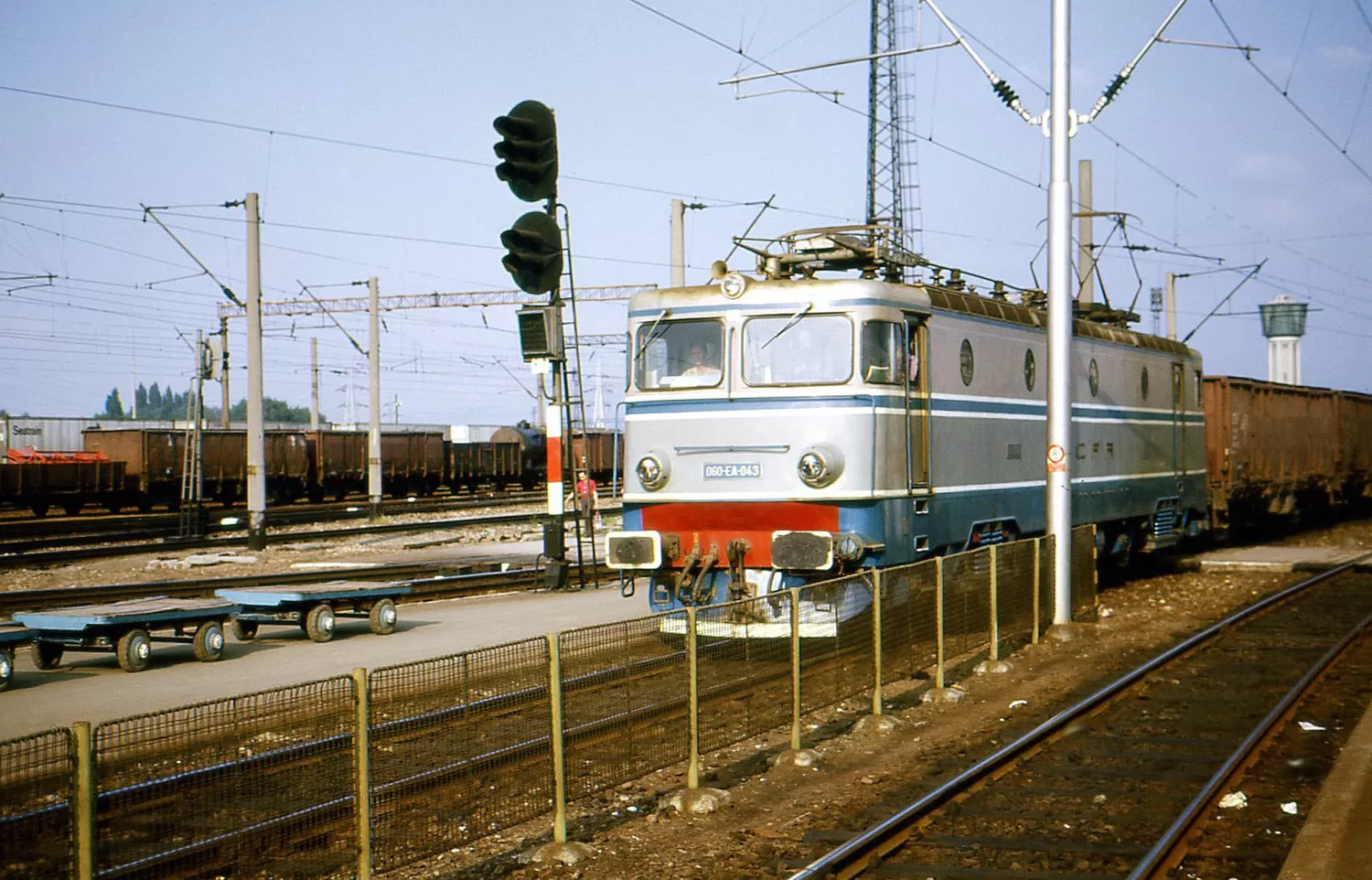
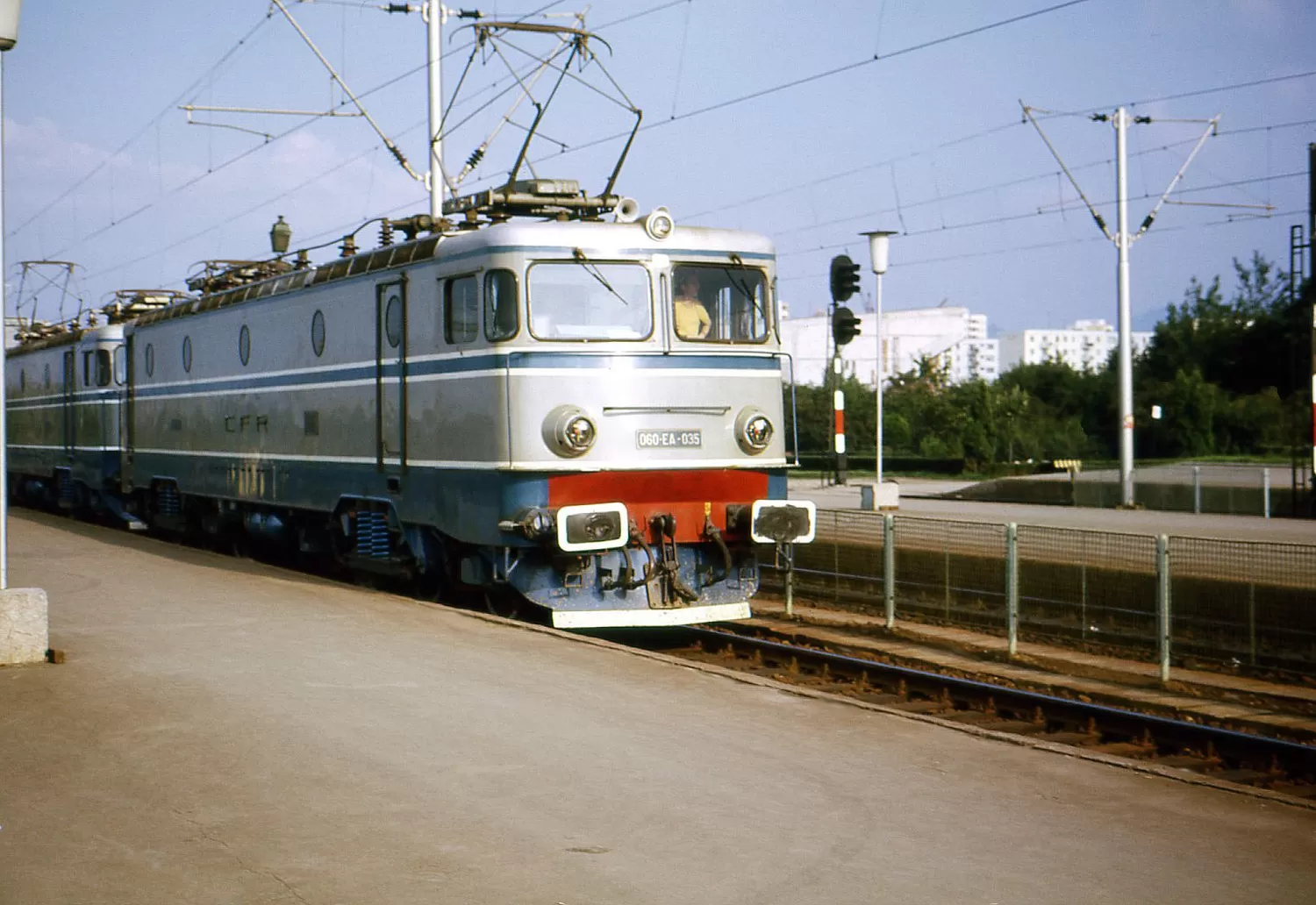
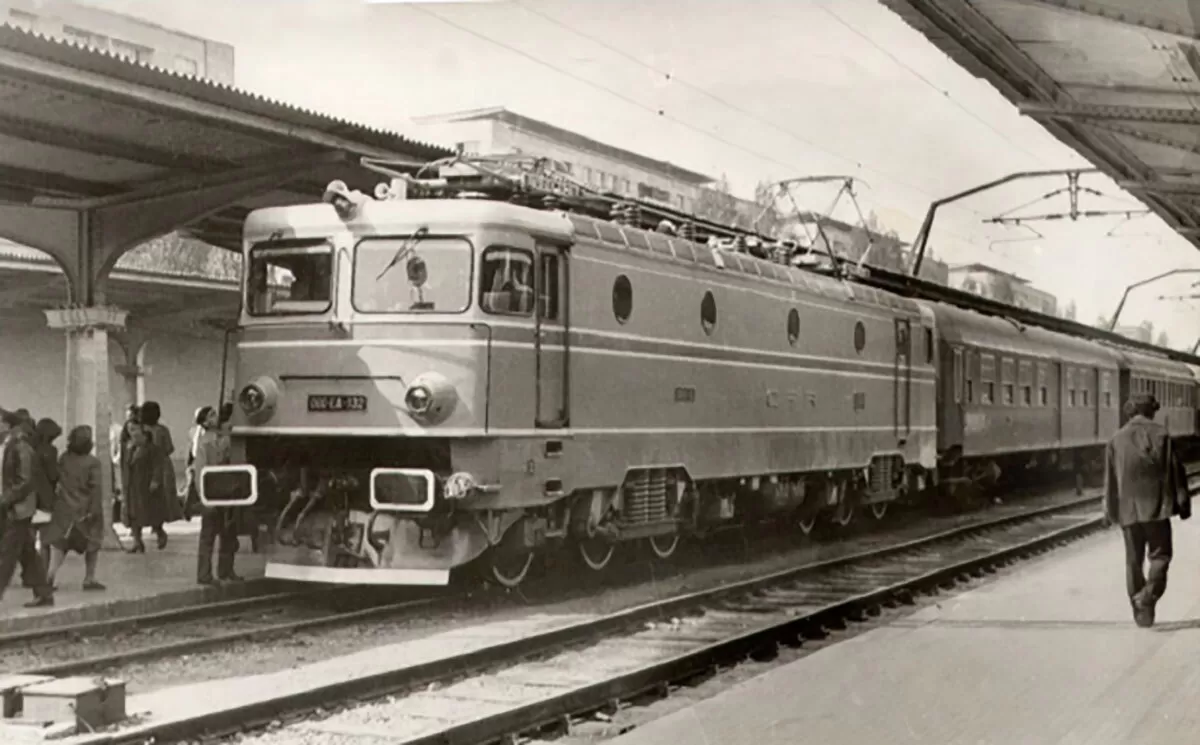
Quelle: Ing. Ilie Popescu - facebook.com
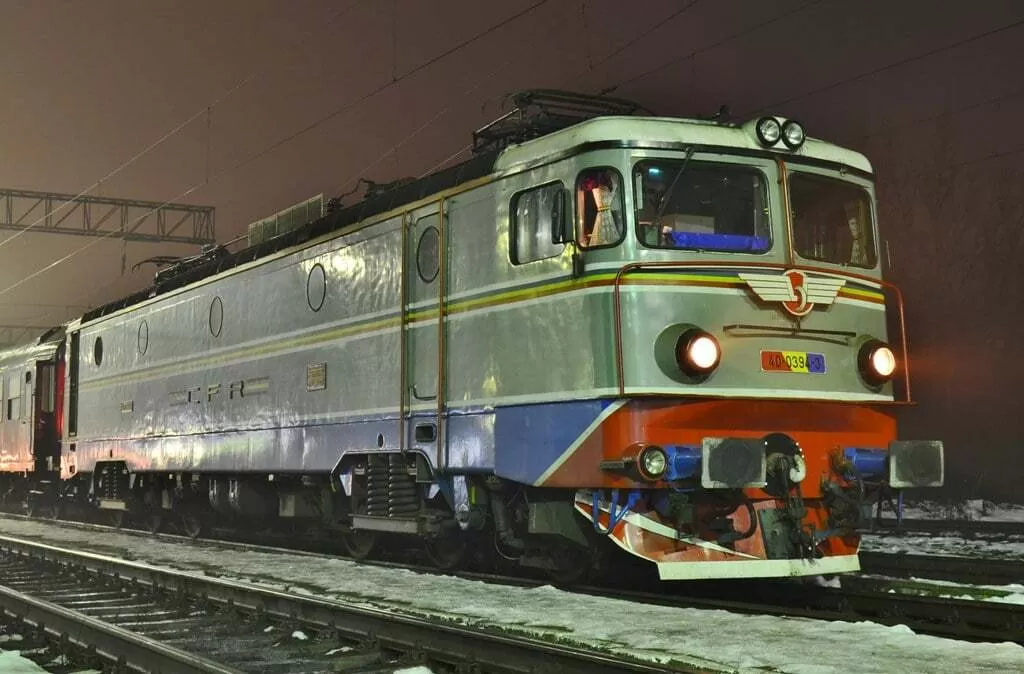
Quelle: Andrei Marian - facebook.com
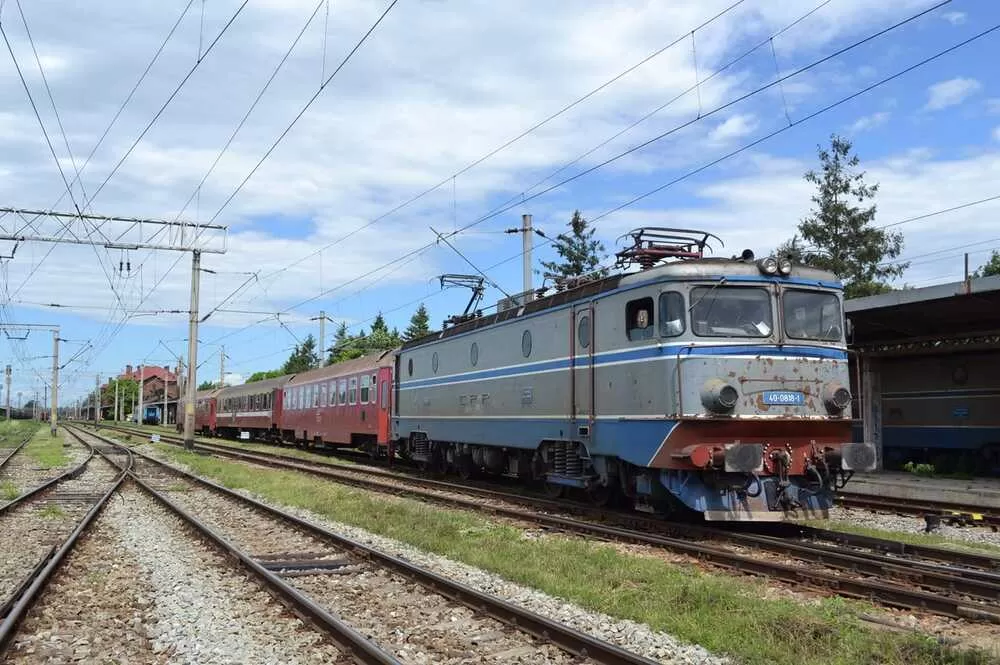
Quelle: Giurcă Florin - facebook.com
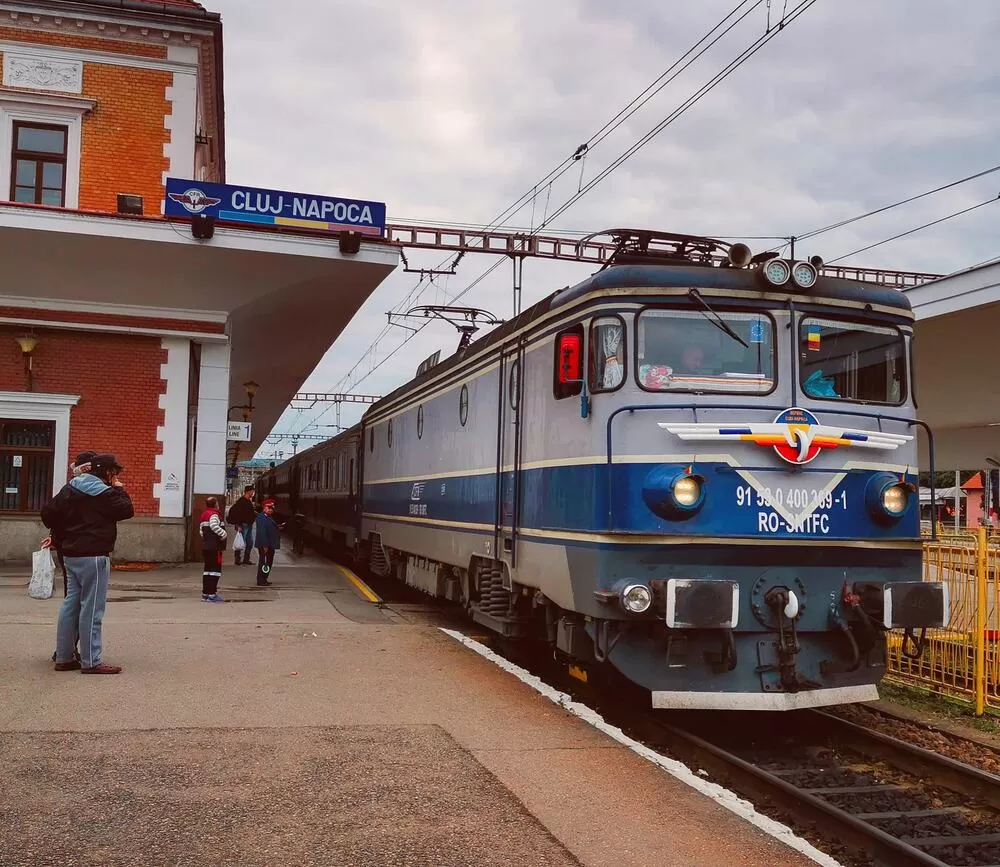
Quelle: Butescu Andrei - facebook.com
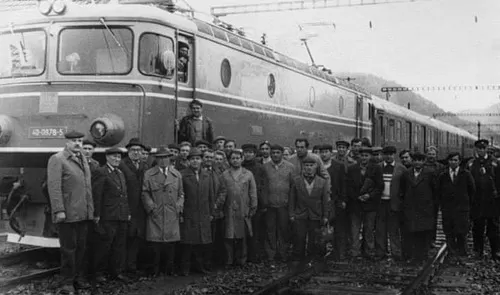
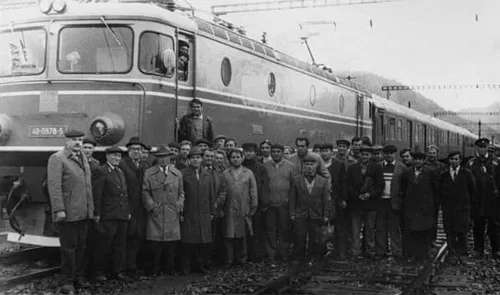
Quelle: facebook.com
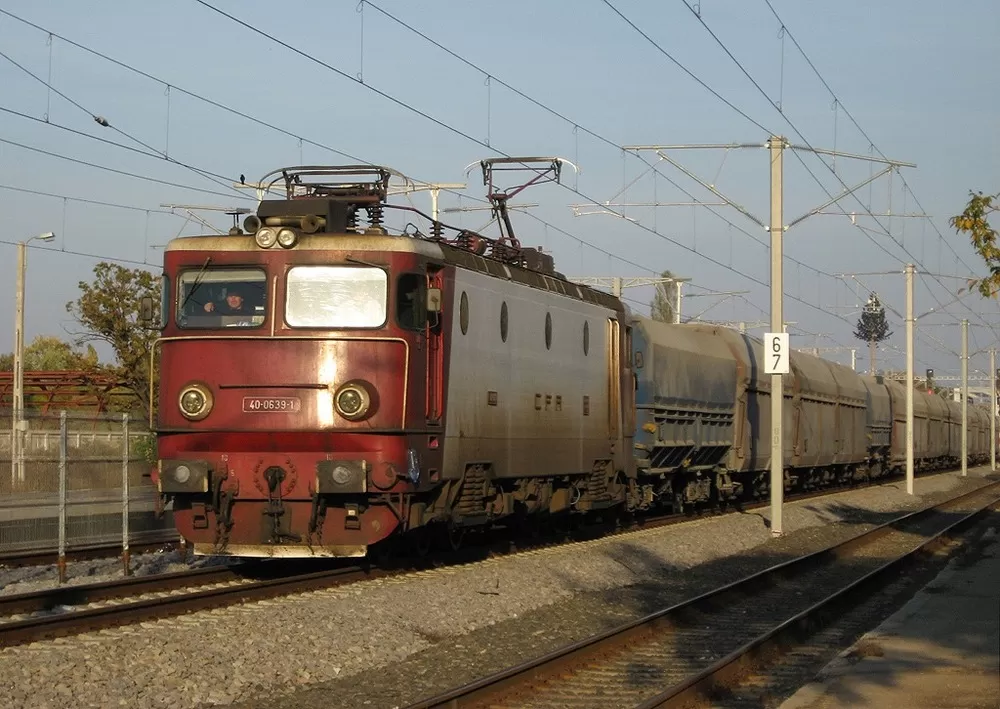
Quelle: Ștefan Stănescu - facebook.com
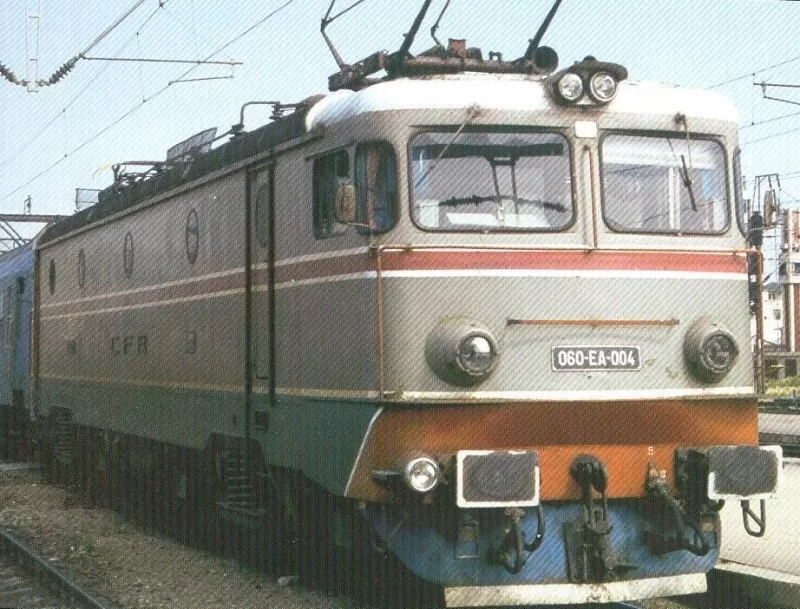
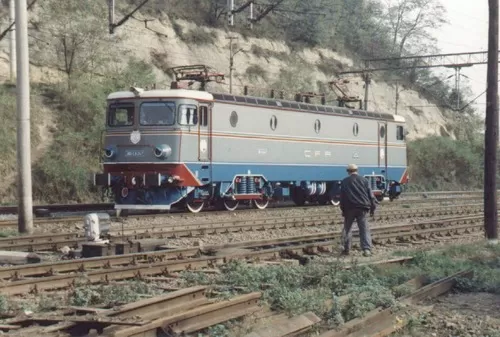
Quelle: Cees Schaap - facebook.com
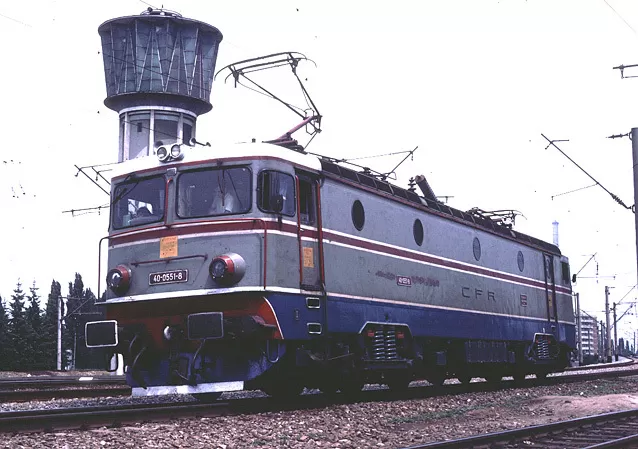
Quelle: silkroad1960.web.fc2.com

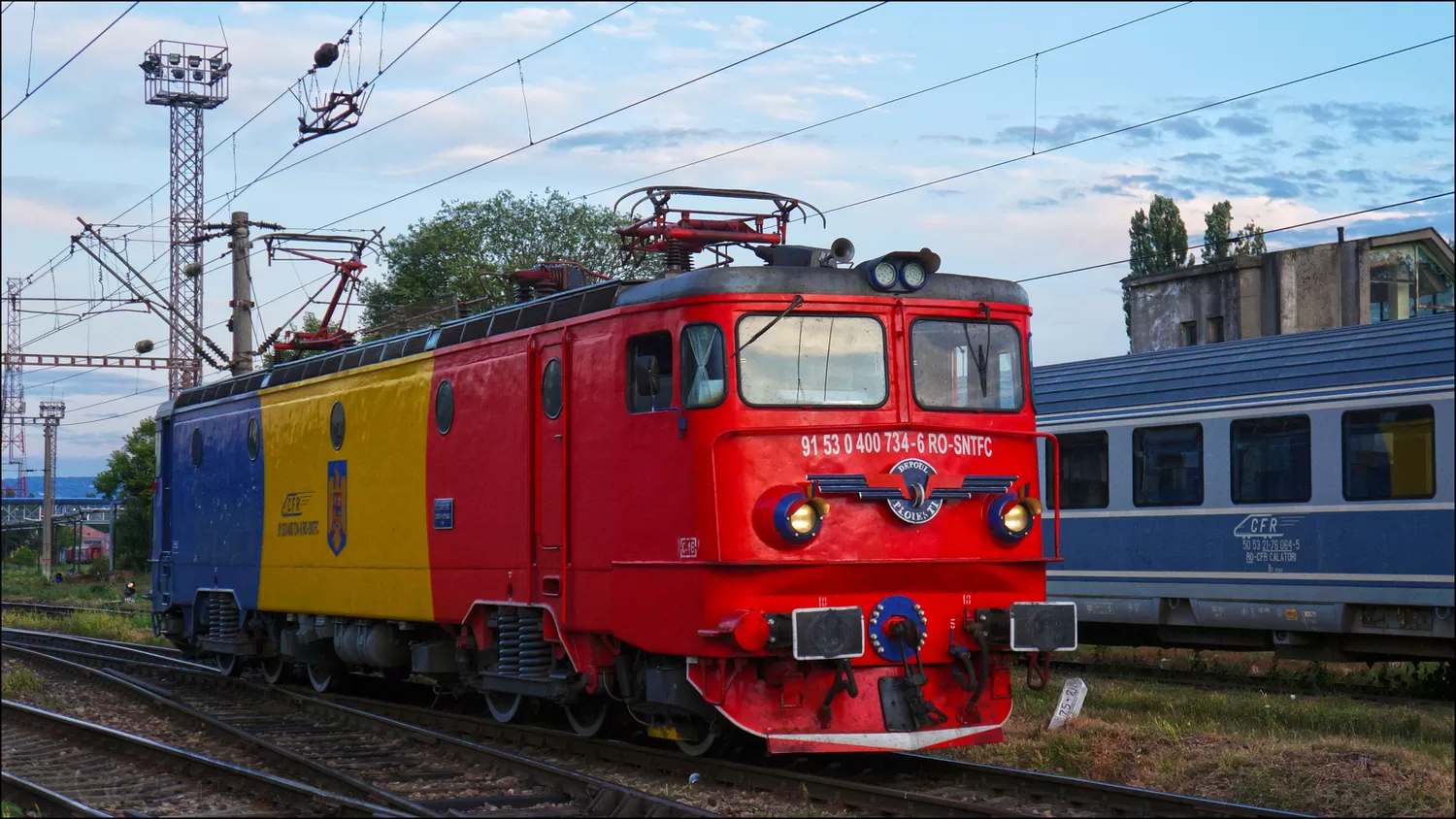
Quelle: Lucian-Gabriel Mardare
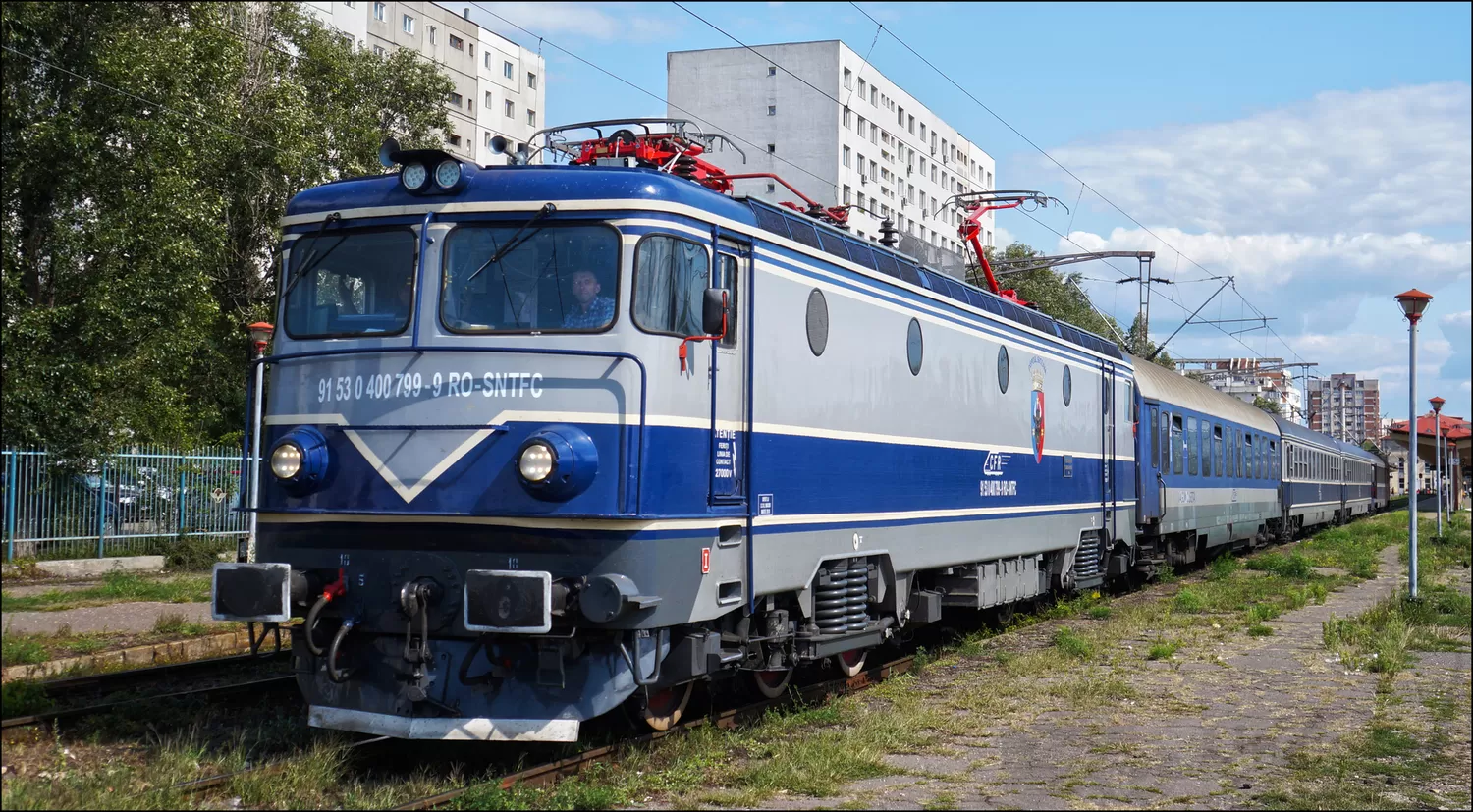
Quelle: Lucian-Gabriel Mardare
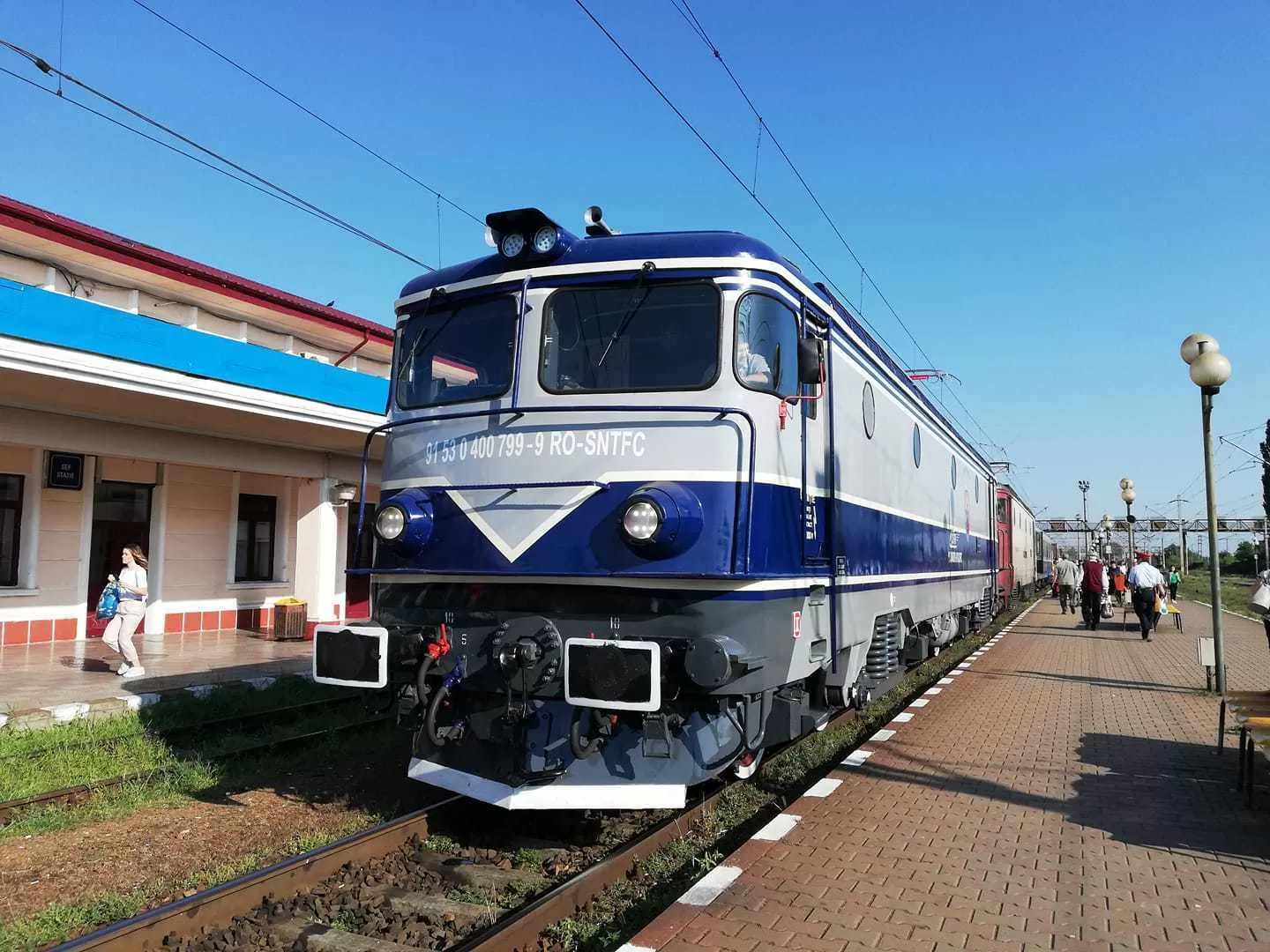
Quelle: forum.metrouusor.com
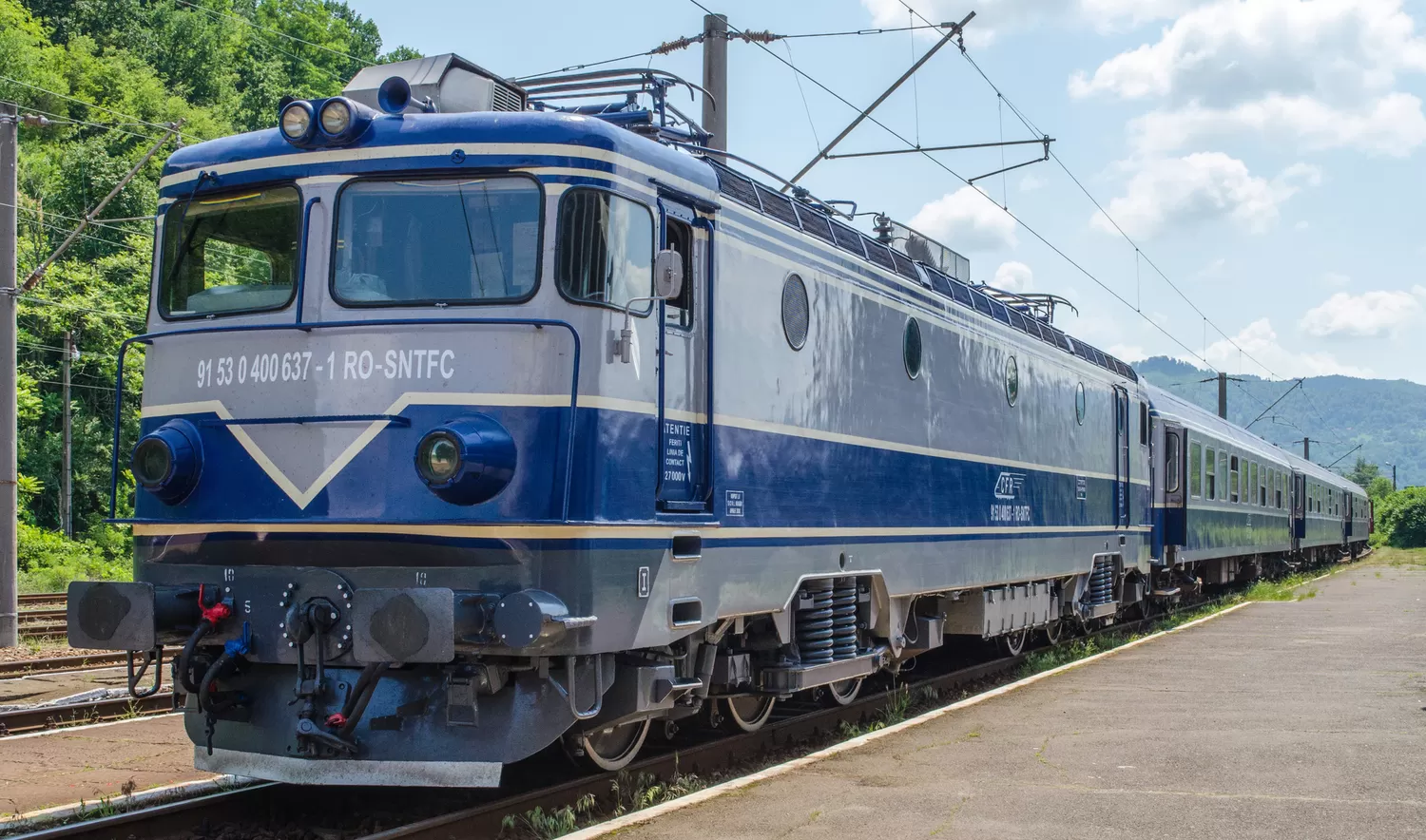
Quelle: Artinescu Razvan
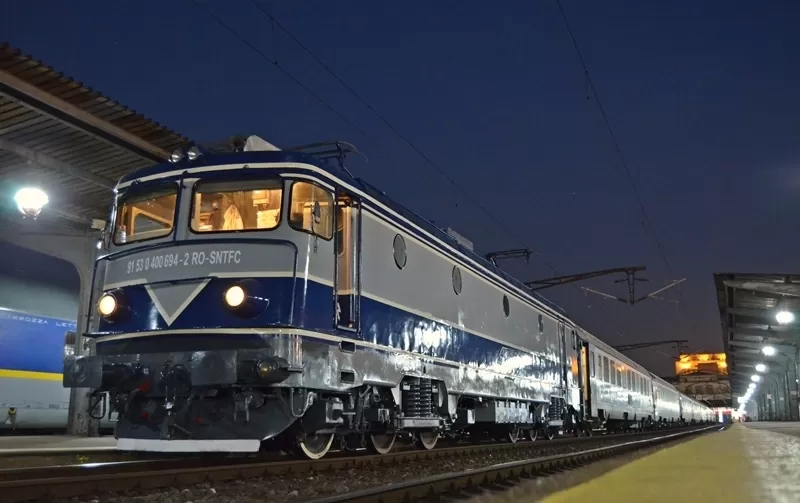
Quelle: forum.metrouusor.com
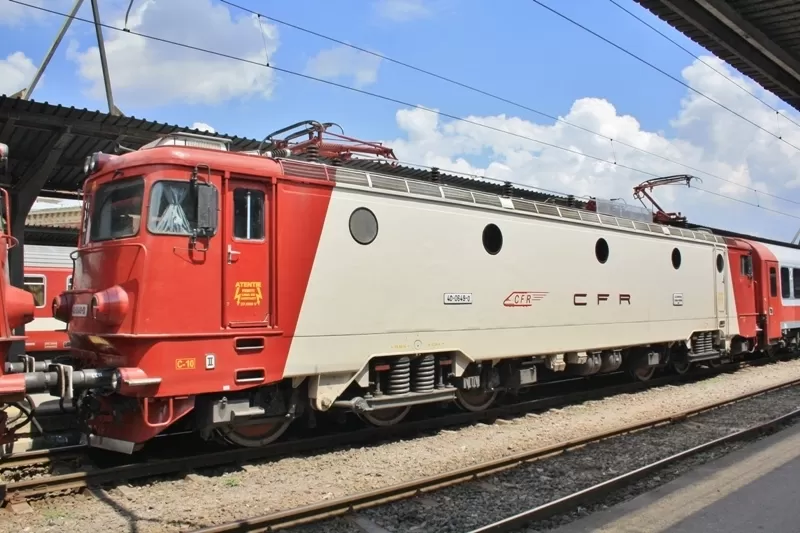
Quelle: forum.metrouusor.com
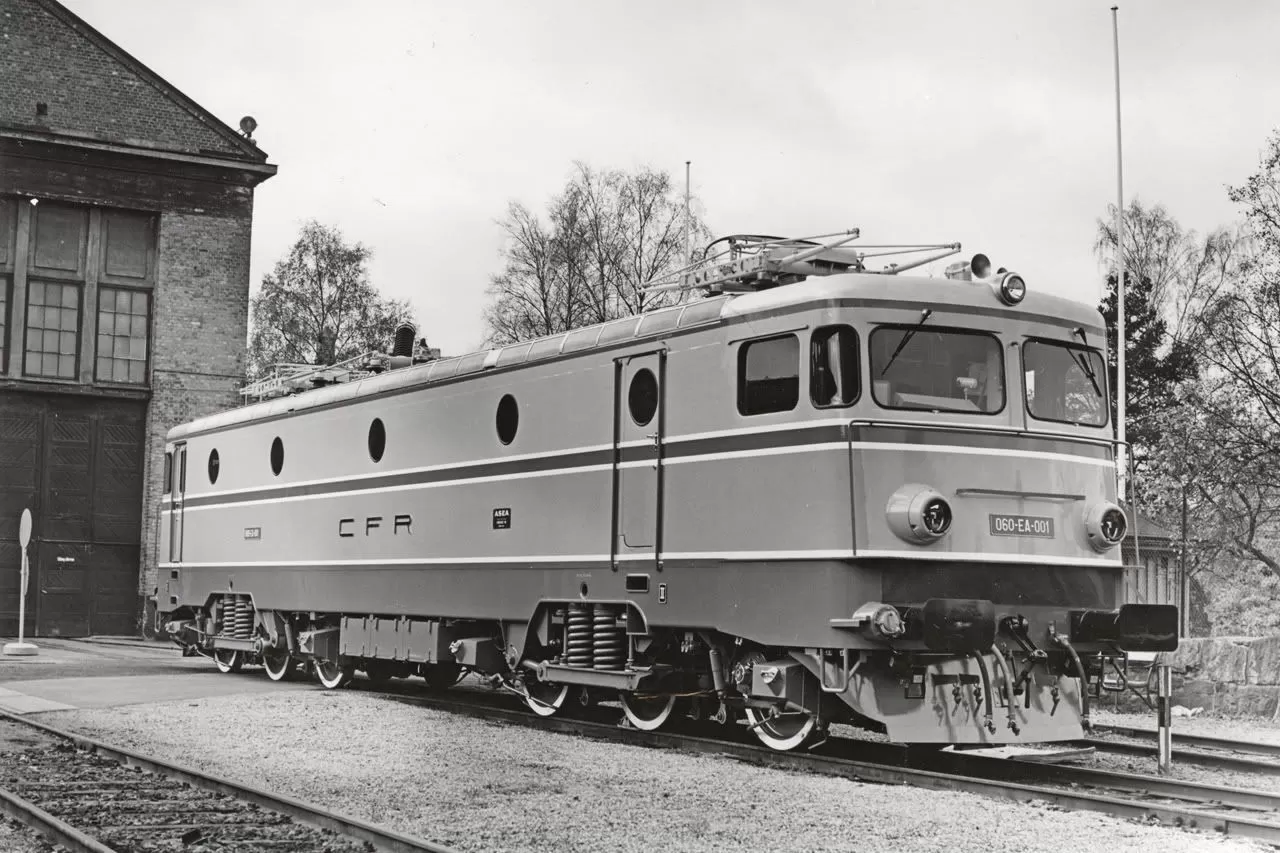
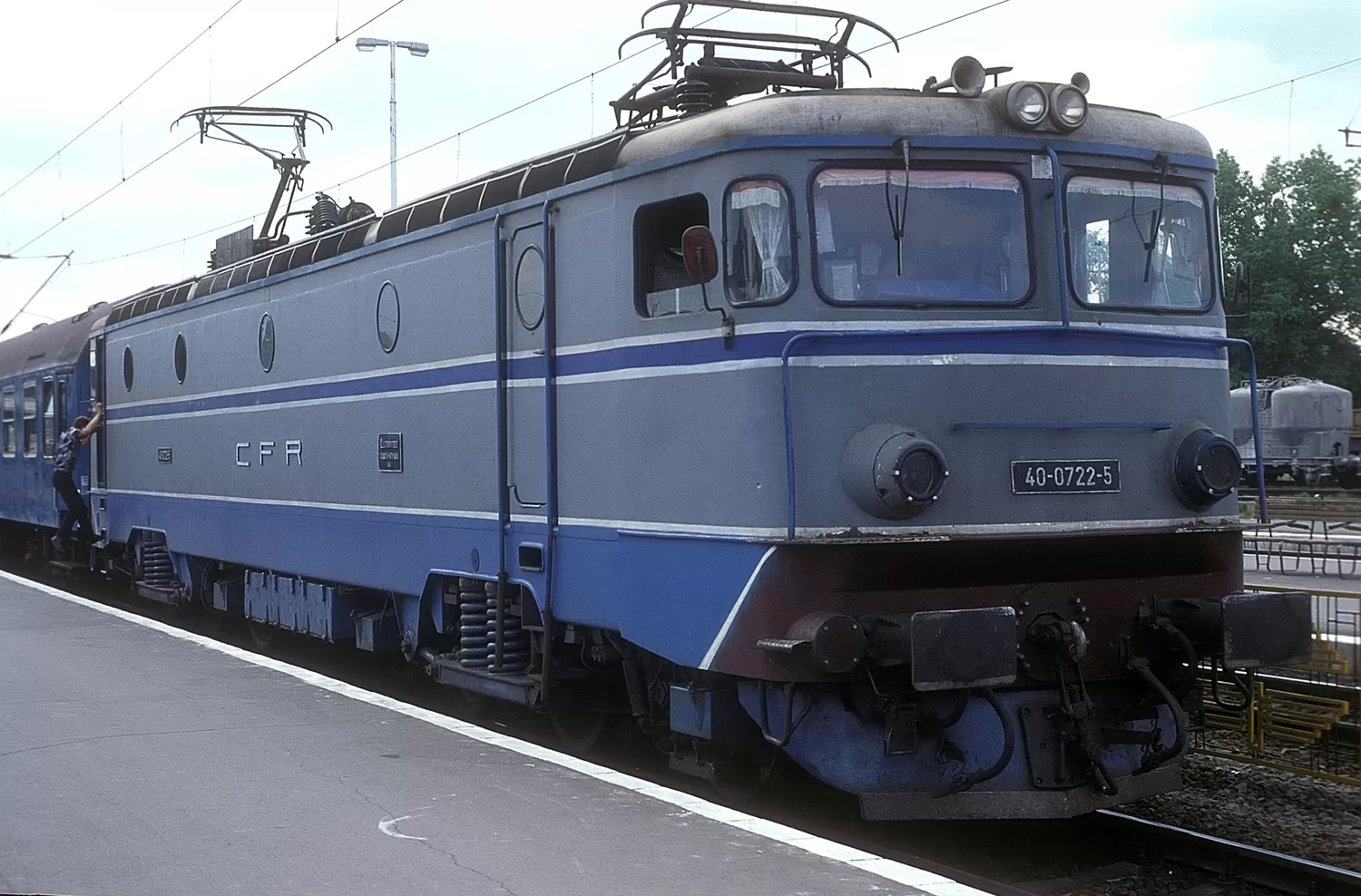
Quelle: Bahnbilder von W. + H. Brutzer
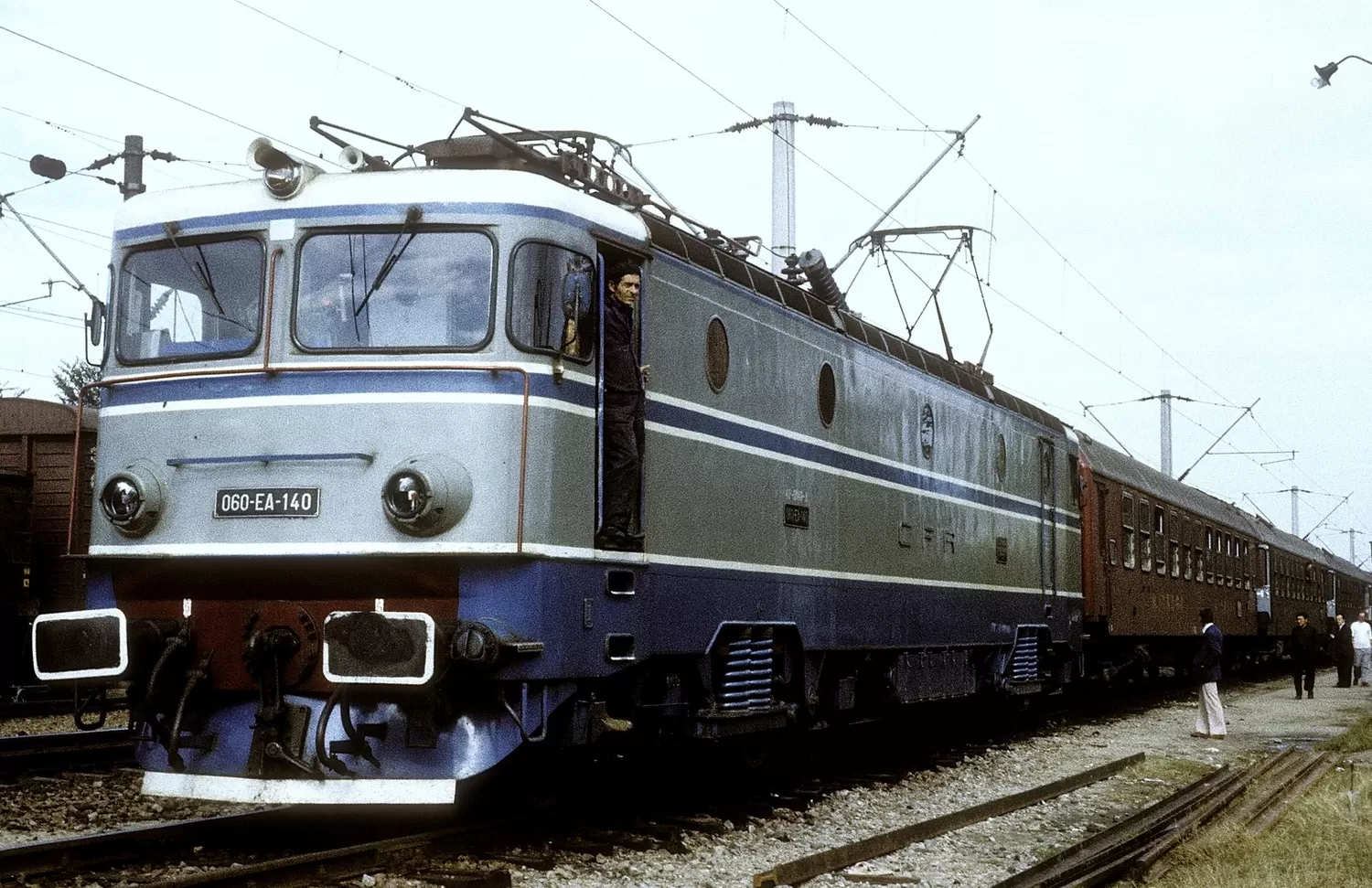
Quelle: L. Walter
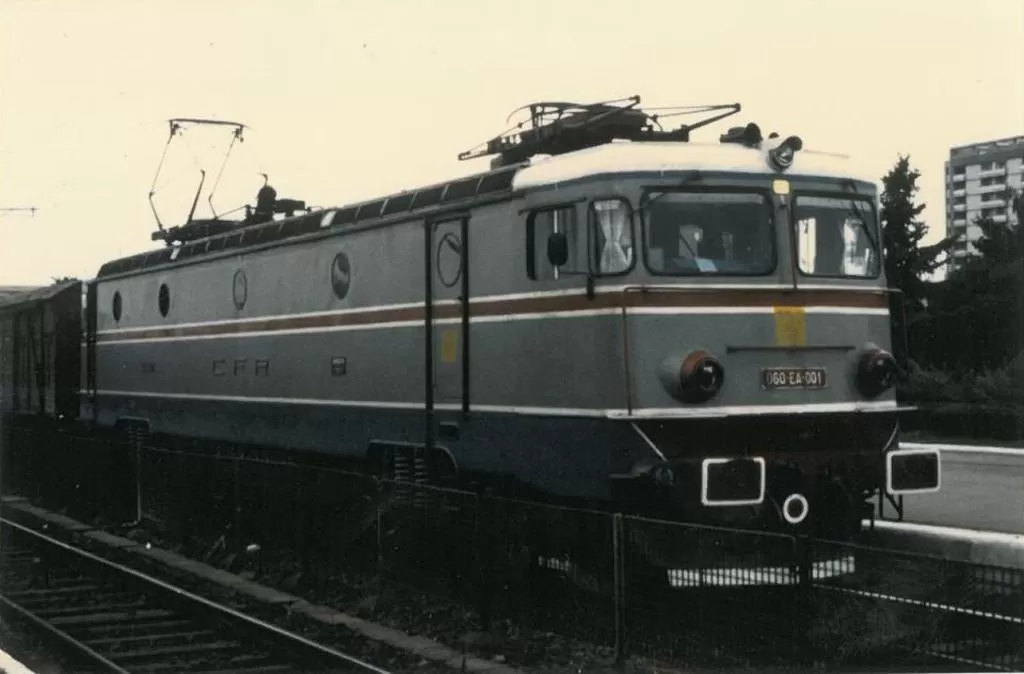
Quelle: Pierre B
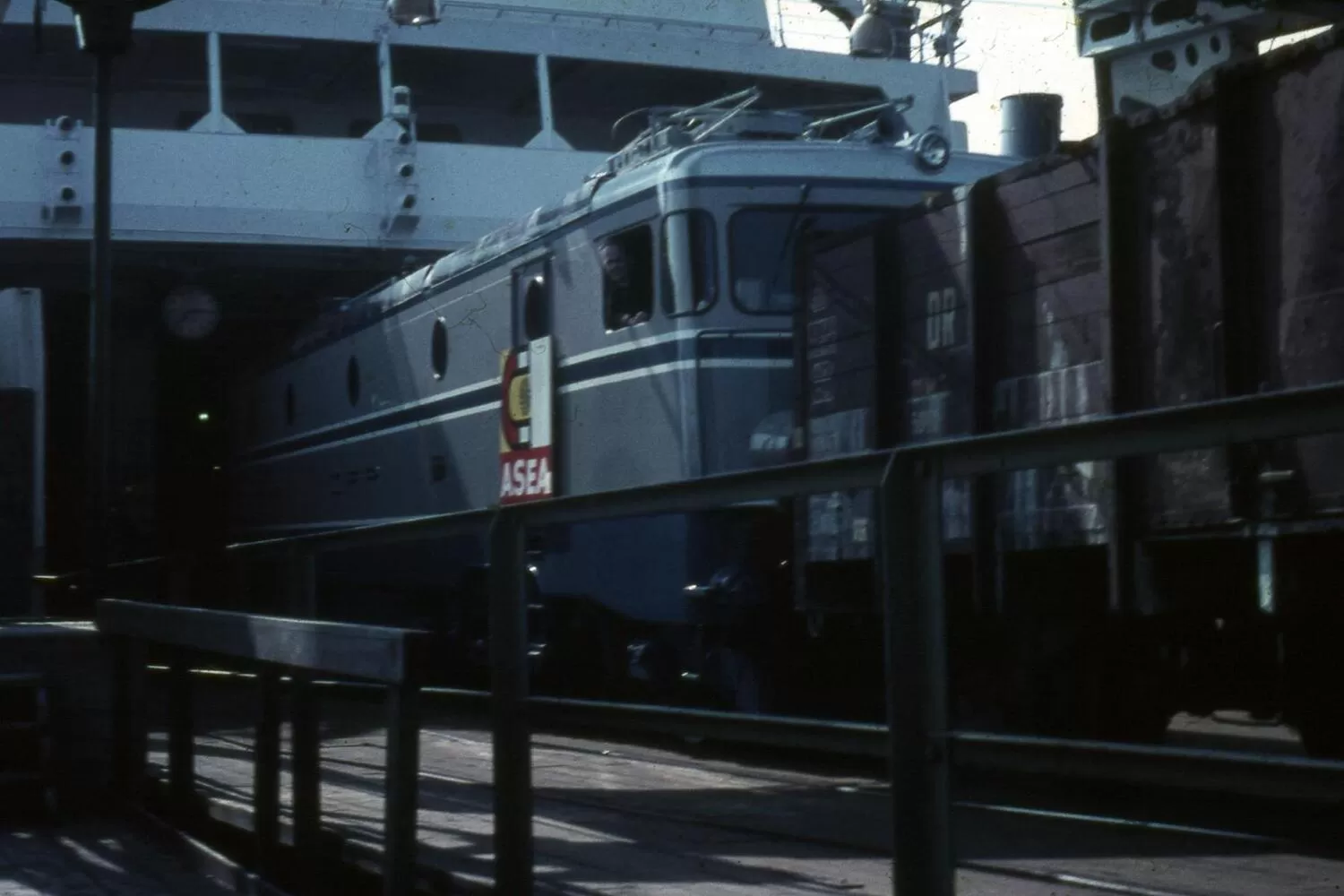
Quelle: N Stjerna - flickr.com
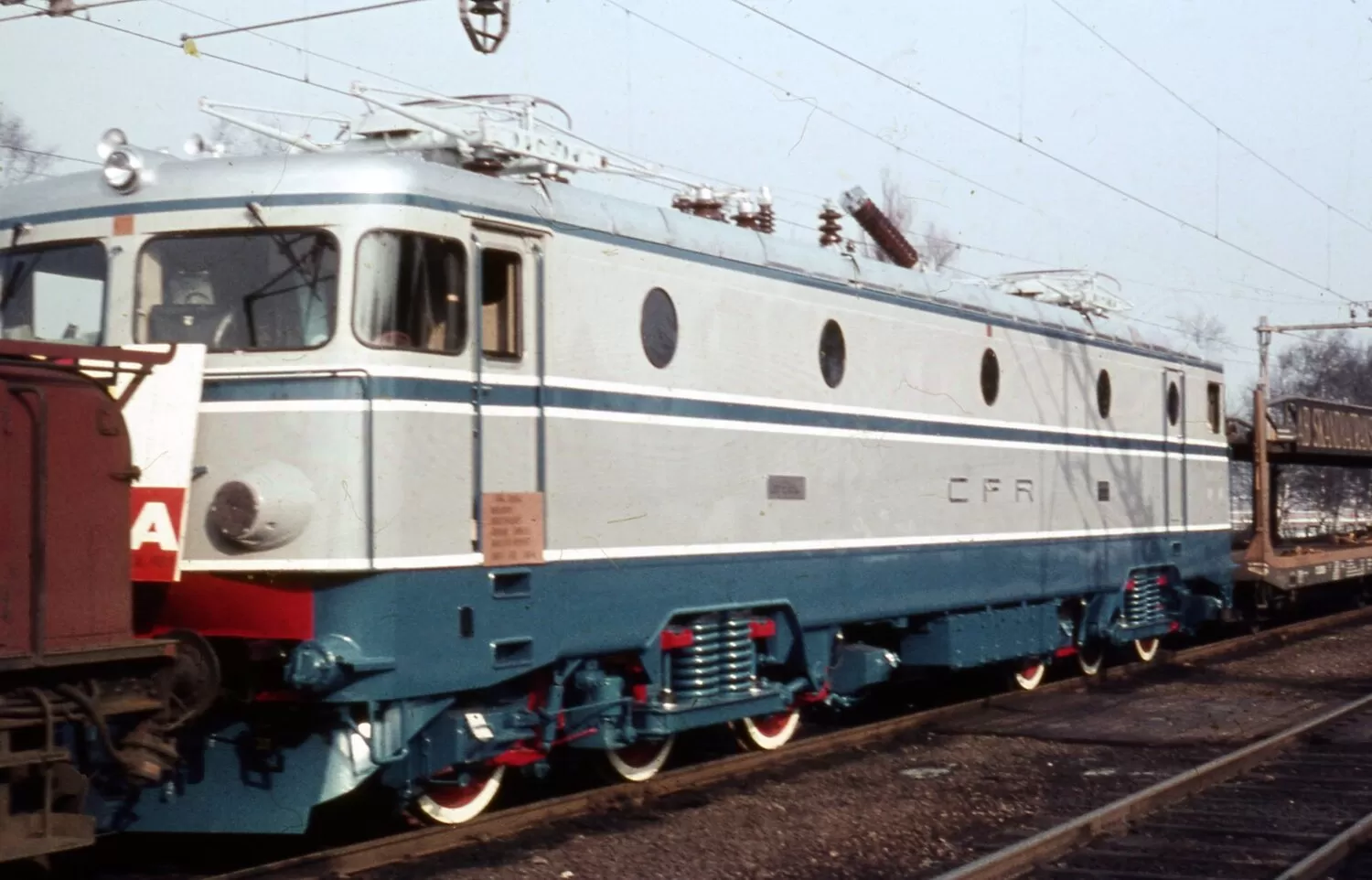
Quelle: N Stjerna - flickr.com
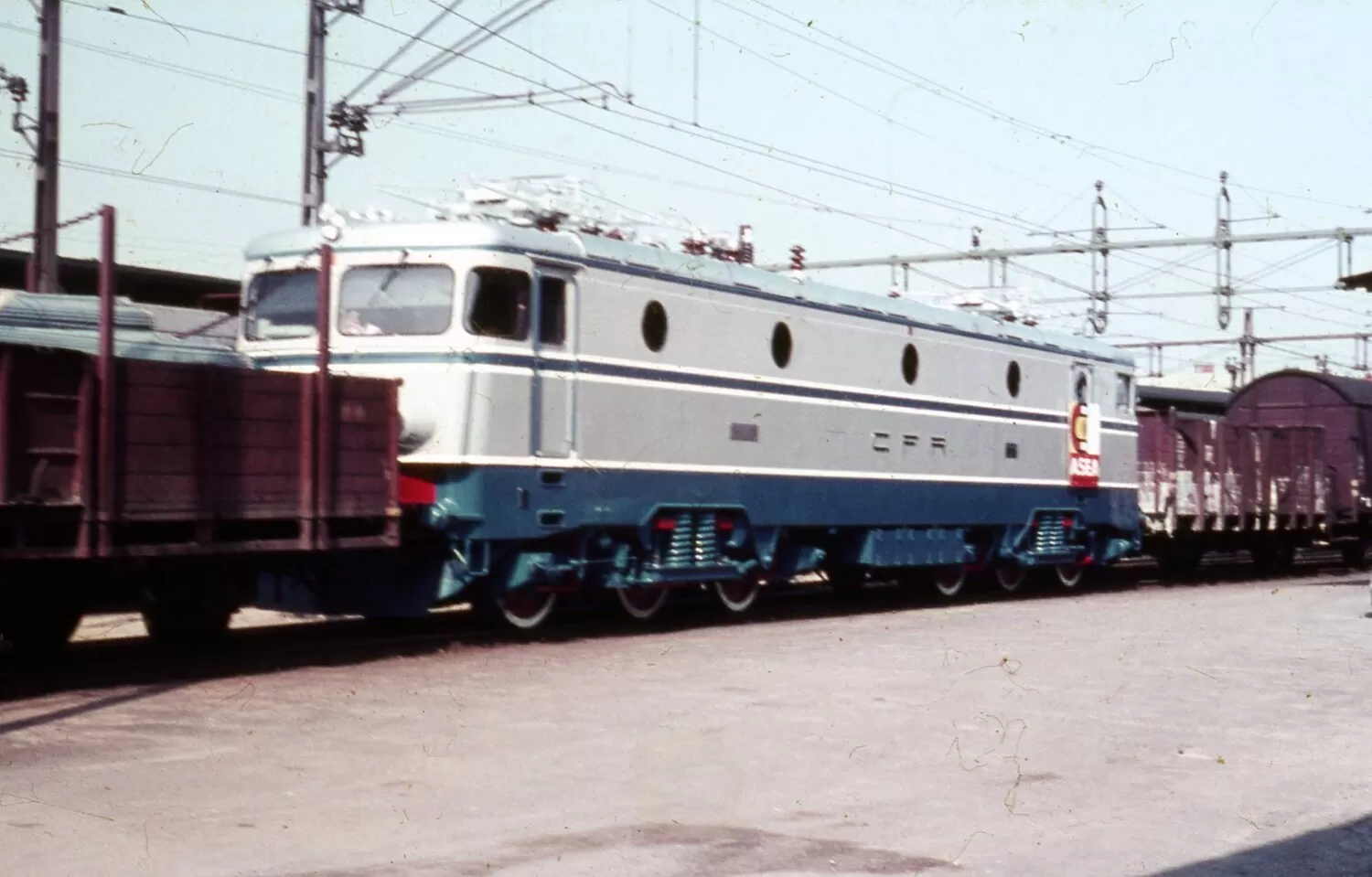
Quelle: N Stjerna - flickr.com
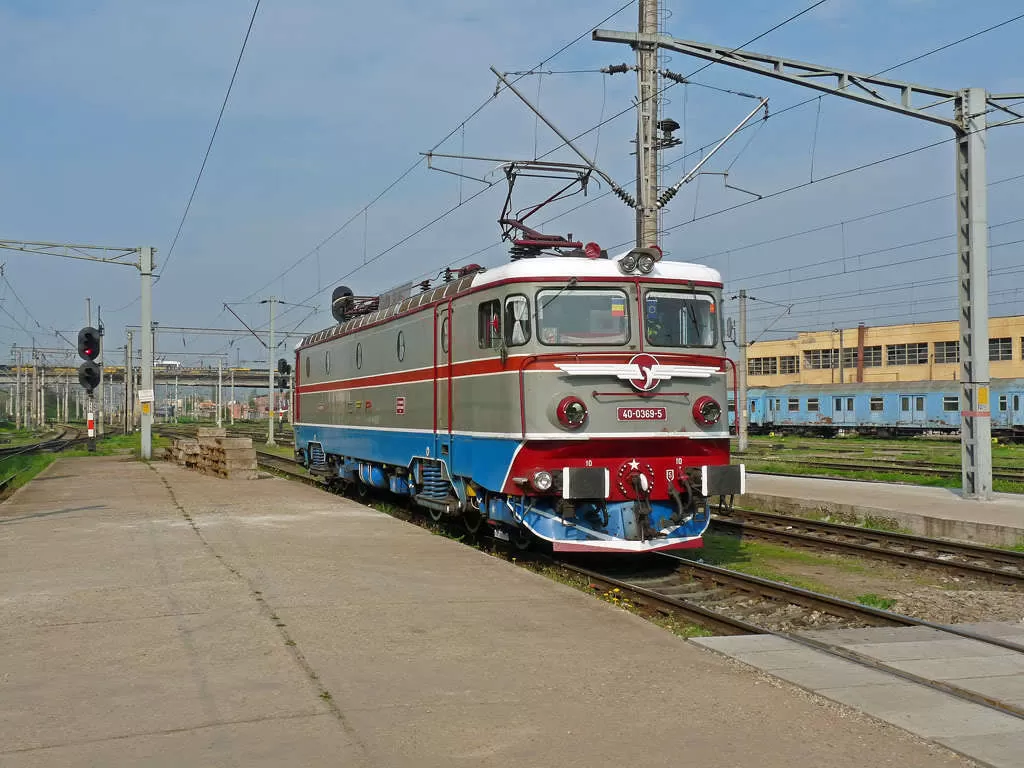
Quelle: lonutz
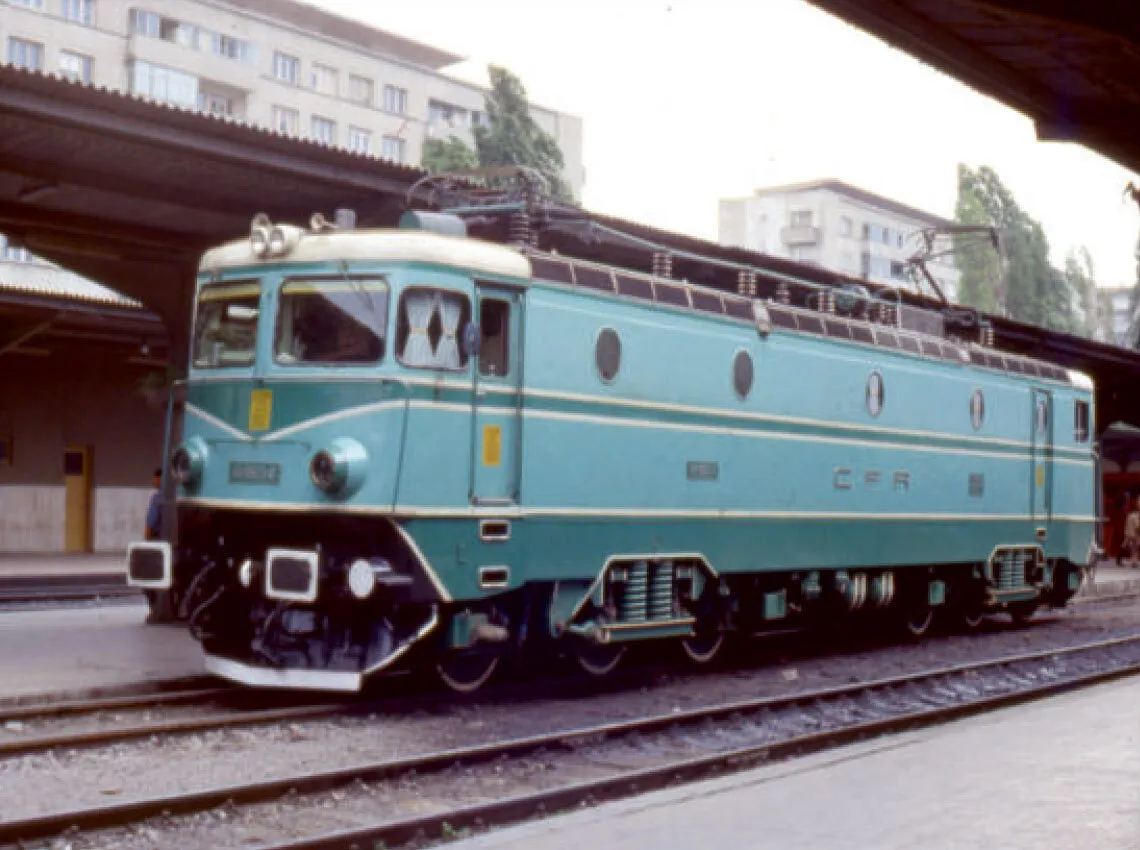
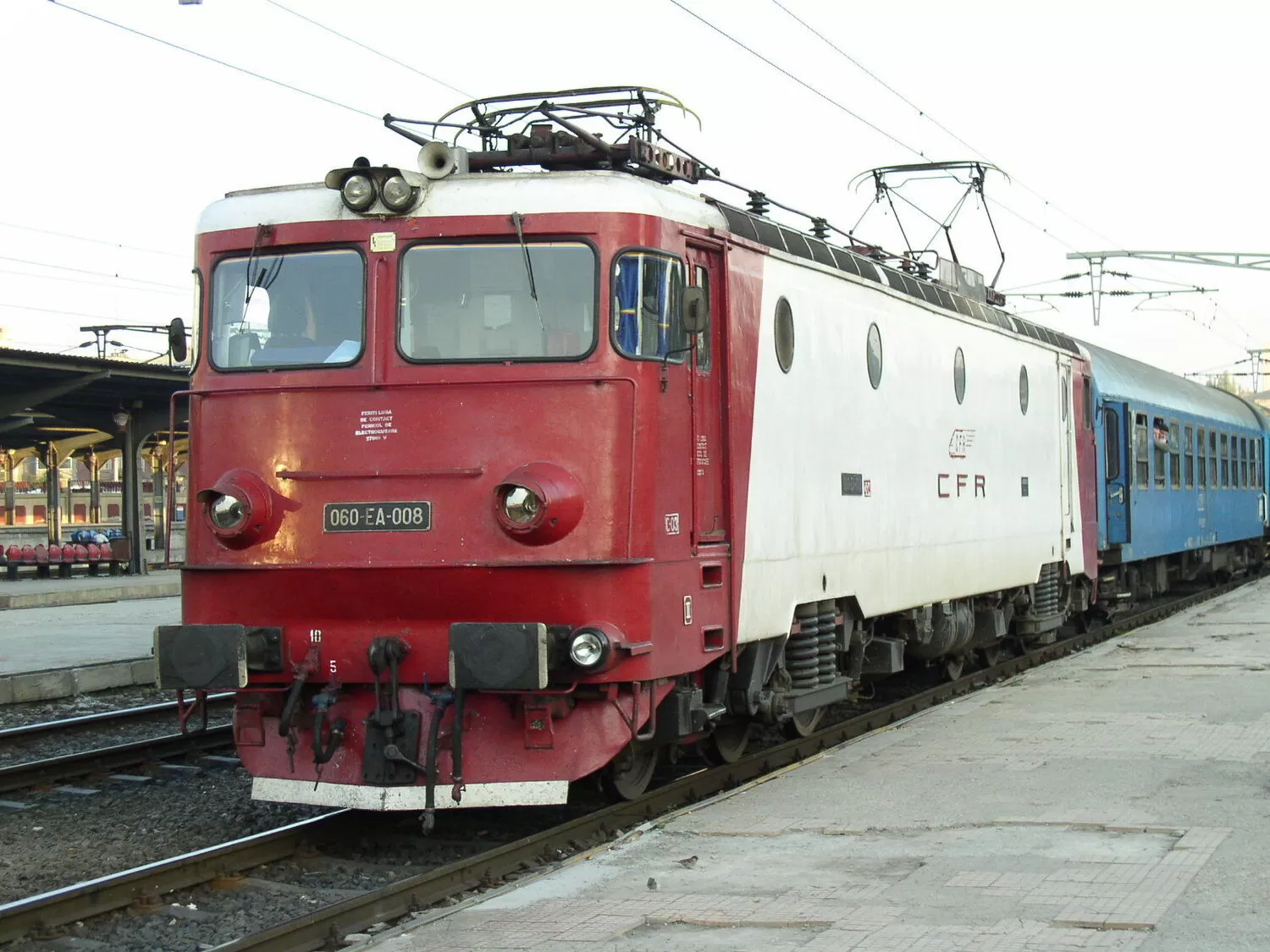
Quelle: Tiberiu Sufitchi - cfr.stfp.net
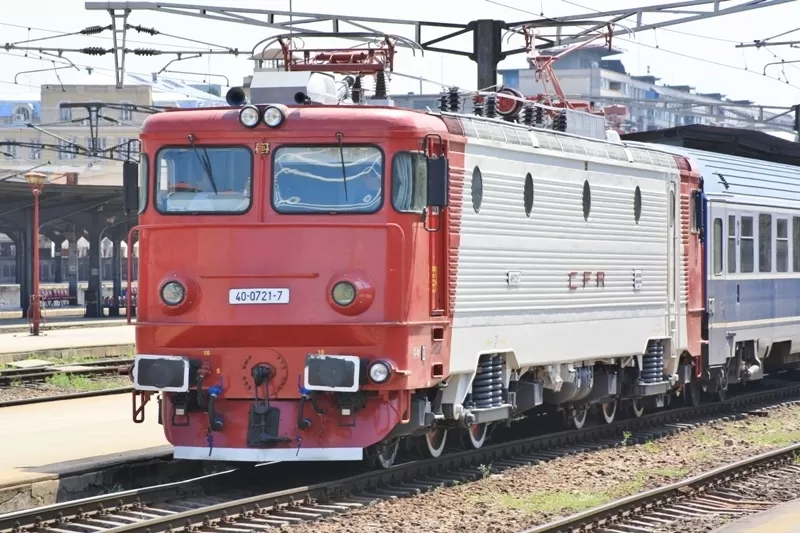
Quelle: forum.metrouusor.com
Auch bekannt als:
UIC / EVN Nummerierung:
91 53 0 400Fahrzeugtyp:
Registrierungsland:
Pantograph - Asymmetrical
6'800 hp
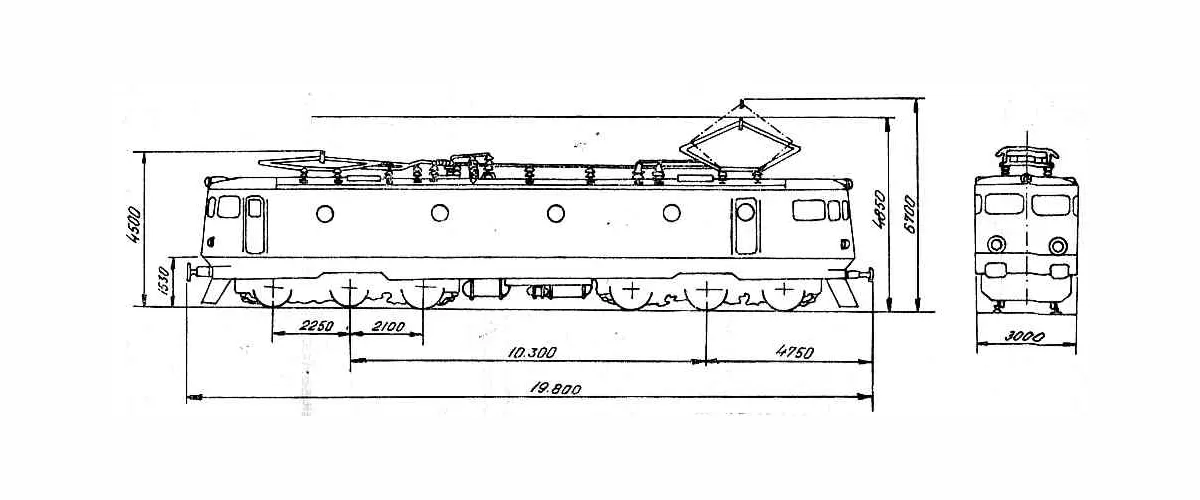
1963
Juni 9
Vier europäische Hersteller nehmen an diesen Tests teil und insgesamt werden sechs Lokomotiven getestet:
- Alstom (Frankreich) präsentiert 2x BB 12000 Lokomotiven, Einheiten BB 12131 und BB 12141;
- ASEA (Schweden) präsentiert 2x Rb 1 Prototypen, Einheiten 1001 und 1002;
- Škoda (Tschechoslowakei) präsentiert 1x S 479.0 Prototyp, Einheit E479.002;
- VEB Lokomotivbau Elektrotechnische Werke "Hans Beimler" präsentiert 1x Prototyp.
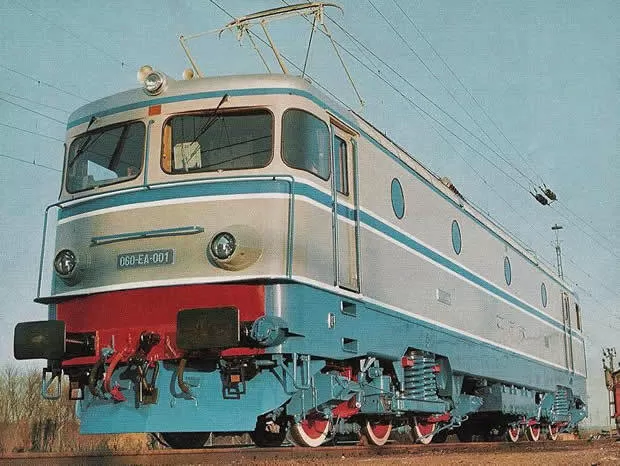
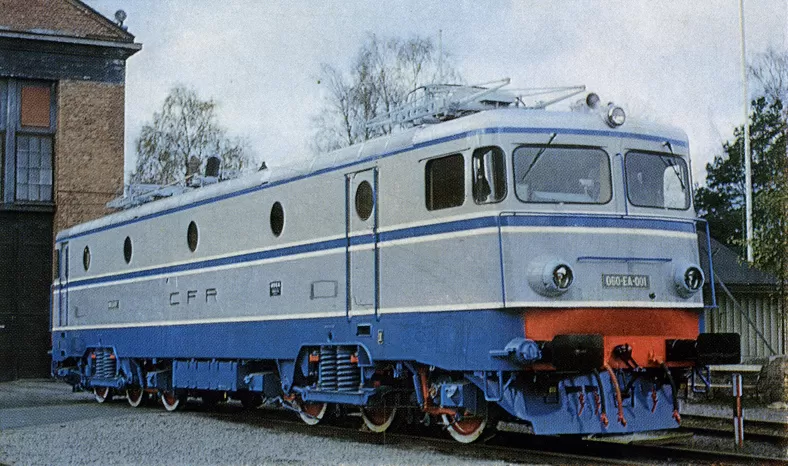
Am Ende entscheiden die Beamten der Rumänischen Eisenbahnen - CFR, einen Vertrag mit ASEA (Schweden) über die Lieferung von 10x kompletten Lokomotiven und Teilen für weitere 28x Lokomotiven, die in Rumänien gebaut werden sollen, zu unterzeichnen. Die bestellten Lokomotiven unterscheiden sich von den Rb 1 Prototypen: sie werden 6 Achsen in einer Co'-Co' Konfiguration mit einer maximalen Leistung von 5400 kW haben. Diese Einheiten werden als Reihe 060-EA bezeichnet.
NB: Weitere Informationen zur Elektrifizierung des Abschnitts Brașov - Bukarest finden Sie in einem speziellen Artikel: Elektrifizierung der rumänischen Eisenbahnen.
Automatische Übersetzung. Originaltext in: EN - Original anzeigen
1964
April
Die von den rumänischen Eisenbahnen - CFR bestellte Lokomotive unterscheidet sich von den Rb 1 Prototypen: Es handelt sich um eine 6 Achsen Co'-Co' mit einer maximalen Leistung von 5'400 kW und rheostatischer Bremsung. Auf der anderen Seite ist der elektrische Teil typisch für ASEA: AC - DC Umwandlung mit Siliziumdioden und Hochspannungsanordnung für die elektrischen Antriebsmotoren.
Die Lokomotiven werden mit symmetrischen ASEA Pantographen vom Typ LLXJN 135, pneumatisch betrieben, geliefert.
Automatische Übersetzung. Originaltext in: EN - Original anzeigen / Quellen: "060-EA locomotive - 40 years from the first electric locomotive produced in Romania" (2010 - Mircea Dorobantu), http://www.le-rail.ch/text/projekt52.htm, https://www.railcolor.net/index.php?nav=1000006&id=3647&action=dview, https://en.wikipedia.org/wiki/Electroputere_LE5100
1965
Im Jahr 1966 werden 8 neue Lokomotiven geliefert:
- 7 Einheiten, registriert als 060-EA-001 bis 008, haben eine Höchstgeschwindigkeit von 120 km/h;
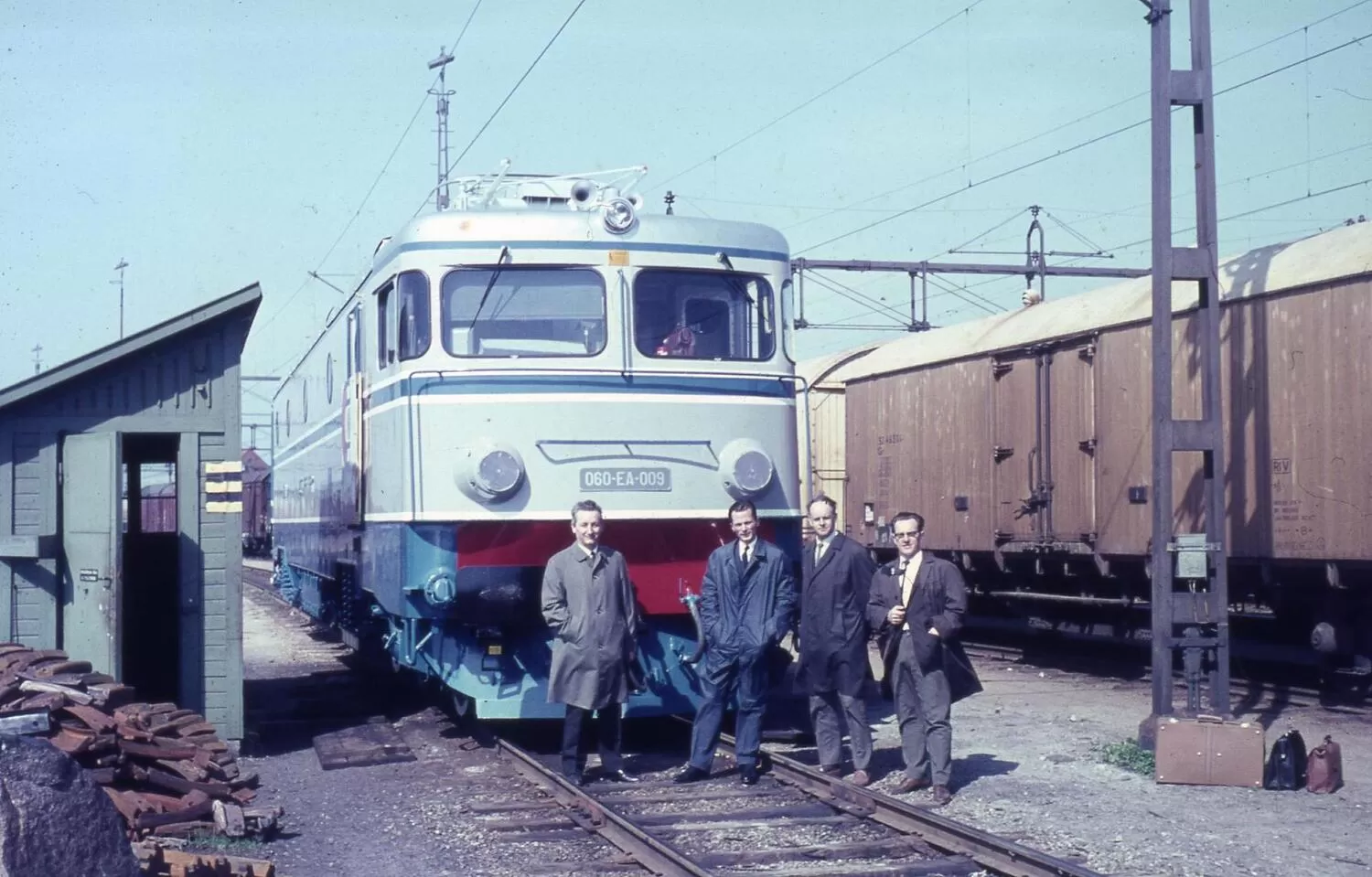
- 1 Einheit, geliefert als 060-EA-009, hat eine Höchstgeschwindigkeit von 160 km/h und wird als 060-EA1 klassifiziert (später als Baureihe 41), da dies für alle elektrischen Lokomotiven dieser Serie gilt, die in der Lage sind, diese Höchstgeschwindigkeit zu erreichen.
Ein Jahr später, 1967, wird die letzte Einheit aus dem ursprünglichen Batch geliefert, mit einem experimentellen elektrischen Gerät, das sich von den anderen Einheiten unterscheidet, und wird als Baureihe 060-EB registriert.
Betrifft Registrierungsnummer(n): 060-EA-001, 060-EA-002, 060-EA-003, 060-EA-004, 060-EA-005, 060-EA-006, 060-EA-007, 060-EA-008, 060-EA-009
Automatische Übersetzung. Originaltext in: EN - Original anzeigen / Quellen: "060-EA locomotive - 40 years from the first electric locomotive produced in Romania" (2010 - Mircea Dorobantu)
1967
- 932 Einheiten für CFR (rumänische Eisenbahnen);
- 103 Einheiten für JZ (jugoslawische Eisenbahnen);
- 45 Einheiten für BDZ (bulgarische Eisenbahnen);
- 2 Prototypen für die chinesischen Eisenbahnen.
Automatische Übersetzung. Originaltext in: EN - Original anzeigen / Quellen: "060-EA locomotive - 40 years from the first electric locomotive produced in Romania" (2010 - Mircea Dorobantu)
1969
Februar 16
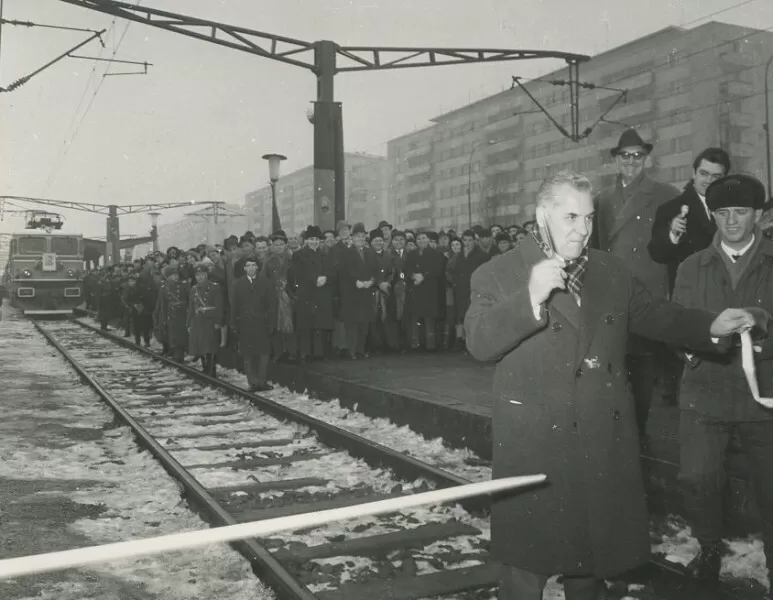
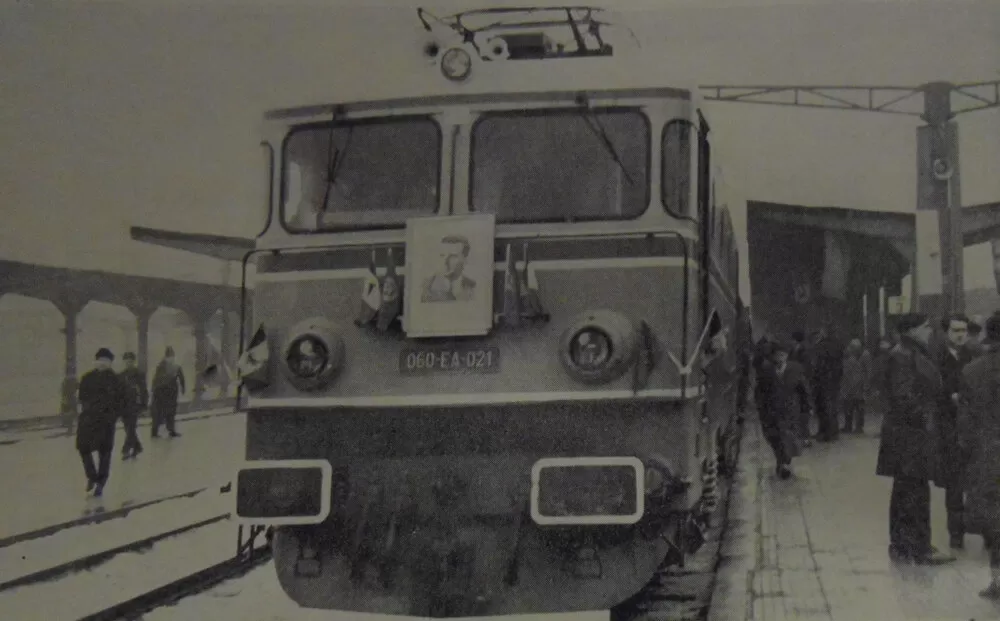
Automatische Übersetzung. Originaltext in: EN - Original anzeigen
1976
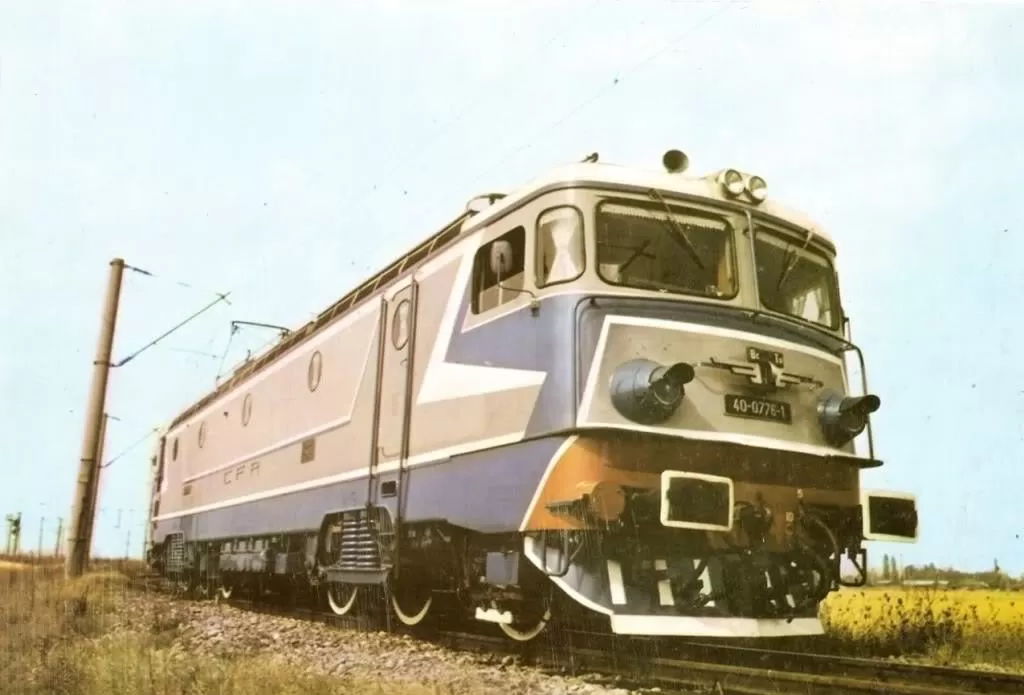
Die folgenden Einheiten (060-EA-248 - 266) wurden weiterhin mit den ursprünglichen symmetrischen Pantografen geliefert, und erst ab der Einheit 060-EA-267 wurde der Einsatz von asymmetrischen Pantografen verallgemeinert.
Automatische Übersetzung. Originaltext in: EN - Original anzeigen
1988
Betrifft Registrierungsnummer(n): 40-0016-2, 40-0550-0
Automatische Übersetzung. Originaltext in: EN - Original anzeigen / Quellen: http://cfristoriesicotidian.ro/istoria-locomotivelor-partea-2/
1990
August 21
Der Unfall ist auf schwerwiegende Verstöße gegen die Vorschriften und Dienstanweisungen zurückzuführen. Herr Emil Rotaru, Mitarbeiter des Bahnhofs Augustin, zuständig für die Verkehrsleitung, beschließt, die 80-0601-7 Diesellokomotive auf die Hauptbahn zu schicken, und zwar über die zweite der beiden Gleisen, zum Halt Ormenis, als Beförderung für die Kassiererin des Bahnhofs Augustin, die ihre Schicht beendet hatte und keine anderen Transportmöglichkeiten hatte. Die Diesellokomotive wird von Mechaniker Trif Sorin, 37 Jahre alt, und dem Hilfsmechaniker Ghimes Cosmin, 23 Jahre alt, gefahren. Sie akzeptieren die Mission ohne einen Dienstbefehl.
Nachdem er seinem Kollegen vom Bahnhof Apata fälschlicherweise mitgeteilt hat, dass "er einen Wagengeschirr rangieren muss und die Bahnhofgrenze überschreiten wird", trägt Emil Rotaru den Verlauf im Lichtdiagramm ein und dispatcht die Diesellokomotive. Kurz darauf verlässt er seinen Schreibtisch, um zur Toilette zu gehen, und auf dem Rückweg bleibt er stehen, um mit Bekannten zu plaudern und vergisst die abgedispatchte Lokomotive.
In der Zwischenzeit übernimmt eine andere Mitarbeiterin, Frau Sylvester Edith, die Verkehrsleitung, obwohl sie dazu nicht autorisiert ist.
Als der Rapid 24 sich dem Bahnhof Augustin nähert, wo er ohne Halt zum Bahnhof Apata durchfahren soll, autorisiert Frau Sylvester Edith, nachdem sie den Frachtbrief vom Bahnhof Racos erhalten hat, den Zug, seine Fahrt auf der zweiten Gleis fortzusetzen, obwohl sie gesehen hat, dass der dritte Blocksektor zum Bahnhof Apata besetzt ist (aber fälschlicherweise annahm, dass ein anderer Zug Richtung Apata fährt). Der Rapid 24 passiert den Bahnhof Augustin und verlässt ihn mit einem gelben Signal, das durch das automatische Gleisabschnittsmanagementsystem ausgelöst wurde, das den besetzten Sektor weiter vorne erkannt hat. Der Mechaniker verlangsamt den Zug auf 90 km/h.
In der Zwischenzeit kehrt die 80-0601-7 Diesellokomotive, nachdem sie die Kassiererin am Halt Ormenis abgesetzt hat, mit maximaler Geschwindigkeit (etwa 95 km/h) zurück zum Bahnhof Augustin, ebenfalls auf der zweiten Gleis, dem gleichen Gleis, auf dem der Rapid 24 sich jetzt schnell nähert. Darüber hinaus, um nicht durch das automatische Gleisabschnittsmanagementsystem (BLA - "Bloc de Linie Automat") und die durch das System ausgelösten roten Signale verlangsamt zu werden, schalten die Mechaniker es in der Diesellokomotive aus (normalerweise sollte die Diesellokomotive an jedem Signal anhalten können, um ihre Fahrt mit maximal 15 km/h fortzusetzen).
Die frontale Kollision ist unvermeidlich. Die Mechaniker der Elektrolokomotive 060-EA-001 sind die ersten, die die andere Lokomotive erkennen, die schnell auf demselben Gleis aus der entgegengesetzten Richtung nähert. Sie leiten das Notbremsverfahren ein, trennen den Pantographen und den Hauptschalter der Lokomotive und ziehen sich in den Maschinenraum zurück. Es gelingt ihnen, die Geschwindigkeit des Zuges vor dem Aufprall auf etwa 60 km/h um etwa 30 km/h zu reduzieren. Mit Verzögerung bemerken auch die Mechaniker der Diesellokomotive den Schnellzug vor ihnen und leiten das Notbremsverfahren ein, können den Aufprall jedoch aufgrund des geringen Abstands zwischen den beiden Eisenbahnfahrzeugen nicht mehr vermeiden.
Infolge dieses schweren Unfalls werden beide Mechaniker der Diesellokomotive getötet, während die Mechaniker der Elektrolokomotive nur leicht verletzt sind. Unter den Passagieren sind zwei Frauen und ein kleines Mädchen verletzt, alle drei sitzen im ersten Wagen des Schnellzugs.
Herr Emil Rotaru und Frau Sylvester Edith, die Mitarbeiter des Bahnhofs Augustin, werden für die Verursachung des Unfalls verantwortlich gemacht und zu Gefängnisstrafen verurteilt.
Die Diesellokomotive wird als Totalschaden erklärt und am Unfallort verschrottet.
Die Elektrolokomotive 060-EA-001 wird mit der Absicht transportiert, sie in der Depot Brasov zu reparieren, aber der Schaden ist zu umfangreich und sie wird zu einem späteren Zeitpunkt ebenfalls verschrottet, wobei die Komponenten als Teile für andere Elektrolokomotiven derselben Serie verwendet werden.
Im Jahr 1991, als Tribut an 060-EA-001, war zunächst geplant, die Nummernschilder zu übertragen und die Einheit 060-EB-001 umzuzeichnen, die zu diesem Zeitpunkt als Klasse 41 Elektrolokomotive von Electroputere Craiova umkonfiguriert wurde, aber schließlich tritt diese Einheit im Depot Brasov mit der Registrierung 41-0931-0 in Dienst.
Eine andere Lokomotive, die Einheit 41-0931-0 (die vorletzte neue Lokomotive, die 1991 von Electroputere Craiova an die Rumänischen Staatsbahnen - CFR geliefert wurde) erhält im Depot Brasov die Registriernummern 41-0001-2 (die Lokomotive wird 1994 im Bahnhof Brasov gesichtet ).
Nach ein paar Jahren wird die Registrierung 41-0001-2 der Einheit 41-0009-5 (ursprünglich registriert 060-EA-009, die 9. Einheit aus der ersten Charge von 10 Einheiten, die von ASEA zwischen 1965 und 1967 geliefert wurden) erneut zugewiesen, da die Registrierungsnummern zwischen den beiden Lokomotiven getauscht werden.
*Aufgrund hoher Auslastung oder Verzögerungen aufgrund sehr langer Fahrten profitierten einige Personenzüge von zwei oder mehr Zügen, die die ursprüngliche Strecke vollständig oder teilweise abdeckten. Zum Beispiel, da D 262/263 "Orient Express" von Bukarest nach Wien oft mehrere Stunden Verspätung hatte, fuhr ein zweiter Zug aus Ungarn, D 11262, voraus, um den ursprünglichen Zeitplan einzuhalten. In Frankreich hatte der "Nacht Capitole" zwischen Paris Austerlitz und Toulouse Matabiau an Freitagen in den 1960er und 1970er Jahren bis zu fünf verschiedene Züge, um der hohen Nachfrage gerecht zu werden. In Deutschland wurden viele Schnellzüge ("D-Züge") von einem Zug, der die gleiche Strecke abdeckte ("Vorzug"), etwa 15 Minuten zuvor und von einem anderen Zug ("Nachzug") etwa 15 Minuten später gefolgt.
Automatische Übersetzung. Originaltext in: EN - Original anzeigen / Quellen: "060-EA locomotive - 40 years from the first electric locomotive produced in Romania" (2010 - Mircea Dorobantu), https://trenuletz.forumz.ro/t1048p105-060-ea-001, https://forum.lokomotiv.ro/threads/tren-rapid-nr-24-partea-a-doua.15423/
1999
Automatische Übersetzung. Originaltext in: EN - Original anzeigen / Quellen: "060-EA locomotive - 40 years from the first electric locomotive produced in Romania" (2010 - Mircea Dorobantu)
2000
Automatische Übersetzung. Originaltext in: EN - Original anzeigen
2016
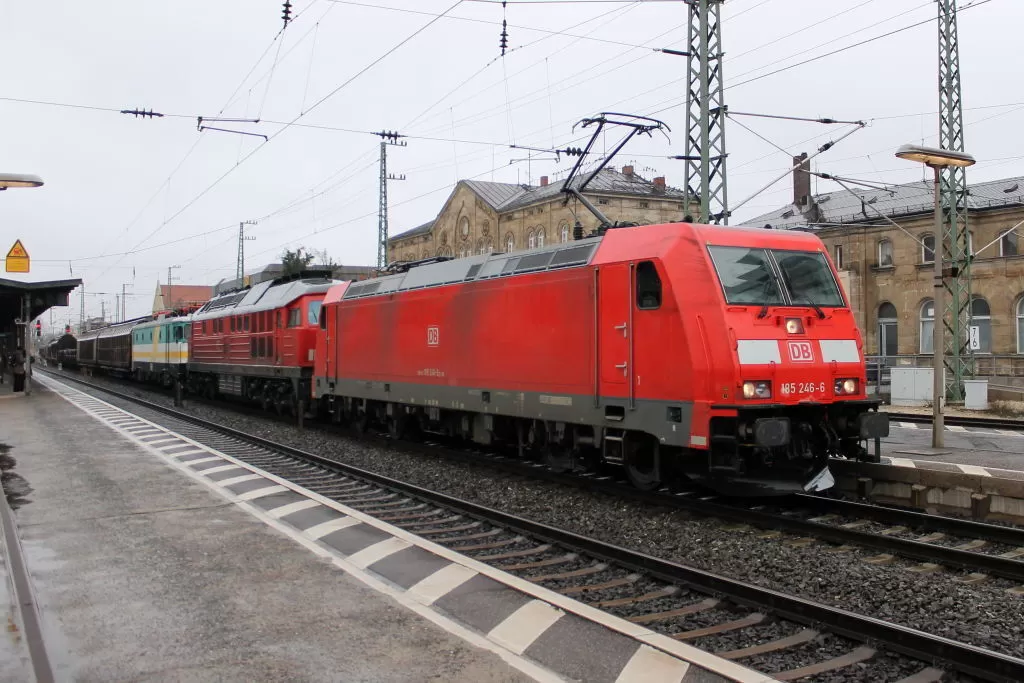
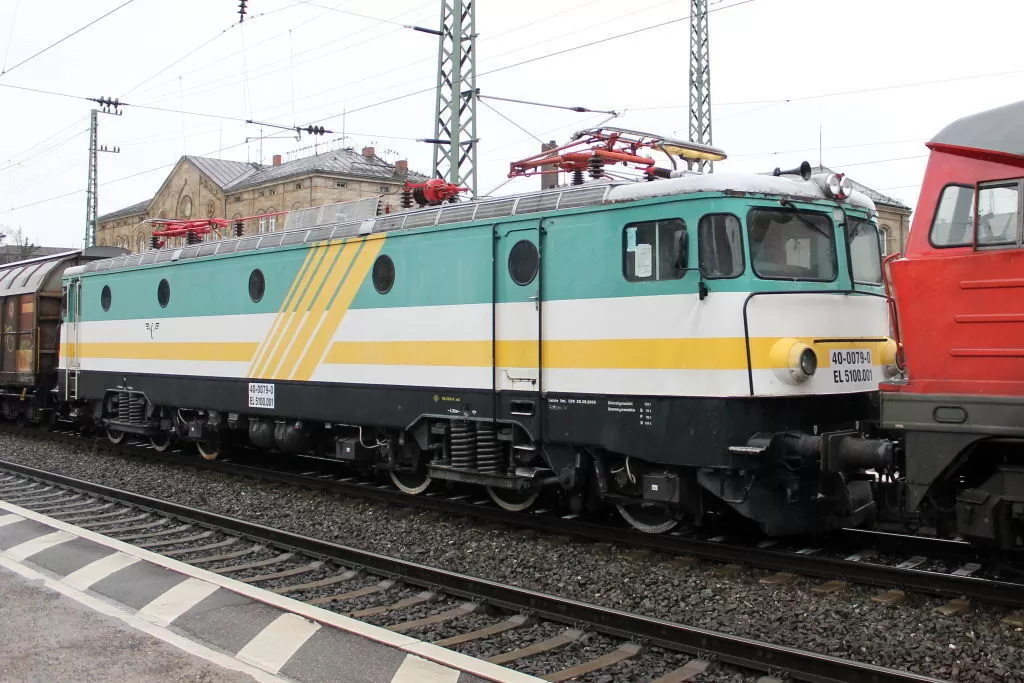
Die Lokomotive erhält ihren ursprünglichen technischen Zustand und die Registrierungsnummer zurück und bekommt eine neue Lackierung von ihrem aktuellen Besitzer. Sie ist vor Ende des Jahres wieder im regulären Dienst .
Automatische Übersetzung. Originaltext in: EN - Original anzeigen
Haben Sie zusätzliche Informationen zu diesem Fahrzeug?
Helfen Sie uns, die Geschichte von Class 40! Ihr Wissen ist wertvoll für uns und die gesamte Gemeinschaft, zögern Sie nicht, Ihre Fakten, Fotos oder Videos zu teilen:
Letztes Update am 21st von August 2021 um 15:24
Mitwirkende: Tudor C.
Advertising:
Class 40 - Related rolling stock from category "Romania - ASEA / Electroputere Craiova electric locomotive":

Class 41
Romania

Class 40
Romania

Class 40
Romania

Class 40
Romania

Class 40
Romania

Class 40
Romania

Class 40
Romania

Class 40
Romania

Class 40
Romania

Class 40
Romania

Class 40
Romania

Class 40
Romania

Class 41
Romania

Class 41
Romania
Class 40
Romania

Class 40
Romania

Class 40
Romania

Class 42
Romania

Class 45
Romania

Class 47.4
Romania

Class 47.7 "Delfin"
Romania

Class 47.1
Romania

Class 47.0
Romania

Class 47.6
Romania
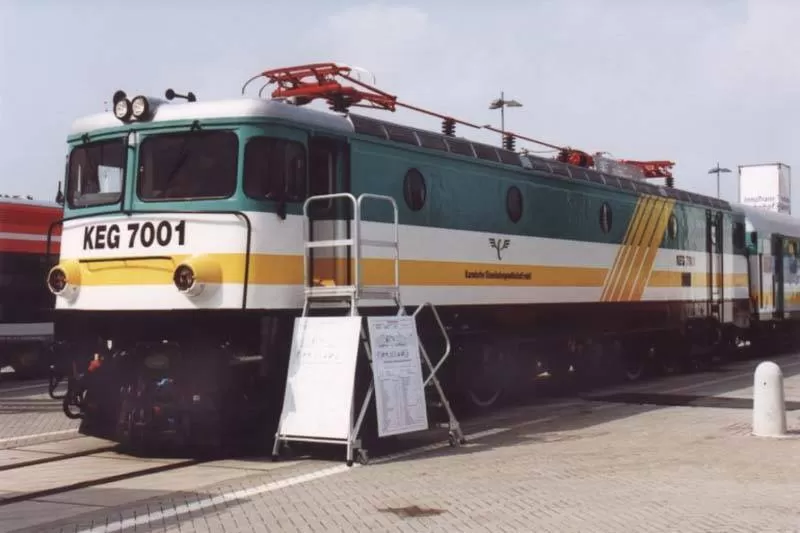
KEG 7001
Germany

EL 5100.001
Sweden
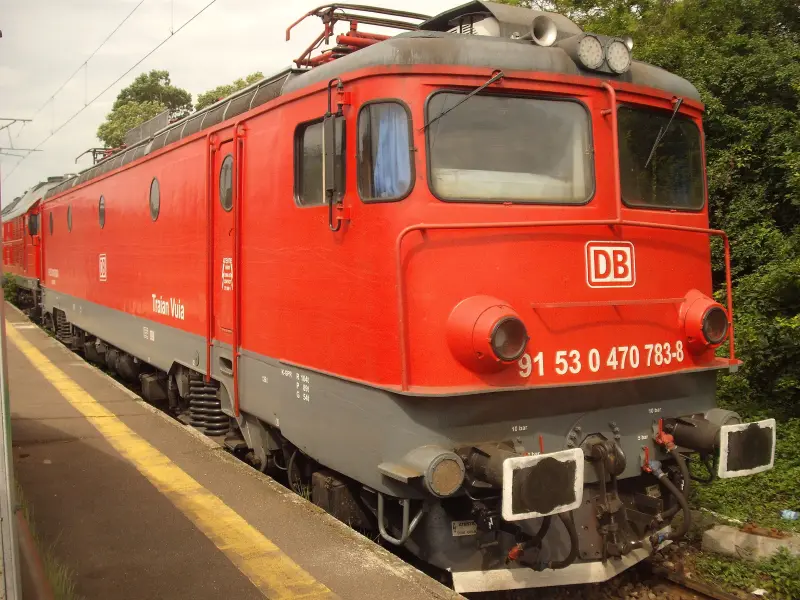
Class 47
Romania

Class 40
Croatia (Hrvatska)

Class 600
Hungary

Class 40
Romania
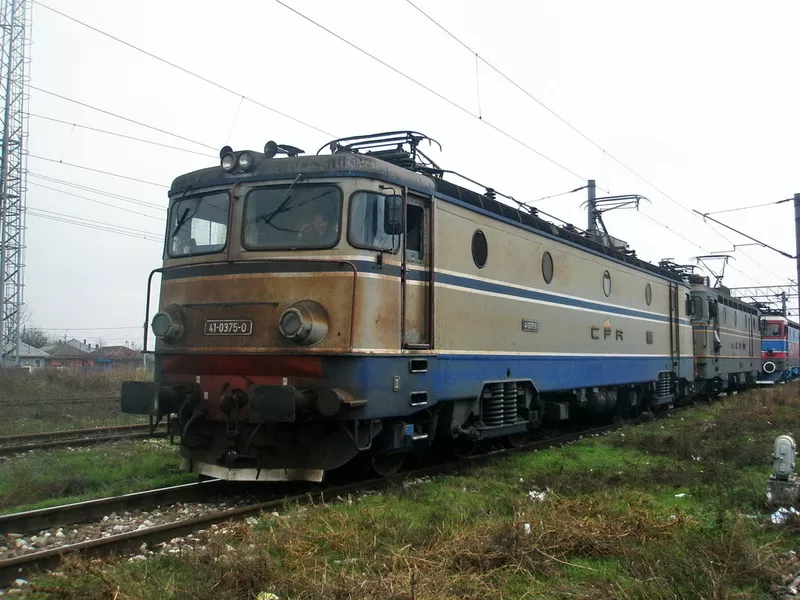
Class 41
Romania
Class 40 - Associated miniature models:

CFR - 060-EA electric locomotive
Unverbindliche Preisempfehlung: ab 269,00 €

CFR Călători - 060-EA electric locomotive
Unverbindliche Preisempfehlung: ab 269,00 €

CFR - 060-EA-009 electric locomotive
Unverbindliche Preisempfehlung: 269,00 €

CFR - Class 40 (060-EA) electric locomotive
Unverbindliche Preisempfehlung: 249,00 €


Diskussionsforum
Advertising:

Der Personalausweis, Fotos und Videos für tausende Eisenbahnfahrzeuge in ganz Europa!
