
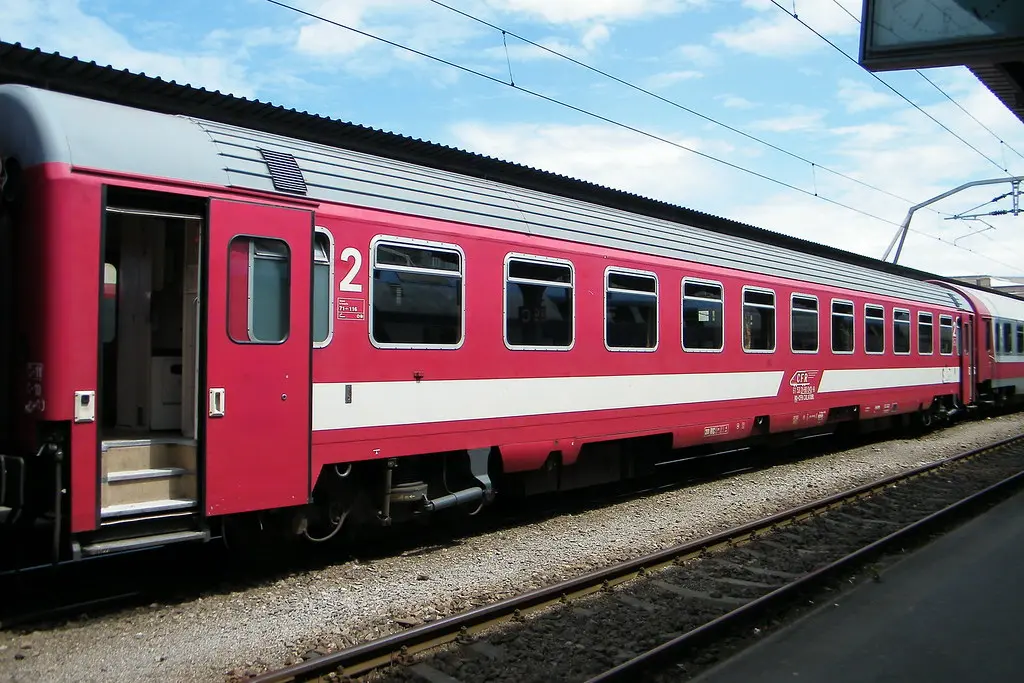
Source: trenuletz.forumgratuit.ro
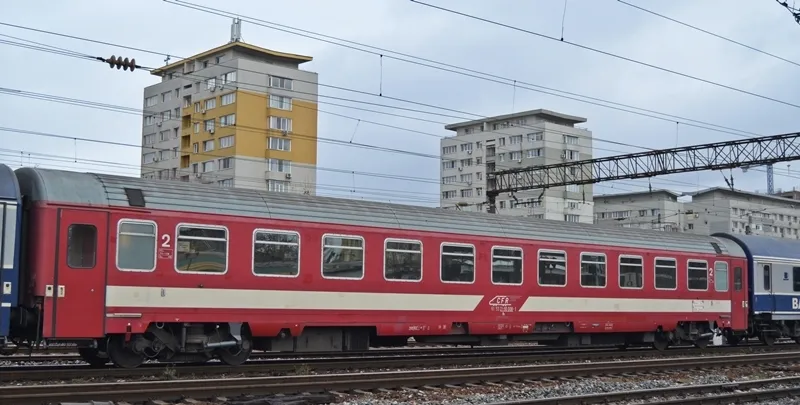
Source: forum.metrouusor.com
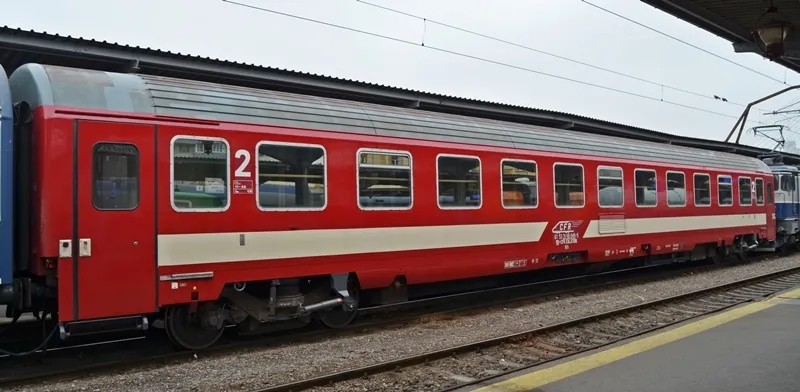
Source: forum.metrouusor.com
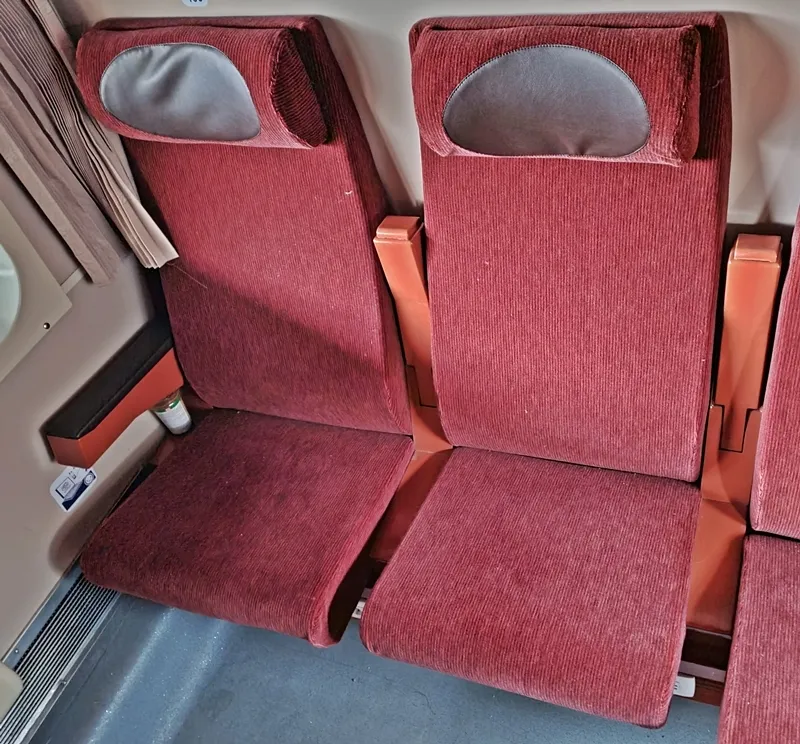
Source: forum.metrouusor.com
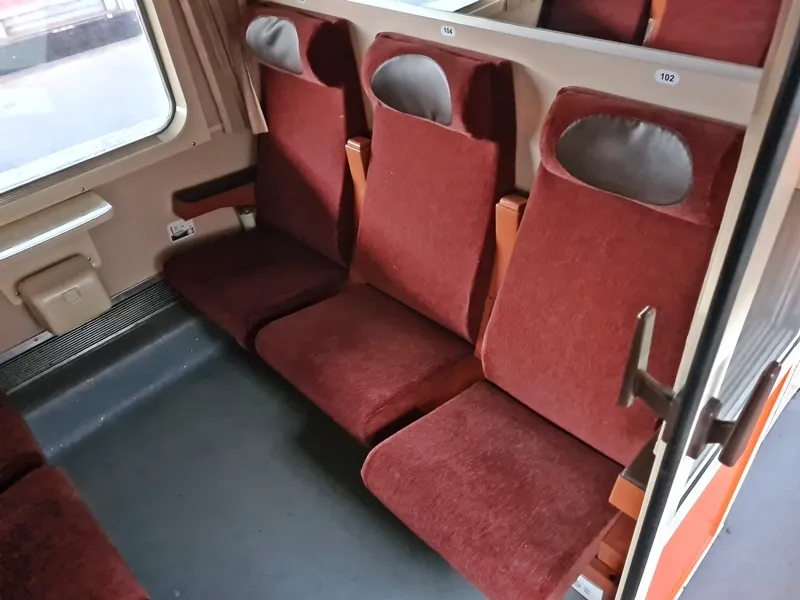
Source: forum.metrouusor.com
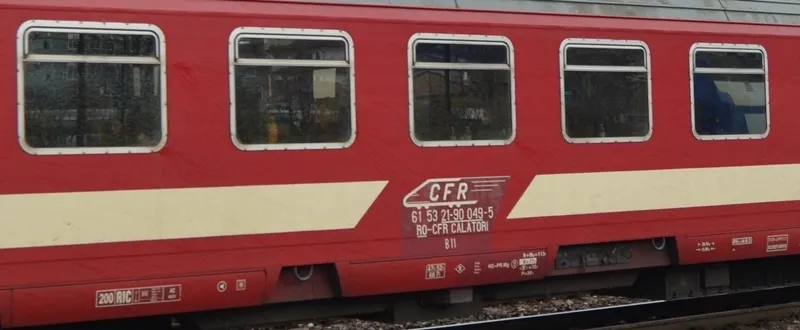
Source: forum.metrouusor.com
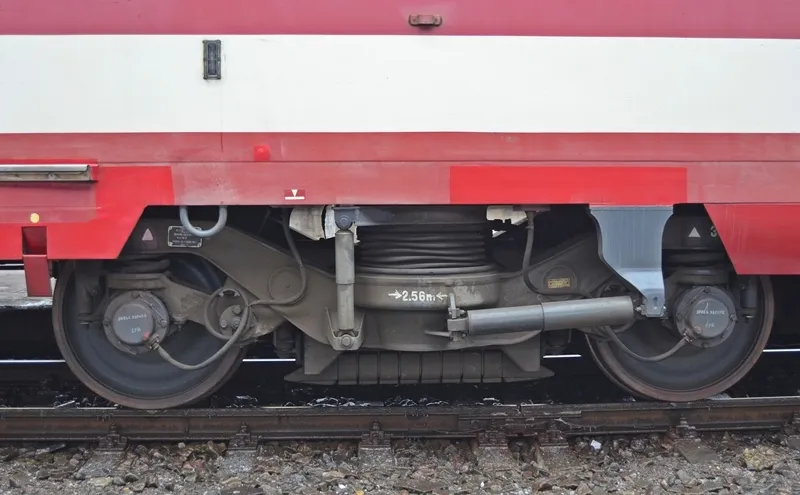
Source: forum.metrouusor.com
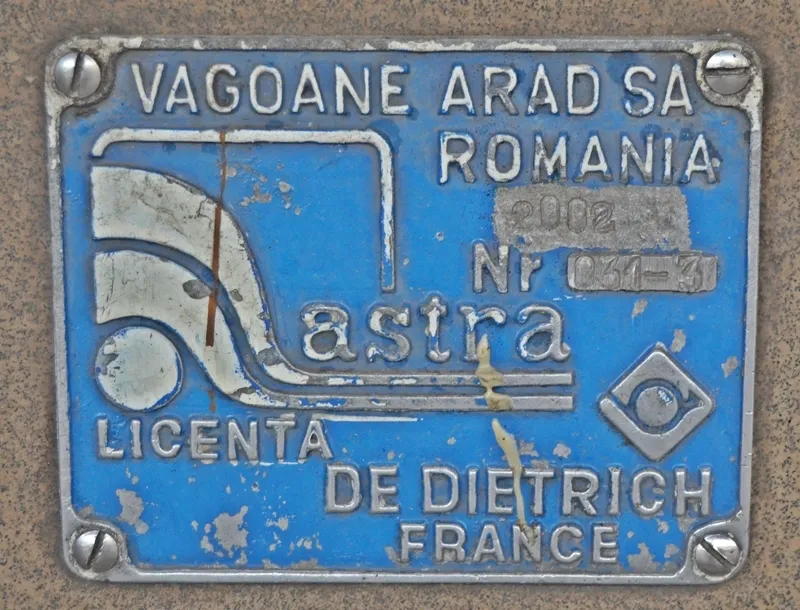
Source: forum.metrouusor.com
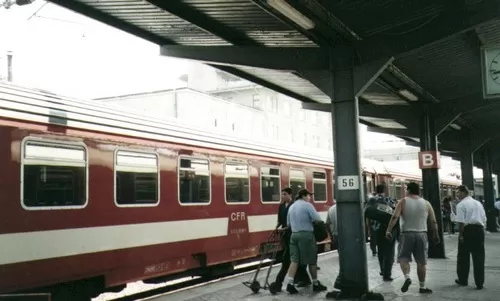
Source: Daniel Ursu - railfaneurope.net

Source: Daniel Ursu - railfaneurope.net
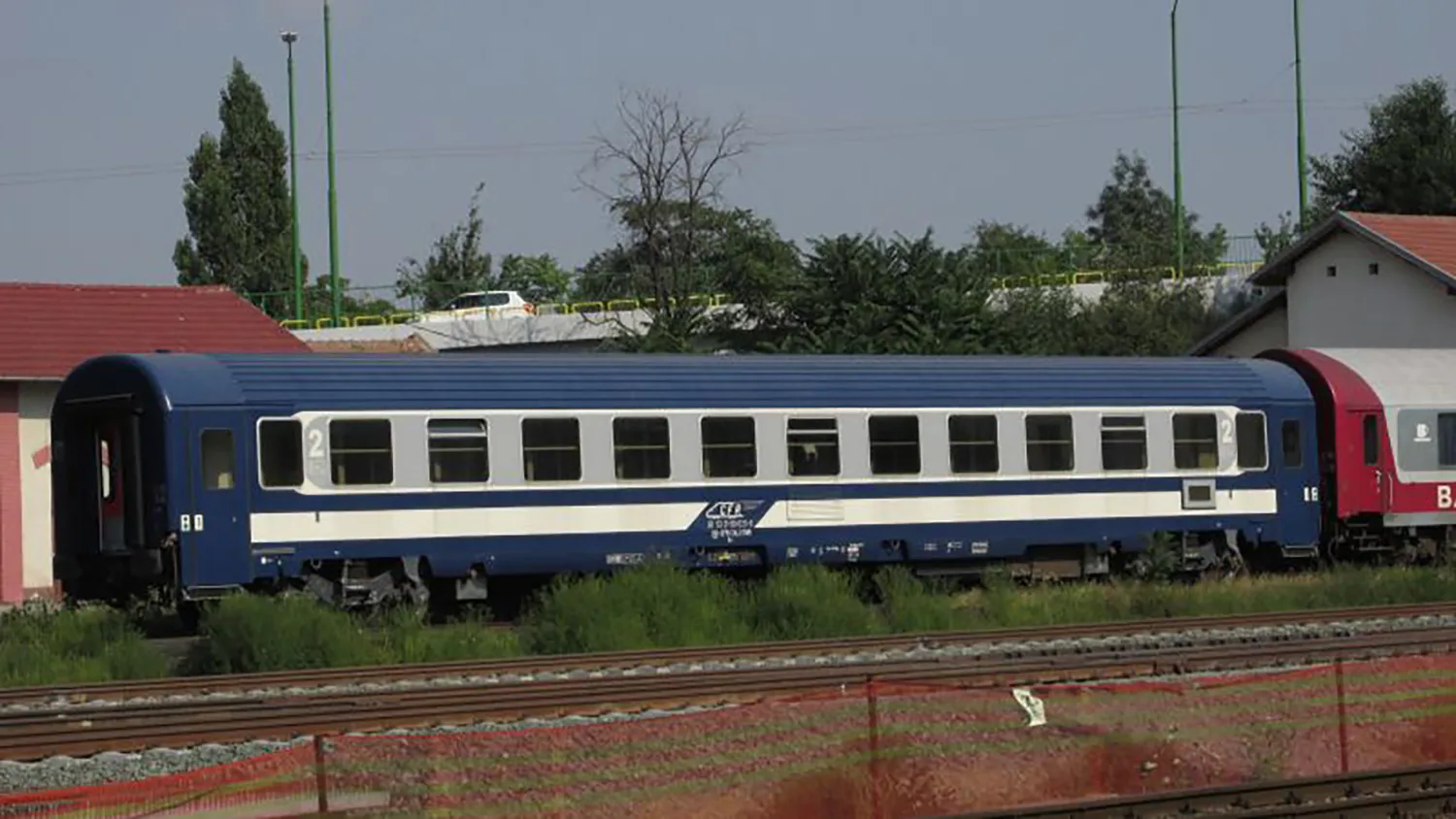
Source: forum.metrouusor.com
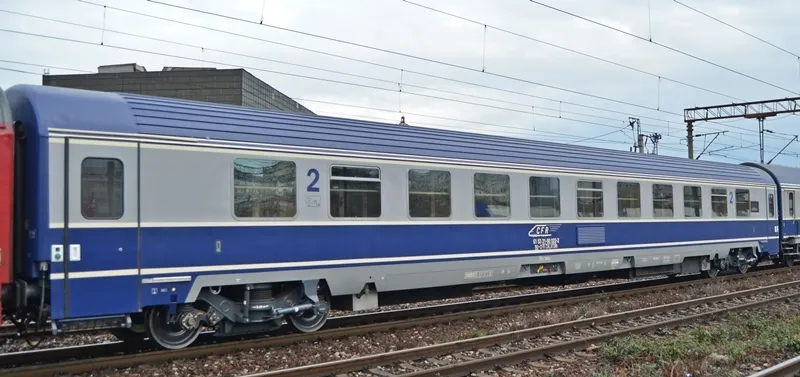
Source: forum.metrouusor.com
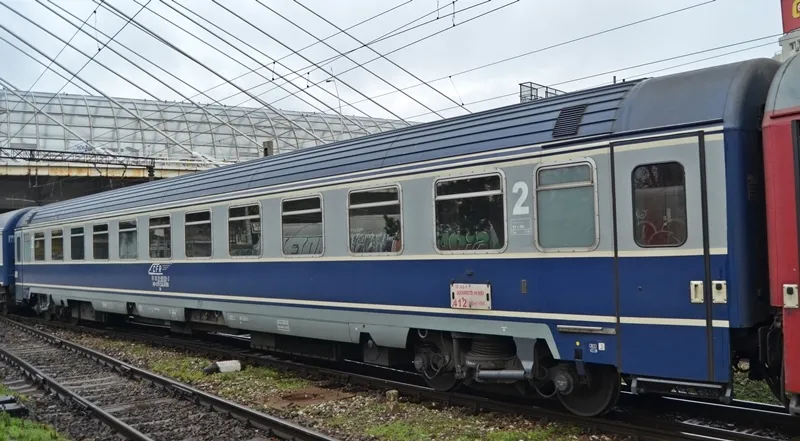
Source: forum.metrouusor.com
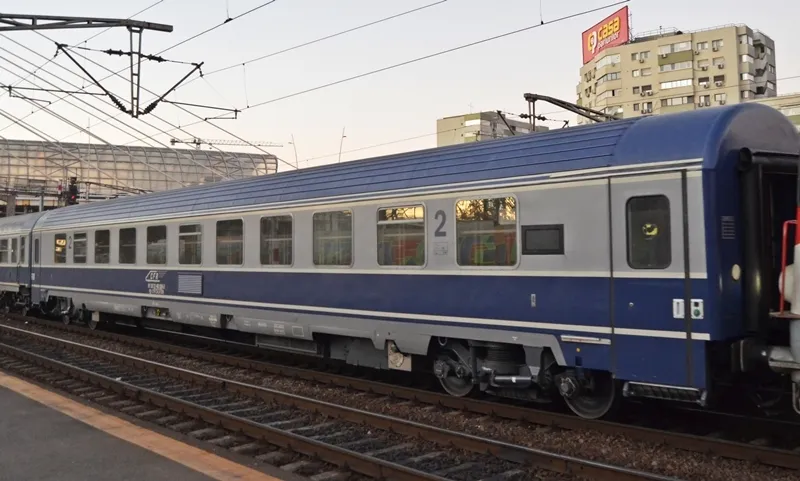
Source: forum.metrouusor.com
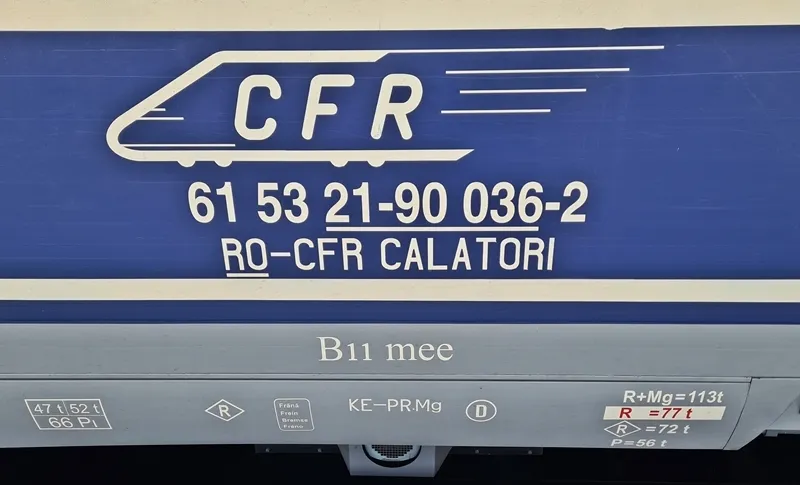
Source: forum.metrouusor.com
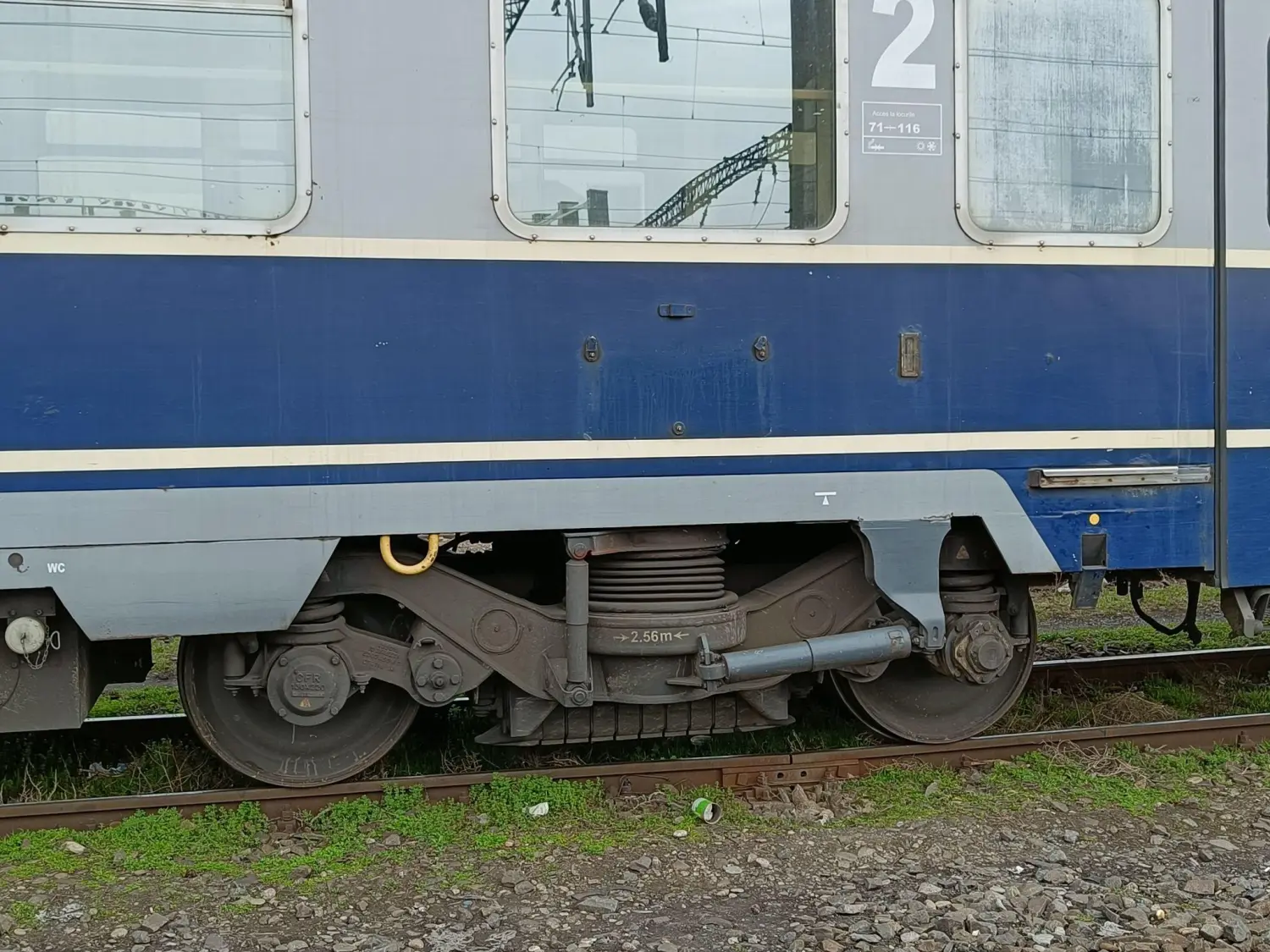
Source: forum.metrouusor.com
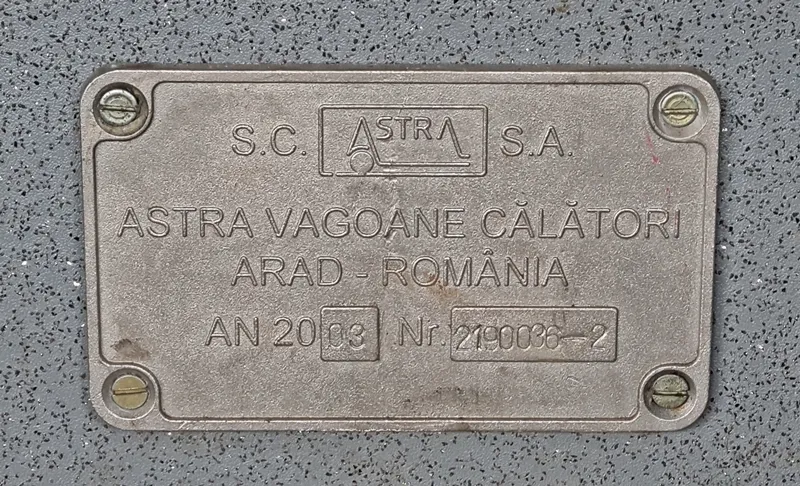
Source: forum.metrouusor.com
Also known as: AVA 200
UIC / EVN numbering: 61 53 21-90
Vehicle type: regular coach
Registration country: Romania
*new
870 mm*
*worn
1996
The AVA 200 project emerged from a collaboration between Astra Vagoane Călători and international partners. The most critical international partnership for the AVA 200 project was with the French company De Dietrich Ferroviaire (which was acquired by Alstom in 1998). The AVA 200 is essentially a Romanian evolution of the French Corail coach.
Technology transfer: Alstom provided the blueprints and technical assistance to adapt the Corail platform for the Romanian network's specific requirements.
The Y32 bogie: A central component of this collaboration was the licensing of the Y32 bogie, a high-speed design originally developed for the SNCF. Astra produced the Y32R variant in Arad under license, incorporating disc brakes and magnetic track brakes to allow for 200 km/h operational speeds.
While Alstom provided the structural and mechanical foundation, Siemens was the primary partner for the electrical and electronic systems. Siemens provided the static converters and the entire power supply system (1500V 50Hz / 3000V DC) required for the energy-intensive climate control and passenger systems. The climate control units (HVAC) and the electronic passenger information systems (PIS) used in the early batches of the 10-90 and 21-90 series were sourced from Siemens components, ensuring compliance with international UIC standards for comfort and safety.
The car bodies are constructed from high-tensile steel, providing high crashworthiness and sound insulation.
The fleet consists of several specialized series to accommodate different passenger needs. The 10-90 series (1st class) and 21-90 series (2nd class) are the most numerous, featuring open-salon layouts with ergonomic seating, climate control, and electronic passenger information systems. A notable variant is the 89-87 series, which serves as a "Bistro" or restaurant car, designed to provide catering services on long-distance routes. These coaches were among the first in Romania to feature vacuum toilets, automatic sliding doors between sections, and power outlets for passengers, setting a new standard for luxury and comfort in the region.
Initially introduced for the premium "InterCity" services, the AVA 200 coaches allowed CFR to compete with road and air travel on key domestic routes. Over the years, the series has undergone various refurbishment programs to maintain modern standards, including the installation of Wi-Fi equipment and updated interior aesthetics. While the Romanian rail infrastructure has not always allowed for sustained 200 km/h operation across the entire network, the coaches remain the most advanced rolling stock in the CFR Călători fleet for locomotive-hauled trains. They are frequently used on international trains connecting Bucharest with Budapest and Vienna.
The 50x units from this series are built by ASTRA Arad between 1996 and 1997.
Sources: https://www.vagonweb.cz/popisy/popisy.php?k=CFR&z=a&p=v&lang=en
2009
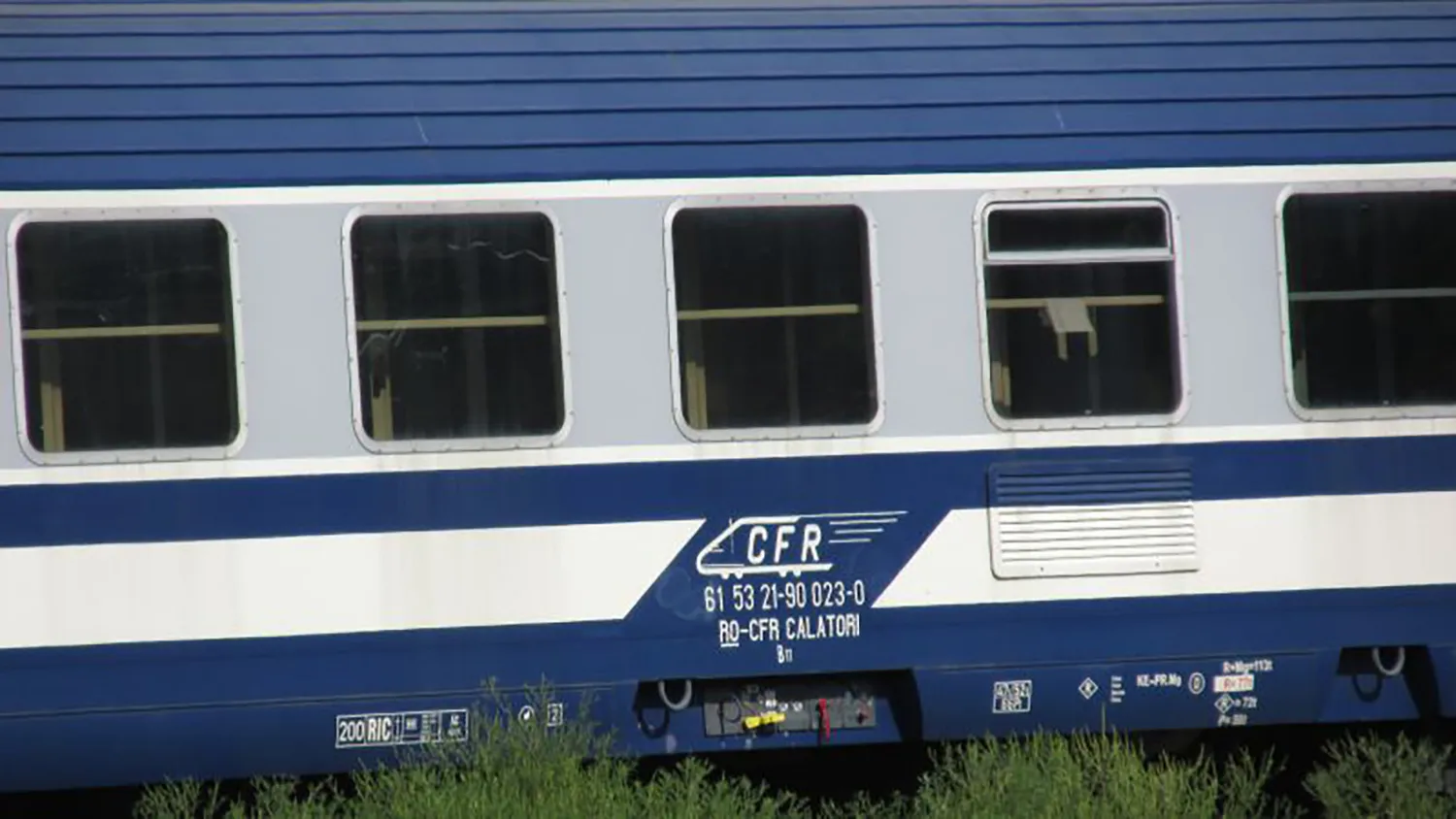
This period of storage lasted for approximately 12 years, during which the coach was effectively a "ghost" vehicle, absent from the active CFR fleet despite having been modernized. The deadlock was finally broken in 2021 when the outstanding financial obligations were settled. On September 9th, 2021, unit 61 53 21-90 023-0, classified as B11 mee, is spotted on a trial run between Timisoara and Arad but without the distinctive livery .
Concerns registration number(s): 61 53 21-90 023-0
Sources: https://www.vagonweb.cz/popisy/popisy.php?k=CFR&z=a&p=v&lang=en
2016
February
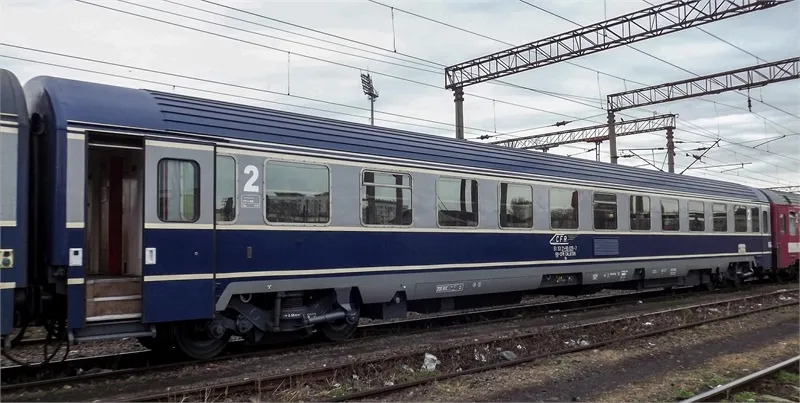
Concerns registration number(s): 61 53 21-90 029-7
Sources: https://forum.metrouusor.com/ViewTopic?TopicId=610&PageNum=2
2020
- Lot 1: "RG-type repair services with modernization of AVA 200 CFR wagons - series 21-90";
- Lot 2: "RG-type repair services with modernization of AVA 200 CFR wagons - series 21-90, new series 21-91 saloon".
At a later stage, it is decided also to transform some of the coaches in couchette coaches. Thus, after the modernisation process, there will be:
- modernized B11 mee 21-90 coaches that will keep their compartments layout;
- modernized Bmpz 21-91 open (saloon) coaches;
- new couchette coaches.
Sources: https://www.vagonweb.cz/popisy/popisy.php?k=CFR&z=a&p=v&lang=en, https://forum.metrouusor.com/ViewTopic?TopicId=610&PageNum=4
Do you have additional informations regarding this vehicle?
Help us writing the history of B11 (mee) 21-90! Your knowledge is precious for us and the entire community, do not hesitate to share your facts, photos or videos:
Latest update on the 26th of December 2024 at 17:15
Contributor(s): Tudor C.
Advertising:
B11 (mee) 21-90 - Related rolling stock from category "AVA 200":

A10mee 10-70.0
Romania

Series 93-80
Romania

WLABmz 70-90
Romania

Bcmz 50-90
Romania

Bpmz 20-90
Romania

B6 89-87
Romania
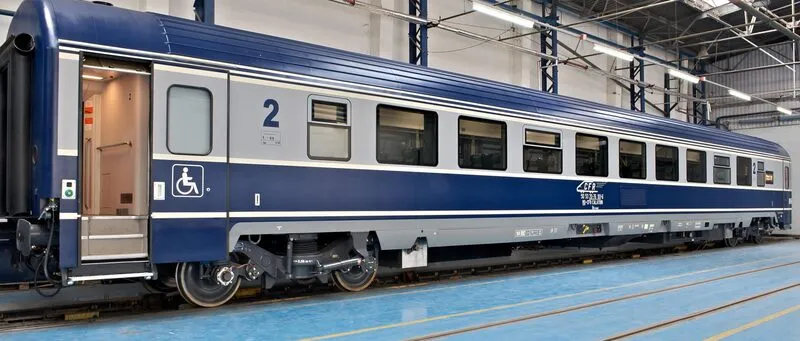
B10meeb 84-87
Romania

WLABmee 70-91
Romania

B11 21-86
Romania

B11 21-76 001 - 099
Romania

B11mee 21-87
Romania

B10ee 20-87
Romania

A10mee 10-91
Romania

A10mee 10-90.1
Romania

A10mee 10-90
Romania

A10mee 10-70.1
Romania
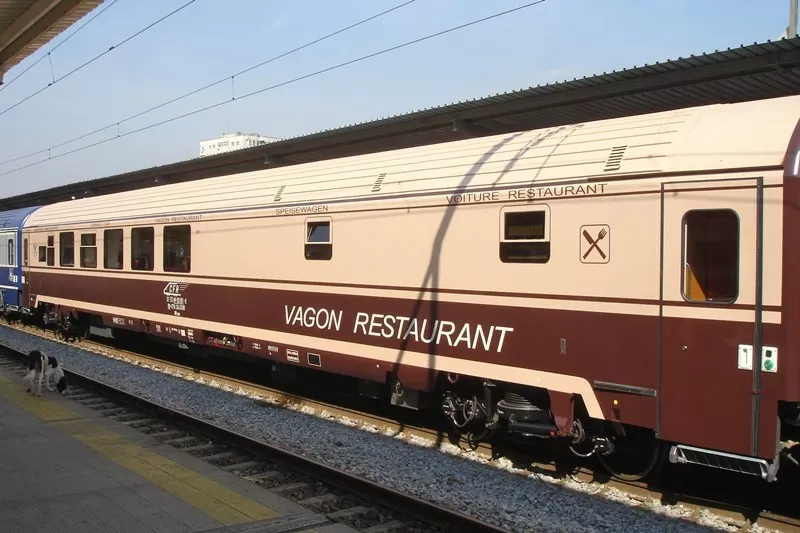
WRmee 84-90
Romania
B11 (mee) 21-90 - Associated miniature models:

CFR Călători - B11 21-90 (AVA 200) passenger coach
Recommended retail price: 89,90 €

CFR Călători - B11 21-90 (AVA 200) passenger coach
Recommended retail price: 89,90 €

CFR - AVA 200 passenger coach
Recommended retail price: 89,90 €

CFR - Series 21-90 (B11 AVA 200) passenger coach
Recommended retail price: 89,90 €


Advertising:

The identity card, photos and videos for thousands of railway vehicles all around Europe!
