

Source: P. Cvikevic
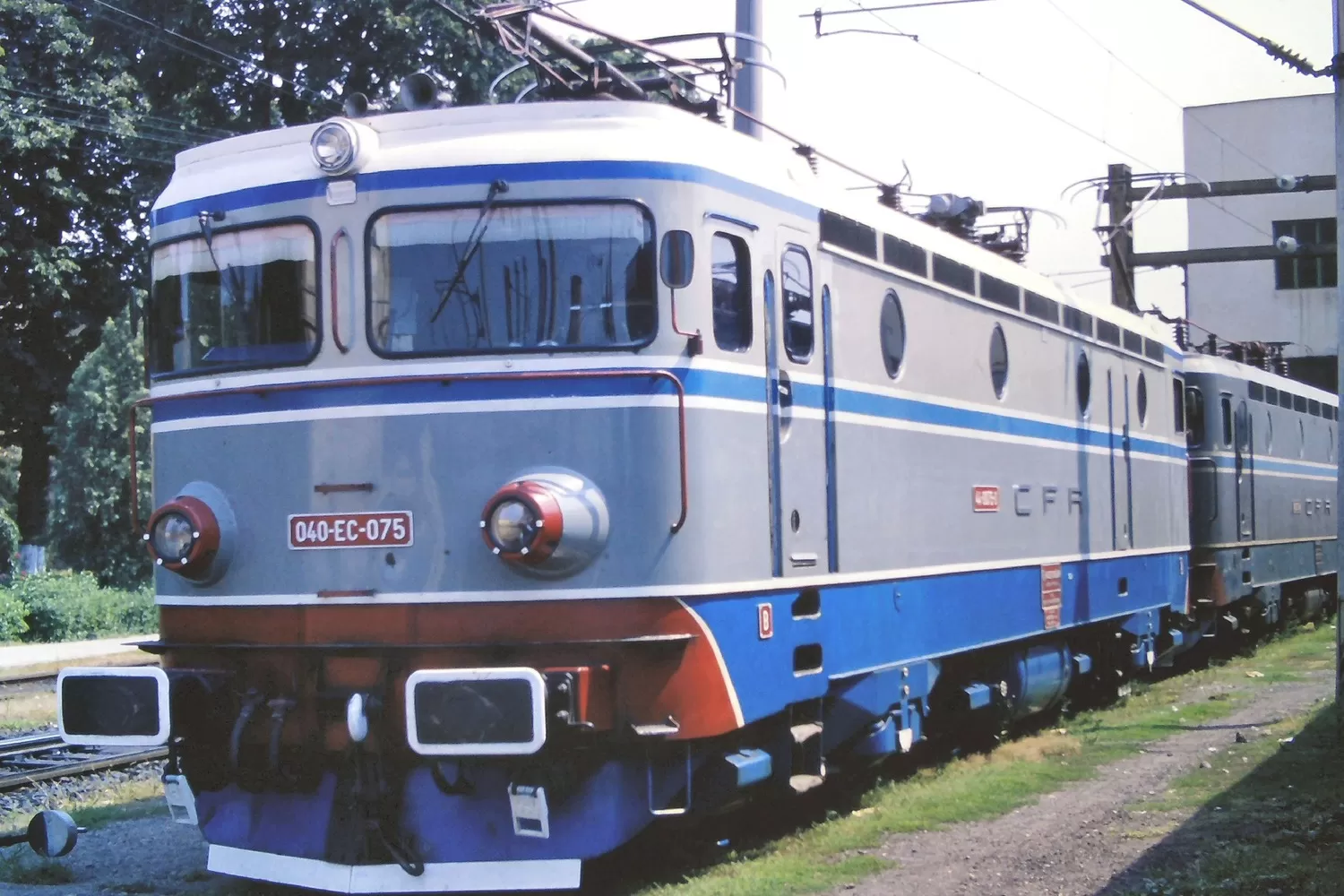
Source: S. Passera - facebook.com
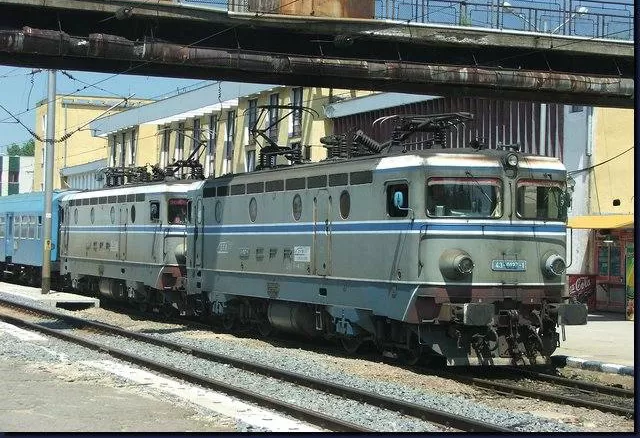
Source: Endre Barta - facebook.com
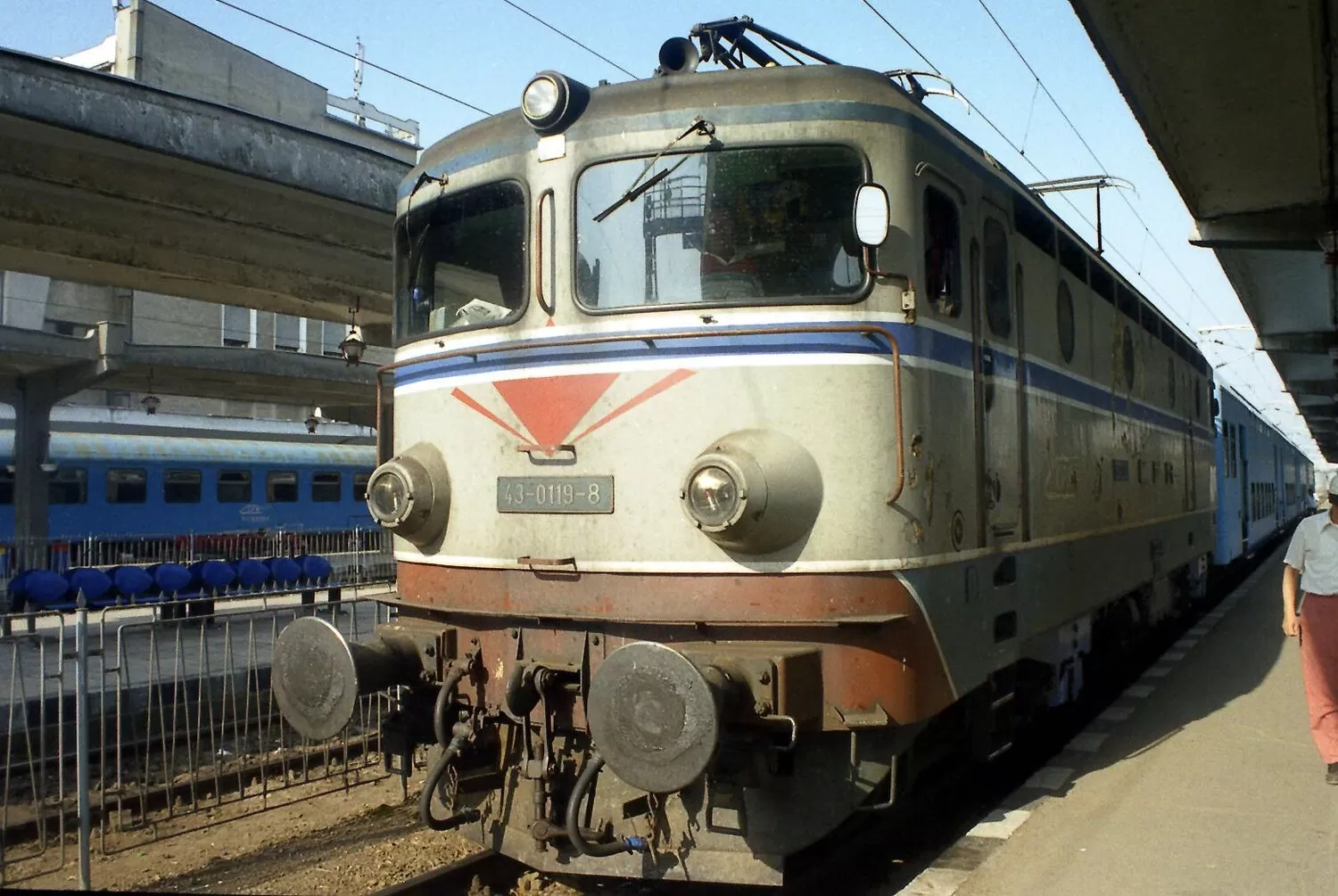
Source: facebook.com
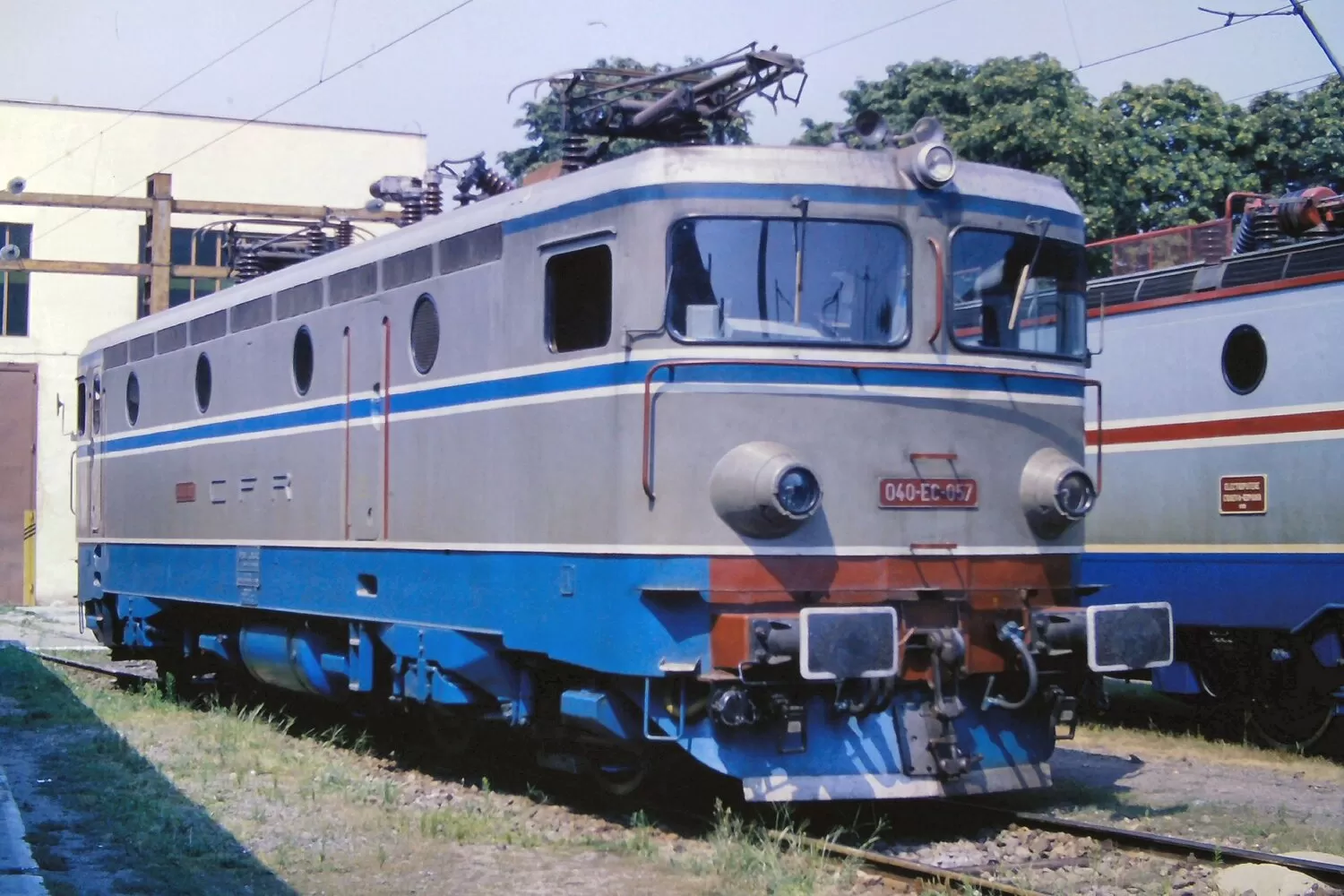
Source: facebook.com
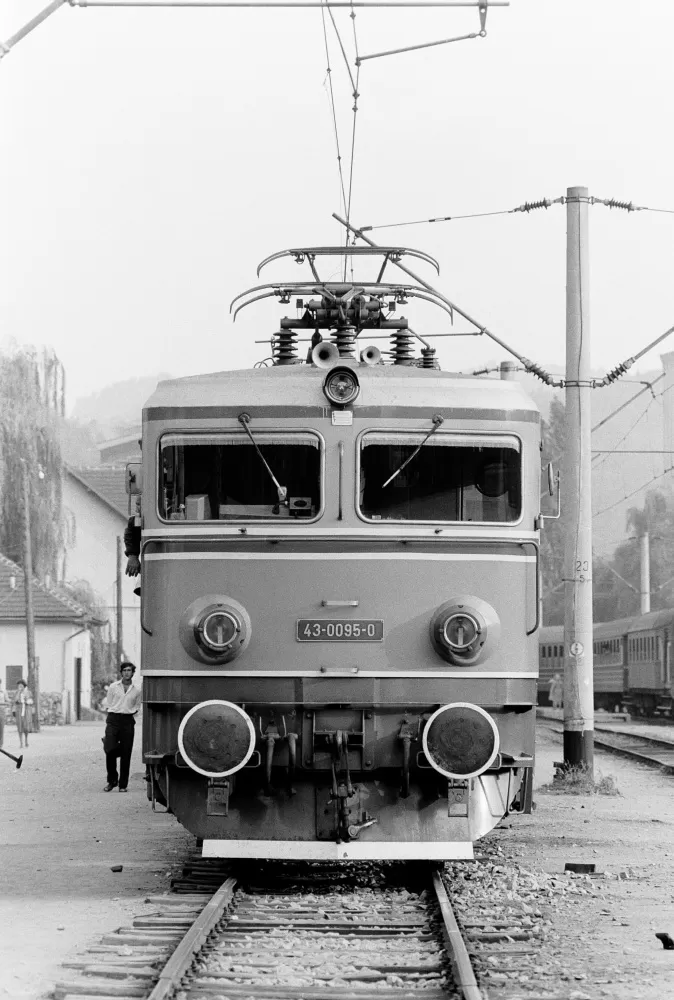
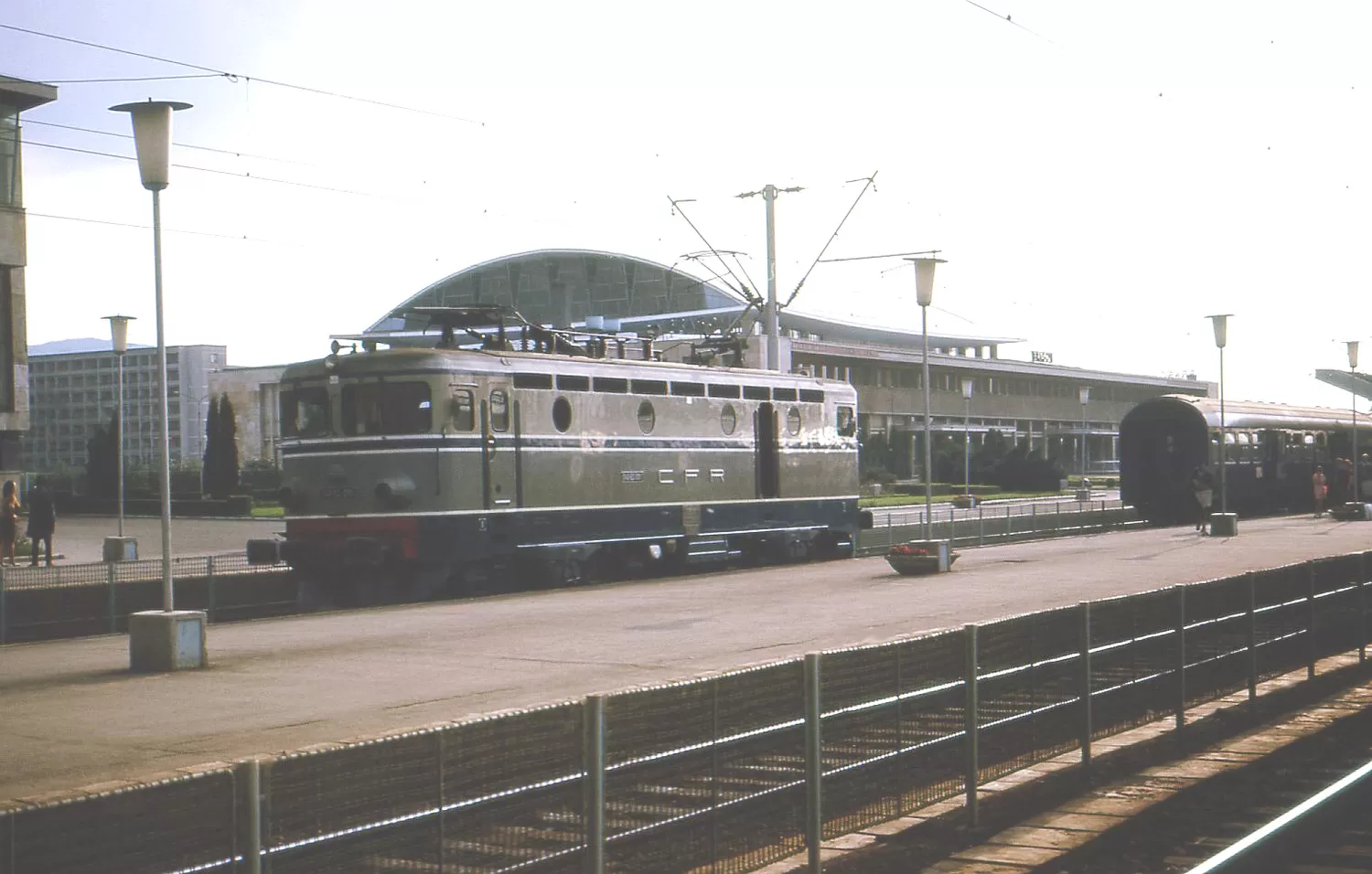
1960s
Origins in the ASEA locomotive family
Both countries adopted the 25 kV 50 Hz AC system for the large-scale electrification of their main railway networks and turned to Swedish manufacturer ASEA for modern electric locomotive technology. Romania’s cooperation with ASEA ultimately produced the six-axle 060-EA family, while Yugoslavia selected a four-axle design derived from ASEA technology that became the JŽ Class 441.
The Yugoslav locomotive was itself closely related to the experimental Swedish Rb family. The first JŽ 441 locomotives entered service in the late 1960s, initially with substantial involvement from the international manufacturers behind the design. Production was subsequently transferred to Yugoslav industry, principally Rade Končar in Zagreb, with several other Yugoslav companies participating in the programme.
This common technological origin would soon provide the basis for industrial cooperation between Romania and Yugoslavia. Romanian railway literature specifically notes that equipment used on the locomotives produced in the two countries was identical or similar because both families were based on ASEA technology.
1972
Romanian-Yugoslav cooperation
At the same time, CFR could make use of a lighter four-axle locomotive to complement its 060-EA fleet.
Beginning in 1972, Romania and Yugoslavia concluded an industrial agreement covering the reciprocal supply of locomotives and components. Romanian industry, particularly Electroputere and UCM Reșița, became involved on the Romanian side.
Under the programme, Romania supplied Yugoslavia with 103 six-axle Co’Co’ electric locomotives, which became JŽ Class 461, together with components required for locomotive production. In the opposite direction, Yugoslavia supplied CFR with 130 four-axle Bo’Bo’ locomotives, initially registered in Romania as 040-EC.
1972
The 040-EC arrives in Romania
The Romanian-Yugoslav programme began in 1972, with the first series locomotives entering the CFR fleet at the beginning of the following years. A total of 130 locomotives were supplied to CFR.
Although visually and technically closely related to the Yugoslav Class 441, the Romanian locomotives formed a distinct CFR fleet. They retained the characteristic Bo’Bo’ wheel arrangement, with four powered axles distributed between two two-axle bogies. With a length of approximately 15,5 metres and a mass of around 76 tonnes, they were considerably smaller and lighter than CFR’s six-axle 060-EA locomotives. Their continuous power was approximately 3'400 kW.
This gave CFR two complementary ASEA-derived electric locomotive families: the heavy six-axle 060-EA for demanding main-line duties and the lighter four-axle 040-EC.
An important distinction must be made within the Romanian fleet. The locomotives were constructed in two principal versions, designated 040-EC (later Class 43) and 040-EC1 (later Class 44). The standard 040-EC was designed for a maximum speed of 120 km/h, while the 040-EC1 version was capable of 160 km/h. The 120 km/h locomotives developed a maximum tractive effort of approximately 275 kN, whereas the higher gearing required for the 160 km/h version resulted in a lower maximum tractive effort, generally quoted at approximately 206 kN.
The lighter axle load and four-axle configuration made the locomotives useful on services where the considerably larger six-axle Romanian electrics were unnecessary. They could work both passenger and freight traffic and became particularly characteristic of secondary electrified routes.
1990
A fragmented fleet
2014

Particular historical importance belongs to 040-EC-001, the first locomotive of the Romanian series. After a long period of storage, it was restored in 2014 and returned to operational condition. It subsequently appeared at railway commemorations and exhibitions, including events in Brașov and Bucharest.
2020s
A new generation: Class 48.3
The programme goes considerably further than a conventional overhaul. The original traction equipment is replaced by a modern drive system using asynchronous traction motors, together with new electronic control and diagnostic systems. The locomotives also receive extensively redesigned and better insulated driving cabs, modern auxiliary equipment and other improvements intended to meet contemporary operational requirements.
The rebuilt locomotives are designated Class 48.3.
Do you have additional informations regarding this vehicle?
Help us writing the history of Class 43! Your knowledge is precious for us and the entire community, do not hesitate to share your facts, photos or videos:
Latest update on the 21st of September 2026 at 21:58
Contributor(s): Tudor C.
Advertising:
Class 43 - Related rolling stock from category "040-EC":

Class 43 - Associated miniature models:

CFR - 040-EC-001 electric locomotive
Recommended retail price: 249,00 €
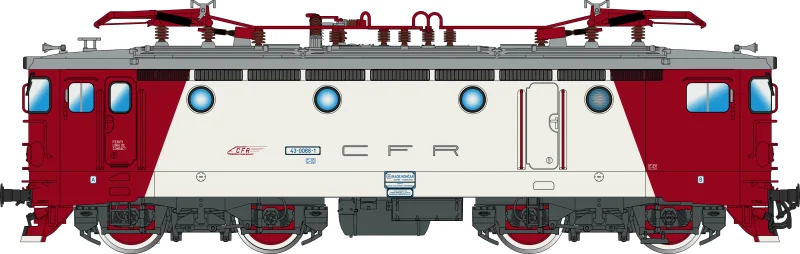
CFR Călători - Class 43 (040-EC) electric locomotive
Recommended retail price: from 269,90 €
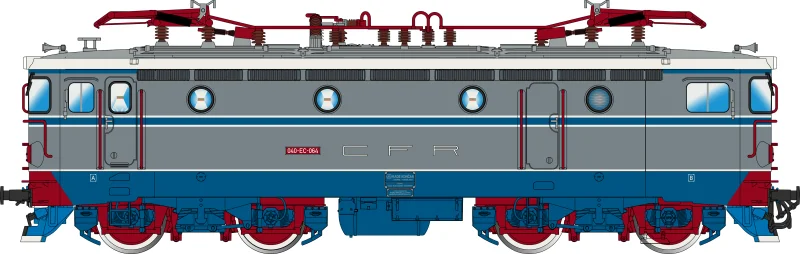
CFR - 040-EC-064 electric locomotive
Recommended retail price: from 269,90 €
Advertising:

The identity card, photos and videos for thousands of railway vehicles all around Europe!
