

Vehicle type: Diesel locomotive
Registration country: Poland
Railway companies: PKP - Polskie Koleje Państwowe
1965
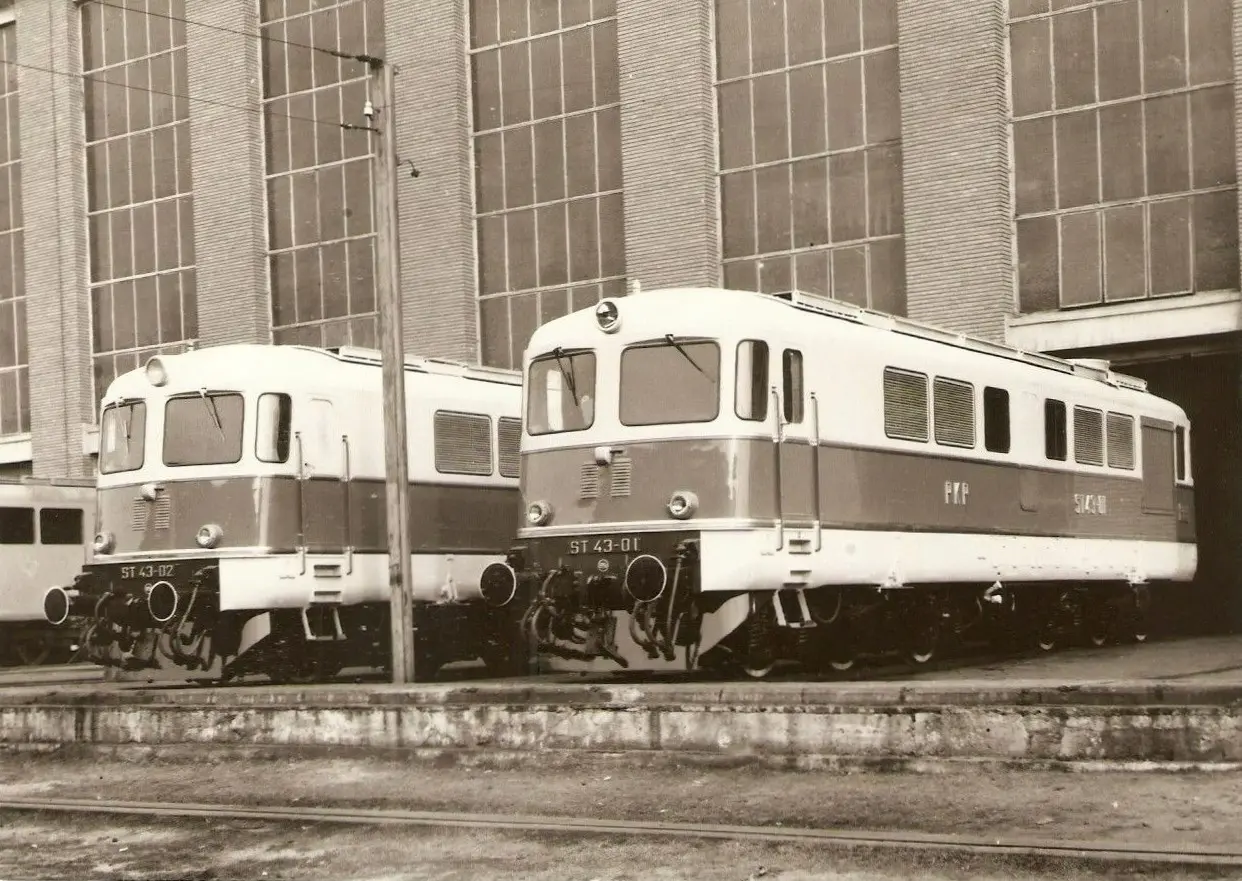
Beginning in 1965, the PKP began importing diesel locomotives from Electroputere, the major locomotive manufacturer in Craiova, Romania. The Romanian builder had been producing the 060-DA type since 1959, a design developed under license from three Swiss companies:
• Sulzer – diesel engine
• BBC (Brown, Boveri & Cie) – electrical equipment
• SLM (Schweizerische Lokomotiv- und Maschinenfabrik) – mechanical components
The 060-DA was already in large-scale service with the Romanian State Railways (CFR) as Class 60, and its rugged, modular design made it an attractive export model for several Eastern European railways.
For Poland, the locomotives were adapted to local standards and reclassified as PKP Class ST43. The most visible difference from the Romanian version was the use of larger, round headlights, typical of Polish diesel locomotives.
Production and Technical Evolution
Between 1965 and 1978, a total of 422 units of Class ST43 were delivered to the PKP.
Starting with ST43-156, a new engine type was introduced, offering improved reliability and slightly better performance.
From ST43-278 onward, the locomotives were built ready for automatic central couplers, which required a slightly longer frame and made the later units marginally heavier than the earlier series.
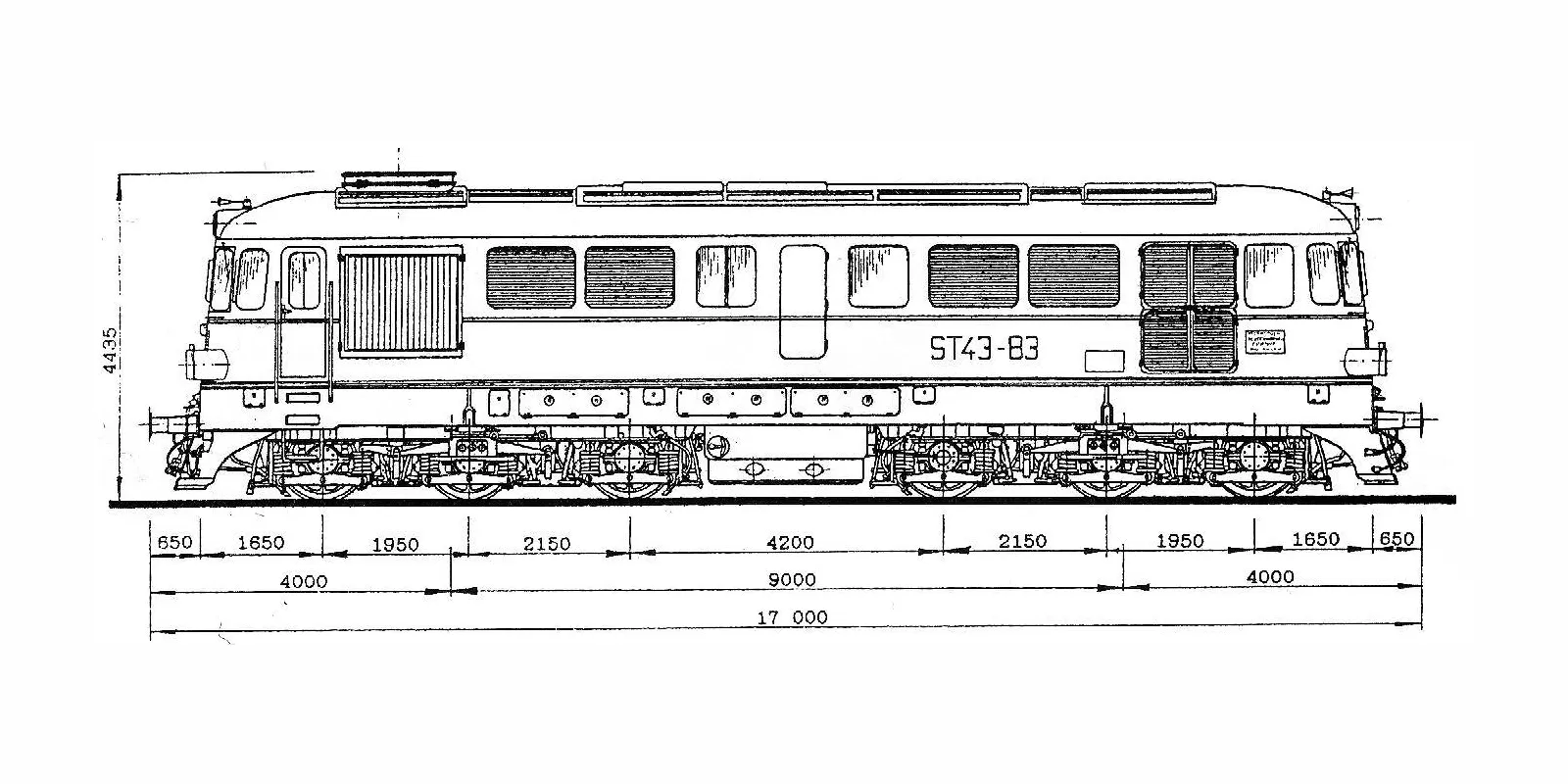
Each locomotive was equipped with a Sulzer 12LDA28B twelve-cylinder diesel engine, delivering around 2,100 horsepower, driving DC traction motors through an electric transmission supplied by BBC. The result was a powerful and durable locomotive ideally suited to Poland’s diverse topography and heavy freight trains.
Service in Poland
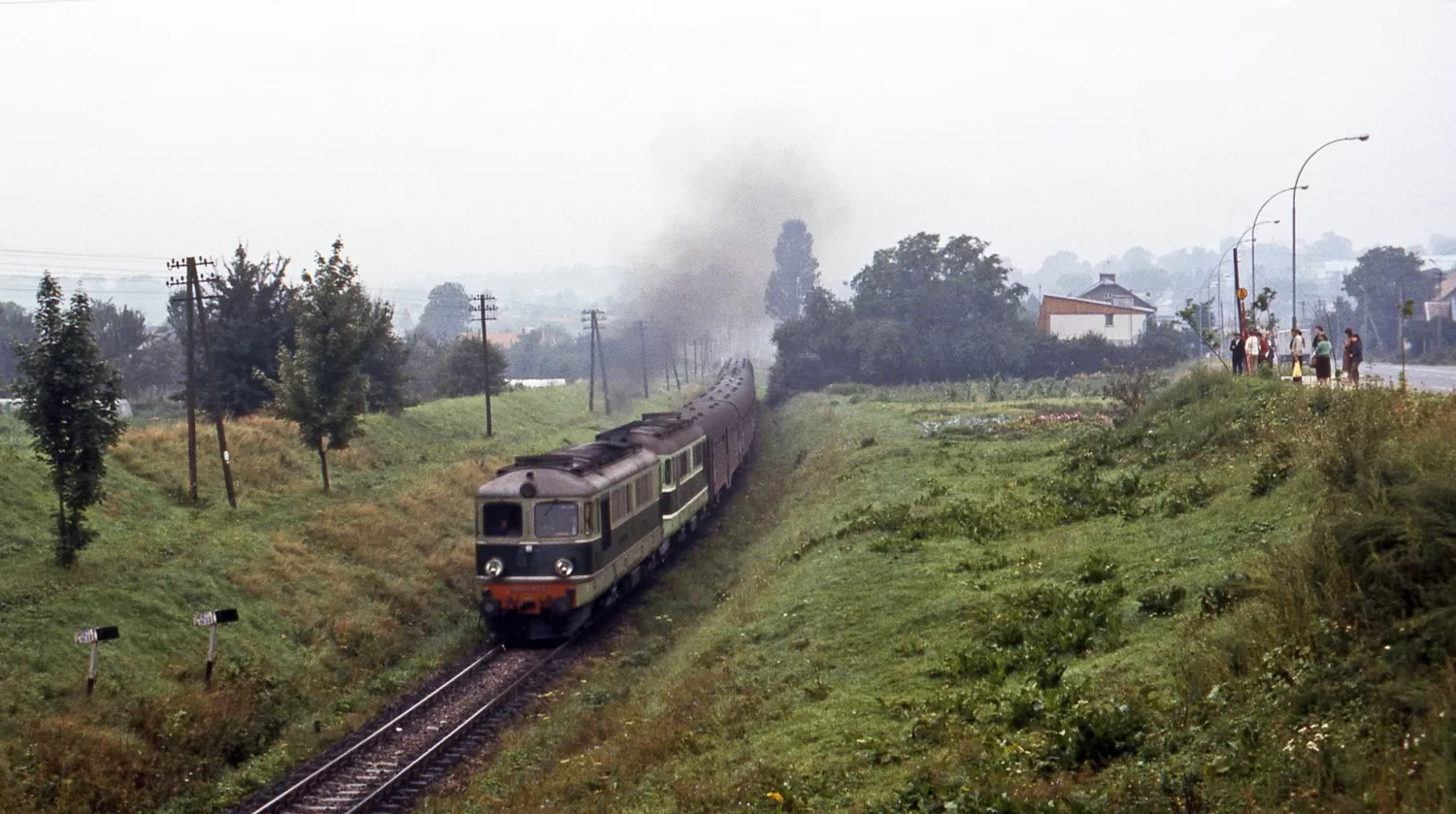
Because the ST43 lacked train-heating equipment, its primary field of operation was freight service. However, during warmer months—particularly in regions such as Lower Silesia and southern Poland—it was not uncommon to see ST43s hauling passenger trains as well.
Throughout the 1970s and 1980s, the class became a familiar sight on Polish main lines, often working alongside the heavier ST44 class (a Soviet-built M62 derivative), which was introduced for similar duties.
The ST43’s characteristic deep-toned Sulzer sound and rugged appearance made it a favourite among rail enthusiasts, who affectionately nicknamed the locomotives “Rumuny” (“the Romanians”).
Withdrawal and Preservation
By the early 2000s, the ST43 fleet was in decline. After decades of intensive service, their maintenance costs had risen sharply, and many were replaced by newer or rebuilt diesel locomotives.
In 2004, only 164 units remained operational across Poland.
The last active locomotive, ST43-366, was officially withdrawn in April 2019, marking the end of more than five decades of Romanian-built diesel traction on the PKP network. A few examples have been preserved in museums or by private heritage groups, celebrating the class’s role in modernizing Polish freight transport during the socialist era.
Do you have additional informations regarding this vehicle?
Help us writing the history of ST43! Your knowledge is precious for us and the entire community, do not hesitate to share your facts, photos or videos:
Latest update on the 22nd of December 2019 at 17:00
Contributor(s): Tudor C.
Advertising:
ST43 - Associated miniature models:
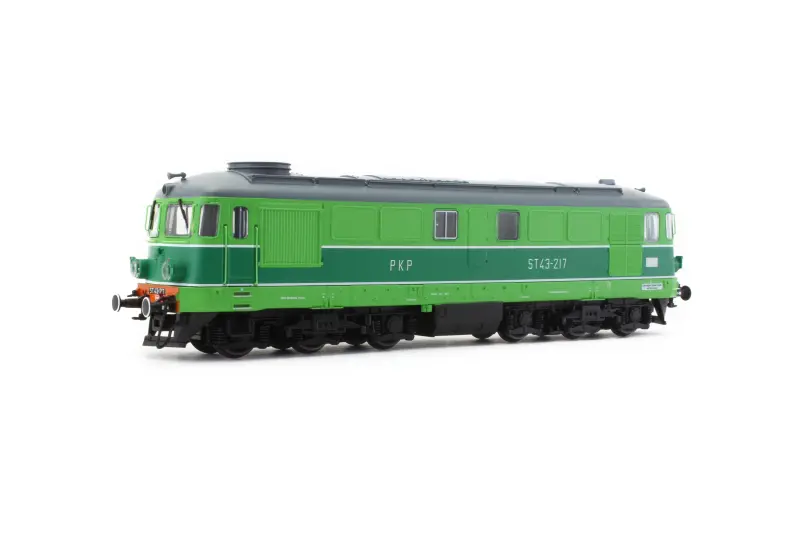
PKP - ST43-217 diesel locomotive
Recommended retail price: 389,90 €
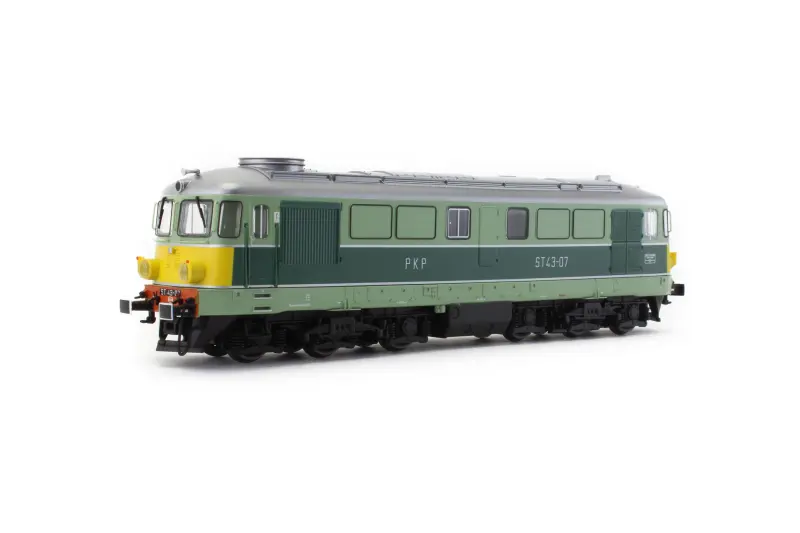
PKP - ST43-07 diesel locomotive
Recommended retail price: 389,90 €
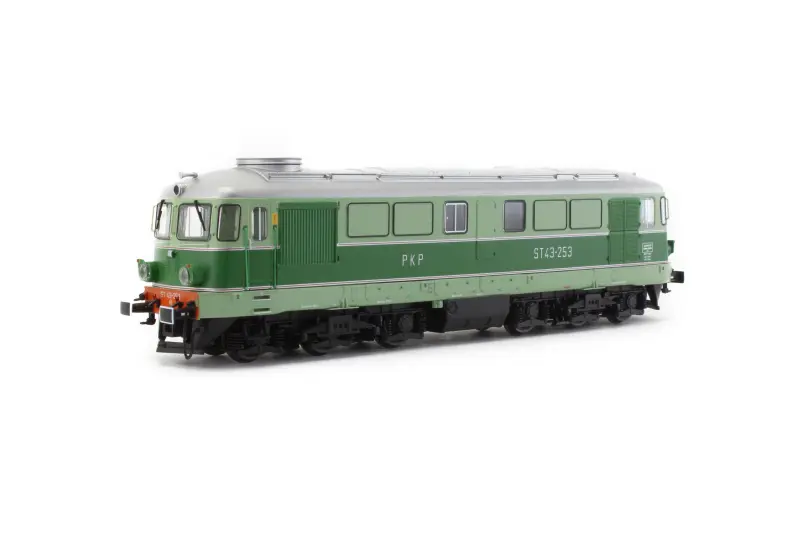
PKP - ST43-253 diesel locomotive
Recommended retail price: 389,90 €

PKP - ST43-14 diesel locomotive
Recommended retail price: 199,00 €
Advertising:

The identity card, photos and videos for thousands of railway vehicles all around Europe!
