
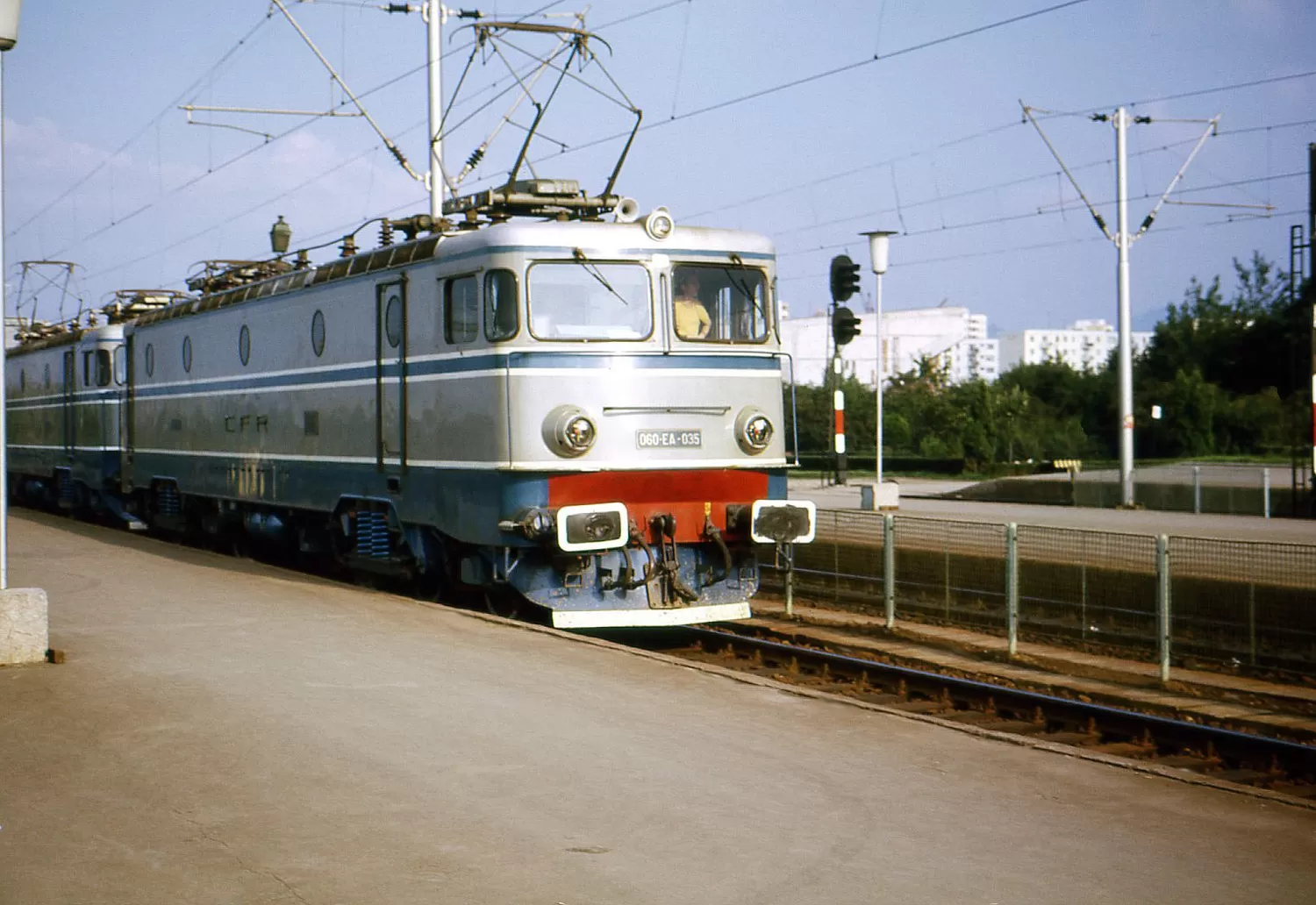
Source : Ing. Ilie Popescu - facebook.com

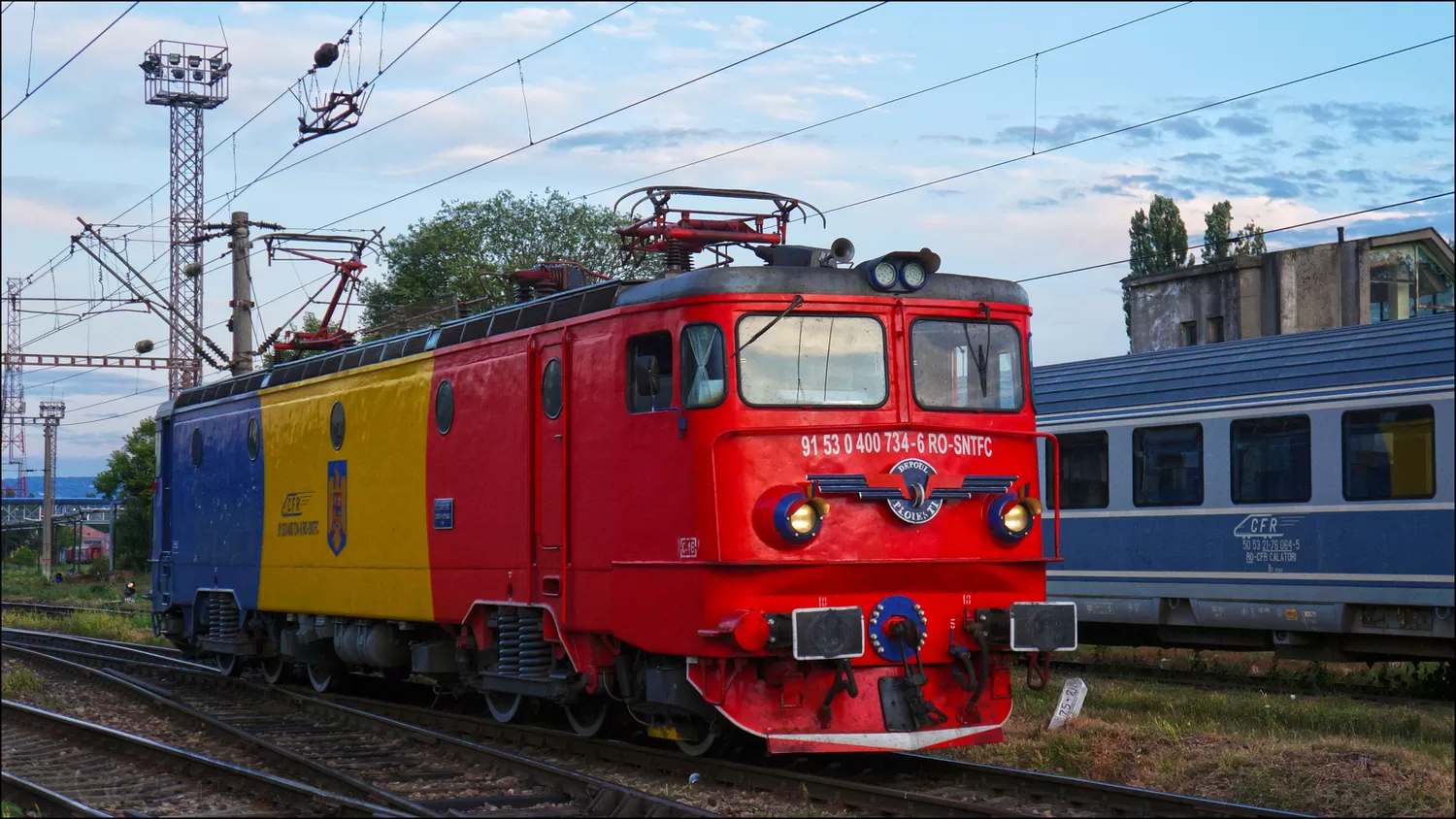
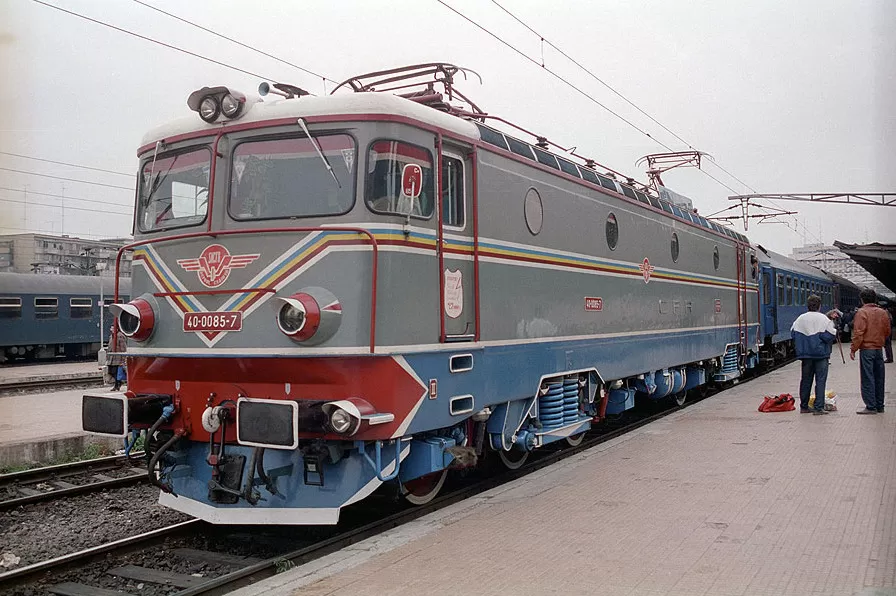
Source : Lucian-Gabriel Mardare
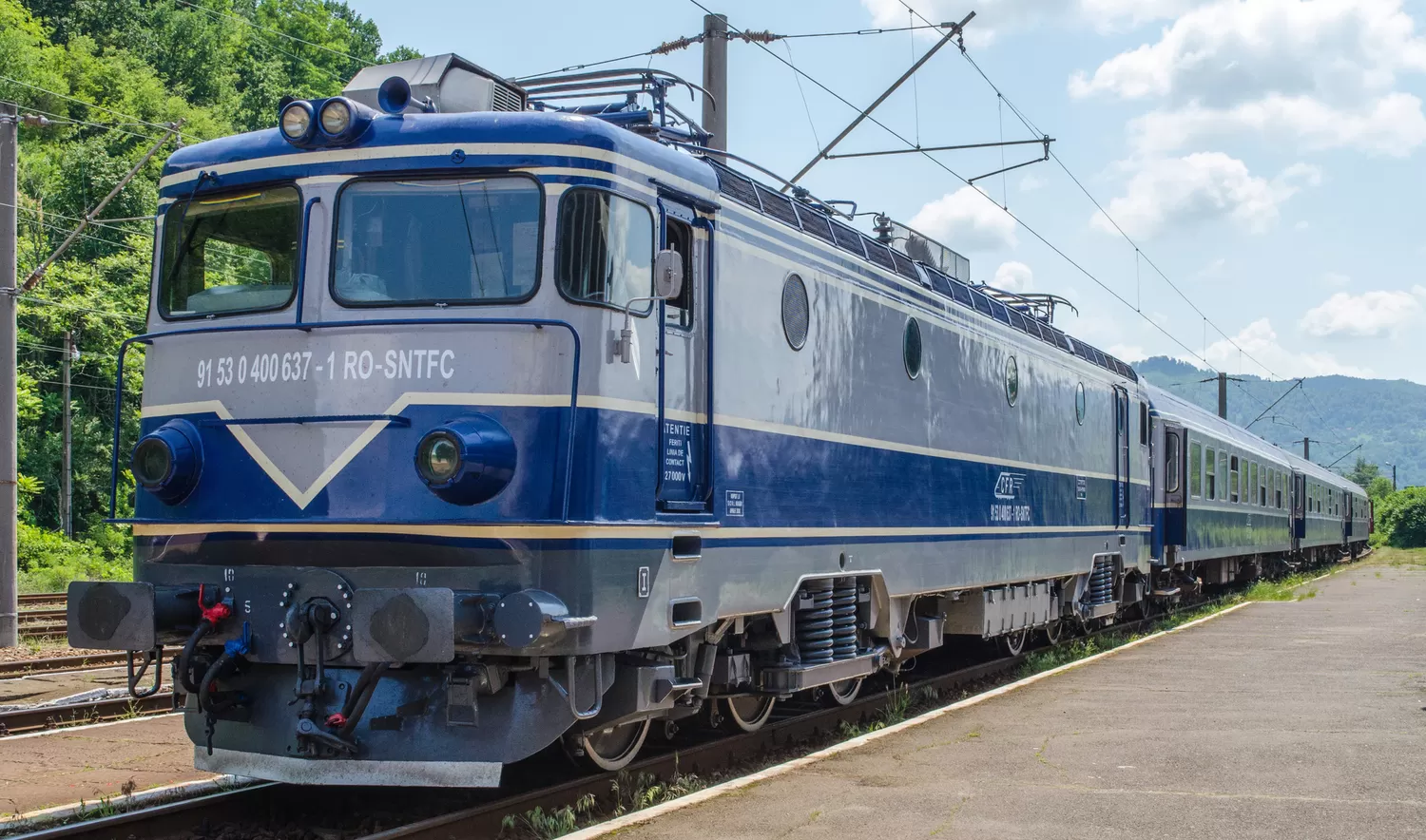
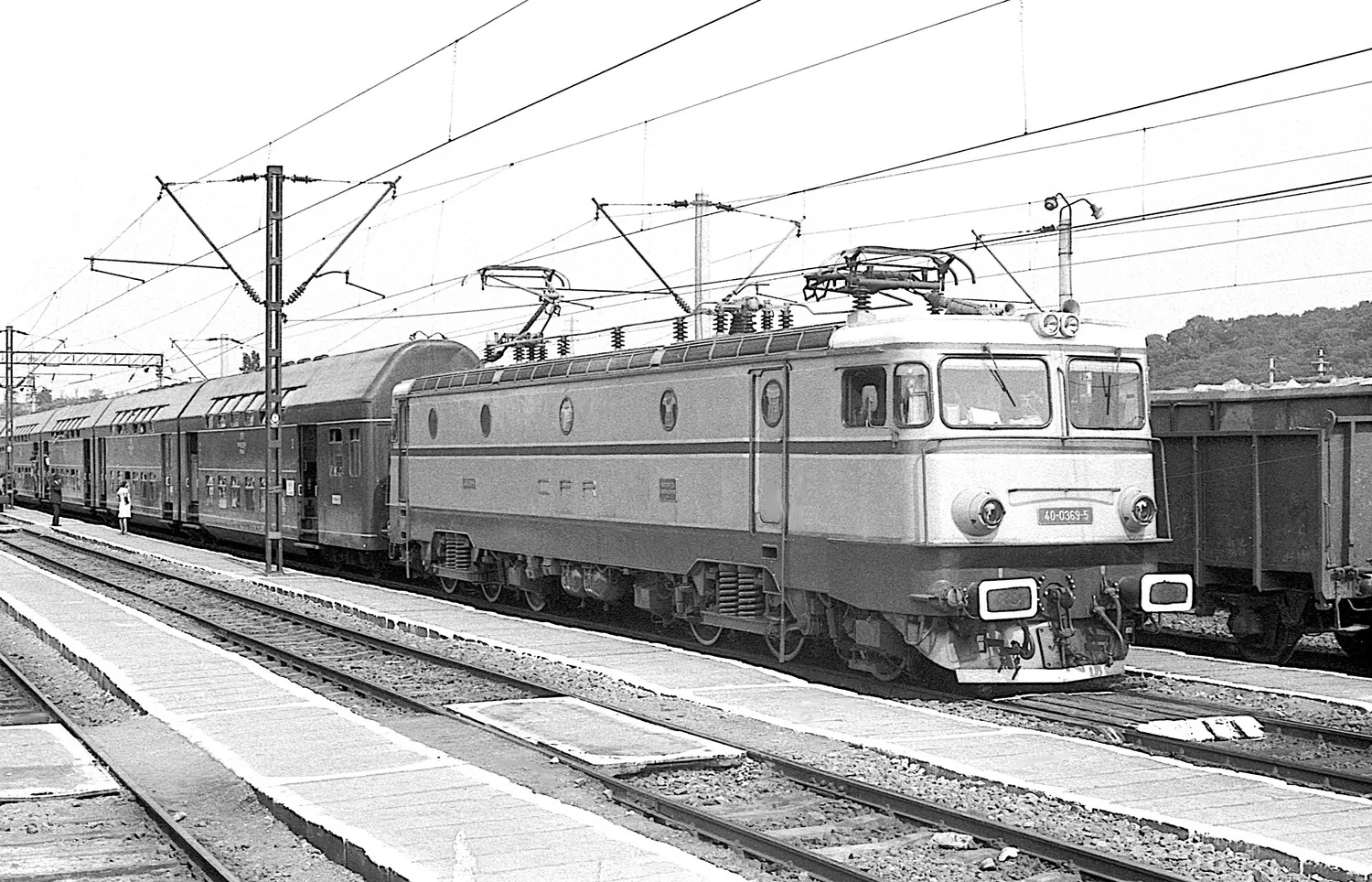
Source : Artinescu Razvan
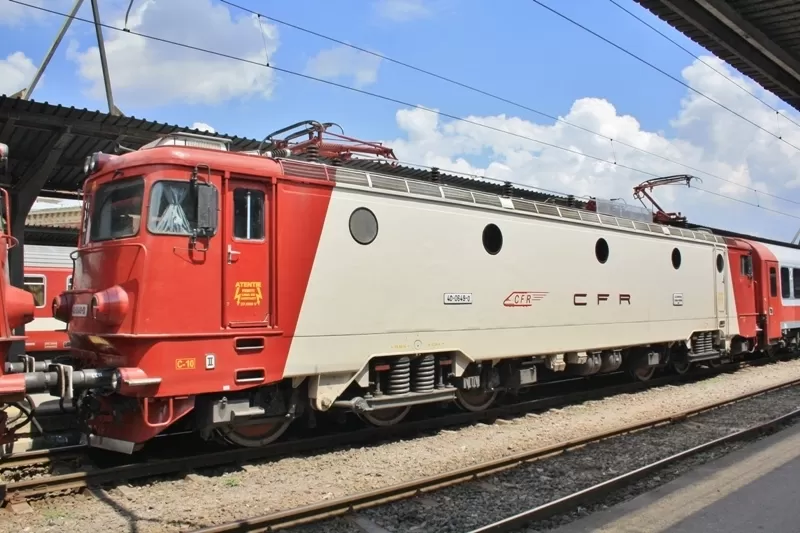
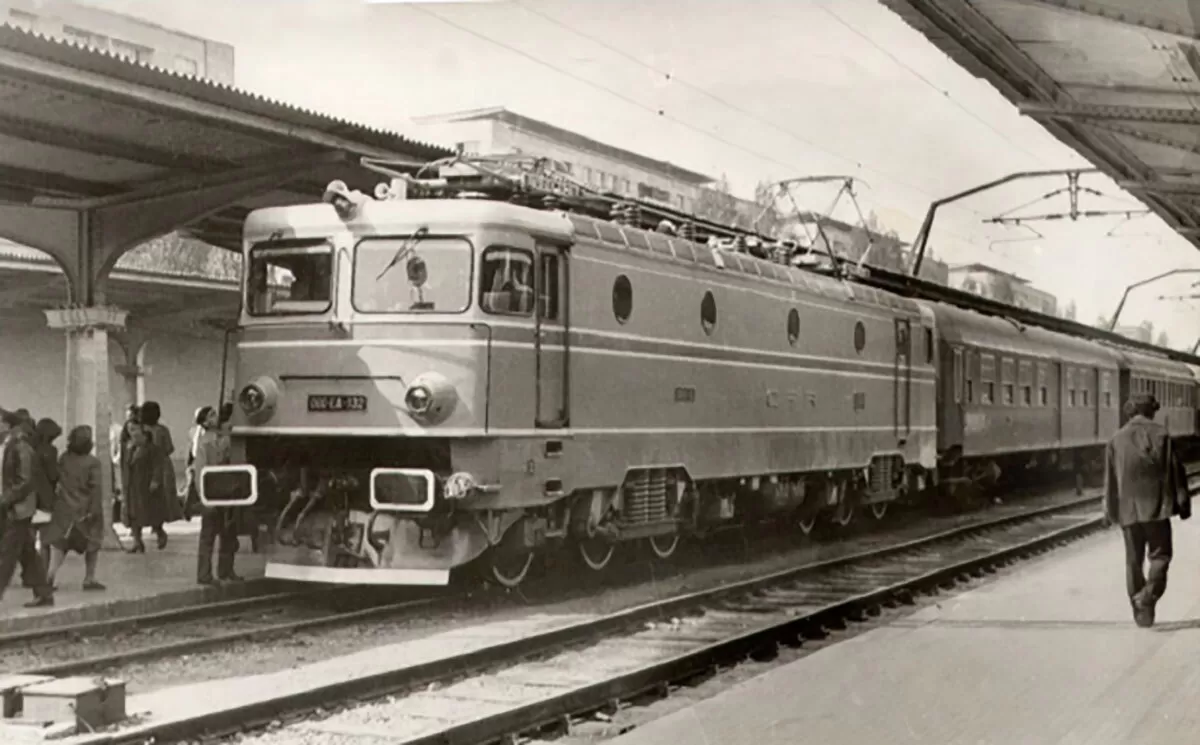
Source : forum.metrouusor.com
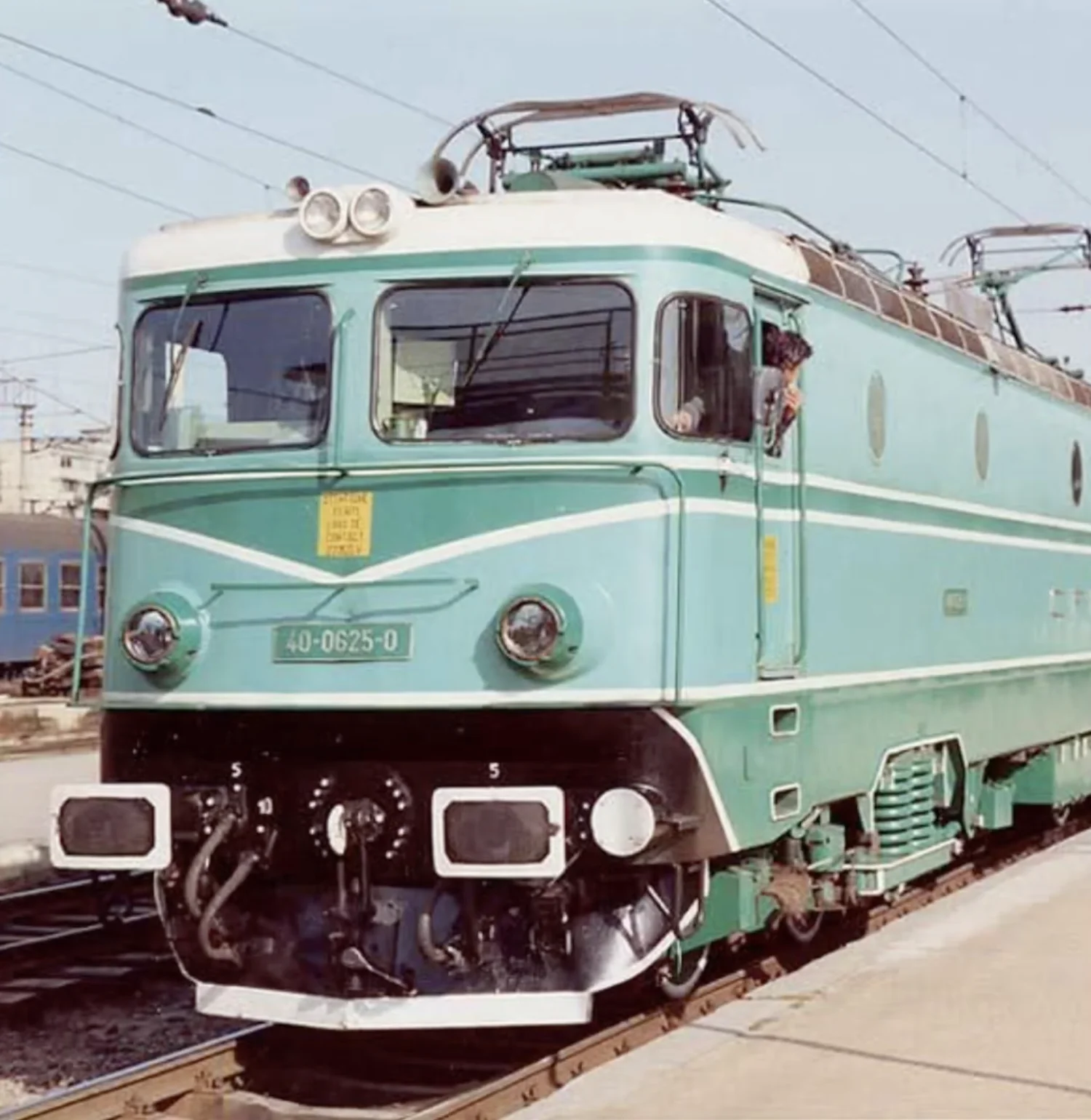
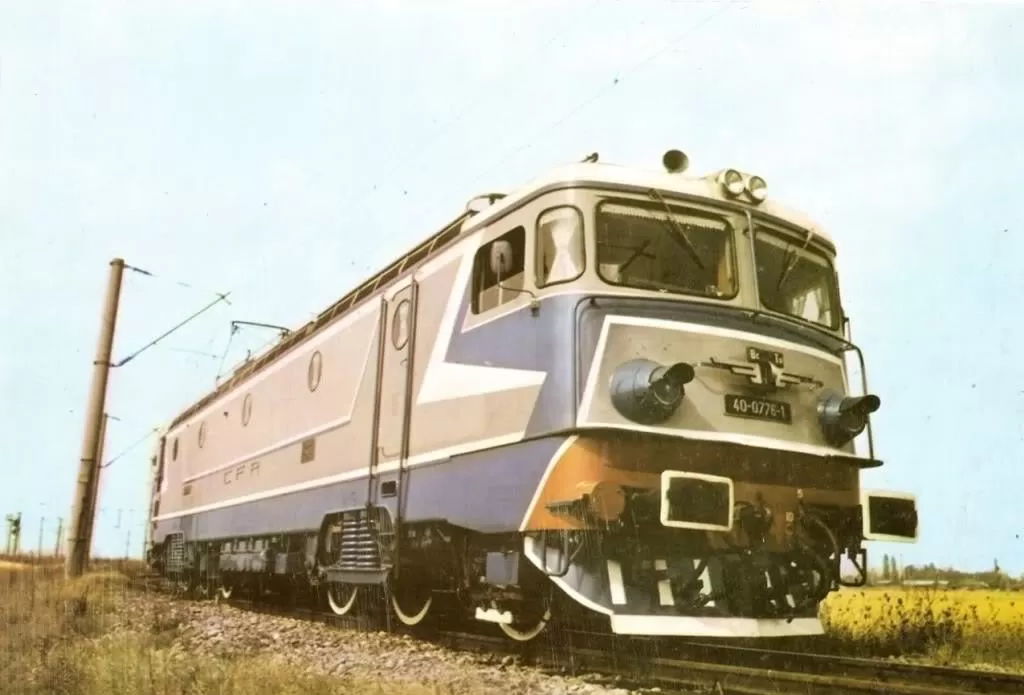
Source : facebook.com
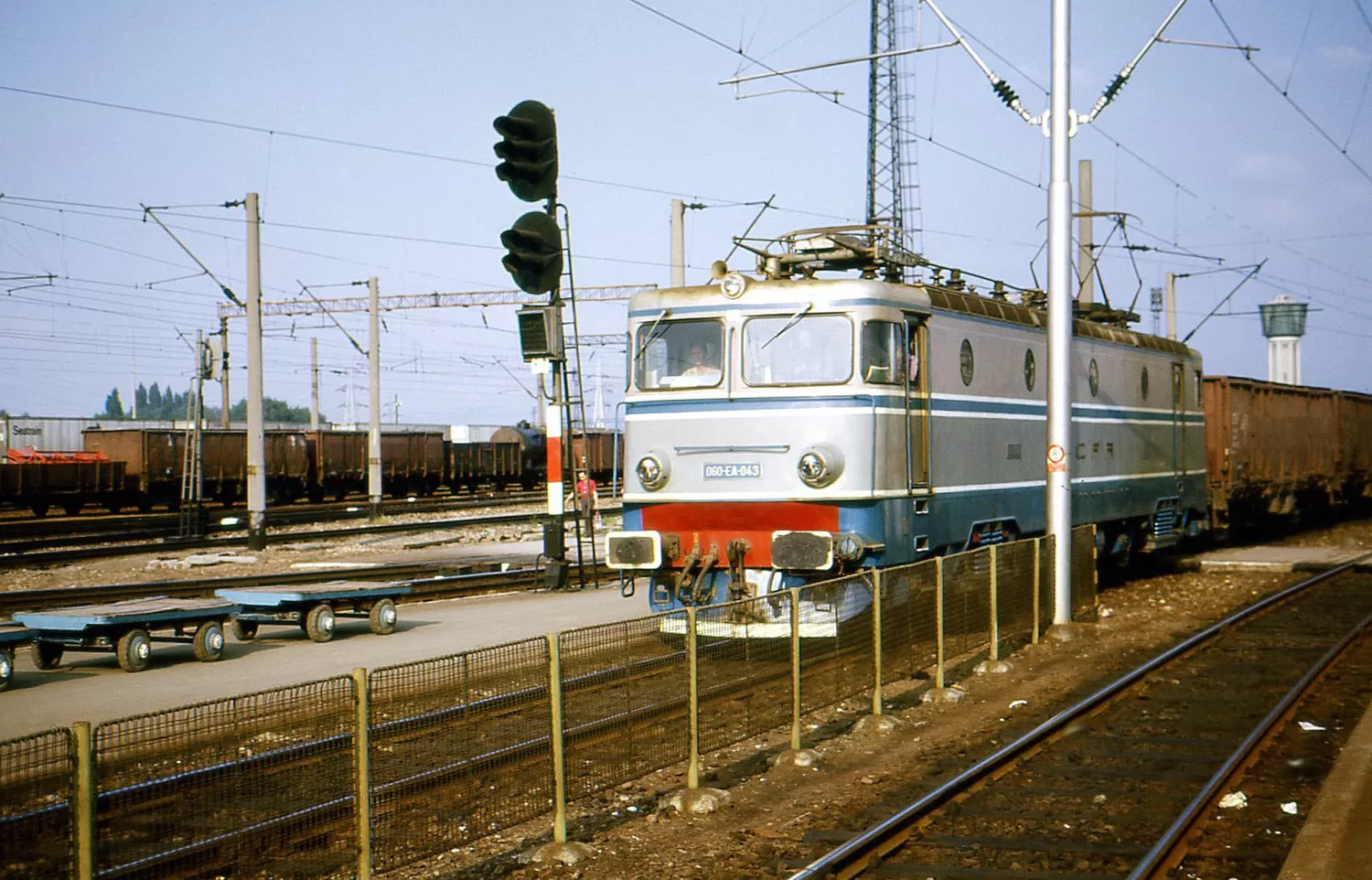
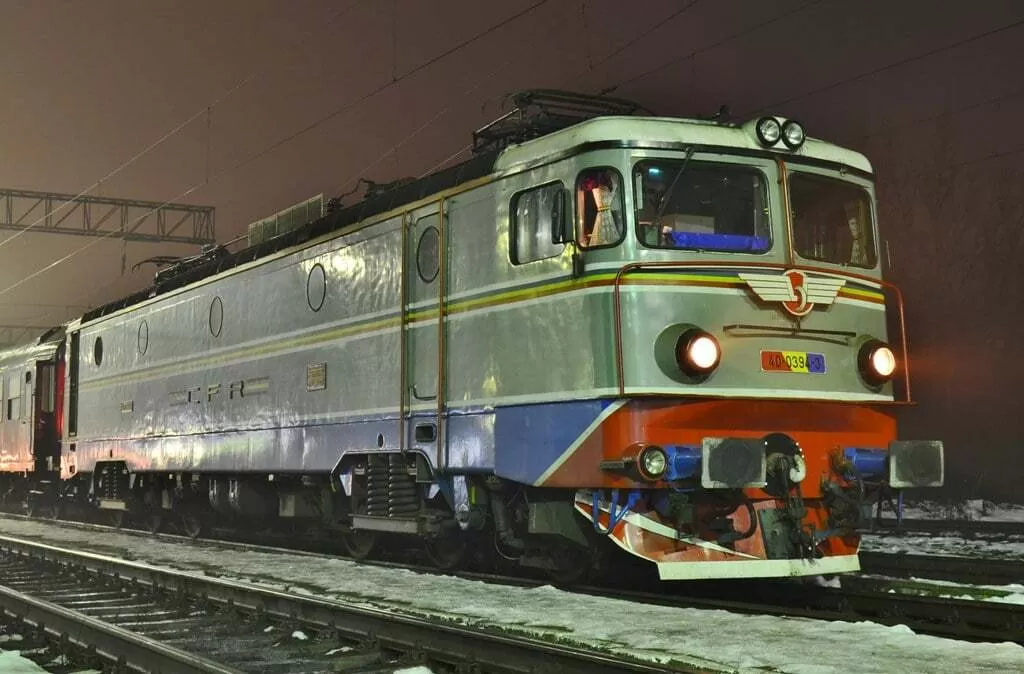
Source : Andrei Marian - facebook.com
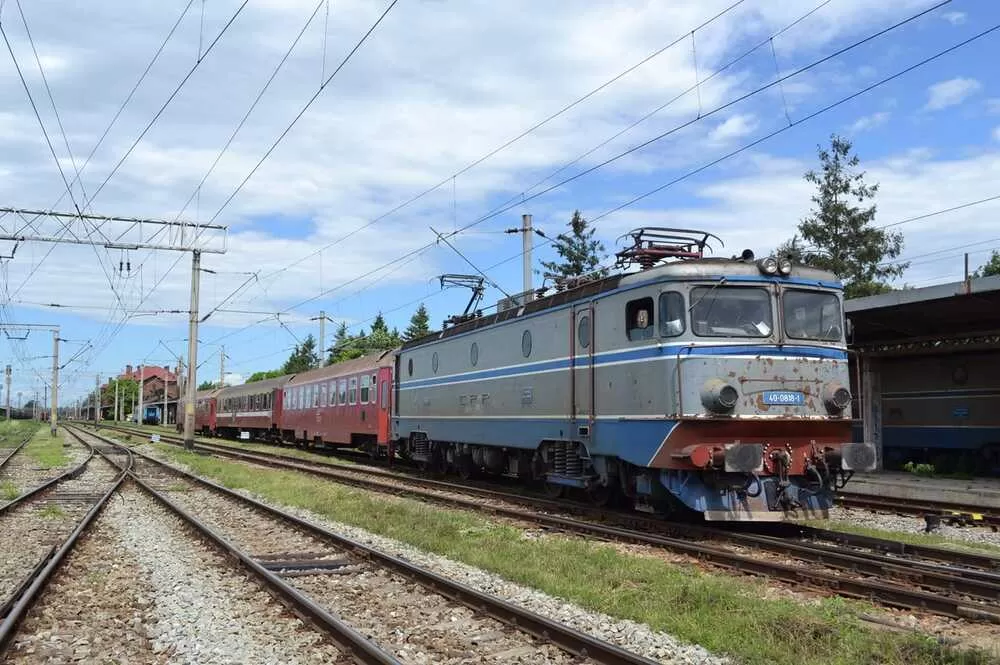
Source : Giurcă Florin - facebook.com
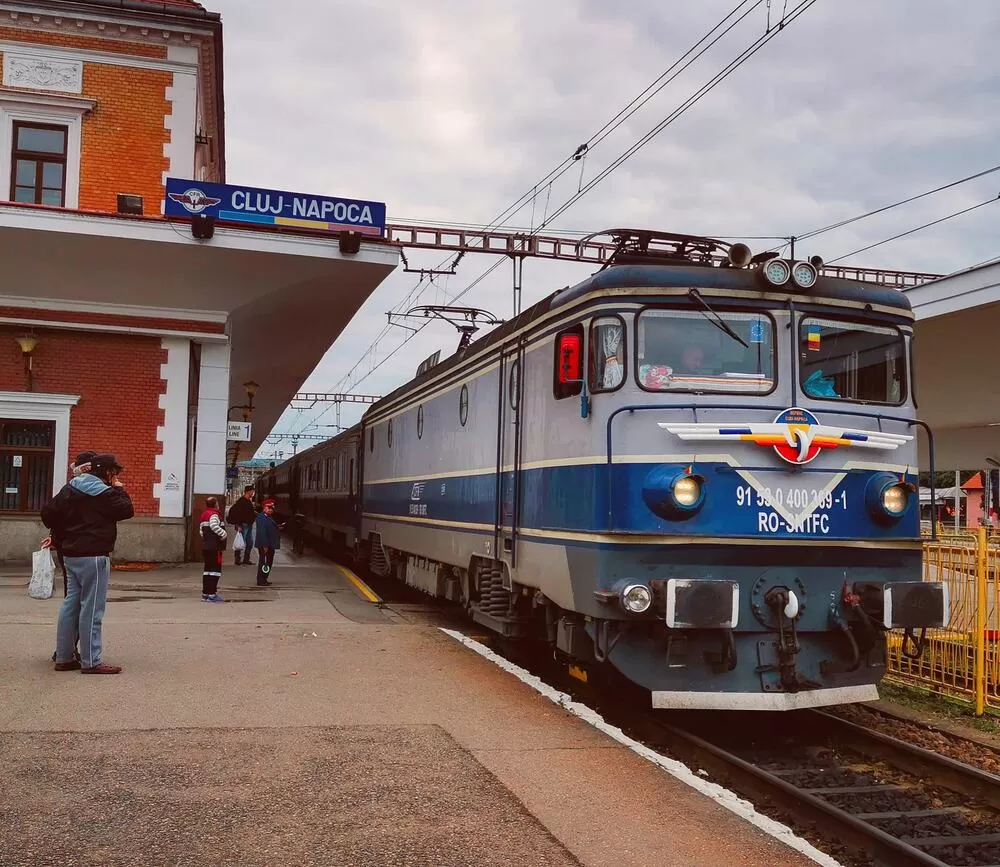
Source : Butescu Andrei - facebook.com
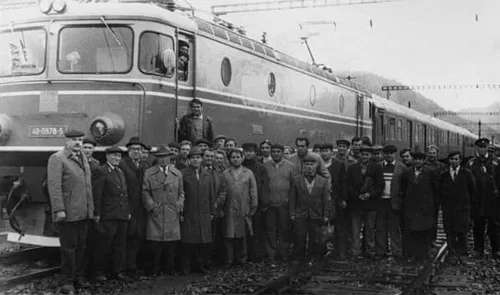
Source : facebook.com
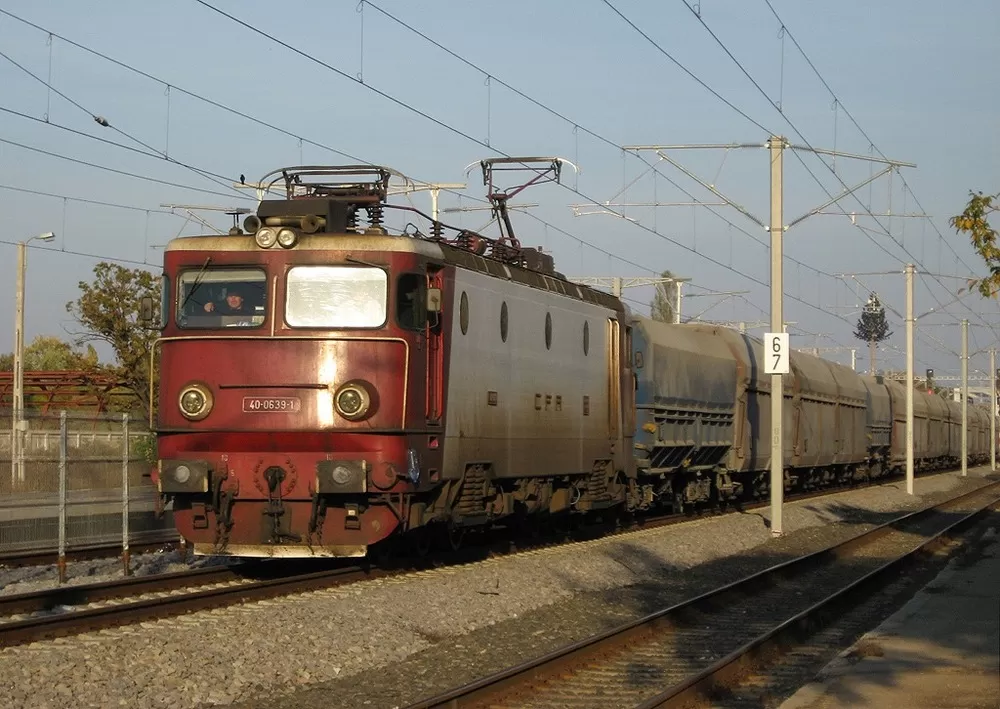
Source : Ștefan Stănescu - facebook.com
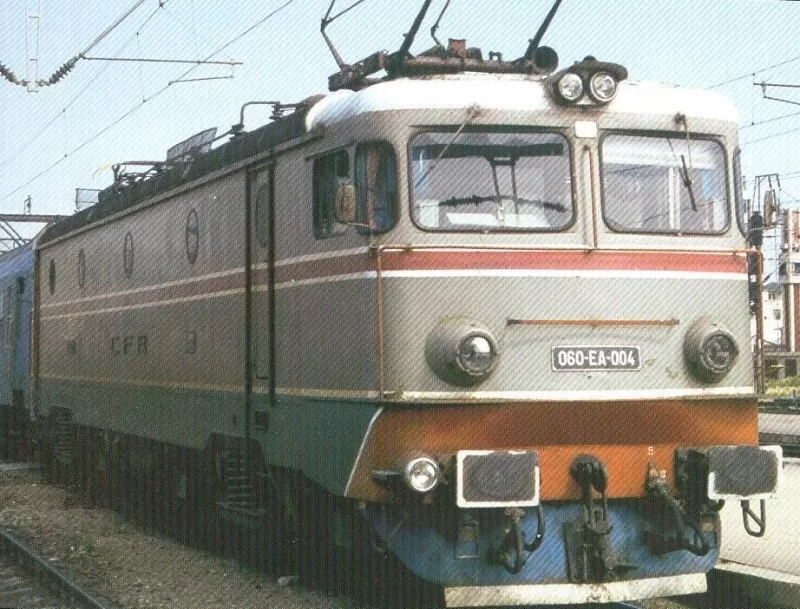
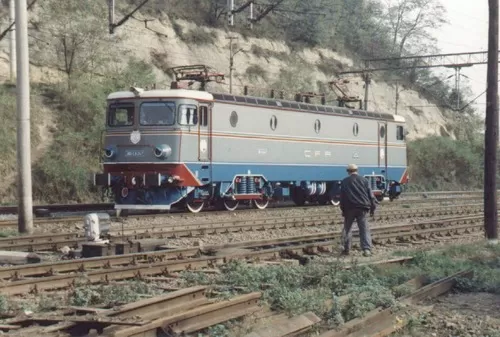
Source : Cees Schaap - facebook.com
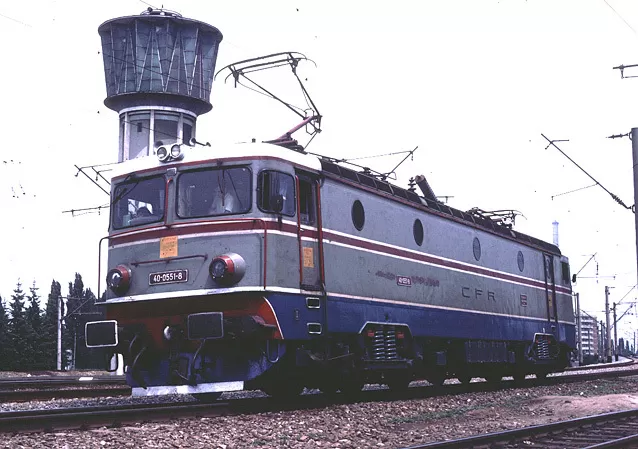
Source : silkroad1960.web.fc2.com
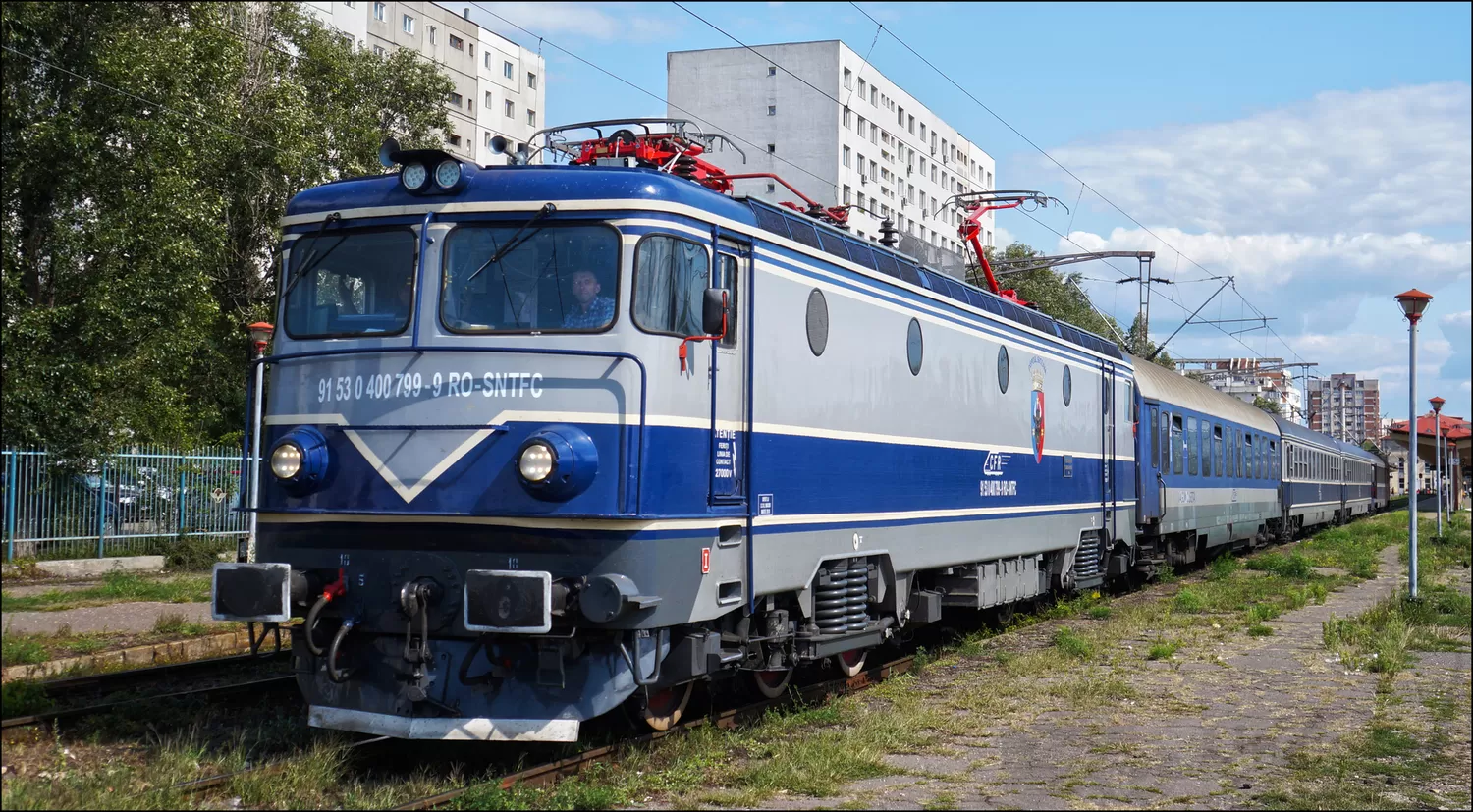
Source : Lucian-Gabriel Mardare
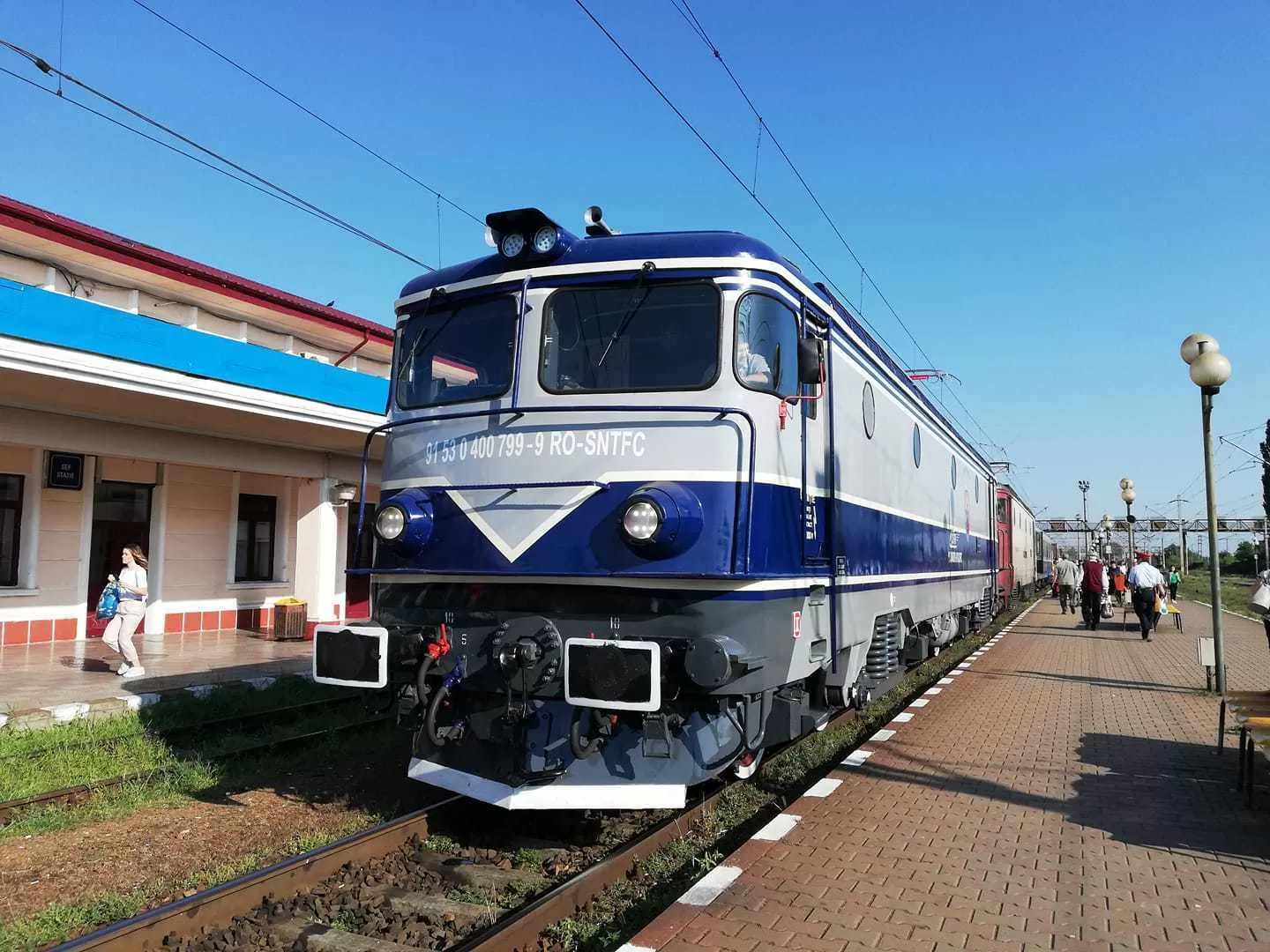
Source : forum.metrouusor.com
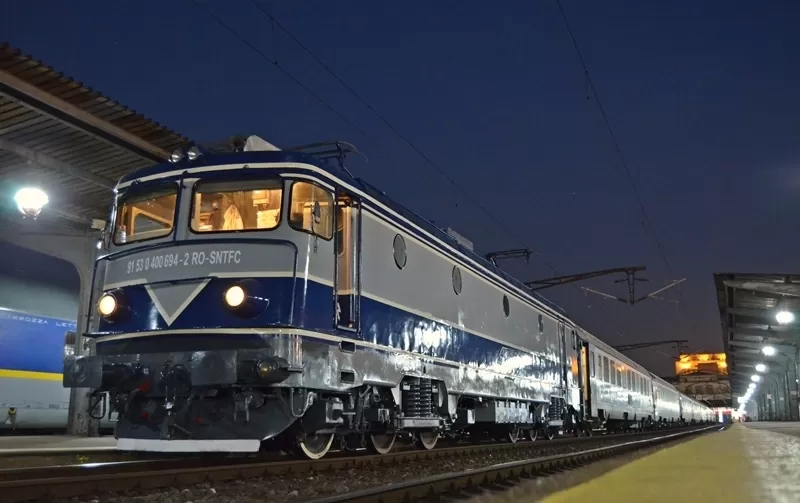
Source : forum.metrouusor.com
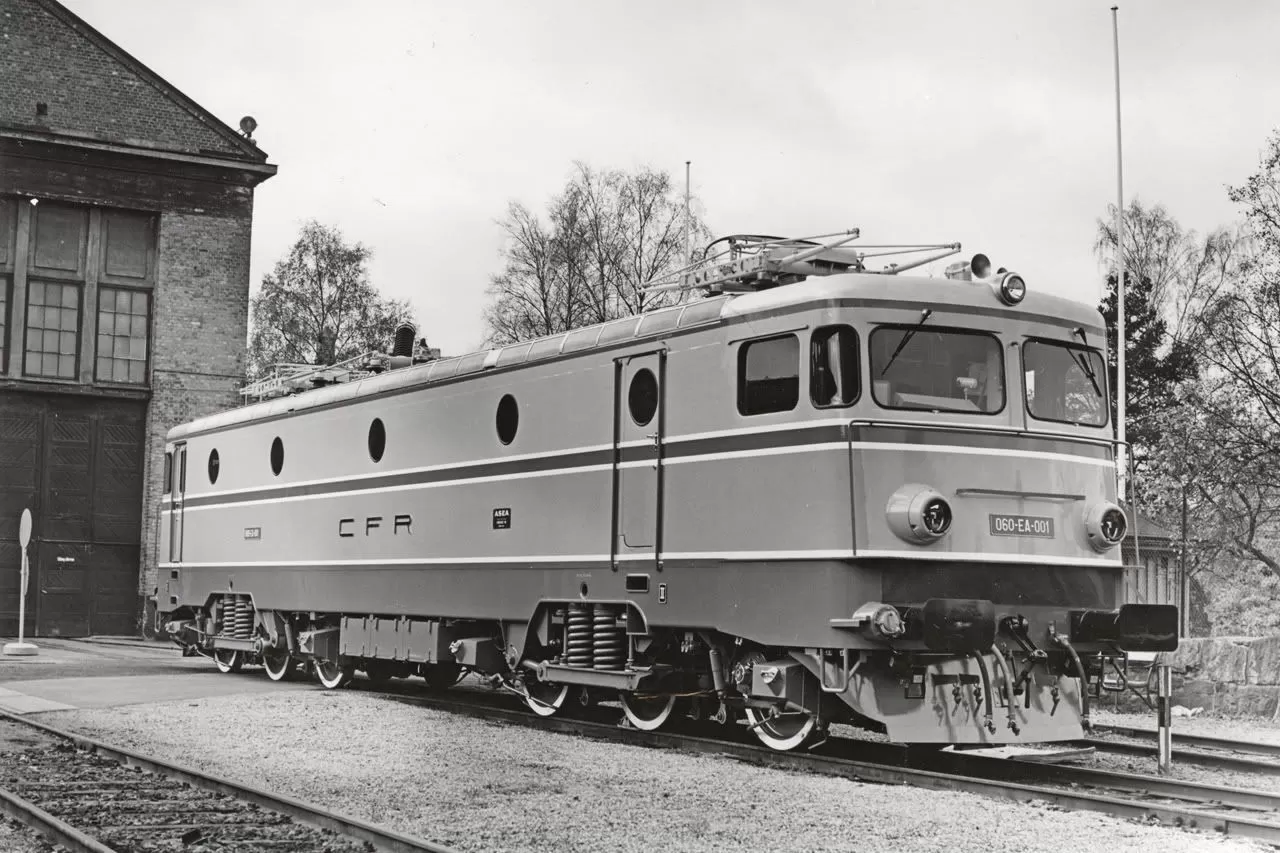
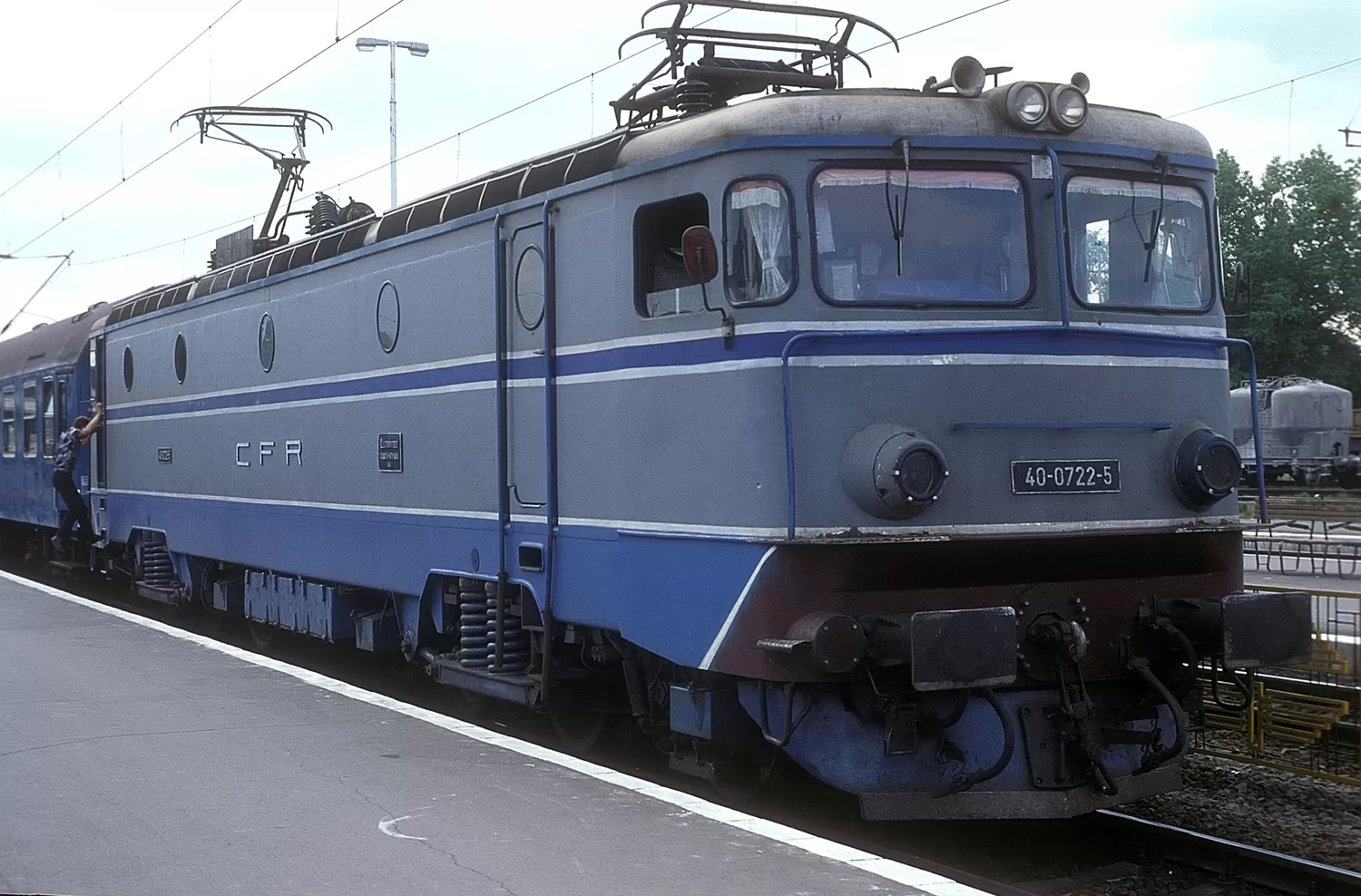
Source : Bahnbilder von W. + H. Brutzer
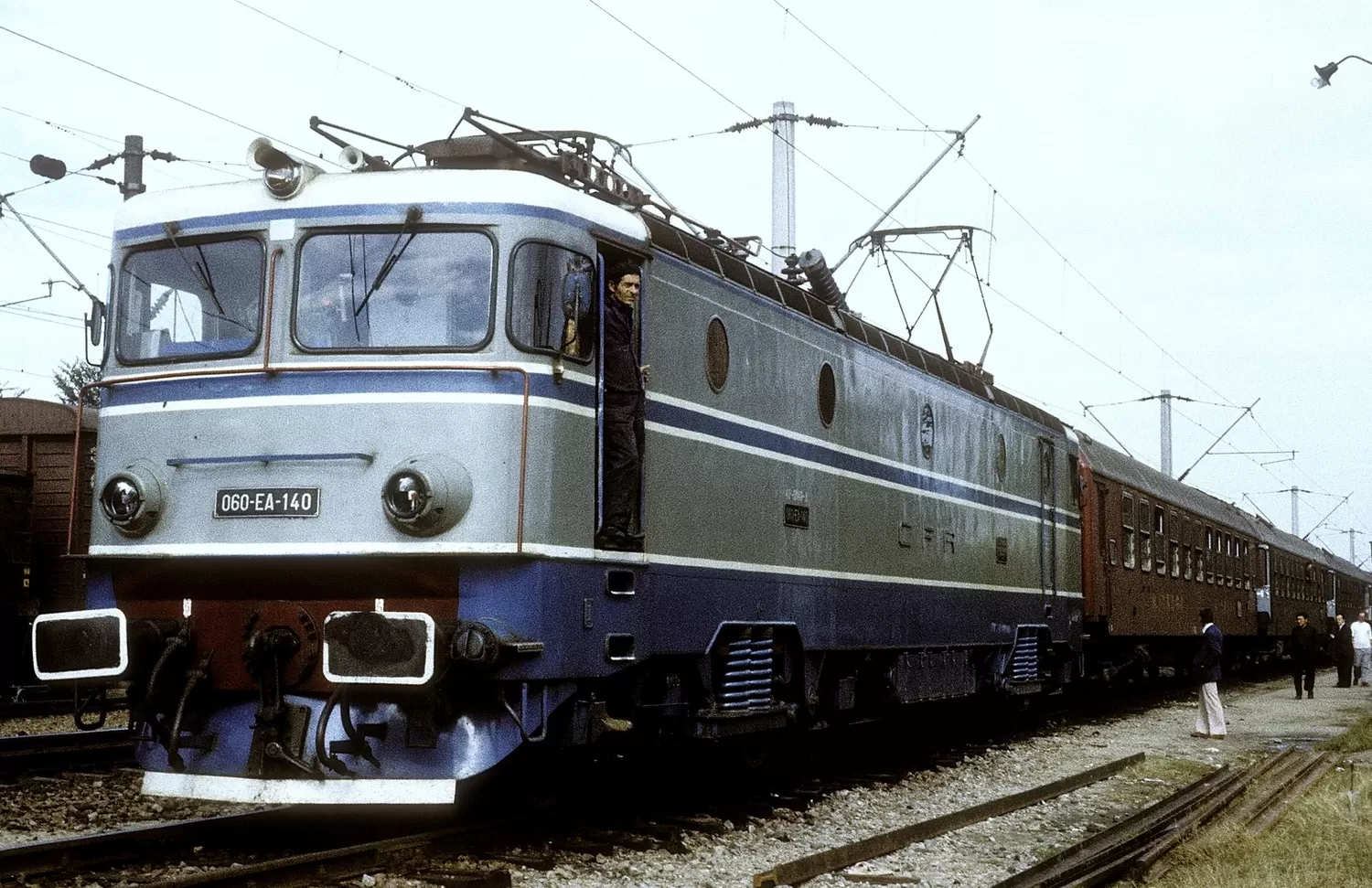
Source : L. Walter
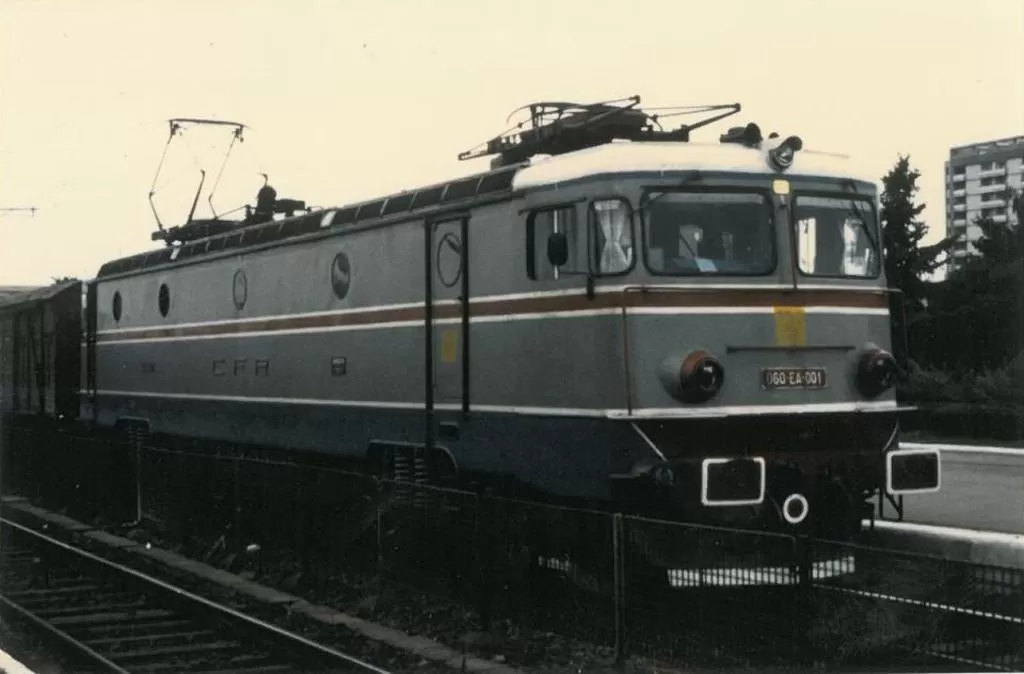
Source : Pierre B
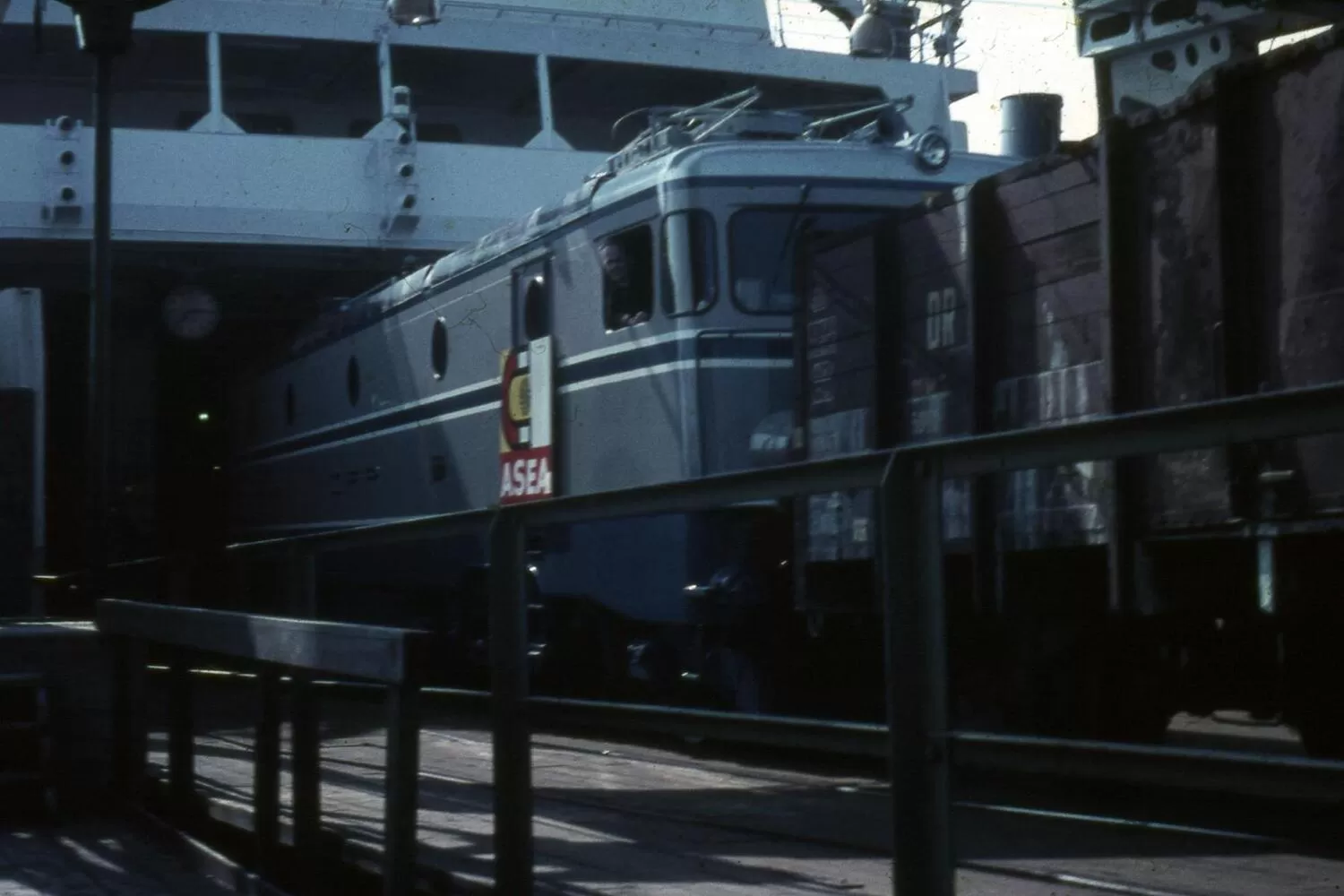
Source : N Stjerna - flickr.com
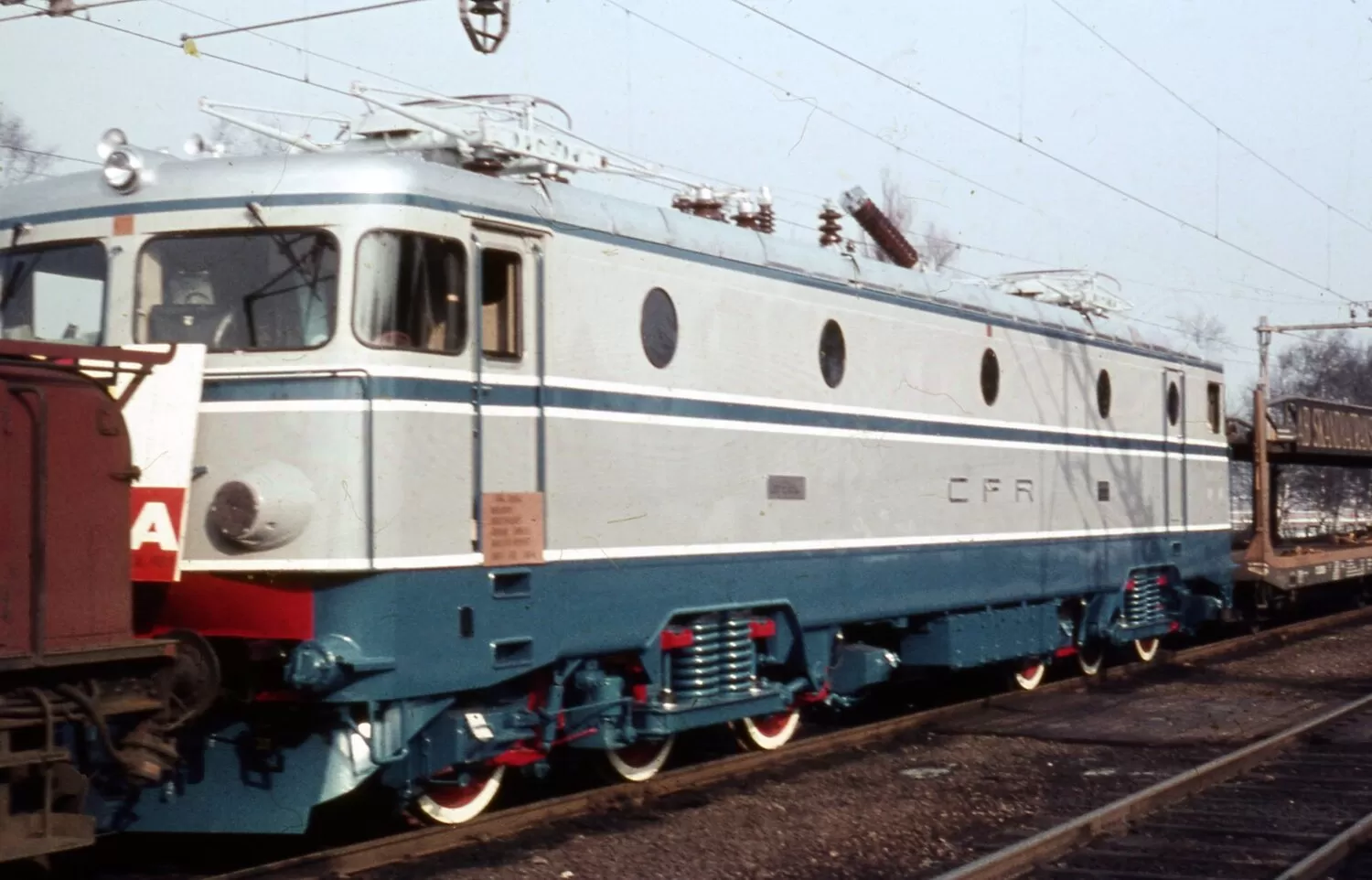
Source : N Stjerna - flickr.com
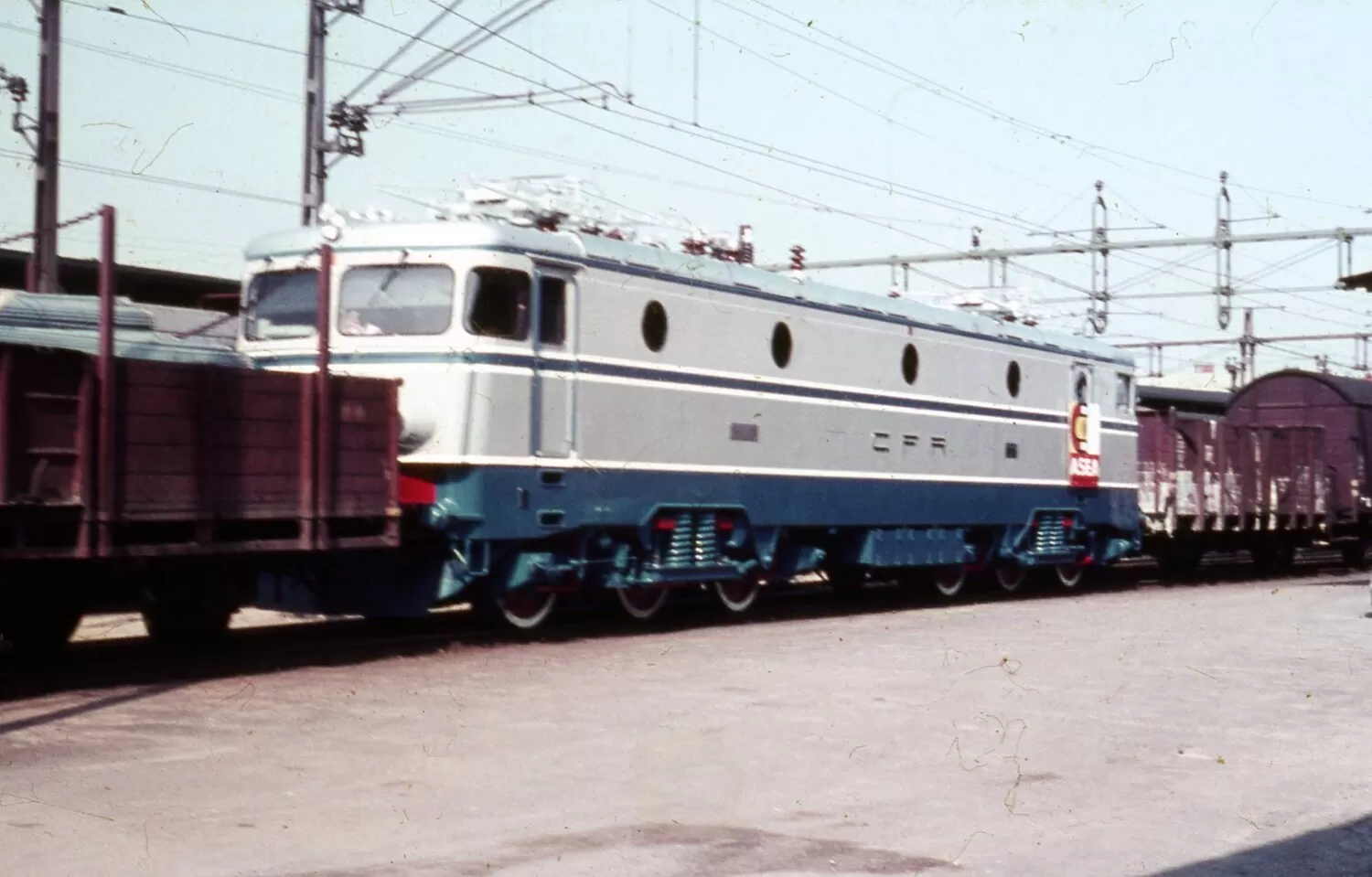
Source : N Stjerna - flickr.com
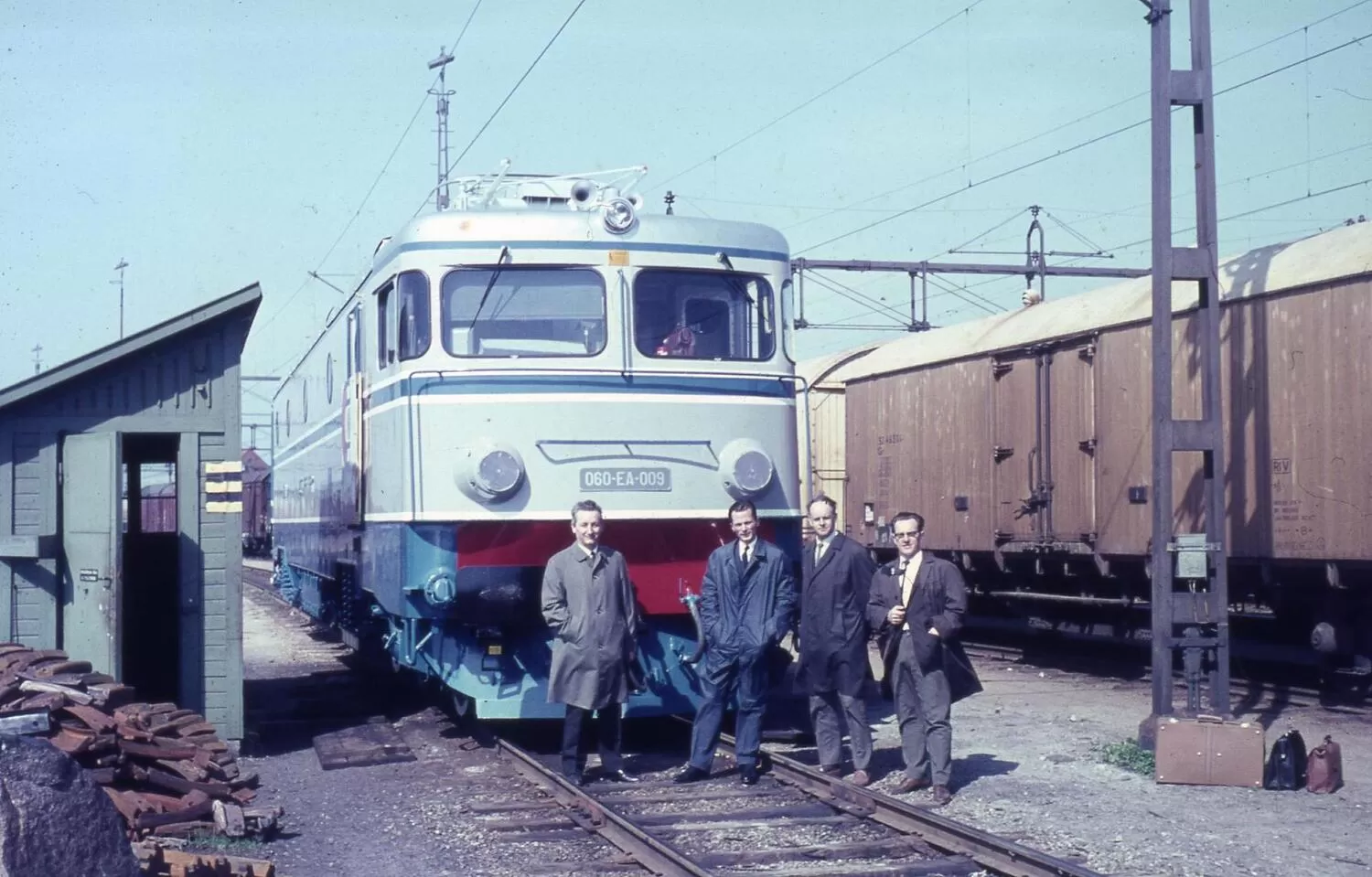
Source : N Stjerna - flickr.com
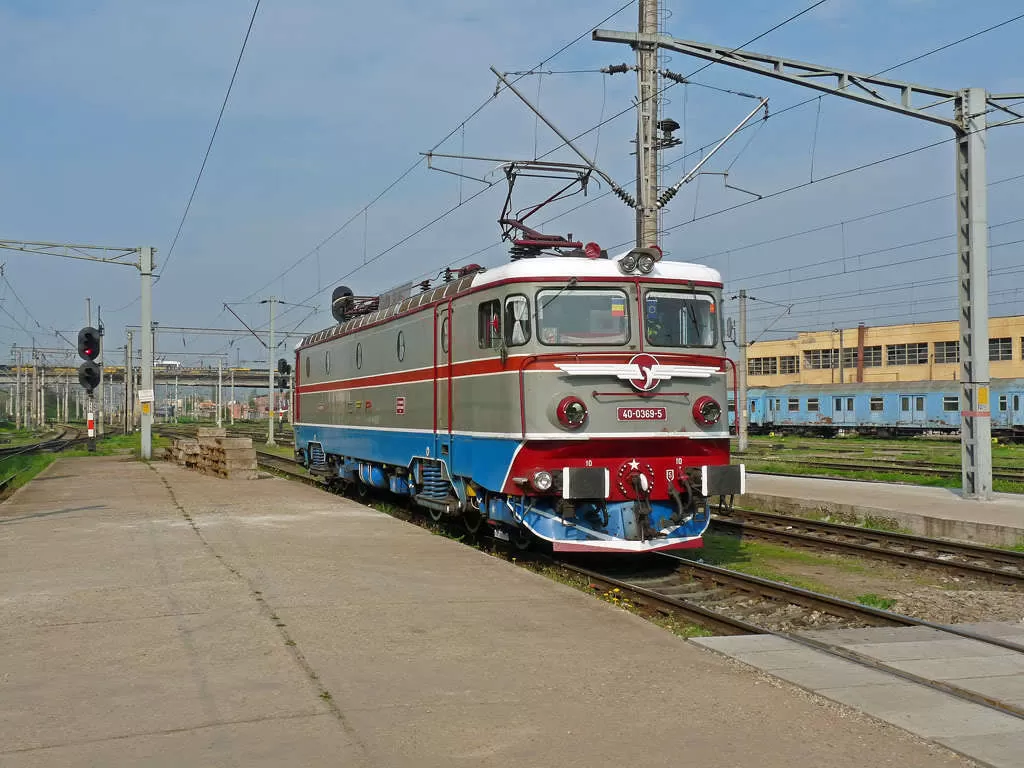
Source : lonutz
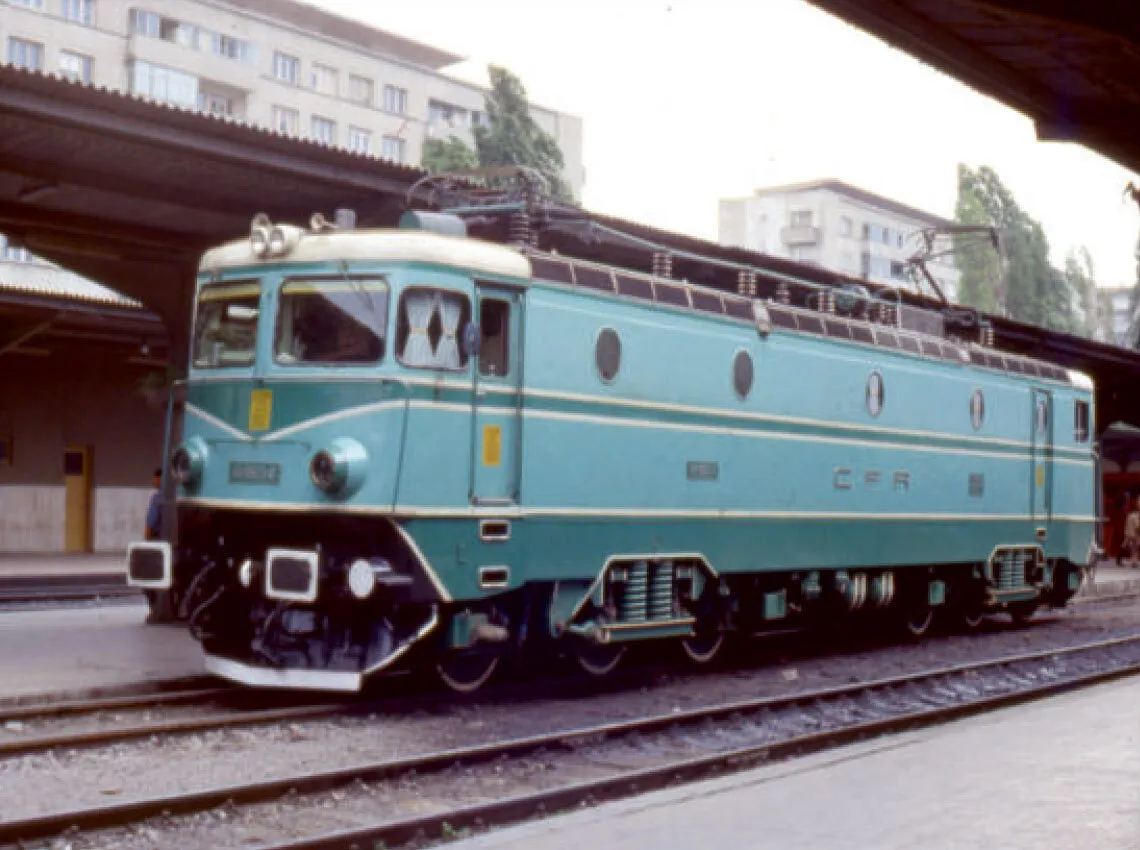
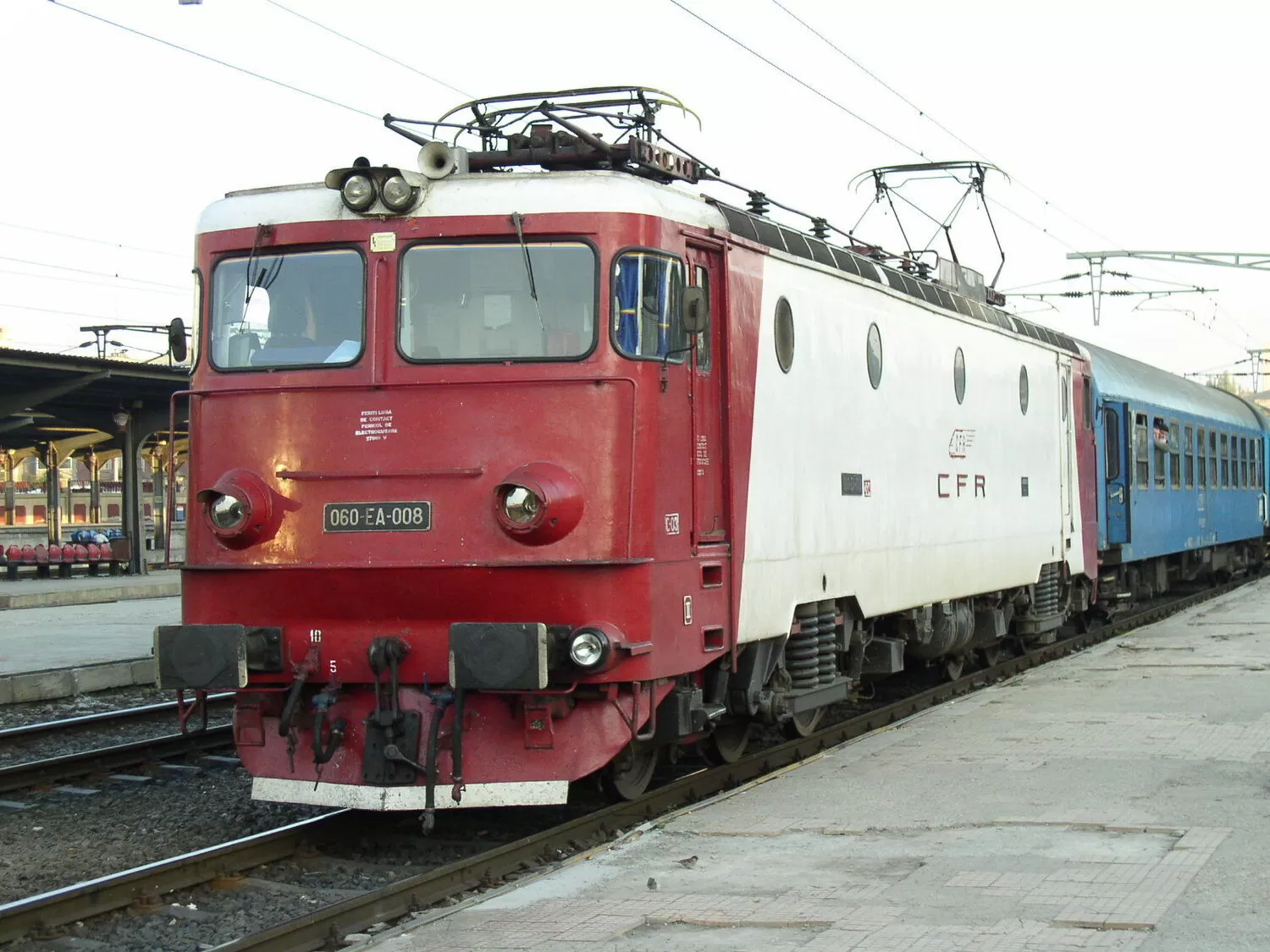
Source : Tiberiu Sufitchi - cfr.stfp.net
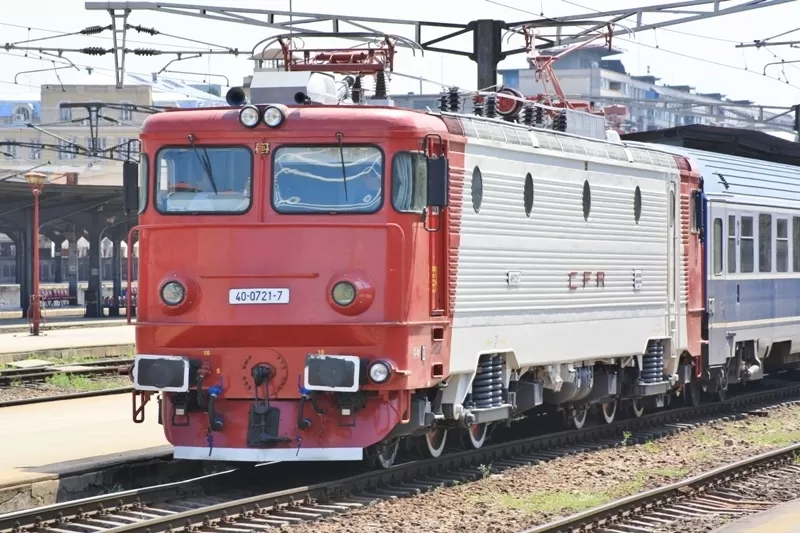
Source : forum.metrouusor.com
Également connu sous le nom de: 060-EA
Numérotation UIC / EVN: 91 53 0 400
Type de véhicule: Electric locomotive
Pays d'immatriculation: Romania
Pantograph - Asymmetrical
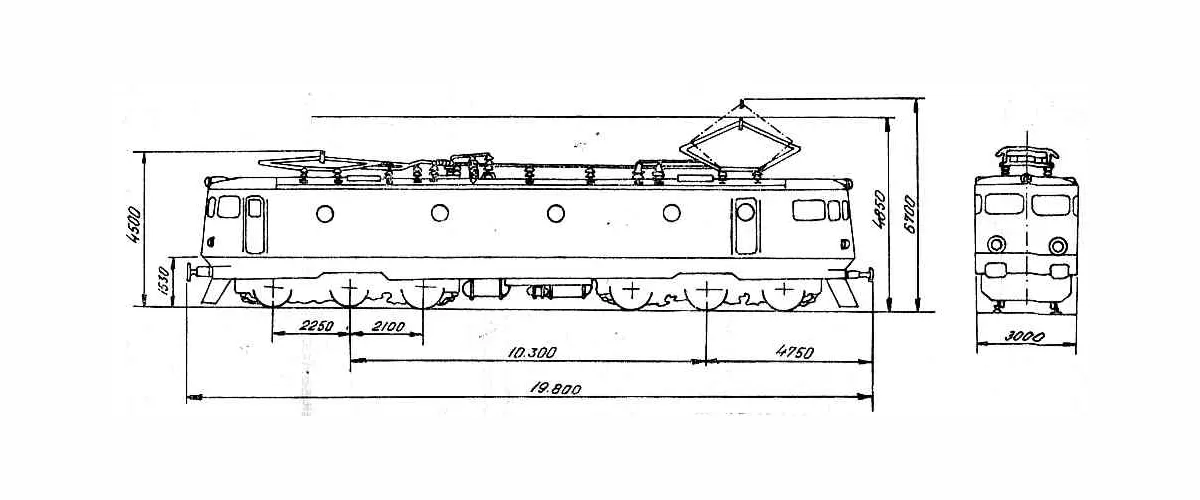
6'800 hp
1963
juin 9
Quatre fabricants européens participent à ces essais et un total de six locomotives sont testées :
- Alstom (France) présente 2x BB 12000 locomotives, unités BB 12131 et BB 12141 ;
- ASEA (Suède) présente 2x prototypes Rb 1, unités 1001 et 1002 ;
- Škoda (Tchécoslovaquie) présente 1x prototype S 479.0, unité E479.002 ;
- VEB Lokomotivbau Elektrotechnische Werke "Hans Beimler" présente 1x prototype.
À la fin, les responsables des Chemins de fer roumains - CFR décident de signer un contrat avec ASEA (Suède) pour la livraison de 10x locomotives complètes et de pièces pour 28x autres locomotives à construire en Roumanie. Les locomotives commandées sont différentes des prototypes Rb 1 : elles auront 6 essieux dans une configuration Co'-Co' avec une puissance maximale de 5400 kW. Ces unités seront désignées sous la série 060-EA.
NB : Plus d'informations sur l'électrification de la section Brașov à Bucarest peuvent être trouvées dans un article dédié : Électrification des chemins de fer roumains.
Traduction automatique. Texte original en: EN - afficher l'original
1964
avril
La locomotive commandée par les Chemins de fer roumains - CFR est différente des prototypes Rb 1: c'est une locomotive à 6 essieux Co'-Co' avec une puissance maximale de 5'400 kW et un freinage rhéostatique. D'autre part, la partie électrique est typique de ASEA: conversion AC - DC avec des diodes en silicone et configuration haute tension pour les moteurs de traction électriques.
Les locomotives sont livrées avec des pantographes symétriques ASEA de type LLXJN 135, actionnés pneumatiquement.
Traduction automatique. Texte original en: EN - afficher l'original / Sources: "060-EA locomotive - 40 years from the first electric locomotive produced in Romania" (2010 - Mircea Dorobantu), http://www.le-rail.ch/text/projekt52.htm, https://www.railcolor.net/index.php?nav=1000006&id=3647&action=dview, https://en.wikipedia.org/wiki/Electroputere_LE5100
1965
En 1966, 8 nouvelles locomotives sont livrées :
- 7 unités immatriculées 060-EA-001 à 008 ont une vitesse maximale de 120 km/h ;
- 1 unité, livrée sous le numéro 060-EA-009, a une vitesse maximale de 160 km/h et sera classée comme 060-EA1 (plus tard Classe 41), comme ce sera le cas pour toutes les locomotives électriques de cette série capables d'atteindre cette vitesse maximale.
Un an plus tard, en 1967, la dernière unité du lot initial est livrée avec un appareil électrique expérimental différent des autres unités et est immatriculée comme Classe 060-EB.
Concerne le(s) numéro(s) d'immatriculation: 060-EA-001, 060-EA-002, 060-EA-003, 060-EA-004, 060-EA-005, 060-EA-006, 060-EA-007, 060-EA-008, 060-EA-009
Traduction automatique. Texte original en: EN - afficher l'original / Sources: "060-EA locomotive - 40 years from the first electric locomotive produced in Romania" (2010 - Mircea Dorobantu)
1967
- 932 unités pour le CFR (chemins de fer roumains) ;
- 103 unités pour le JZ (chemins de fer yougoslaves) ;
- 45 unités pour le BDZ (chemins de fer bulgares) ;
- 2 prototypes pour les chemins de fer chinois.
Traduction automatique. Texte original en: EN - afficher l'original / Sources: "060-EA locomotive - 40 years from the first electric locomotive produced in Romania" (2010 - Mircea Dorobantu)
1969
février 16
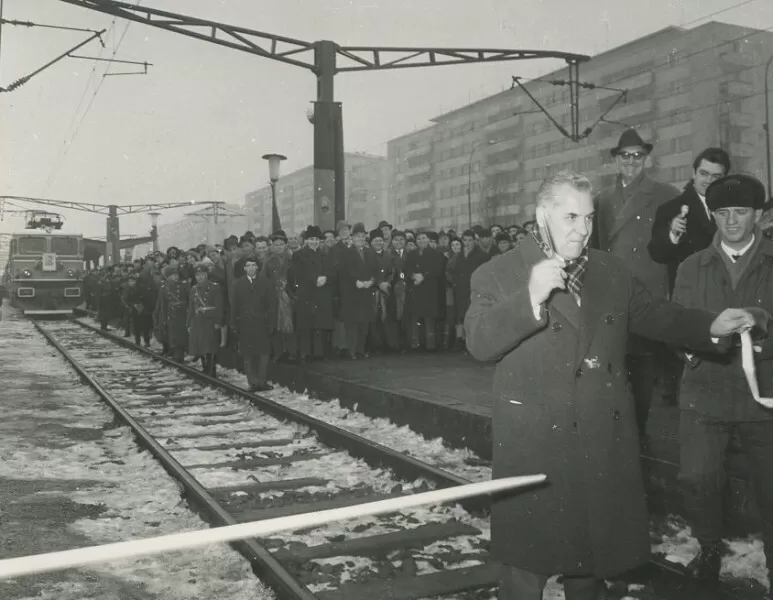
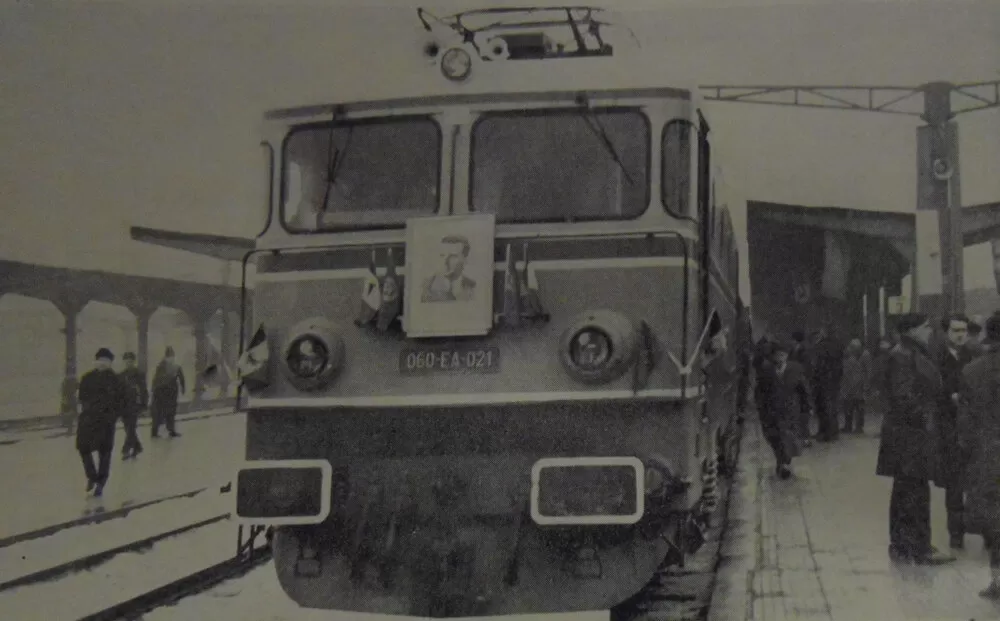
Traduction automatique. Texte original en: EN - afficher l'original
1976
Les unités suivantes (060-EA-248 - 266) sont encore livrées avec les pantographes symétriques initiaux et ce n'est qu'à partir de l'unité 060-EA-267 que l'utilisation des pantographes asymétriques est généralisée.
Traduction automatique. Texte original en: EN - afficher l'original
1988
Concerne le(s) numéro(s) d'immatriculation: 40-0016-2, 40-0550-0
Traduction automatique. Texte original en: EN - afficher l'original / Sources: http://cfristoriesicotidian.ro/istoria-locomotivelor-partea-2/
1990
août 21
L'accident est dû à de graves violations des règlements et des instructions de service. M. Emil Rotaru, employé de la gare d'Augustin en charge de la gestion du trafic ferroviaire, décide d'envoyer la locomotive diesel 80-0601-7 sur la ligne ferroviaire principale, en utilisant la seconde des deux lignes, vers l'arrêt d'Ormenis comme transport pour la caissière de la gare d'Augustin qui a terminé son service et n'avait aucun autre moyen de transport. La locomotive diesel est conduite par le mécanicien Trif Sorin, 37 ans, et l'assistant mécanicien Ghimes Cosmin, 23 ans. Ils acceptent la mission sans ordre de marche.
Après avoir faussement communiqué à son collègue de la gare d'Apata qu'"il doit manœuvrer un convoi de wagons et dépassera la limite de la gare", Emil Rotaru enregistre le parcours sur le diagramme lumineux et dépêche la locomotive diesel. Peu après, il quitte son bureau pour aller aux toilettes et, sur le chemin du retour, il s'arrête pour discuter avec des connaissances et oublie complètement la locomotive dépêchée.
Pendant ce temps, une autre employée, Mme Sylvester Edith, prend en charge la gestion du trafic bien qu'elle ne soit pas autorisée à le faire.
Alors que le Rapid 24 approche de la gare d'Augustin, où il doit passer sans s'arrêter vers la gare d'Apata, Mme Sylvester Edith, après avoir reçu le bon d'expédition de la gare de Racos, autorise le convoi à poursuivre son itinéraire sur la seconde ligne, bien qu'elle ait vu que le troisième secteur de bloc vers la gare d'Apata est occupé (mais a supposé à tort qu'il y a un autre train se dirigeant vers la gare d'Apata). Le Rapid 24 passe par la gare d'Augustin et la quitte avec un signal jaune déclenché par le système de gestion automatique de la section de ligne qui a détecté le secteur occupé plus loin. Le mécanicien ralentit le convoi à 90 km/h.
Pendant ce temps, la locomotive diesel 80-0601-7, après avoir déposé la caissière à l'arrêt d'Ormenis, se dirige à nouveau à vitesse maximale (environ 95 km/h) vers la gare d'Augustin, également sur la seconde ligne, la même ligne sur laquelle le Rapid 24 s'approche rapidement. De plus, pour ne pas être ralenti par le système de gestion automatique de la section de ligne (BLA - "Bloc de Ligne Automat") et les signaux rouges déclenchés par le système, les mécaniciens ont coupé le système à l'intérieur de la locomotive diesel (normalement, la locomotive diesel aurait dû s'arrêter à chaque signal avec la possibilité de poursuivre son itinéraire à une vitesse maximale de 15 km/h).
La collision frontale est inévitable. Les mécaniciens de la locomotive électrique 060-EA-001 sont les premiers à remarquer l'autre locomotive s'approchant rapidement sur la même ligne dans la direction opposée. Ils initient la procédure de freinage d'urgence, déconnectent le pantographe et le disjoncteur de locomotive et se réfugient dans la salle des machines. Ils réussissent à réduire la vitesse du train d'environ 30 km/h avant l'impact, à environ 60 km/h. Avec du retard, les mécaniciens de la locomotive diesel remarquent également le train express devant eux et initient la procédure de freinage d'urgence, mais en raison de la petite distance entre les deux véhicules ferroviaires, l'impact ne peut plus être évité.
À la suite de cet accident grave, les deux mécaniciens de la locomotive diesel sont tués tandis que les mécaniciens de la locomotive électrique ne sont que légèrement blessés. Parmi les passagers, deux femmes et une petite fille sont blessées, toutes trois assises dans le premier wagon du train express.
M. Emil Rotaru et Mme Sylvester Edith, les employés de la gare d'Augustin, sont reconnus coupables de la cause de l'accident et sont condamnés à la prison.
La locomotive diesel est déclarée perte totale et est mise à la casse sur le site de l'accident.
La locomotive électrique 060-EA-001 est transportée au dépôt de Brasov avec l'intention d'être réparée, mais les dommages sont trop étendus et elle est également mise à la casse à une date ultérieure, les composants étant utilisés comme pièces pour d'autres locomotives électriques de la même série.
En 1991, en hommage à la 060-EA-001, il est initialement prévu de déplacer les plaques d'immatriculation et de renuméroter l'unité 060-EB-001, étant à l'époque reconfigurée en locomotive électrique Class 41 par Electroputere Craiova, mais finalement cette unité entre en service au dépôt de Brasov avec l'immatriculation 41-0931-0.
Une autre locomotive, l'unité 41-0931-0 (avant-dernière nouvelle locomotive à être livrée par Electroputere Craiova aux Chemins de fer d'État Roumains - CFR en 1991) reçoit au dépôt de Brasov les plaques d'immatriculation 41-0001-2 (la locomotive est repérée en 1994 à la gare de Brasov ).
Après quelques années, l'immatriculation 41-0001-2 sera réattribuée à l'unité 41-0009-5 (initialement immatriculée 060-EA-009, la 9e unité du premier lot de 10 unités livrées par ASEA entre 1965 et 1967) alors que les numéros d'immatriculation sont échangés entre les deux locomotives.
*En raison d'un fort afflux ou de retards causés par des voyages très longs, certains services de passagers ont bénéficié de deux ou plusieurs rames couvrant totalement ou partiellement l'itinéraire initial. Par exemple, le D 262/263 "Orient Express" de Bucarest à Vienne avait souvent des retards de plusieurs heures, une seconde rame en provenance de Hongrie, D 11262, circulait en tête pour respecter l'horaire initial. En France, dans les années 1960 et 1970, le "Capitole de nuit" entre Paris Austerlitz et Toulouse Matabiau avait le vendredi jusqu'à cinq rames différentes pour répondre à la forte demande. En Allemagne, de nombreux trains express ("D-Züge") étaient précédés par un train couvrant le même trajet ("Vorzug") environ 15 minutes avant et suivis par un autre train ("Nachzug") environ 15 minutes après.
Traduction automatique. Texte original en: EN - afficher l'original / Sources: "060-EA locomotive - 40 years from the first electric locomotive produced in Romania" (2010 - Mircea Dorobantu), https://trenuletz.forumz.ro/t1048p105-060-ea-001, https://forum.lokomotiv.ro/threads/tren-rapid-nr-24-partea-a-doua.15423/
1999
Traduction automatique. Texte original en: EN - afficher l'original / Sources: "060-EA locomotive - 40 years from the first electric locomotive produced in Romania" (2010 - Mircea Dorobantu)
2000
Traduction automatique. Texte original en: EN - afficher l'original
2016
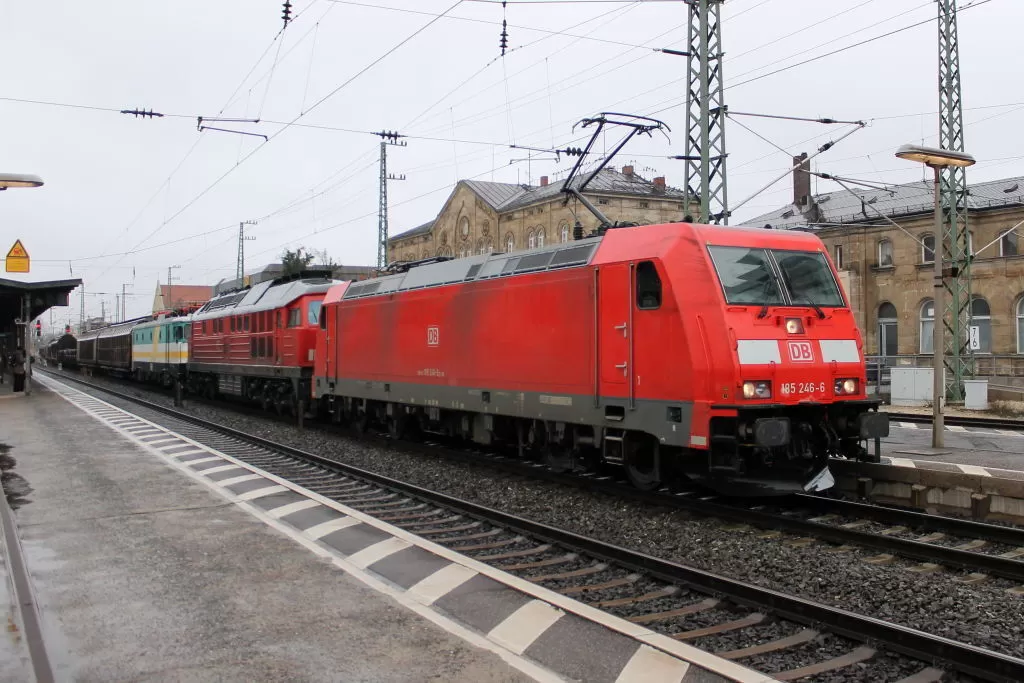
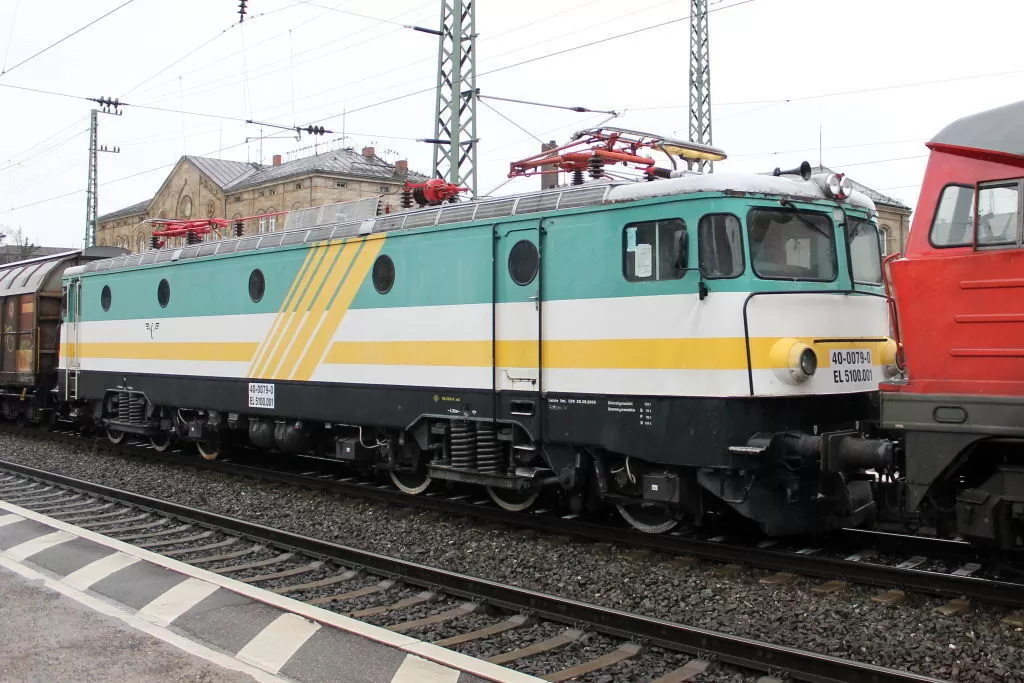
La locomotive retrouve son état technique initial et son numéro d'enregistrement et obtient une nouvelle livrée de son propriétaire actuel. Elle est de nouveau en service régulier avant la fin de l'année .
Traduction automatique. Texte original en: EN - afficher l'original
Avez-vous des informations supplémentaires concernant ce véhicule?
Aidez-nous à écrire l'histoire de Class 40! Votre savoir est précieux pour nous et pour toute la communauté, n'hésitez pas à partager vos faits, photos ou vidéos:
Dernière mise à jour le 21st de August 2021 à 15:24
Contributeur(s): Tudor C.
Advertising:
Class 40 - Related rolling stock from category "Romania - ASEA / Electroputere Craiova electric locomotive":

Class 41
Romania

Class 42
Romania

Class 45
Romania

Class 47.6
Romania
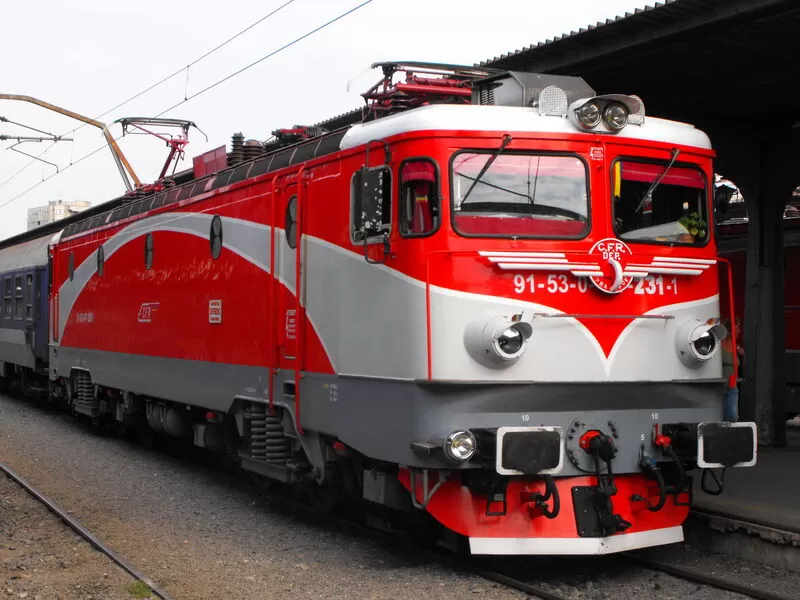
Class 47.7 "Delfin"
Romania

Class 40
Romania
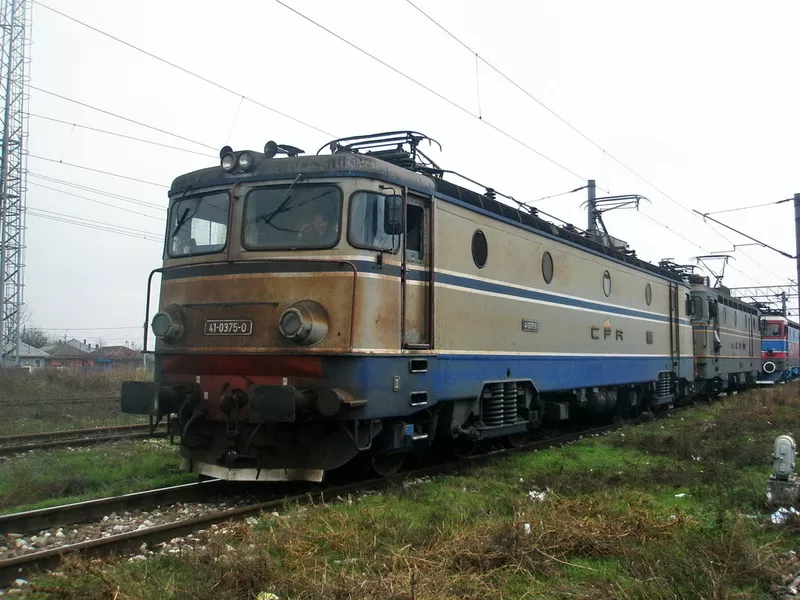
Class 41
Romania

Class 47.0
Romania

Class 47.4
Romania

Class 40
Romania

Class 40
Romania

Class 40
Romania

Class 40
Romania

Class 41
Romania

Class 40
Romania

Class 40
Romania

Class 40
Romania
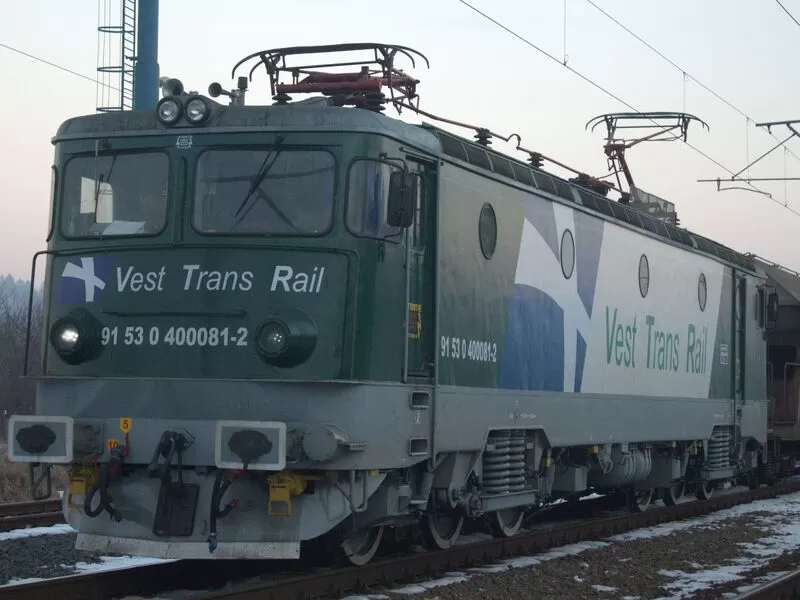
Class 40
Romania

Class 47.1
Romania
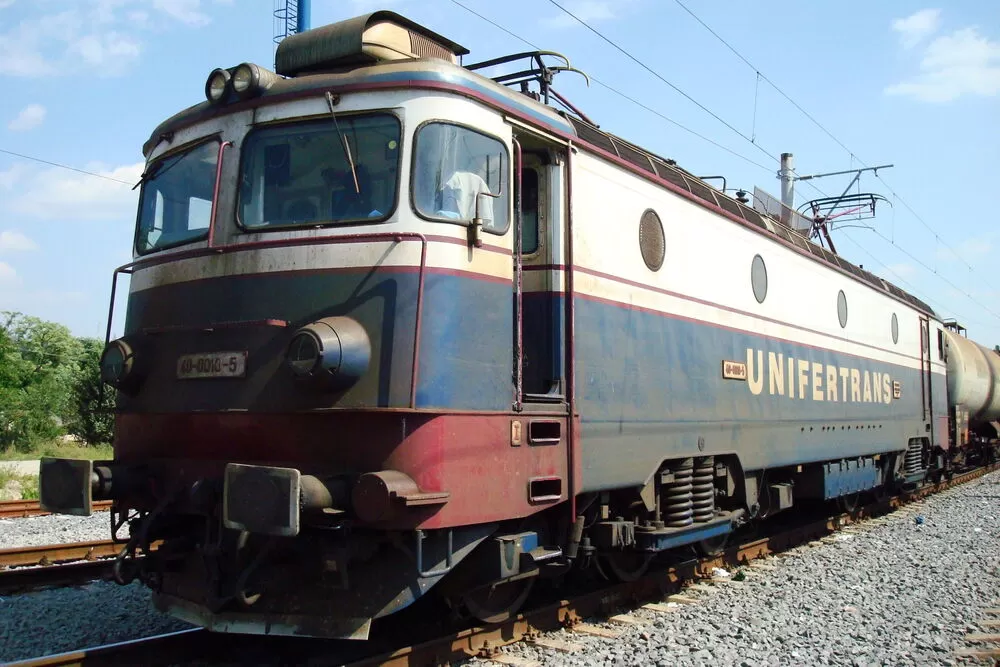
Class 40
Romania

Class 41
Romania

Class 40
Romania
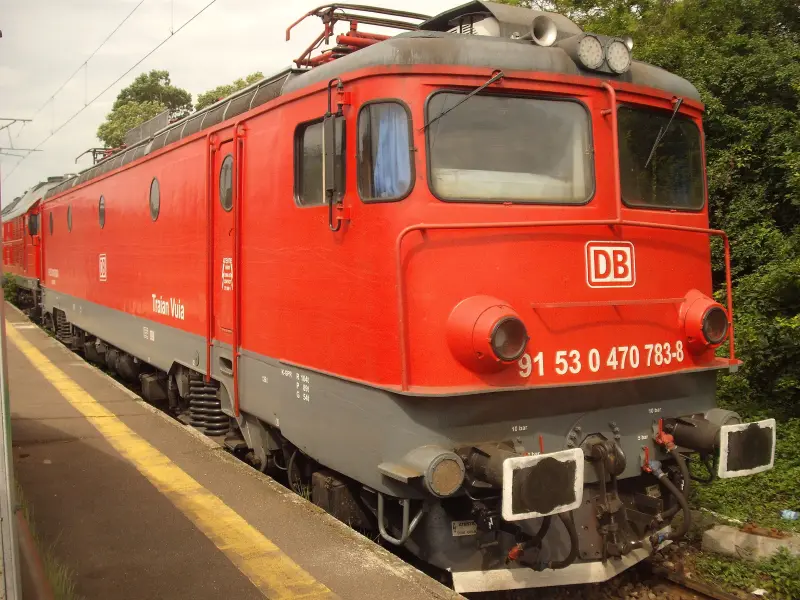
Class 47
Romania

Class 40
Romania

Class 40
Romania

Class 600
Hungary

Class 40
Croatia (Hrvatska)

Class 40
Romania

Class 40
Romania
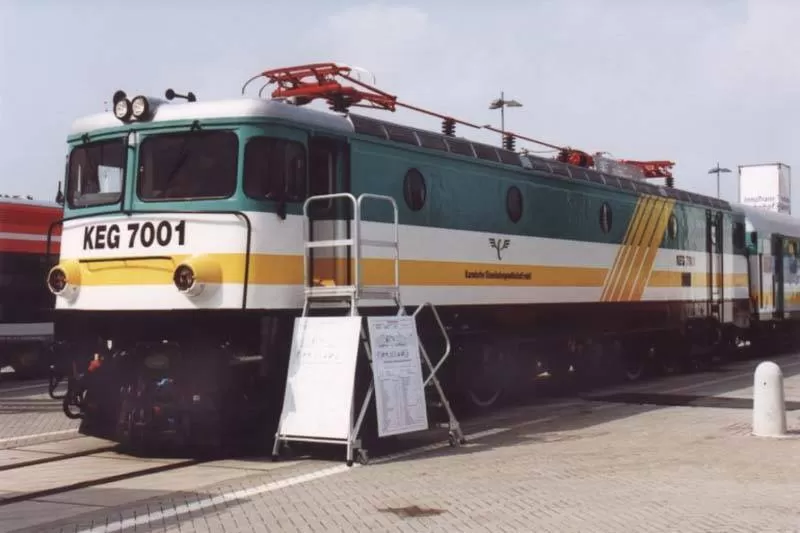
KEG 7001
Germany
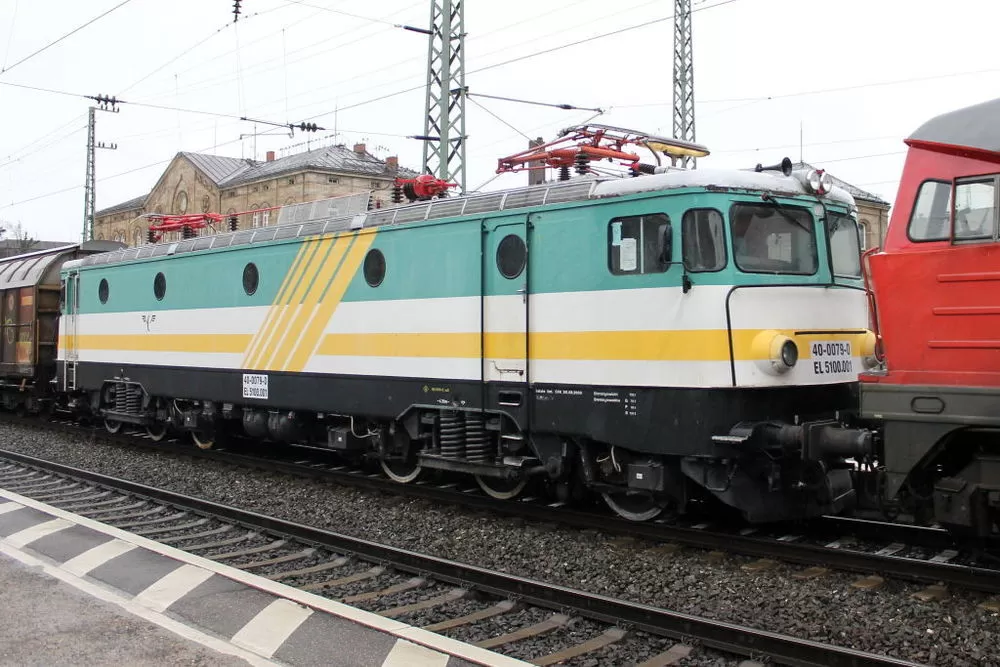
EL 5100.001
Sweden
Class 40 - Associated miniature models:

CFR - 060-EA electric locomotive
Prix de vente conseillé: dès 269,00 €

CFR Călători - 060-EA electric locomotive
Prix de vente conseillé: dès 269,00 €

CFR - 060-EA-009 electric locomotive
Prix de vente conseillé: 269,00 €

CFR - Class 40 (060-EA) electric locomotive
Prix de vente conseillé: 249,00 €


Advertising:

La carte d'identité, les photos et les vidéos pour des milliers de véhicules ferroviaires dans toute l'Europe !
