


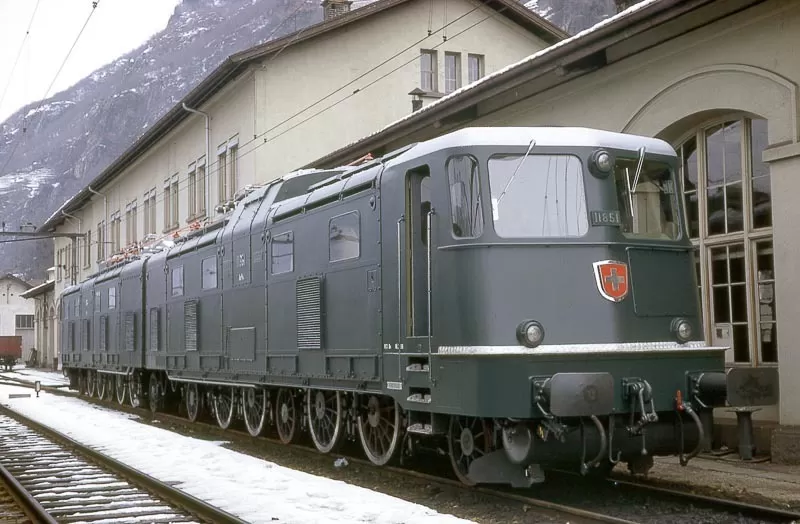
Quelle: Karl Meyer
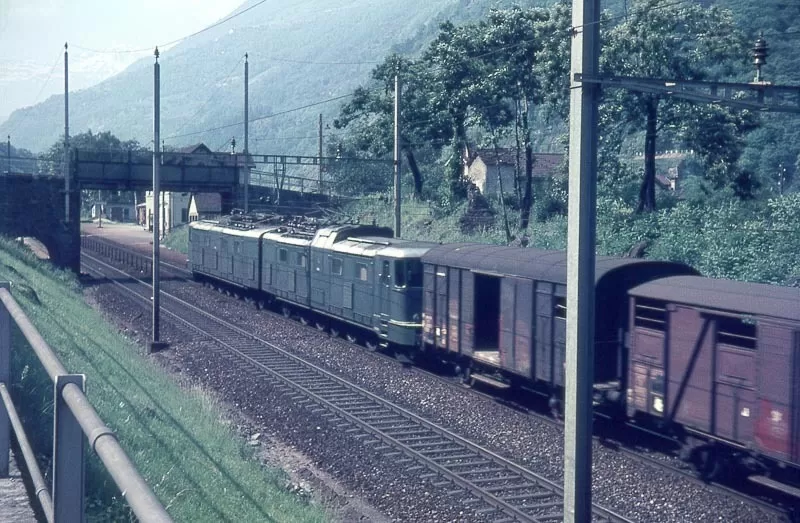
Quelle: Max Hintermann
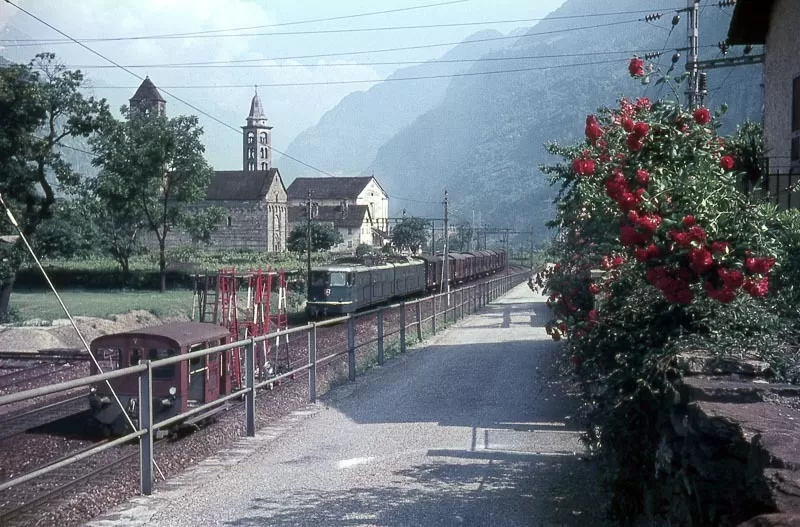
Quelle: Max Hintermann
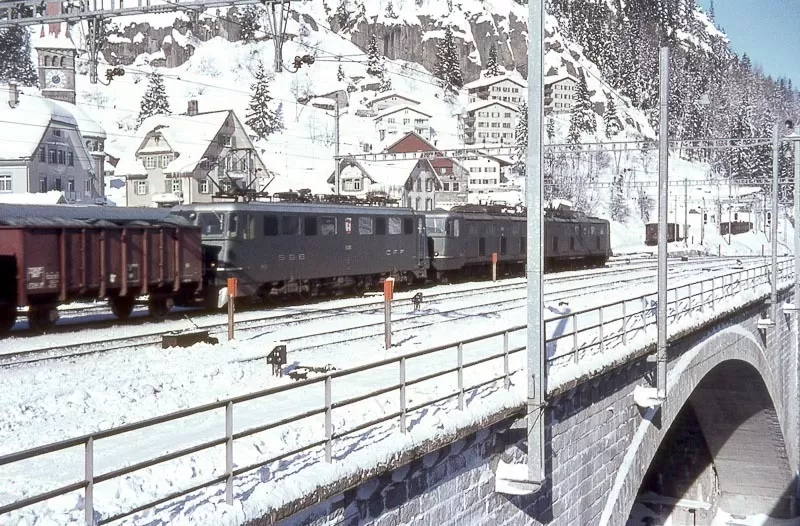
Quelle: Max Hintermann


Quelle: Brian Stephenson
Fahrzeugtyp:
Registrierungsland:
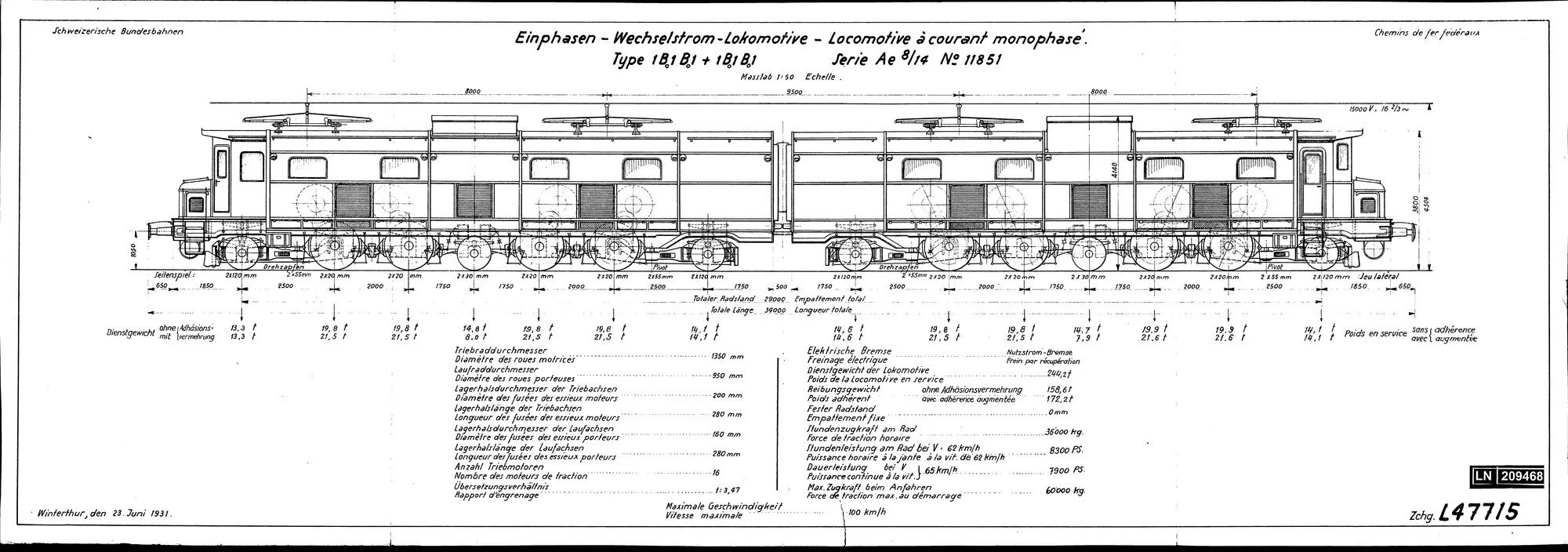
The electrification of the Gotthard Line including its approach
routes from Lucerne to Chiasso was completed on May 18th, 1922. The
locomotives purchased for it (the classes Ce 6/8 II & III, Be 4/6
and Be 4/7) functioned extremely well and clearly showed the
advantages of electrical operation.
However, the new electric motive power soon meant increasing loads
and the situation on the Gotthard became increasingly tighter. In
neighbouring countries, there had soon been talk that loads over
the Gotthard could be moved quite a bit faster than previously.
Even though the electric locomotives of the first generation were
clearly more powerful than the last steam locomotives, they could
not take on endlessly increasing loads. A new locomotive class
should therefore provide a remedy. The first studies showed that a
locomotive with four sets of driving wheels would represent the
most favorable solution. Express trains of 600 metric tons would
have required two of these units in multiple unit control. There
were no multiple unit control for locomotives with electric brakes
for this power class, in which the units could be uncouples and
coupled again as often as desired.
The Swiss Federal Railways (SBB) therefore decided on a double
locomotive that was not separable in operation. This enabled a
savings in two engineer's cabs and various pieces of equipment only
required once. In February of 1929, the SBB requested the
locomotive builders to come up with designs for the desired unit
with a considerable specification profile. It had to be 100 km/h
fast and able to haul 600 metric ton passenger trains at 62 km/h
and 750 metric ton freight trains at 50 km/h on a 2.7% grade.
Electric regenerative brakes had to be able to stop the locomotive
weight on a 2.7% descending grade. After twenty submitted projects,
the SBB decided on the construction of one each prototypes from
designs by SLM/BBC and SLM/MFO.
1932
Ae 8/14 11851 tritt in Dienst
Die Fahrzeugnummer 11851 fuhr mit Doppelmotore und einem SLM-Universalantrieb pro angetriebenem Radsatz, wobei die Motoren koaxial auf beiden Seiten des Mittelgangs angeordnet waren. Diese modernere Technologie führte zu einer Stundenleistung von 6472 Kilowatt / 8800 Pferdestärken.
Betrifft Registrierungsnummer(n): 11851
Automatische Übersetzung. Originaltext in: EN - Original anzeigen
1961
Betrifft Registrierungsnummer(n): 11851
Automatische Übersetzung. Originaltext in: EN - Original anzeigen
Haben Sie zusätzliche Informationen zu diesem Fahrzeug?
Helfen Sie uns, die Geschichte von Ae 8/14 11851! Ihr Wissen ist wertvoll für uns und die gesamte Gemeinschaft, zögern Sie nicht, Ihre Fakten, Fotos oder Videos zu teilen:
Letztes Update am 7th von September 2019 um 17:53
Mitwirkende: Tudor C.
Advertising:
Ae 8/14 11851 - Related rolling stock from category "SBB CFF FFS - Ae 8/14 electric locomotives":


Ae 8/14 11851 - Associated miniature models:

SBB CFF FFS - Ae 8/14 11851 electric locomotive
Unverbindliche Preisempfehlung: ab 499,90 €
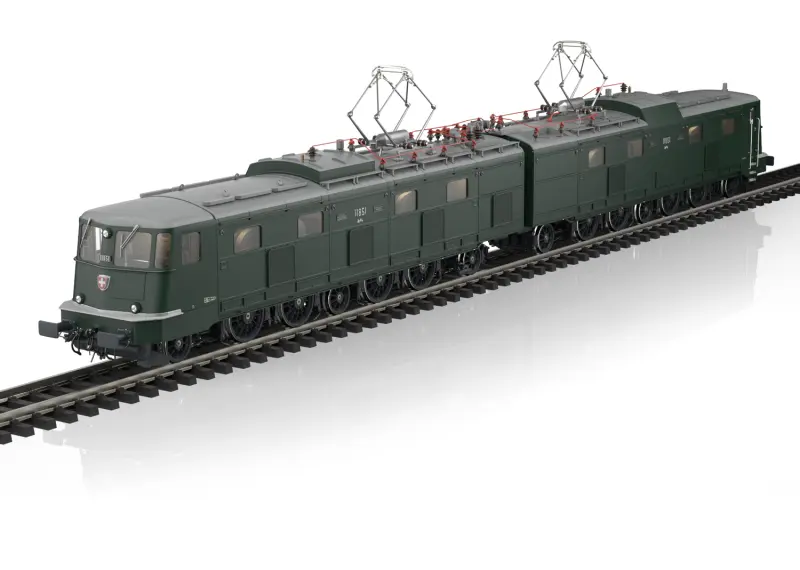
SBB CFF FFS - Electric locomotive Ae 8/14
Unverbindliche Preisempfehlung: 9.990,00 €
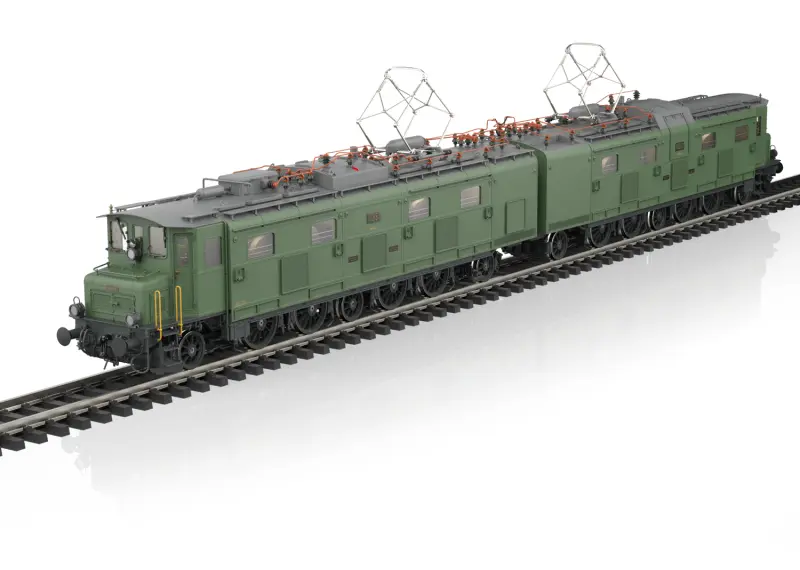
SBB CFF FFS - Electric locomotive Ae 8/14
Unverbindliche Preisempfehlung: 9.990,00 €
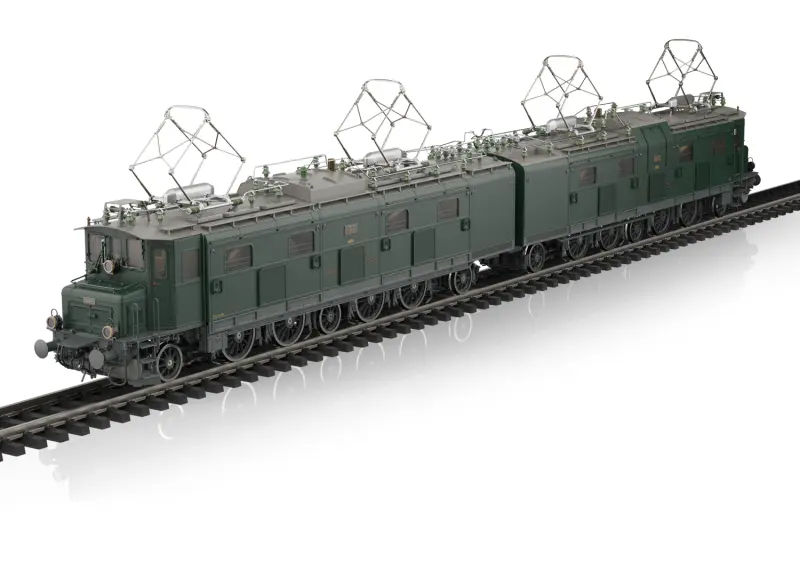
SBB CFF FFS - Electric locomotive Ae 8/14
Unverbindliche Preisempfehlung: 9.990,00 €
Diskussionsforum
Advertising:

Der Personalausweis, Fotos und Videos für tausende Eisenbahnfahrzeuge in ganz Europa!
